Anteprima in scala reale
 Condividi
 Condividi
 Dettagli

 Scarica immagine
 Articoli simili
 Radiografia
 Slideshow
Abstract Bilding


 Leggi tutto
Giclée / Stampe d'arte
Stampa giclée o su tela di qualità museale, con produzione rapida e diverse opzioni di finitura. ( Passa alla versione dipinta a mano Passa all'immagine)




P118B $10

P118H $10

P118W $10

P438Z $10

P508JH $12

P508YH $12

P805H $10

P805Z $10

P919BZ $10

P919G $10

P919XJ $10

P959ZH $10

P968JZ $12

W106C $8

W218G $10

W218JH $8

W218Y $10

W307PJ $10

W316G $10

W316PJ $8

W316Y $10

W398PJ $8

W4111J $10

W500HY $15

W500JH $15

W692G $12

W849H $8

W940BG $15

W953PJ $8




Scegli tra le nostre dimensioni predefinite, che rispettano le proporzioni originali dell'opera d'arte.

È possibile inserire dimensioni personalizzate per adattare l'opera a una cornice o a uno spazio specifico. Se la dimensione selezionata non corrisponde alle proporzioni dell'immagine originale, procederemo al ritaglio dell'opera o all'estensione dell'immagine con un bordo specchiato o a tinta unita. Un mockup digitale ti verrà inviato per approvazione prima dell'inizio della produzione.
Si prega di notare che l'anteprima a schermo non riflette il ritaglio o l'estensione effettivi. Solo il mockup mostrerà accuratamente la composizione finale.
Sebbene siano disponibili dimensioni personalizzate, si raccomanda di selezionare una dimensione dall'elenco predefinito per preservare le proporzioni originali.
Consegna in tutto il mondo () in 2 settimane invece delle normali 4/5 settimane. (10 Agosto)

Spedizione espressa gratuita in tutto il mondo

Tela in lino di alta qualità

Assicurazione completa sulla spedizione

Garanzia di rimborso dei dazi doganali

Garanzia di fedeltà cromatica dell'originale

Politica di reso entro 60 giorni (solo per difetti di fabbricazione)

Garanzia di rimborso al 100%

Sconto per acquisti multipli
 L'opzione vetro è disponibile solo per dimensioni inferiori a 110 cm

Abstract Bilding
Giclée / Stampe d'arte
Dimensioni della riproduzione
-


Prezzo totale
$ 63
Descrizione del pezzo
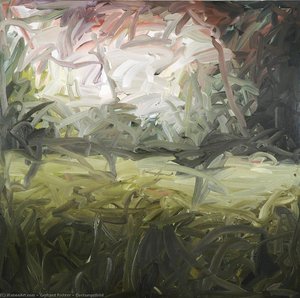
Exploring the Layers of Emotion in Gerhard Richter’s Abstract Building
The painting “Abstract Building,” created by Gerhard Richter in 1992, stands as a testament to Richter's signature approach – blurring the boundaries between representation and abstraction. It’s not merely pigment on canvas; it’s an invitation into a contemplation of color, texture, and memory itself. The photograph captures a wall-mounted piece, highlighting its deliberate placement within a domestic space, suggesting that art should be experienced as part of daily life.- Subject Matter: While ostensibly depicting a building—perhaps a residential structure—the painting eschews precise architectural detail. Instead, Richter prioritizes the emotive qualities of form and color over literal depiction.
- Style: Richter’s style is characterized by ‘photorealistic abstraction.’ He employs techniques that mimic photographic processes, layering translucent washes of pigment to achieve a hazy, dreamlike effect. This method deliberately obscures edges and contours, creating an illusion of depth and inviting viewers to fill in the gaps with their own perceptions.
Technique: A Dance Between Transparency and Texture
Richter’s masterful technique relies heavily on acrylic paint diluted with glazing mediums. These glazes allow for subtle shifts in color and luminosity as they dry, resulting in a surface that appears both luminous and slightly obscured. The artist meticulously applies these washes, often multiple times, building up layers of pigment to achieve the desired textural complexity. This layering process isn’t about creating a polished finish; it's about capturing the ephemeral nature of experience—the way light interacts with surfaces and how memories fade over time.Historical Context: Reflections on Postwar Germany
Created in the aftermath of the fall of the Berlin Wall and amidst ongoing debates about German identity, “Abstract Building” reflects Richter’s broader preoccupation with confronting trauma and uncertainty. His artistic explorations stem from a deep engagement with the legacy of Nazi Germany and its impact on individual consciousness. The painting's muted palette—dominated by reds, blues, greens, yellows, and oranges—can be interpreted as representing both the vibrancy of life and the lingering shadows of history. Richter’s work consistently seeks to grapple with difficult questions about truth, perception, and the role of art in processing collective memory.Symbolism: The Fragmented Image – A Mirror to Consciousness
The hazy, indistinct forms within “Abstract Building” symbolize the elusive nature of reality. Richter deliberately disrupts visual certainty, mirroring the anxieties inherent in navigating a world marked by division and loss. The repetition of color—particularly red—suggests an insistent presence, perhaps representing passion or urgency, yet simultaneously hinting at incompleteness. Ultimately, the painting encourages viewers to engage actively with its imagery, prompting them to consider their own interpretations and emotional responses.Emotional Impact: An Invitation to Contemplation
“Abstract Building” transcends mere visual aesthetics; it evokes a profound sense of melancholy and introspection. Its textured surface invites tactile engagement, mirroring the way memories linger in our subconscious minds. The painting’s ambiguous colors create an atmosphere of quiet contemplation—a space for reflection on themes of loss, resilience, and the enduring power of art to communicate complex emotions.


Biografia dell'artista
**primi anni di vita ed educazione**
Gerhard Richter, un rinomato artista visivo tedesco, è nato il 9 febbraio 1932 a Hospital Dresden-Neustadt, Dresda, Sassonia. È cresciuto a Reichenau, Basso Silisia (ora Bogatynia, Polonia), e Waltersdorf (Zittauer Gebirge), nella campagna superiore della Lusazia. Il padre di Richter, Horst Richter, era uno studente di matematica e fisica all'Technische Hochschule di Dresda.**carriera artistica**
Richter ha iniziato il suo percorso artistico come apprendista pittore di cartelli pubblicitari e in seguito ha studiato alla Accademia delle belle arti di Dresda. Le sue opere iniziali sono state influenzate dagli stili di Picasso e Jean Arp, come si evince dai suoi dipinti astratti e fotorealistici. Nel 1957, Richter ha lavorato come tirocinante esperto all'accademia, accettando commissioni per lo stato dell'allora Germania Est.**opere notevoli e risultati**
* Abstratto (2012) ha stabilito un record di prezzo d'asta per un dipinto di un artista vivente a 34 milioni di dollari (£21 milioni). * Domplatz, Mailand (Piazza del Duomo, Milano) (1968) è stato venduto per 37,1 milioni di dollari (£24,4 milioni) a New York. * Abstratto (2015) è stato venduto per 44,52 milioni di dollari (£30,4 milioni) all'asta contemporanea di Sotheby's.**stile artistico e movimento**
Le opere di Richter sono caratterizzate dal loro eclettismo, che fonde stili astratti e fotorealistici. Insieme a Sigmar Polke, ha introdotto il termine Kapitalistischer Realismus (Realismo Capitalistico), uno stile anti-arte che appropria la sintassi pittorica della pubblicità.**vita privata**
Richter si è sposato con Marianne Eufinger nel 1957 e ha avuto una figlia. In seguito si è sposato con Isa Genzken nel 1982 e Sabine Moritz nel 1995, con cui ha avuto due figli e una figlia. **Nota:** questo articolo si basa sulle informazioni fornite e potrebbe non essere una biografia completa. Per informazioni più dettagliate, visitare le fonti collegate.
Gerhard Richter
1932 - , Germania
Informazioni rapide
- Artisti Influenti:
- Pablo Picasso
- Jean Arp
- Data Di Nascita: 9 febbraio 1932
- Influenza Artistica: Arte contemporanea tedesca
- Luogo Di Nascita: Dresda, Germania
- Movimento Artistico:
- Espressionismo astratto
- Fotorealismo
- Nazionalità: Tedesca
- Nome Completo: Gerhard Richter
- Opere Notevoli:
- Abstraktes Bild (2012)
- Domplatz, Milano (1968)
- Nuvole
- S. con Bambino
Articoli correlati

I 10 Capolavori dell'Arte Contemporanea che Hanno Definito un'Era | ArtsDot
Esplora i 10 capolavori che hanno plasmato l'arte contemporanea dal 2008 ad oggi. Scopri le storie di artisti come Jeff Koons e Banksy, movimenti audaci e colori vibranti. Trova la tua opera perfetta su ArtsDot.com!

Gene Davis e la Washington Color School: Esplorazioni Cromatiche del Color Field Painting
Esplora il mondo vibrante del Color Field Painting e della Washington Color School con ArtsDot. Scopri Gene Davis, Morris Louis e altri maestri dell'arte astratta americana. Approfondimenti storici e opere iconiche.
Beatrice Parsons: A Study in Abstract Expressionism & the Poetics of Color Field Painting
Explore the captivating world of Beatrice Parsons, a pioneering British abstract expressionist. Discover her journey from garden watercolors to evocative color field paintings and learn about her place within art history.

Jacob Kainen: Un Pioniere della Pittura a Campi di Colore e dell'Espressionismo Astratto Americano
Esplora la vita e l'opera di Jacob Kainen, pioniere dell'Espressionismo Astratto americano e della pittura a campi di colore. Approfondimenti storici, influenze artistiche e l'eredità del movimento.

Morris Louis: Il Pioniere del Color Field e l'Eredità dell'Espressionismo Astratto
Esplora il rivoluzionario mondo di Morris Louis e del Color Field Painting. Analisi approfondite delle tecniche, opere chiave come Gamma Tau e l'eredità duratura di questo maestro dell'Espressionismo Astratto.