

 Anteprima in scala reale
 Condividi
 Condividi
 Dettagli

 Scarica immagine
 Articoli simili
 Radiografia
 Slideshow
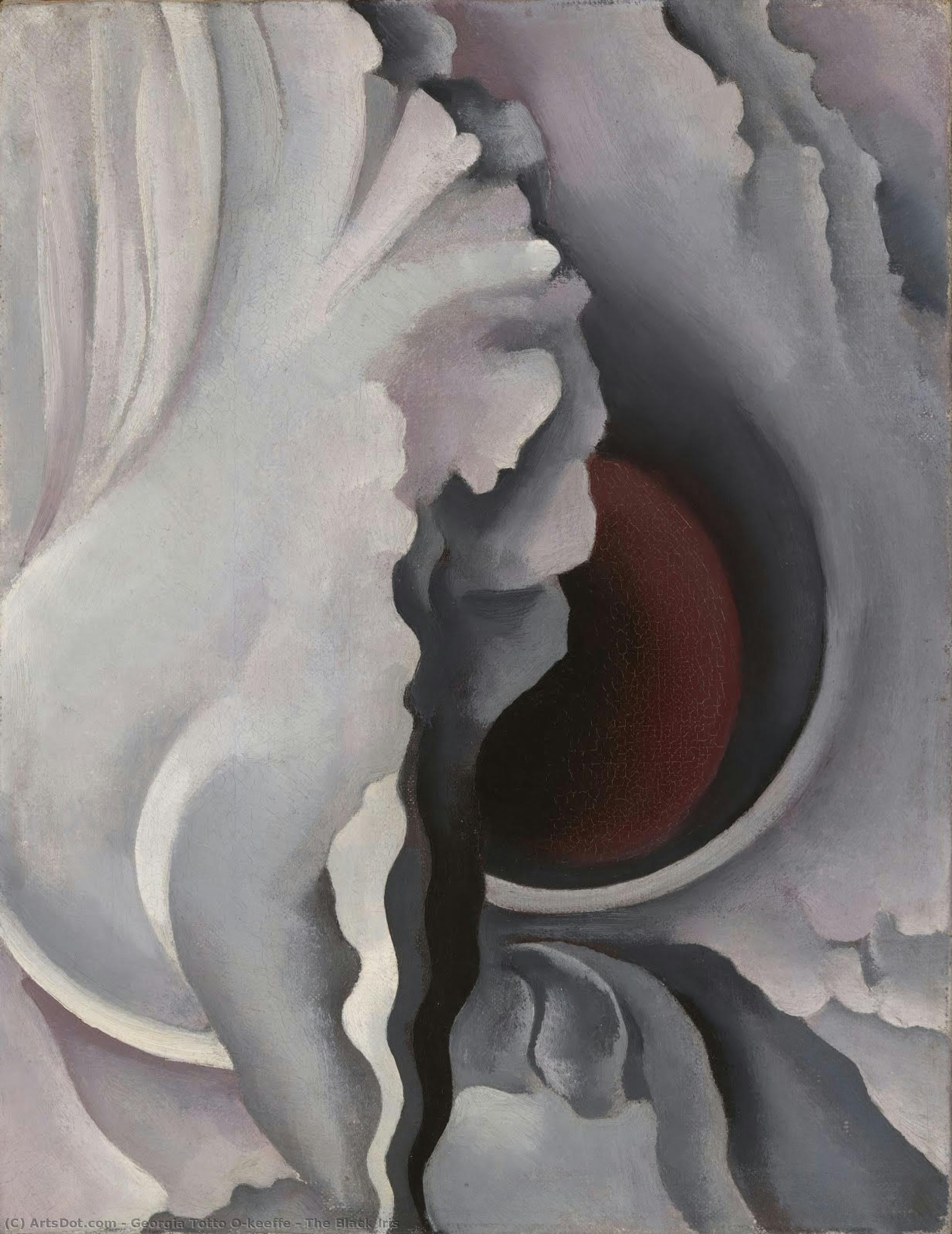
The Black Iris


 Leggi tutto
Giclée / Stampe d'arte
Stampa giclée o su tela di qualità museale, con produzione rapida e diverse opzioni di finitura. ( Acquista dipinto fatto a mano Acquista immagine)




P118B $10

P118H $10

P118W $10

P438Z $10

P508JH $12

P508YH $12

P805H $10

P805Z $10

P919BZ $10

P919G $10

P919XJ $10

P959ZH $10

P968JZ $12

W106C $8

W218G $10

W218JH $8

W218Y $10

W307PJ $10

W316G $10

W316PJ $8

W316Y $10

W398PJ $8

W4111J $10

W500HY $15

W500JH $15

W692G $12

W849H $8

W940BG $15

W953PJ $8




Scegli tra le nostre dimensioni predefinite, che rispettano le proporzioni originali dell'opera d'arte.

È possibile inserire dimensioni personalizzate per adattare l'opera a una cornice o a uno spazio specifico. Se la dimensione selezionata non corrisponde alle proporzioni dell'immagine originale, procederemo al ritaglio dell'opera o all'estensione dell'immagine con un bordo specchiato o a tinta unita. Un mockup digitale ti verrà inviato per approvazione prima dell'inizio della produzione.
Si prega di notare che l'anteprima a schermo non riflette il ritaglio o l'estensione effettivi. Solo il mockup mostrerà accuratamente la composizione finale.
Sebbene siano disponibili dimensioni personalizzate, si raccomanda di selezionare una dimensione dall'elenco predefinito per preservare le proporzioni originali.
Consegna in tutto il mondo () in 2 settimane invece delle normali 4/5 settimane. (12 Agosto)

Spedizione espressa gratuita in tutto il mondo

Tela in lino di alta qualità

Assicurazione completa sulla spedizione

Garanzia di rimborso dei dazi doganali

Garanzia di fedeltà cromatica dell'originale

Politica di reso entro 60 giorni (solo per difetti di fabbricazione)

Garanzia di rimborso al 100%

Sconto per acquisti multipli
 L'opzione vetro è disponibile solo per dimensioni inferiori a 110 cm

The Black Iris
Giclée / Stampe d'arte
Dimensioni della riproduzione
-


Prezzo totale
$ 62
Descrizione del pezzo
The Black Iris: A Study in Silence and Sensuality – Georgia O’Keeffe's Masterpiece
Georgia O’Keeffe’s “The Black Iris” is more than just a depiction of a flower; it’s an immersion into a world of distilled emotion, a testament to the artist’s profound connection with the natural world and her ability to translate that relationship onto canvas. Completed in 1926, this painting exemplifies O'Keeffe’s groundbreaking approach to American modernism – a deliberate stripping away of extraneous detail to reveal the essential forms and textures that lie beneath. The image, dominated by the intense darkness of the iris’s center and the surrounding petals, immediately draws the viewer in, creating an intimate space where contemplation and quiet observation are paramount.
The composition itself is a carefully constructed exercise in focus. O'Keeffe employs a tightly cropped perspective, filling nearly the entire frame with the flower, forcing us to confront its power directly. The curving petals guide our gaze in a circular motion, mirroring the natural unfolding of the bloom and subtly suggesting notions of growth, expansion, and perhaps even the cyclical nature of life itself. The elongated vertical emphasis adds a sense of strength and resilience, qualities often associated with O’Keeffe's subjects – particularly her flowers.
Chromatic Restraint and Dramatic Contrast
What immediately strikes the viewer is the painting’s remarkable restraint in its color palette. Primarily monochromatic, it revolves around shades of white, gray, and black, punctuated by a startlingly deep burgundy/maroon hue at the flower's core. This deliberate lack of vibrant color amplifies the impact of the central focal point, creating a dramatic contrast that commands attention. The subtle gradations within these tones – the delicate shifts in value and saturation – are crucial to building depth and dimension, giving the illusion of velvety petals and complex shadow play. It’s a masterful demonstration of how O'Keeffe used color not for decoration, but as a tool to shape perception.
Craftsmanship and the Language of Line
The surface of “The Black Iris” is alive with evidence of O’Keeffe’s meticulous technique. Visible brushstrokes are deliberately employed, creating a textured surface that invites tactile engagement – almost as if you could reach out and feel the delicate curve of each petal. Layering techniques build volume and create an incredible sense of three-dimensionality, transforming a static image into a dynamic representation of form. The artist’s use of soft, flowing lines to define the petals contrasts with the more defined edges of the darker center, further emphasizing the flower's organic structure. This careful control over line and shape is characteristic of O’Keeffe’s modernist style – a commitment to simplifying forms while retaining their essential beauty.
Symbolism and the Inner Landscape
As with many of O’Keeffe’s works, “The Black Iris” invites interpretation. The flower itself has been widely discussed in terms of its symbolic resonance. Often viewed as representations of femininity, sexuality, or inner emotions, these flowers were not merely botanical studies for O'Keeffe; they were conduits to a deeper understanding of the human condition. Linda Nochlin’s influential analysis suggests that the iris could be interpreted as a morphological metaphor for female genitalia, a provocative reading that highlights the artist’s willingness to challenge conventional notions of beauty and representation. However, O’Keeffe herself resisted such interpretations, emphasizing her intention to capture “what I saw” – a testament to her artistic independence and desire to create works that resonated with her own unique vision.
A Legacy of Vision
“The Black Iris” stands as a powerful example of Georgia O’Keeffe's enduring legacy. Created during a pivotal moment in American art history, this painting demonstrates her innovative approach to abstraction and her profound connection to the natural world. Its quiet intensity, masterful technique, and layered symbolism continue to captivate viewers today, solidifying its place as one of O’Keeffe’s most iconic works. A hand-painted reproduction offers a unique opportunity to experience the full impact of this extraordinary piece – a window into the soul of an artist who dared to see beauty in the simplest of forms.
Opere correlate


Biografia dell'artista
Primi anni e formazione (1887–1916)
Georgia Totto O'Keeffe, figura chiave del modernismo americano, nacque il 15 novembre 1887 a Sun Prairie, Wisconsin. I suoi genitori, Francis Calyxtus O’Keeffe e Ida (Totto) O’Keeffe, erano agricoltori lattiero-caseari di origine irlandese e ungherese, rispettivamente. Già all'età di 10 anni, Georgia decise di diventare un'artista. Ricevette istruzioni artistiche dalla pittrice locale di acquerelli Sara Mann e successivamente frequentò la School of the Art Institute of Chicago dal 1905 al 1906, studiando sotto John Vanderpoel. Il suo stile unico cominciò a svilupparsi durante i suoi studi all'Università della Virginia.Carriera artistica (1917–1986)
Nel 1917, Alfred Stieglitz, gallerista e fotografo, tenne una mostra dei lavori di O’Keeffe. Questo segnò l'inizio della sua carriera professionale. Si trasferì a New York su richiesta di Stieglitz e cominciò a lavorare seriamente come artista. La loro relazione professionale si trasformò in un legame personale, che portò al loro matrimonio l'11 dicembre 1924. L’arte astratta di O’Keeffe, inclusi i primi piani dei fiori come *Red Canna*, fu spesso interpretata come rappresentante di vulvi, anche se lei negò costantemente questa intenzione. Il suo lavoro fu influenzato anche dal tempo trascorso nel sud-ovest americano, che ispirò dipinti come *Cow's Skull: Red, White, and Blue (1931)* e *Summer Days (1936)*.Influenze e stile
- Alfred Stieglitz: Il suo mentore e marito, Stieglitz, ebbe un ruolo cruciale nel promuovere il lavoro di O’Keeffe e nel plasmare la sua carriera artistica. La sua visione dell'arte moderna influenzò profondamente il suo approccio alla pittura.
- Impressionismo: Sebbene O’Keeffe sia associata al modernismo, si possono notare influenze impressioniste nella sua attenzione alla luce e ai colori.
- Precisionismo: Alcune delle sue opere, come *Luce di Iris*, mostrano elementi del precisionismo, un movimento artistico che enfatizzava la chiarezza e la precisione della forma.
- Paesaggi del Sud-Ovest: I paesaggi desertici e le ossa degli animali del Nuovo Messico divennero soggetti ricorrenti nel suo lavoro, influenzando il suo stile e i suoi temi.
Riconoscimenti e eredità
Dopo la morte di Stieglitz nel 1946, O’Keeffe visse in Nuovo Messico per i successivi 40 anni. Nel 2014, il suo dipinto del 1932 *Jimson Weed/White Flower No. 1* fu venduto per $44.405.000, stabilendo un record per il prezzo più alto pagato per qualsiasi dipinto di una donna artista. Dopo la sua morte il 6 marzo 1986, fu istituito il Georgia O’Keeffe Museum a Santa Fe. Le sue opere sono esposte anche in numerosi musei, tra cui:- Georgia O'Keeffe Museum: Un museo dedicato esclusivamente alla sua opera.
- Ulteriori informazioni sui musei che espongono le sue opere.
Opere significative
- *Red Canna*: Un celebre dipinto di un fiore rosso, noto per la sua interpretazione simbolica.
- *Cow's Skull: Red, White, and Blue (1931)*: Un’opera iconica che fonde realismo e astrazione, rappresentando il paesaggio del Nuovo Messico.
- *Summer Days (1936)*: Un altro esempio della sua ispirazione dai paesaggi desertici.
- *Jimson Weed/White Flower No. 1*: Un dipinto che ha stabilito un record di prezzo per una donna artista.
- *Luce di Iris*: Un acquerello precisionista che cattura la delicatezza dei fiori.

Georgia O'Keeffe
1887 - 1986 , Stati Uniti d'America
Informazioni rapide
- Artisti Influenti: ['Alfred Stieglitz']
- Data Di Nascita: 15 novembre 1887
- Luogo Di Nascita: Sun Prairie, Stati Uniti
- Movimento Artistico: Modernismo americano
- Nazionalità: Americana
- Nome Completo: Georgia O'Keeffe
- Opere Notevoli:
- Luce di Iris
- Gigli Orientali
- Blu e Verde Musica
- Cranio di Mucca Rosso
- Sole Pallido
Articoli correlati

Georgia O'Keeffe: Simbolismo e Paesaggio Americano nella Ridefinizione del Modernismo
Esplora il simbolismo e l'innovazione di Georgia O'Keeffe, pioniera del modernismo americano. Analisi approfondita della sua arte, paesaggi iconici e influenze chiave. Scopri la sua eredità artistica.

Espressionismo Astratto: I 10 Capolavori che Hanno Definito un Movimento Artistico Rivoluzionario
Esplora i 10 capolavori dell'Espressionismo Astratto con ! Scopri Pollock, Rothko e De Kooning: storia, tecnica e significato di opere iconiche per arredare la tua casa con arte di alta qualità. Esplora la collezione online!

Astrazione Geometrica: 10 Capolavori che Hanno Definito un Movimento Artistico
Esplora i 10 capolavori dell'Astrazione Geometrica: Mondrian, Malevich e Kandinsky rivoluzionano l'arte moderna. Scopri la storia, i colori e le tecniche di questi movimenti iconici. Stampe d'arte di alta qualità su ArtsDot.com!

Kandinsky: I 25 Capolavori che Hanno Rivoluzionato l'Arte Moderna | ArtsDot
Esplora i 25 capolavori di Wassily Kandinsky, pioniere dell'arte astratta. Scopri la storia, il significato e le tecniche dietro ogni dipinto iconico. Trova riproduzioni d'arte di alta qualità per decorare la tua casa su ArtsDot.com.

Deconstructing Form & Feeling: A Comprehensive Exploration of Modernist Artworks
Explore the profound evolution of Modernist art with ArtsDot. Discover key movements like Abstract Expressionism & Analytical Realism, artist insights, and expert collecting guidance. Invest in museum-quality reproductions today.



