


 Anteprima in scala reale
 Condividi
 Condividi
 Dettagli
 Guida stampabile

 Scarica
 Articoli simili
 Radiografia
 Slideshow
 Statistiche
Tragical landscape


 Leggi tutto
L'opera d'arte visualizzata in questa pagina è protetta dalle leggi sul diritto d'autore, il che significa che non possiamo legalmente creare o vendere una riproduzione identica. Tale protezione è garantita da accordi internazionali quali la Convenzione di Berna e dalle leggi nazionali, incluse quelle stabilite da Legge sul copyright degli Stati Uniti - Titolo 17. Tutti i diritti riservati. Le immagini presenti su questo sito sono protette da copyright e non possono essere riprodotte o utilizzate senza l'autorizzazione scritta di WahooArt.com o dei rispettivi proprietari del copyright.
Questo metodo è pienamente conforme alle normative sul diritto d'autore poiché non prevede la copia o la duplicazione dell'opera protetta. Si tratta invece di una rielaborazione creativa: un nuovo dipinto che trae ispirazione dall'originale, senza tuttavia esserne identico.
Giclée / Stampe d'arte
Stampa giclée o su tela di qualità museale, con produzione rapida e diverse opzioni di finitura. ( Ordina la riproduzione dipinta a mano Passa all'immagine digitale)




P118B €10

P118H €10

P118W €10

P438Z €10

P508JH €12

P508YH €12

P805H €10

P805Z €10

P919BZ €10

P919G €10

P919XJ €10

P959ZH €10

P968JZ €12

W106C €8

W218G €10

W218JH €8

W218Y €10

W307PJ €10

W316G €10

W316PJ €8

W316Y €10

W398PJ €8

W4111J €10

W500HY €15

W500JH €15

W692G €12

W849H €8

W940BG €15

W953PJ €8




Scegli tra le nostre dimensioni predefinite, che rispettano le proporzioni originali dell'opera d'arte.

Inserisci la larghezza e l'altezza desiderate, per adattarle alla tua cornice o alla tua parete. Una stampa può essere solo ritagliata, mai resa più grande dell'immagine originale; pertanto, un formato con una forma differente comporterà la perdita di una parte dell'opera. Ti invieremo un mockup digitale da approvare prima di procedere con la stampa. L'immagine mostrata in questa pagina non rappresenta il ritaglio reale — solo il mockup lo mostra.
Consegna in tutto il mondo () in 2 settimane invece delle normali 4/5 settimane. (21 Ottobre)

Spedizione espressa gratuita in tutto il mondo

Tela in lino di alta qualità

Assicurazione completa sulla spedizione

Garanzia di rimborso dei dazi doganali

Garanzia di perfetta fedeltà cromatica

Politica di reso entro 100 giorni (solo per difetti di fabbricazione)

Garanzia di rimborso al 100%

Sconto per acquisti multipli
 L'opzione vetro è disponibile solo per dimensioni inferiori a 110 cm

Tragical landscape
Giclée / Stampe d'arte
Dimensioni della riproduzione
-


Prezzo totale
€ 54
Tragical Landscape by Georges Rouault: A Descent into Emotion
Georges Rouault’s “Tragical Landscape” is not merely a depiction of a scene; it's an immersion in profound sorrow and contemplation, a testament to the artist’s deeply rooted empathy for human suffering. Painted around 1936, this work exemplifies Rouault’s distinctive style – a potent blend of Fauvist color theory and Expressionist emotional intensity – offering a glimpse into the soul of a man wrestling with weighty themes. The painting immediately commands attention through its bold, almost jarring, palette: dark, brooding backgrounds punctuated by flashes of red, suggesting both danger and perhaps a desperate yearning for light or redemption. This deliberate contrast is characteristic of Rouault’s approach, designed to evoke a visceral response in the viewer rather than simply offering a realistic representation.
At its heart, the painting centers on a solitary figure – a man wearing a white hat or head covering – positioned within this turbulent landscape. The figure's downturned mouth and thoughtful gaze speak volumes of quiet despair, a sense of isolation amplified by the vastness and darkness surrounding them. Rouault’s masterful use of loose brushstrokes contributes significantly to the painting’s emotional impact; they aren’t meticulously rendered details but rather expressive marks that convey movement, feeling, and an underlying current of unease. The ambiguity of the landscape itself – a metaphorical “tragical landscape” rather than a literal one – adds another layer of interpretation. It could represent the internal turmoil of the individual, or perhaps a broader commentary on human vulnerability and loss.
The Rouault Aesthetic: Lead and Light
Understanding Georges Rouault’s artistic process is key to appreciating “Tragical Landscape.” His early apprenticeship as a glass painter profoundly shaped his style. As detailed in numerous sources, including the Metropolitan Museum of Art's collection notes, this experience instilled within him a fascination with luminous color contained within dark outlines – a technique reminiscent of stained glass. This influence manifests powerfully here; the heavy black contours framing the vibrant color fields create a dramatic tension, drawing the eye to the central figure while simultaneously emphasizing the surrounding darkness. It’s a deliberate strategy that echoes medieval artistry and adds a layer of spiritual depth to the work.
The use of red, particularly in the upper left corner, is not accidental. Rouault frequently employed this color to represent passion, sacrifice, or even blood – potent symbols within his deeply Catholic worldview. The subtle reflection hinted at by the red could be interpreted as a glimmer of hope amidst the gloom, or perhaps simply the harsh glare of an unforgiving light.
Historical Context and Artistic Influences
"Tragical Landscape" was created during a period of significant artistic experimentation in France. Rouault’s work aligns with both Fauvism – known for its unrestrained use of color – and Expressionism, which prioritized emotional expression over objective representation. While he initially embraced the boldness of the Fauves, his later works demonstrate a more profound engagement with the psychological intensity championed by Expressionists like Van Gogh. As documented in Wikipedia, Rouault’s childhood experiences, including witnessing the bombardment of Paris during the Commune, undoubtedly informed his artistic vision and fueled his empathy for the marginalized.
The painting's creation coincided with Rouault's deepening spiritual convictions, further enriching its symbolic resonance. His exploration of themes related to suffering, faith, and human nature cemented his legacy as one of the 20th century’s most poignant and emotionally resonant artists. The Robert Lehman Collection acquisition in 1975 ensures this powerful work continues to captivate audiences today.
A Timeless Exploration of Human Emotion
"Tragical Landscape" is more than just a beautiful painting; it's an invitation to contemplate the complexities of human emotion and experience. Rouault’s masterful use of color, composition, and brushwork creates a truly immersive work that resonates with viewers on a deeply personal level. Whether you are an art collector seeking a significant piece of 20th-century history or an interior designer looking for a statement artwork to evoke contemplation and emotion, this painting offers a unique opportunity to own a piece of artistic genius.
Domande e risposte
In quale stanza si consiglia di esporre "Tragical landscape" di Georges Rouault?
Una riproduzione di "Tragical landscape" si adatta perfettamente a un/una Living Room.
Qual è il posto di "Tragical landscape" di Georges Rouault nella storia dell'arte?
Storicamente, "Tragical landscape" è un'opera Fauvism appartenente alla più ampia epoca 19th Century.
In che modo "Tragical landscape" si inserisce nei temi e nello stile di Georges Rouault?
"Tragical landscape" condivide con le altre opere di Georges Rouault lo stile Fauvism e i temi ricorrenti: stained glass influence, catholic faith, marginalized figures, social critique, fauvist color, emotional impact, rouault’s spiritual exploration, symbolism.
Opere correlate


![Study For A Portrait [looking Left], — Francis Bacon, Expressionistic](/media/artworks/images-thumb/97/4b/974b1bb96876baa8310e66cb870c41f5.jpg)


Biografia dell'artista
La Primi Anni e la Formazione
Georges Henri Rouault, pittore, disegnatore e incisore francese, nacque a Parigi il 27 maggio 1871, in una famiglia modesta. Sua madre incoraggiò il suo amore per le arti e, all'età di 14 anni, iniziò un apprendistato come vetraio e restauratore, che durò fino al 1890. Questa esperienza precoce influenzò probabilmente il suo stile pittorico maturo, caratterizzato da contorni neri pesanti e colori brillanti, reminiscenti del vetro piombato.La Carriera Artistica
Durante il suo apprendistato, Rouault frequentò corsi serali alla scuola di belle arti e successivamente entrò all'École des Beaux-Arts nel 1891, dove studiò sotto Gustave Moreau. I suoi primi lavori mostrano un simbolismo nell'uso del colore, riflettendo l'influenza di Moreau. Dopo la morte di Moreau nel 1898, Rouault fu nominato curatore del museo Moreau a Parigi.Fauvismo ed Espressionismo
Rouault incontrò artisti importanti come Henri Matisse, Albert Marquet, Henri Manguin e Charles Camoin, il che lo portò al movimento Fauvista, con Matisse come leader. Il suo uso di contrasti netti ed emotività fu influenzato da Vincent van Gogh. Le sue caratterizzazioni di personalità grottesche enfatizzate ispirarono i pittori espressionisti.Opere Notabili e Mostre
* Nel 1891, Rouault dipinse "La Via della Croce". * A partire dal 1895, partecipò a importanti mostre pubbliche, tra cui il Salon d'Automne, che contribuì a fondare. * Nel 1907, Rouault intraprese una serie di dipinti dedicati a cortigiane, clown e prostitute, interpretati come critica morale e sociale.- Movimento Post-Impressionista
- Le opere di Georges Rouault su ArtsDot.com
- Georges Rouault su Wikipedia
Eredità e Vita Successiva
Rouault si dedicò alla pittura dal 1917, con la fede cristiana che informava il suo lavoro. Creò disegni per il balletto "Il Figliol Prodigo" di Diaghilev nel 1929. Nel 1930, iniziò a esporre in paesi stranieri, principalmente a Londra, New York e Chicago. Rouault morì a Parigi il 13 febbraio 1958, lasciando dietro di sé un'eredità come uno dei più appassionati artisti cristiani del XX secolo. Importante: Alla fine della sua vita, Rouault bruciò 300 delle sue opere, stimate valere oltre cinquecento milioni di franchi oggi.
Georges Rouault
1871 - 1958 , Francia
Informazioni rapide
- Artisti Influenti:
- Gustave Moreau
- Vincent van Gogh
- Henri Matisse
- Artisti Influenzati: ['Espressionisti']
- Data Di Nascita: 27 maggio 1871
- Luogo Di Nascita: Parigi, Francia
- Movimento Artistico: Espressionismo, Fauvismo
- Nazionalità: Francese
- Nome Completo: Georges Rouault
- Opere Notevoli:
- La via della calvario
- Dame Du Haut-Quartier
Articoli correlati

Georges Seurat: I 25 Capolavori che Rivoluzionarono la Pittura | ArtsDot
Esplora i 25 capolavori di Georges Seurat, il maestro del Pointillismo. Scopri la storia, le tecniche e l'emozione dietro dipinti iconici come 'Un dimanche à la Grande Jatte'. Trova riproduzioni d'arte di alta qualità per decorare casa tua su ArtsDot.com.
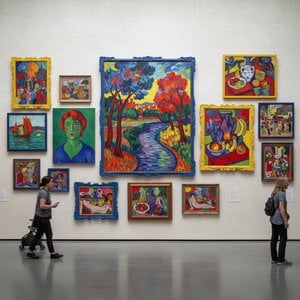
I 10 Capolavori Fauvisti che Hanno Rivoluzionato l'Arte Moderna |
Esplora i 10 capolavori Fauvismo di Matisse, Derain e Vlaminck. Scopri la storia, i colori audaci e l'impatto di questo rivoluzionario movimento artistico. Riproduzioni d'arte di alta qualità su .

Opere d'Arte Audaci: I Capolavori che Definiscono un Carattere Forte | ArtsDot
Esplora 10 opere d'arte audaci che esprimono forza e passione! Da Van Gogh a Frida Kahlo, scopri la storia, i colori e le emozioni dietro capolavori iconici. Trova stampe di alta qualità per arredare con personalità su ArtsDot.com.

Georges Braque: I 25 Capolavori che Hanno Rivoluzionato l'Arte Moderna | ArtsDot
Esplora i 25 capolavori di Georges Braque, pioniere del Cubismo. Scopri la storia, le tecniche e l'impatto di opere iconiche come 'The Patience'. Trova riproduzioni d'arte di alta qualità per decorare casa tua su ArtsDot.com.

I 10 Capolavori del Paesaggio Romantico: Arte, Storia e Decorazioni di Lusso
Esplora i 10 capolavori del Paesaggio Romantico con ArtsDot.com! Caspar David Friedrich, Turner e altri maestri: storia, tecnica e colori che definiscono un'epoca. Trova riproduzioni d'arte di lusso per la tua casa. Scopri la collezione completa online!


