Anteprima in scala reale
 Condividi
 Condividi
 Dettagli

 Scarica immagine
 Articoli simili
 Radiografia
 Slideshow
The Sideshowed

 Leggi tutto
Giclée / Stampe d'arte
Stampa giclée o su tela di qualità museale, con produzione rapida e diverse opzioni di finitura. ( Acquista dipinto fatto a mano Acquista immagine)




P118B $10

P118H $10

P118W $10

P438Z $10

P508JH $12

P508YH $12

P805H $10

P805Z $10

P919BZ $10

P919G $10

P919XJ $10

P959ZH $10

P968JZ $12

W106C $8

W218G $10

W218JH $8

W218Y $10

W307PJ $10

W316G $10

W316PJ $8

W316Y $10

W398PJ $8

W4111J $10

W500HY $15

W500JH $15

W692G $12

W849H $8

W940BG $15

W953PJ $8




Scegli tra le nostre dimensioni predefinite, che rispettano le proporzioni originali dell'opera d'arte.

È possibile inserire dimensioni personalizzate per adattare l'opera a una cornice o a uno spazio specifico. Se la dimensione selezionata non corrisponde alle proporzioni dell'immagine originale, procederemo al ritaglio dell'opera o all'estensione dell'immagine con un bordo specchiato o a tinta unita. Un mockup digitale ti verrà inviato per approvazione prima dell'inizio della produzione.
Si prega di notare che l'anteprima a schermo non riflette il ritaglio o l'estensione effettivi. Solo il mockup mostrerà accuratamente la composizione finale.
Sebbene siano disponibili dimensioni personalizzate, si raccomanda di selezionare una dimensione dall'elenco predefinito per preservare le proporzioni originali.
Consegna in tutto il mondo () in 2 settimane invece delle normali 4/5 settimane. (12 Agosto)

Spedizione espressa gratuita in tutto il mondo

Tela in lino di alta qualità

Assicurazione completa sulla spedizione

Garanzia di rimborso dei dazi doganali

Garanzia di fedeltà cromatica dell'originale

Politica di reso entro 60 giorni (solo per difetti di fabbricazione)

Garanzia di rimborso al 100%

Sconto per acquisti multipli
 L'opzione vetro è disponibile solo per dimensioni inferiori a 110 cm

The Sideshowed
Giclée / Stampe d'arte
Dimensioni della riproduzione
-


Prezzo totale
$ 62
Descrizione del pezzo
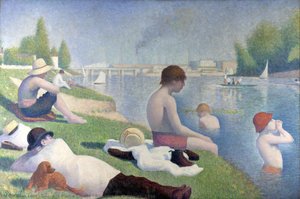
A Symphony of Light and Illusion: Exploring Georges Seurat’s ‘Circus Sideshow’
Georges Pierre Seurat's “Circus Sideshow,” completed in 1888, stands as a cornerstone of Post-Impressionism and a testament to the revolutionary approach he brought to painting. More than just a depiction of a circus performance, it embodies Seurat’s meticulous dedication to scientific observation combined with an artistic vision that sought to capture not merely what was seen but how light itself transformed reality—a pursuit that cemented his place as one of the fathers of Pointillism. This artwork resides within the Metropolitan Museum of Art's collection, offering visitors a chance to immerse themselves in the brilliance of this singular masterpiece.The Science Behind Beauty: Pointillist Technique
Seurat’s groundbreaking technique wasn’t simply about applying dots of color; it was rooted in optical theory championed by Eugène Chevreuil and Michel Guérard Gouraud. Rejecting Impressionism's blending of colors on the canvas, Seurat painstakingly applied tiny, unmixed pigment dots—primarily calibrated shades of yellow ochre, cadmium red, ultramarine blue, and white—to create an illusion of luminosity and depth. Each dot acted as a receptor for light, stimulating the eye’s ability to synthesize color and texture, resulting in an astonishingly vibrant image that defies conventional painting methods. This scientific underpinning underscores Seurat's belief that art should strive for objective representation rather than subjective interpretation.A Stage Illuminated: Contextualizing ‘Circus Sideshow’
Painted during a period of intense artistic experimentation, “Circus Sideshow” reflects the broader fascination with spectacle and illusion prevalent in Parisian society at the time. The circus itself served as a symbol of entertainment, exoticism, and social mobility—themes that resonated deeply within the intellectual circles of Impressionists and Post-Impressionists alike. Seurat’s choice to portray a circus performance wasn't arbitrary; it allowed him to explore how light interacts with surfaces and how color contributes to creating an immersive experience for the viewer. The photograph accompanying this artwork provides valuable insight into the setting and atmosphere of the era.Symbolism Within Precision: Decoding Visual Elements
Beyond its technical brilliance, “Circus Sideshow” is rich in symbolic elements that invite contemplation. The woman onstage embodies grace and poise, representing a figure of authority or perhaps aspiration—a deliberate contrast to the more passive observers surrounding her. The crowd’s varied expressions convey a spectrum of emotions: engagement, indifference, and wonder—reflecting the multifaceted nature of human experience. Seurat's careful composition directs the viewer’s gaze across the canvas, emphasizing the interplay between light and color and reinforcing the artwork’s overarching message about perception and illusion.Emotional Resonance: Capturing Light’s Transformative Power
Ultimately, “Circus Sideshow” succeeds in conveying a profound emotional impact—a feeling of excitement and anticipation fueled by the spectacle unfolding before us. Seurat's masterful manipulation of color achieves this effect not through blending but through layering dots of pigment to create an astonishingly luminous surface that seems to shimmer with life. The artwork’s enduring appeal lies in its ability to transport viewers back to a pivotal moment in art history and to inspire them with the beauty of scientific precision combined with artistic sensitivity. Investing in a high-quality reproduction allows you to experience this iconic masterpiece firsthand, preserving its legacy for generations to come.Opere correlate


Biografia dell'artista
Georges Pierre Seurat: Un Pioniere del Neoimpressionismo
Primi Anni di Vita e Formazione
- Nato il: 2 dicembre 1859 a Parigi, Francia.
- La famiglia di Seurat si trasferì sul Boulevard de Magenta poco dopo la sua nascita.
- Suo padre, Antoine Chrysostome Seurat, era un ex funzionario legale che divenne ricco grazie alla speculazione immobiliare.
- Iniziò il suo addestramento artistico all'École Municipale di Scultura e Disegno, vicino a casa sua, sotto lo scultore Justin Lequien.
- Nel 1878, si iscrisse alla prestigiosa École des Beaux-Arts, studiando sotto Henri Lehmann.
Sviluppo Artistico e Influenze
- La personalità artistica di Seurat era un'affascinante combinazione di sensibilità e astrazione logica. Combinava una delicata sensibilità con la precisione matematica.
- Influenze: Mentre le influenze specifiche sono dibattute, studiò le teorie del colore degli scienziati come Michel Eugène Chevreul e Ogden Rood.
- Inizialmente sperimentò tecniche di disegno tradizionali prima di sviluppare il suo stile distintivo.
- Le sue opere giovanili mostrano interesse per la pittura accademica ma si sono gradualmente spostate verso un approccio più innovativo.
Chromoluminarismo e Puntinismo
- Seurat ideò le tecniche di chromoluminarismo (la scienza del colore) e puntinismo, applicando piccoli punti distinti di puro colore su una tela.
- Utilizzava il Conté crayon per disegni dettagliati su carta con superfici ruvide come parte del suo processo.
- Obiettivo del Puntinismo: L'idea era che l'occhio dello spettatore avrebbe mescolato questi colori otticamente, creando un effetto vibrante e luminoso.
Realizzazioni Principali e Opere Notevoli
- Un pomeriggio di domenica sull’isola della Grande Jatte (1884-1886): Il suo lavoro più famoso, che segna l'inizio del Neoimpressionismo. Esemplifica la sua tecnica puntinista e il suo approccio meticoloso.
- Alfalfa, Saint-Denis (1886-1887): Dimostra la sua applicazione della teoria del colore a un paesaggio rurale.
- Paesaggio a Saint-Ouen (1882-1883): Un esempio precoce che mostra il suo stile in evoluzione e il suo interesse per la luce e l'atmosfera.
- La Torre Eiffel (1889): Una rappresentazione dell’iconico monumento parigino, resa con tecniche puntilliste.
- Bagnanti ad Asnières (1884): Un altro lavoro significativo che esplora il tempo libero e la vita moderna con il suo stile distintivo.
Significato Storico ed Eredità
- Il lavoro di Seurat ha influenzato profondamente lo sviluppo dell'arte moderna, in particolare attraverso l'enfasi sull'espressione soggettiva ed esplorazione di nuove tecniche.
- Ha aperto la strada: Ha aperto la strada a movimenti come il Fauvismo, il Cubismo e l’Espressionismo astratto.
- Il suo approccio scientifico alla pittura ha sfidato le convenzioni artistiche tradizionali.
- Nonostante la sua breve vita (morì all'età di 31 anni), Seurat ha lasciato un segno indelebile nella storia dell’arte, ispirando generazioni di artisti con la sua visione innovativa.

Georges Pierre Seurat
1859 - 1891 , Francia
Informazioni rapide
- Artistic Movement Or Style: Neo-Impressionismo, Puntinismo
- Artists Or Movements Influenced By This Artist:
- Fauvismo
- Cubismo
- Espressionismo astratto
- Artists Who Influenced This Artist:
- Michel Eugène Chevreul
- Ogden Rood
- Date Of Birth: 2 dicembre 1859
- Full Name: Georges Pierre Seurat
- Nationality: Francese
- Notable Artworks:
- Una domenica a La Grande Jatte
- Bagnanti ad Asnières
- La Torre Eiffel
- Alfalfa, Saint-Denis
- Place Of Birth (City And Country): Parigi, Francia
Articoli correlati

Paul Signac: Puntinismo, Politica e la Ricerca dell'Armonia nell'Arte Moderna
Esplora il puntinismo e il divisionismo con ArtsDot. Scopri la rivoluzione tecnica di Seurat, l'impegno politico di Signac e la ricerca dell'armonia nell'arte moderna. Approfondimenti storici e analisi approfondite.

Georges Seurat e il Pointillismo: Percezione Visiva e Fondamenti Scientifici dell'Arte Moderna
Esplora il rivoluzionario mondo del Pointillismo di Georges Seurat e del Neoimpressionismo italiano. Approfondisci la scienza del colore, le tecniche divisioniste e l'impatto duraturo sull'arte moderna.

Beyond Impressionism: Exploring Emotional Depth & Formal Innovation in Post-Impressionist Art
Explore the profound emotional depth & formal innovations of Post-Impressionism with our expert guide. Discover Cézanne, Van Gogh, Gauguin & more. Learn about art history, collecting, and investing in this pivotal movement.

Georges Seurat: I 25 Capolavori che Rivoluzionarono la Pittura | ArtsDot
Esplora i 25 capolavori di Georges Seurat, il maestro del Pointillismo. Scopri la storia, le tecniche e l'emozione dietro dipinti iconici come 'Un dimanche à la Grande Jatte'. Trova riproduzioni d'arte di alta qualità per decorare casa tua su ArtsDot.com.

John George Brown: Uno sguardo intimo sull'America del XIX secolo attraverso la pittura di genere
Scopri la vita e le opere di John George Brown, maestro del realismo americano. Analisi approfondita della sua pittura di genere, i suoi soggetti iconici e l'influenza sulla storia dell'arte americana.