

 Anteprima in scala reale
 Condividi
 Condividi
 Dettagli

 Scarica immagine
 Articoli simili
 Radiografia
 Slideshow
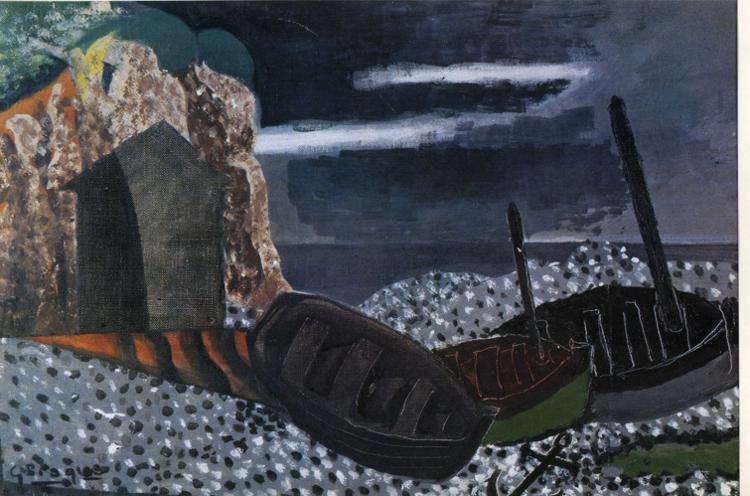
The Three Boats
 Oil On Canvas
- WallArt
- Cubism
 1929
1929 24.0 x 35.0 cm
 Leggi tutto
Giclée / Stampe d'arte
Stampa giclée o su tela di qualità museale, con produzione rapida e diverse opzioni di finitura. ( Passa alla versione dipinta a mano Passa all'immagine)




P118B $10

P118H $10

P118W $10

P438Z $10

P508JH $12

P508YH $12

P805H $10

P805Z $10

P919BZ $10

P919G $10

P919XJ $10

P959ZH $10

P968JZ $12

W106C $8

W218G $10

W218JH $8

W218Y $10

W307PJ $10

W316G $10

W316PJ $8

W316Y $10

W398PJ $8

W4111J $10

W500HY $15

W500JH $15

W692G $12

W849H $8

W940BG $15

W953PJ $8




Scegli tra le nostre dimensioni predefinite, che rispettano le proporzioni originali dell'opera d'arte.

È possibile inserire dimensioni personalizzate per adattare l'opera a una cornice o a uno spazio specifico. Se la dimensione selezionata non corrisponde alle proporzioni dell'immagine originale, procederemo al ritaglio dell'opera o all'estensione dell'immagine con un bordo specchiato o a tinta unita. Un mockup digitale ti verrà inviato per approvazione prima dell'inizio della produzione.
Si prega di notare che l'anteprima a schermo non riflette il ritaglio o l'estensione effettivi. Solo il mockup mostrerà accuratamente la composizione finale.
Sebbene siano disponibili dimensioni personalizzate, si raccomanda di selezionare una dimensione dall'elenco predefinito per preservare le proporzioni originali.
Consegna in tutto il mondo () in 2 settimane invece delle normali 4/5 settimane. (11 Agosto)

Spedizione espressa gratuita in tutto il mondo

Tela in lino di alta qualità

Assicurazione completa sulla spedizione

Garanzia di rimborso dei dazi doganali

Garanzia di fedeltà cromatica dell'originale

Politica di reso entro 60 giorni (solo per difetti di fabbricazione)

Garanzia di rimborso al 100%

Sconto per acquisti multipli
 L'opzione vetro è disponibile solo per dimensioni inferiori a 110 cm

The Three Boats
Giclée / Stampe d'arte
Dimensioni della riproduzione
-


Prezzo totale
$ 63
Descrizione del pezzo
A Stormy Vision of the Coastline
Georges Braque’s “The Three Boats” (1929) isn't merely a depiction of a coastal scene; it’s an immersion into a mood, a palpable sense of drama and isolation. Painted during a pivotal period in his artistic evolution, this oil on canvas captures the raw power of nature against a backdrop of muted blues and greys – colors that speak of impending storm or a lingering twilight. The composition immediately draws the eye to the turbulent sea, dominated by three small boats seemingly adrift amidst the churning waves. These aren’t idyllic vessels; they are humble craft, vulnerable yet resilient, hinting at the lives inextricably linked to this rugged coastline.
The painting's strength lies not in photographic realism but in Braque’s masterful manipulation of form and color. He employs a distinctly Expressionist approach, prioritizing emotional impact over precise detail. The boats themselves are rendered with simplified geometric shapes – rectangles and ovals – that contribute to the overall sense of dynamism and movement. The rocky shoreline is similarly abstracted, its jagged edges defined by bold, assertive lines. This deliberate flattening of perspective creates an almost theatrical stage for the drama unfolding before us.
Cubism’s Echoes and a Shift in Perspective
“The Three Boats” firmly resides within the burgeoning world of Cubism, though it moves beyond its purely analytical roots. Braque, alongside Pablo Picasso, was dismantling traditional notions of representation, fracturing objects into geometric components and presenting them from multiple viewpoints simultaneously. However, unlike some of Picasso’s more overtly intellectual explorations, Braque's work retains a strong connection to the natural world. He doesn’t simply dissect forms; he uses these fragmented shapes to evoke feeling – a sense of unease, perhaps, or the humbling power of the sea.
The painting’s historical context is crucial to understanding its significance. The 1920s were a time of rapid social and artistic change in Europe, marked by disillusionment after World War I and a growing interest in exploring subjective experience. Braque's work reflects this spirit of experimentation, pushing the boundaries of traditional art while retaining a deep appreciation for the beauty and power of the natural world.
Symbolism and Emotional Resonance
Beyond its formal qualities, “The Three Boats” is rich in symbolic meaning. The boats themselves can be interpreted as metaphors for human vulnerability and resilience – small vessels confronting the vastness and unpredictability of life. The stormy sky suggests challenges and uncertainties, while the quiet stillness of the shoreline offers a hint of solace or contemplation. The limited color palette—primarily blues, greys, and browns—reinforces this sense of melancholy and introspection.
Braque’s use of thick impasto – applying paint in heavy layers – adds to the painting's tactile quality and emotional intensity. The visible brushstrokes create a sense of immediacy and energy, as if the artist himself was wrestling with the subject matter. The textured surface invites viewers to engage physically with the artwork, further enhancing its immersive effect.
A Timeless Masterpiece for Art Lovers
“The Three Boats” is more than just a painting; it’s an experience. It's a powerful evocation of coastal drama, rendered with Braque’s signature blend of geometric precision and expressive emotion. Whether you are an art enthusiast, a collector seeking to enrich your collection, or an interior designer searching for a captivating piece to complement your space, this work offers a timeless appeal. Reproductions capture the essence of this dramatic scene, bringing its evocative power into any setting.
Opere correlate


Biografia dell'artista
**primi anni di vita e formazione**
Georges Braque, un illustre pittore francese, collageur, disegnatore, stampatore e scultore, nacque il 13 maggio 1882 ad Argenteuil, Val-d'Oise. È cresciuto a Le Havre e inizialmente si è formato per diventare pittore di facciate e decoratore come suo padre e nonno. Tuttavia, le inclinazioni artistiche di Braque lo hanno portato a studiare pittura all’École des Beaux-Arts a Le Havre dal 1897 al 1899.**evoluzione artistica e fauvismo**
Nel 1902, dopo aver completato il suo apprendistato con un decoratore a Parigi, Braque ha frequentato l'Académie Humbert fino al 1904. Questo periodo ha segnato la sua introduzione al fauvismo, uno stile caratterizzato da colori vivaci e risposte emotive. Influenzato dalle opere di Henri Matisse e André Derain, Braque ha adottato un approccio fauvista, come si può vedere nel suo dipinto La Pazienza (fauvismo, olio su tela).**contributo al cubismo**
La collaborazione di Braque con Pablo Picasso dal 1908 al 1912 ha portato allo sviluppo del cubismo. Le loro opere cubiste analitiche, come Georges Braque: La Pazienza e Pablo Picasso: Clarinet(cubismo analitico, olio su tela), sono oggi considerate pietre miliari della storia dell'arte.**eredità e opere notevoli**
* Le Case all’Éstaque: una testimonianza dell'uso innovativo di geometria e prospettiva simultanea da parte di Braque. * La Pazienza(fauvismo, olio su tela): dimostra lo stile fauvista di Braque. * Clarinet(cubismo analitico, olio su tela): un'opera cubista collaborativa con Picasso.**musei e collezioni**
* Musée d’Orsay: presenta una vasta collezione di arte impressionista e post-impressionista, inclusi lavori di Braque. * Musée de l’Orangerie: espone una vasta gamma di opere d'arte, inclusi quelle di Braque e altri artisti notevoli.- Scopri di più sulla vita e sull'opera di Georges Braque su ArtsDot.com
- Esplora la collezione del Musée d’Orsay, che include opere di Braque e altri artisti, su Musée d'Orsay - Wikipedia
- Impara di più sul fauvismo e sulla sua influenza sullo sviluppo del cubismo con Fauvismo - movimento artistico su ArtsDot.com

Georges Braque
1882 - 1963 , Francia
Informazioni rapide
- Artisti Influenti:
- Henri Matisse
- André Derain
- Paul Cézanne
- Artisti Influenzati: ['Pablo Picasso']
- Data Di Nascita: 13 maggio 1882
- Luogo Di Nascita: Argenteuil, Francia
- Movimento Artistico: Cubismo, Fauvismo
- Nazionalità: Francese
- Nome Completo: Georges Braque
- Opere Notevoli:
- Case a L'Estaque
- La Pazienza (fauvista)
- Chitarra, Frutta e Brocca
- Natura morta con Bass
Articoli correlati

Georges Braque: I 25 Capolavori che Hanno Rivoluzionato l'Arte Moderna | ArtsDot
Esplora i 25 capolavori di Georges Braque, pioniere del Cubismo. Scopri la storia, le tecniche e l'impatto di opere iconiche come 'The Patience'. Trova riproduzioni d'arte di alta qualità per decorare casa tua su ArtsDot.com.

Georges Seurat: I 25 Capolavori che Rivoluzionarono la Pittura | ArtsDot
Esplora i 25 capolavori di Georges Seurat, il maestro del Pointillismo. Scopri la storia, le tecniche e l'emozione dietro dipinti iconici come 'Un dimanche à la Grande Jatte'. Trova riproduzioni d'arte di alta qualità per decorare casa tua su ArtsDot.com.

I 10 Capolavori del Paesaggio: Arte, Storia e Decorazioni Raffinate | ArtsDot
Esplora i 10 capolavori del paesaggio artistico! Da Monet a Van Gogh, scopri la storia e le tecniche dietro quadri iconici. Trova stampe su tela di alta qualità per decorare casa con arte e stile. Scopri tutte le opere su ArtsDot.com

Redefining Nature: A Collector's Guide to the Geometric Beauty of Cubist Landscapes
Explore the revolutionary world of Cubist landscapes. Discover how masters like Picasso and Braque redefined nature through geometric beauty, and learn expert tips for curating these transformative masterpieces in your modern home collection.

I 10 Capolavori del Paesaggio Romantico: Arte, Storia e Decorazioni di Lusso
Esplora i 10 capolavori del Paesaggio Romantico con ArtsDot.com! Caspar David Friedrich, Turner e altri maestri: storia, tecnica e colori che definiscono un'epoca. Trova riproduzioni d'arte di lusso per la tua casa. Scopri la collezione completa online!



