


 Anteprima in scala reale
 Invia
Invia Condividi
 Dettagli opera

 Scarica immagine
 Simili
 Radiografia
 Slideshow
The Green Jug
 Acrylic
- WallArt
- Analytical Cubism
 1914
1914 17.0 x 24.0 cm
 Espandi i dettagli
Riproduzione a olio fatta a mano
Olio su tela dipinto a mano nelle tue dimensioni e con la tua cornice, realizzato su ordinazione dai nostri artisti. ( Acquista stampa Acquista immagine)




P118B $10

P118H $10

P118W $10

P438Z $10

P508JH $12

P508YH $12

P805H $10

P805Z $10

P919BZ $10

P919G $10

P919XJ $10

P959ZH $10

P968JZ $12

W106C $8

W218G $10

W218JH $8

W218Y $10

W307PJ $10

W316G $10

W316PJ $8

W316Y $10

W398PJ $8

W4111J $10

W500HY $15

W500JH $15

W692G $12

W849H $8

W940BG $15

W953PJ $8




Scegli tra le nostre dimensioni predefinite, che rispettano le proporzioni originali dell'opera d'arte.

È possibile inserire dimensioni personalizzate per adattare l'opera a una cornice o a uno spazio specifico. Se la dimensione selezionata non corrisponde alle proporzioni dell'immagine originale, provvederemo a ritagliare l'opera o a estendere il dipinto con elementi aggiuntivi dipinti a mano. Un mockup digitale ti sarà inviato per approvazione prima dell'inizio della produzione.
Si prega di notare che l'anteprima a schermo non riflette il ritaglio o l'estensione effettivi. Solo il mockup mostrerà accuratamente la composizione finale.
Sebbene siano disponibili dimensioni personalizzate, consigliamo di selezionare una dimensione dall'elenco predefinito per preservare le proporzioni originali.
Dopo l'ordine, il team di ArtsDot.com contatterà il cliente via e-mail per le istruzioni e fornirà un'anteprima del mockup
Consegna in tutto il mondo () in 3/4 settimane anziché nelle normali 5 settimane. (23 Agosto). Nessun compromesso sulla qualità.

Spedizione espressa gratuita in tutto il mondo

Tela in lino di alta qualità

Assicurazione completa sulla spedizione

Garanzia di rimborso dei dazi doganali

Garanzia di fedeltà cromatica

Politica di reso entro 60 giorni (solo per difetti di fabbricazione)

Garanzia di rimborso al 100%

Offerta per acquisti multipli
 L'opzione vetro è disponibile solo per dimensioni inferiori a 110 cm

The Green Jug
Tecnica di riproduzione
Dimensioni riproduzione
-


Prezzo totale calcolato
$ 263
Descrizione dell'opera
Georges Braque’s “The Green Jug”: A Fragment of Cubist Exploration
- Subject Matter and Composition:
- Cubist Style and Technique:
- Historical Context – The Birth of Modern Art:
- Symbolism Within the Still Life:
- Emotional Resonance and Artistic Legacy:
Subject Matter and Composition
Georges Braque’s “The Green Jug,” painted in 1914, exemplifies the core tenets of Cubist art. Unlike traditional depictions prioritizing realistic representation, this artwork presents a fragmented view of an everyday object—a simple ceramic jug—challenging viewers to reconsider their perception of form and space. The composition is deliberately asymmetrical, emphasizing Braque’s fascination with dissecting visual reality into geometric planes. Notice how the jug dominates the canvas, occupying approximately half its surface area, yet it's not rendered in a unified manner. Instead, it’s broken down into interlocking cubes and facets that overlap and intersect, creating an illusion of depth without resorting to conventional perspective. The inclusion of a chair and dining table adds to the scene’s complexity, grounding the jug within a domestic setting but simultaneously disrupting any sense of comfortable familiarity.Cubist Style and Technique
Braque's mastery of Cubist technique is evident in every brushstroke. He employed a palette knife alongside traditional brushes, applying thick impasto—textured paint—to build up sculptural surfaces that mimic the physicality of the object being depicted. This approach departs dramatically from Impressionism’s focus on capturing fleeting impressions of light and color; instead, Braque sought to represent objects as they appear simultaneously from multiple viewpoints. The green glaze of the jug itself is rendered in muted tones, contributing to the overall tonal harmony of the painting. Furthermore, Braque meticulously analyzed the optical properties of pigment, experimenting with simultaneous juxtaposition—the placement of colors that appear to coexist on a single plane—a technique pioneered by Picasso and himself. This meticulous attention to detail underscores Braque’s commitment to pushing the boundaries of artistic convention.Historical Context – The Birth of Modern Art
“The Green Jug” emerged during a pivotal moment in art history—the early years of the 20th century, coinciding with the burgeoning influence of movements like Futurism and Dada. These avant-garde artists rejected academic traditions altogether, advocating for radical experimentation and challenging established notions of beauty and representation. Braque’s work aligns perfectly with this spirit of innovation, reflecting a broader cultural shift toward abstraction and conceptual exploration. The artistic debates surrounding Cubism centered on questions of perception and how visual experience could be conveyed beyond mere imitation. Critics initially dismissed the style as intellectually sterile, arguing that it lacked emotional expression; however, its enduring impact testifies to its profound contribution to the development of modern art.Symbolism Within the Still Life
Despite its seemingly austere aesthetic, “The Green Jug” possesses subtle symbolic undertones. The jug itself can be interpreted as representing fertility and nourishment—a reference to traditional ceramic production techniques and the vessel’s function in serving food and drink. The fragmented depiction of the jug may also symbolize the disintegration of established order and the embrace of new perspectives – mirroring the broader anxieties surrounding societal change during World War I. Braque's deliberate simplification of form invites contemplation on the essence of the object rather than its superficial appearance, prompting viewers to engage with deeper questions about materiality and perception.Emotional Resonance and Artistic Legacy
Ultimately, “The Green Jug” transcends mere visual representation; it communicates a sense of quiet contemplation and intellectual curiosity. Braque’s masterful handling of color and texture evokes a feeling of understated elegance—a testament to the enduring power of simplicity. Although devoid of overt emotional drama, the painting possesses an inherent stillness that invites viewers to pause and consider its complexities. Georges Braque's contribution to Cubism cemented his place as one of the fathers of modern art, influencing generations of artists who followed him. Reproductions of “The Green Jug” continue to inspire designers and collectors alike, offering a glimpse into the groundbreaking vision of an artist who fundamentally reshaped our understanding of artistic expression.Opere simili


Biografia dell'artista
**primi anni di vita e formazione**
Georges Braque, un illustre pittore francese, collageur, disegnatore, stampatore e scultore, nacque il 13 maggio 1882 ad Argenteuil, Val-d'Oise. È cresciuto a Le Havre e inizialmente si è formato per diventare pittore di facciate e decoratore come suo padre e nonno. Tuttavia, le inclinazioni artistiche di Braque lo hanno portato a studiare pittura all’École des Beaux-Arts a Le Havre dal 1897 al 1899.**evoluzione artistica e fauvismo**
Nel 1902, dopo aver completato il suo apprendistato con un decoratore a Parigi, Braque ha frequentato l'Académie Humbert fino al 1904. Questo periodo ha segnato la sua introduzione al fauvismo, uno stile caratterizzato da colori vivaci e risposte emotive. Influenzato dalle opere di Henri Matisse e André Derain, Braque ha adottato un approccio fauvista, come si può vedere nel suo dipinto La Pazienza (fauvismo, olio su tela).**contributo al cubismo**
La collaborazione di Braque con Pablo Picasso dal 1908 al 1912 ha portato allo sviluppo del cubismo. Le loro opere cubiste analitiche, come Georges Braque: La Pazienza e Pablo Picasso: Clarinet(cubismo analitico, olio su tela), sono oggi considerate pietre miliari della storia dell'arte.**eredità e opere notevoli**
* Le Case all’Éstaque: una testimonianza dell'uso innovativo di geometria e prospettiva simultanea da parte di Braque. * La Pazienza(fauvismo, olio su tela): dimostra lo stile fauvista di Braque. * Clarinet(cubismo analitico, olio su tela): un'opera cubista collaborativa con Picasso.**musei e collezioni**
* Musée d’Orsay: presenta una vasta collezione di arte impressionista e post-impressionista, inclusi lavori di Braque. * Musée de l’Orangerie: espone una vasta gamma di opere d'arte, inclusi quelle di Braque e altri artisti notevoli.- Scopri di più sulla vita e sull'opera di Georges Braque su ArtsDot.com
- Esplora la collezione del Musée d’Orsay, che include opere di Braque e altri artisti, su Musée d'Orsay - Wikipedia
- Impara di più sul fauvismo e sulla sua influenza sullo sviluppo del cubismo con Fauvismo - movimento artistico su ArtsDot.com
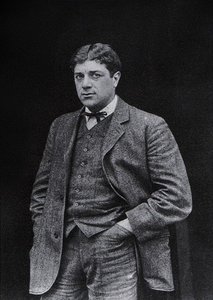
Georges Braque
1882 - 1963 , Francia
Dati rapidi
- Artisti Influenti:
- Henri Matisse
- André Derain
- Paul Cézanne
- Artisti Influenzati: ['Pablo Picasso']
- Data Di Nascita: 13 maggio 1882
- Luogo Di Nascita: Argenteuil, Francia
- Movimento Artistico: Cubismo, Fauvismo
- Nazionalità: Francese
- Nome Completo: Georges Braque
- Opere Notevoli:
- Case a L'Estaque
- La Pazienza (fauvista)
- Chitarra, Frutta e Brocca
- Natura morta con Bass
Articoli correlati

Georges Braque: I 25 Capolavori che Hanno Rivoluzionato l'Arte Moderna | ArtsDot
Esplora i 25 capolavori di Georges Braque, pioniere del Cubismo. Scopri la storia, le tecniche e l'impatto di opere iconiche come 'The Patience'. Trova riproduzioni d'arte di alta qualità per decorare casa tua su ArtsDot.com.

Fernand Léger: I 25 Capolavori che Hanno Definito l'Arte Moderna | ArtsDot
Esplora i 25 capolavori di Fernand Léger, pioniere del cubismo e del tubismo. Scopri la storia, le tecniche e l'impatto dell'arte moderna francese. Stampe d'arte e riproduzioni su ArtsDot.com.

Paul Cézanne: I 25 Capolavori che Hanno Rivoluzionato l'Arte Moderna | ArtsDot
Esplora i 25 capolavori di Paul Cézanne, il maestro dell'impressionismo e post-impressionismo. Scopri la storia, le tecniche e i colori iconici dietro opere come 'Le grandi bagnanti' e 'Mont Sainte-Victoire'. Trova riproduzioni artistiche di alta qualità per decorare la tua casa su ArtsDot.com.
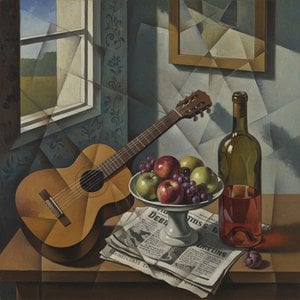
Deconstructing Reality: A Comprehensive Exploration of Cubist Still Life
Explore the revolutionary world of Cubist Still Life with ArtsDot. Discover Picasso & Braque's groundbreaking techniques, its philosophical roots, and lasting impact on modern art. Expert insights for collectors.

Georges Braque: La Rivoluzione Cubista e l'Evoluzione della Forma Moderna
Esplora la rivoluzione cubista di Georges Braque e l'evoluzione della forma moderna. Analisi approfondite, storia dell'arte e consigli per collezionisti esperti. Scopri il valore delle opere di Braque.



