

 Anteprima in scala reale
 Condividi
 Condividi
 Dettagli

 Scarica immagine
 Articoli simili
 Radiografia
 Slideshow
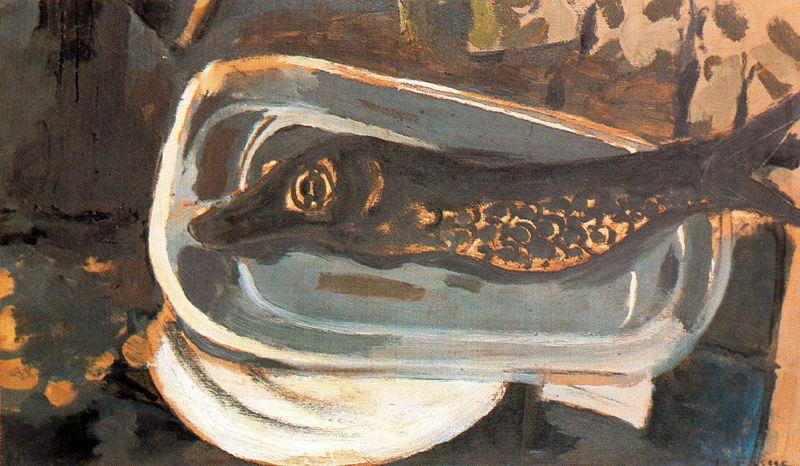
Still Life With Fish

 Leggi tutto
Giclée / Stampe d'arte
Stampa giclée o su tela di qualità museale, con produzione rapida e diverse opzioni di finitura. ( Ordina la riproduzione dipinta a mano Acquista download)




P118B $10

P118H $10

P118W $10

P438Z $10

P508JH $12

P508YH $12

P805H $10

P805Z $10

P919BZ $10

P919G $10

P919XJ $10

P959ZH $10

P968JZ $12

W106C $8

W218G $10

W218JH $8

W218Y $10

W307PJ $10

W316G $10

W316PJ $8

W316Y $10

W398PJ $8

W4111J $10

W500HY $15

W500JH $15

W692G $12

W849H $8

W940BG $15

W953PJ $8




Scegli tra le nostre dimensioni predefinite, che rispettano le proporzioni originali dell'opera d'arte.

È possibile inserire dimensioni personalizzate per adattare l'opera a una cornice o a uno spazio specifico. Se la dimensione selezionata non corrisponde alle proporzioni dell'immagine originale, procederemo al ritaglio dell'opera o all'estensione dell'immagine con un bordo specchiato o a tinta unita. Un mockup digitale ti verrà inviato per approvazione prima dell'inizio della produzione.
Si prega di notare che l'anteprima a schermo non riflette il ritaglio o l'estensione effettivi. Solo il mockup mostrerà accuratamente la composizione finale.
Sebbene siano disponibili dimensioni personalizzate, si raccomanda di selezionare una dimensione dall'elenco predefinito per preservare le proporzioni originali.
Consegna in tutto il mondo () in 2 settimane invece delle normali 4/5 settimane. (14 Agosto)

Spedizione espressa gratuita in tutto il mondo

Tela in lino di alta qualità

Assicurazione completa sulla spedizione

Garanzia di rimborso dei dazi doganali

Garanzia di fedeltà cromatica dell'originale

Politica di reso entro 60 giorni (solo per difetti di fabbricazione)

Garanzia di rimborso al 100%

Sconto per acquisti multipli
 L'opzione vetro è disponibile solo per dimensioni inferiori a 110 cm

Still Life With Fish
Giclée / Stampe d'arte
Dimensioni della riproduzione
-


Prezzo totale
$ 62
Descrizione del pezzo
The Genesis of a Fragmented World
Georges Braque’s “Still Life With Fish,” though its exact dimensions remain elusive, offers a captivating glimpse into the heart of early 20th-century artistic revolution. Born in Argenteuil, France, in 1882, Braque's formative years were steeped in the practicalities of his family’s trade as house painters and decorators – an experience that instilled within him not merely technical skill but a profound understanding of form, structure, and material. This grounding, combined with his rigorous training at the École des Beaux-Arts, provided a crucial foundation for his later radical experimentation. The painting itself is a testament to this duality: a seemingly simple depiction of a fish in a bowl, yet brimming with the intellectual energy of a man grappling with the very nature of representation.
Created during a pivotal period – roughly 1910-12 – “Still Life With Fish” firmly anchors itself within the realm of Analytical Cubism. This movement, spearheaded by Braque and Pablo Picasso, sought to dismantle traditional notions of perspective and spatial illusion. Rather than presenting a single, fixed viewpoint, artists like Braque fractured objects into geometric components, reassembling them on the canvas in a way that challenged the viewer’s perception of reality. The bowl itself isn't rendered as a solid volume; instead, it is dissected into planes, suggesting multiple perspectives simultaneously. This fragmentation isn’t merely stylistic—it reflects a deeper interrogation of how we understand and experience the world around us.
A Symphony of Color and Texture
The painting’s palette is deliberately restrained – dominated by earthy hues of brown, ochre, and muted blues – a characteristic of Analytical Cubism. These colors aren't applied with broad strokes; instead, Braque employs a meticulous layering technique, building up the surface through countless thin glazes. This creates a remarkable sense of texture, inviting close inspection and revealing the intricate process of construction. The blue of the bowl provides a striking contrast to the fish’s skin tone, drawing the eye and emphasizing the object's presence within its contained space. The inclusion of the spoon and cup adds further layers of visual interest, grounding the composition in familiar domestic objects while simultaneously contributing to the overall sense of disorientation.
Beyond mere representation, Braque masterfully utilizes light and shadow to enhance the painting’s spatial ambiguity. The bowl casts a subtle shadow on the surrounding surfaces, suggesting depth and volume without relying on traditional shading techniques. The way the light interacts with the fragmented forms creates an almost sculptural quality, as if the objects themselves are emerging from the canvas.
Symbolism and the Poetics of Observation
While Analytical Cubism often prioritized formal experimentation over overt symbolism, “Still Life With Fish” subtly hints at deeper meanings. The fish itself can be interpreted as a symbol of abundance, fertility, or even mortality – themes frequently explored in still-life paintings of the period. The bowl, representing containment and observation, invites us to contemplate the object within—to consider its origins, its purpose, and its relationship to the wider world. Braque’s meticulous attention to detail suggests a quiet reverence for the ordinary, elevating these commonplace objects into subjects worthy of artistic contemplation.
Furthermore, the painting's fragmented composition mirrors the fragmentation of modern experience – a theme that resonated deeply with artists at the turn of the 20th century. Braque’s work reflects a shift away from romantic idealism and towards a more objective, analytical approach to reality. “Still Life With Fish” is not simply a depiction of objects; it's an exploration of perception, representation, and the very nature of seeing.
Bringing Braque Home: High-Quality Reproductions
ArtsDot offers meticulously crafted hand-painted reproductions of Georges Braque’s “Still Life With Fish,” allowing you to bring this iconic work into your home or office. Our skilled artists replicate the painting's intricate details, nuanced color palette, and textural qualities with exceptional precision. Whether you are an art enthusiast, a collector, or simply seeking a unique piece of décor, our reproductions provide an authentic and affordable way to experience the power and beauty of Braque’s vision. Explore our selection today and discover the timeless appeal of this groundbreaking masterpiece.
Opere correlate


Biografia dell'artista
**primi anni di vita e formazione**
Georges Braque, un illustre pittore francese, collageur, disegnatore, stampatore e scultore, nacque il 13 maggio 1882 ad Argenteuil, Val-d'Oise. È cresciuto a Le Havre e inizialmente si è formato per diventare pittore di facciate e decoratore come suo padre e nonno. Tuttavia, le inclinazioni artistiche di Braque lo hanno portato a studiare pittura all’École des Beaux-Arts a Le Havre dal 1897 al 1899.**evoluzione artistica e fauvismo**
Nel 1902, dopo aver completato il suo apprendistato con un decoratore a Parigi, Braque ha frequentato l'Académie Humbert fino al 1904. Questo periodo ha segnato la sua introduzione al fauvismo, uno stile caratterizzato da colori vivaci e risposte emotive. Influenzato dalle opere di Henri Matisse e André Derain, Braque ha adottato un approccio fauvista, come si può vedere nel suo dipinto La Pazienza (fauvismo, olio su tela).**contributo al cubismo**
La collaborazione di Braque con Pablo Picasso dal 1908 al 1912 ha portato allo sviluppo del cubismo. Le loro opere cubiste analitiche, come Georges Braque: La Pazienza e Pablo Picasso: Clarinet(cubismo analitico, olio su tela), sono oggi considerate pietre miliari della storia dell'arte.**eredità e opere notevoli**
* Le Case all’Éstaque: una testimonianza dell'uso innovativo di geometria e prospettiva simultanea da parte di Braque. * La Pazienza(fauvismo, olio su tela): dimostra lo stile fauvista di Braque. * Clarinet(cubismo analitico, olio su tela): un'opera cubista collaborativa con Picasso.**musei e collezioni**
* Musée d’Orsay: presenta una vasta collezione di arte impressionista e post-impressionista, inclusi lavori di Braque. * Musée de l’Orangerie: espone una vasta gamma di opere d'arte, inclusi quelle di Braque e altri artisti notevoli.- Scopri di più sulla vita e sull'opera di Georges Braque su ArtsDot.com
- Esplora la collezione del Musée d’Orsay, che include opere di Braque e altri artisti, su Musée d'Orsay - Wikipedia
- Impara di più sul fauvismo e sulla sua influenza sullo sviluppo del cubismo con Fauvismo - movimento artistico su ArtsDot.com
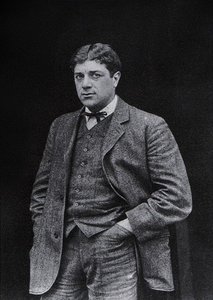
Georges Braque
1882 - 1963 , Francia
Informazioni rapide
- Artisti Influenti:
- Henri Matisse
- André Derain
- Paul Cézanne
- Artisti Influenzati: ['Pablo Picasso']
- Data Di Nascita: 13 maggio 1882
- Luogo Di Nascita: Argenteuil, Francia
- Movimento Artistico: Cubismo, Fauvismo
- Nazionalità: Francese
- Nome Completo: Georges Braque
- Opere Notevoli:
- Case a L'Estaque
- La Pazienza (fauvista)
- Chitarra, Frutta e Brocca
- Natura morta con Bass
Articoli correlati
Deconstructing Reality: A Comprehensive Exploration of Cubist Still Life
Explore the revolutionary world of Cubist Still Life with ArtsDot. Discover Picasso & Braque's groundbreaking techniques, its philosophical roots, and lasting impact on modern art. Expert insights for collectors.

Cubismo: I 10 Capolavori Che Hanno Rivoluzionato l'Arte Moderna | ArtsDot
Esplora i 10 capolavori del Cubismo con ArtsDot. Scopri Picasso, Braque e Gris e la rivoluzione artistica delle forme geometriche e dei colori audaci. Quadri iconici per decorare casa con stile! Esplora la collezione online.

Silent Narratives: Exploring the Enduring Appeal of Still Life Painting Across Centuries
Explore the rich history of still life painting with ArtsDot. Discover Dutch Masters, decode vanitas symbolism & learn about collecting timeless art. Expert insights and museum-quality reproductions.

Dalla Natura Morta Classica all'Astrazione Contemporanea: Elevare gli Spazi di Ricevimento delle Ville Attraverso la Riproduzione Artistica
Scopri l'evoluzione della natura morta e come trasformare i tuoi spazi con riproduzioni artistiche di alta qualità. Consulenza d'arte gratuita e spedizione in tutto il mondo su ArtsDot.com.

Georges Braque: I 25 Capolavori che Hanno Rivoluzionato l'Arte Moderna | ArtsDot
Esplora i 25 capolavori di Georges Braque, pioniere del Cubismo. Scopri la storia, le tecniche e l'impatto di opere iconiche come 'The Patience'. Trova riproduzioni d'arte di alta qualità per decorare casa tua su ArtsDot.com.



