

 Anteprima in scala reale
 Condividi
 Condividi
 Dettagli

 Scarica immagine
 Articoli simili
 Radiografia
 Slideshow
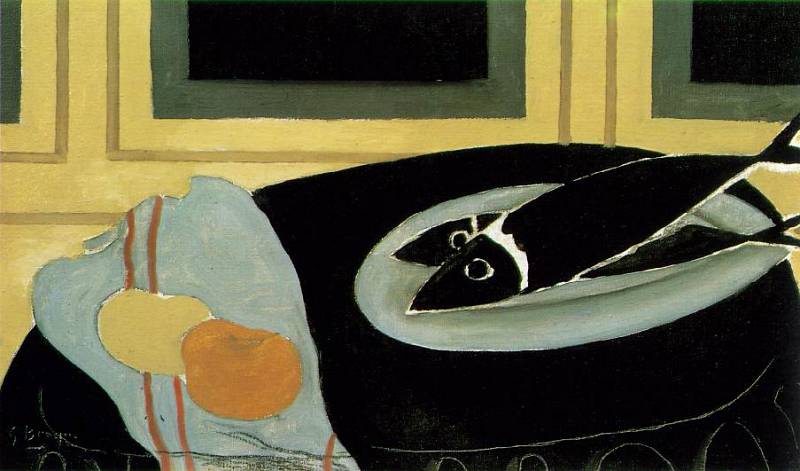
Black fish


 Leggi tutto
Giclée / Stampe d'arte
Stampa giclée o su tela di qualità museale, con produzione rapida e diverse opzioni di finitura. ( Ordina la riproduzione dipinta a mano Acquista download)




P118B $10

P118H $10

P118W $10

P438Z $10

P508JH $12

P508YH $12

P805H $10

P805Z $10

P919BZ $10

P919G $10

P919XJ $10

P959ZH $10

P968JZ $12

W106C $8

W218G $10

W218JH $8

W218Y $10

W307PJ $10

W316G $10

W316PJ $8

W316Y $10

W398PJ $8

W4111J $10

W500HY $15

W500JH $15

W692G $12

W849H $8

W940BG $15

W953PJ $8




Scegli tra le nostre dimensioni predefinite, che rispettano le proporzioni originali dell'opera d'arte.

È possibile inserire dimensioni personalizzate per adattare l'opera a una cornice o a uno spazio specifico. Se la dimensione selezionata non corrisponde alle proporzioni dell'immagine originale, procederemo al ritaglio dell'opera o all'estensione dell'immagine con un bordo specchiato o a tinta unita. Un mockup digitale ti verrà inviato per approvazione prima dell'inizio della produzione.
Si prega di notare che l'anteprima a schermo non riflette il ritaglio o l'estensione effettivi. Solo il mockup mostrerà accuratamente la composizione finale.
Sebbene siano disponibili dimensioni personalizzate, si raccomanda di selezionare una dimensione dall'elenco predefinito per preservare le proporzioni originali.
Consegna in tutto il mondo () in 2 settimane invece delle normali 4/5 settimane. (16 Agosto)

Spedizione espressa gratuita in tutto il mondo

Tela in lino di alta qualità

Assicurazione completa sulla spedizione

Garanzia di rimborso dei dazi doganali

Garanzia di fedeltà cromatica dell'originale

Politica di reso entro 60 giorni (solo per difetti di fabbricazione)

Garanzia di rimborso al 100%

Sconto per acquisti multipli
 L'opzione vetro è disponibile solo per dimensioni inferiori a 110 cm

Black fish
Giclée / Stampe d'arte
Dimensioni della riproduzione
-


Prezzo totale
$ 62
Descrizione del pezzo
Georges Braque’s “Black Fish”: A Study in Cubist Still Life
Georges Braque's "Black Fish," painted in 1942 during the tumultuous years of World War II, is far more than a simple depiction of a fish and two apples. It’s a profound meditation on form, perception, and the quietude amidst chaos – a hallmark of the artist’s evolving Cubist style. The painting immediately draws the eye to the dominant black fish, rendered with an almost sculptural solidity that occupies a significant portion of the canvas. Its body isn't realistically modeled; instead, it’s fragmented into geometric planes, echoing the principles Braque developed alongside Pablo Picasso during their groundbreaking explorations of Cubism. This deliberate flattening of space challenges traditional notions of representation, inviting the viewer to actively engage with the image and reconstruct its form in their mind.
The record player, positioned centrally, acts as a grounding element within this fractured landscape. Its mechanical components – dials, knobs, and a rotating platter – introduce an unexpected layer of industrial detail into what might otherwise be considered a purely abstract composition. This juxtaposition of organic (the fish) and inorganic (the machine) is characteristic of Braque’s approach, suggesting a broader commentary on the relationship between nature and technology, a theme that resonated deeply during the mid-20th century.
The Language of Cubism and its Historical Context
Created in the aftermath of the First World War, “Black Fish” reflects the anxieties and uncertainties of the era. The devastation of conflict prompted artists to question established artistic conventions and seek new ways to represent reality. Braque’s Cubism, born from his collaboration with Picasso, offered a radical departure from traditional perspective and representation. Rather than aiming for an illusionistic portrayal of depth, Cubist painters like Braque dissected objects into their constituent geometric forms, presenting multiple viewpoints simultaneously on a single plane. This technique wasn't merely stylistic; it was a philosophical response to the fragmented nature of modern experience.
The painting’s monochromatic palette – primarily shades of gray and black – further contributes to its mood of introspection and restraint. This limited color range, reminiscent of Cézanne’s influence, emphasizes the interplay of light and shadow and allows Braque to focus on the essential shapes and structures within the composition. The apples, rendered with a similar geometric precision, add a touch of domesticity and perhaps even a subtle commentary on consumer culture – a recurring theme in Braque's work.
Symbolism and Emotional Resonance
While “Black Fish” resists easy interpretation, certain symbolic readings are possible. The black fish itself could represent resilience, adaptability, or even the subconscious—a dark, enigmatic force navigating an unfamiliar world. Its placement above the record player might suggest a yearning for order and stability amidst the chaos of modern life, or perhaps a critique of the increasingly dominant role of technology in shaping human experience. The apples, traditionally associated with knowledge and temptation, could symbolize the complexities of choice and the pursuit of meaning.
Despite its formal rigor, “Black Fish” possesses an undeniable emotional depth. The painting’s quiet intensity invites contemplation and encourages viewers to consider their own perceptions of reality. It's a testament to Braque’s ability to distill complex ideas into a deceptively simple composition—a hallmark of his enduring artistic legacy.
ArtsDot Reproduction: Bringing “Black Fish” to Your Space
ArtsDot is proud to offer meticulously crafted, hand-painted reproductions of Georges Braque's "Black Fish." Our expert art reproductionists utilize the highest quality archival materials and techniques to faithfully recreate the painting’s nuanced details, textures, and color palette. Whether you are a seasoned collector or simply seeking a stunning piece of art for your home or office, our reproduction provides an authentic representation of this iconic work.
Available in a range of sizes to suit your needs, each ArtsDot reproduction is individually inspected and guaranteed to meet the highest standards of quality. Explore our selection today and bring the contemplative power of “Black Fish” into your world.
Opere correlate


Biografia dell'artista
**primi anni di vita e formazione**
Georges Braque, un illustre pittore francese, collageur, disegnatore, stampatore e scultore, nacque il 13 maggio 1882 ad Argenteuil, Val-d'Oise. È cresciuto a Le Havre e inizialmente si è formato per diventare pittore di facciate e decoratore come suo padre e nonno. Tuttavia, le inclinazioni artistiche di Braque lo hanno portato a studiare pittura all’École des Beaux-Arts a Le Havre dal 1897 al 1899.**evoluzione artistica e fauvismo**
Nel 1902, dopo aver completato il suo apprendistato con un decoratore a Parigi, Braque ha frequentato l'Académie Humbert fino al 1904. Questo periodo ha segnato la sua introduzione al fauvismo, uno stile caratterizzato da colori vivaci e risposte emotive. Influenzato dalle opere di Henri Matisse e André Derain, Braque ha adottato un approccio fauvista, come si può vedere nel suo dipinto La Pazienza (fauvismo, olio su tela).**contributo al cubismo**
La collaborazione di Braque con Pablo Picasso dal 1908 al 1912 ha portato allo sviluppo del cubismo. Le loro opere cubiste analitiche, come Georges Braque: La Pazienza e Pablo Picasso: Clarinet(cubismo analitico, olio su tela), sono oggi considerate pietre miliari della storia dell'arte.**eredità e opere notevoli**
* Le Case all’Éstaque: una testimonianza dell'uso innovativo di geometria e prospettiva simultanea da parte di Braque. * La Pazienza(fauvismo, olio su tela): dimostra lo stile fauvista di Braque. * Clarinet(cubismo analitico, olio su tela): un'opera cubista collaborativa con Picasso.**musei e collezioni**
* Musée d’Orsay: presenta una vasta collezione di arte impressionista e post-impressionista, inclusi lavori di Braque. * Musée de l’Orangerie: espone una vasta gamma di opere d'arte, inclusi quelle di Braque e altri artisti notevoli.- Scopri di più sulla vita e sull'opera di Georges Braque su ArtsDot.com
- Esplora la collezione del Musée d’Orsay, che include opere di Braque e altri artisti, su Musée d'Orsay - Wikipedia
- Impara di più sul fauvismo e sulla sua influenza sullo sviluppo del cubismo con Fauvismo - movimento artistico su ArtsDot.com

Georges Braque
1882 - 1963 , Francia
Informazioni rapide
- Artisti Influenti:
- Henri Matisse
- André Derain
- Paul Cézanne
- Artisti Influenzati: ['Pablo Picasso']
- Data Di Nascita: 13 maggio 1882
- Luogo Di Nascita: Argenteuil, Francia
- Movimento Artistico: Cubismo, Fauvismo
- Nazionalità: Francese
- Nome Completo: Georges Braque
- Opere Notevoli:
- Case a L'Estaque
- La Pazienza (fauvista)
- Chitarra, Frutta e Brocca
- Natura morta con Bass
Articoli correlati

Georges Braque: I 25 Capolavori che Hanno Rivoluzionato l'Arte Moderna | ArtsDot
Esplora i 25 capolavori di Georges Braque, pioniere del Cubismo. Scopri la storia, le tecniche e l'impatto di opere iconiche come 'The Patience'. Trova riproduzioni d'arte di alta qualità per decorare casa tua su ArtsDot.com.

Georges Seurat: I 25 Capolavori che Rivoluzionarono la Pittura | ArtsDot
Esplora i 25 capolavori di Georges Seurat, il maestro del Pointillismo. Scopri la storia, le tecniche e l'emozione dietro dipinti iconici come 'Un dimanche à la Grande Jatte'. Trova riproduzioni d'arte di alta qualità per decorare casa tua su ArtsDot.com.

Georges Braque: La Rivoluzione Cubista e l'Evoluzione della Forma Moderna
Esplora la rivoluzione cubista di Georges Braque e l'evoluzione della forma moderna. Analisi approfondite, storia dell'arte e consigli per collezionisti esperti. Scopri il valore delle opere di Braque.

Cubismo: I 10 Capolavori che Hanno Rivoluzionato l'Arte Moderna |
Esplora i 10 capolavori del Cubismo con ! Scopri Picasso, Braque e Gris e la rivoluzione dell'arte moderna. Quadri iconici, storie affascinanti e riproduzioni di alta qualità per decorare la tua casa. Esplora la collezione online!
Deconstructing Reality: A Comprehensive Exploration of Cubist Still Life
Explore the revolutionary world of Cubist Still Life with ArtsDot. Discover Picasso & Braque's groundbreaking techniques, its philosophical roots, and lasting impact on modern art. Expert insights for collectors.



