

 Anteprima in scala reale
 Condividi
 Condividi
 Dettagli

 Scarica immagine
 Articoli simili
 Radiografia
 Slideshow
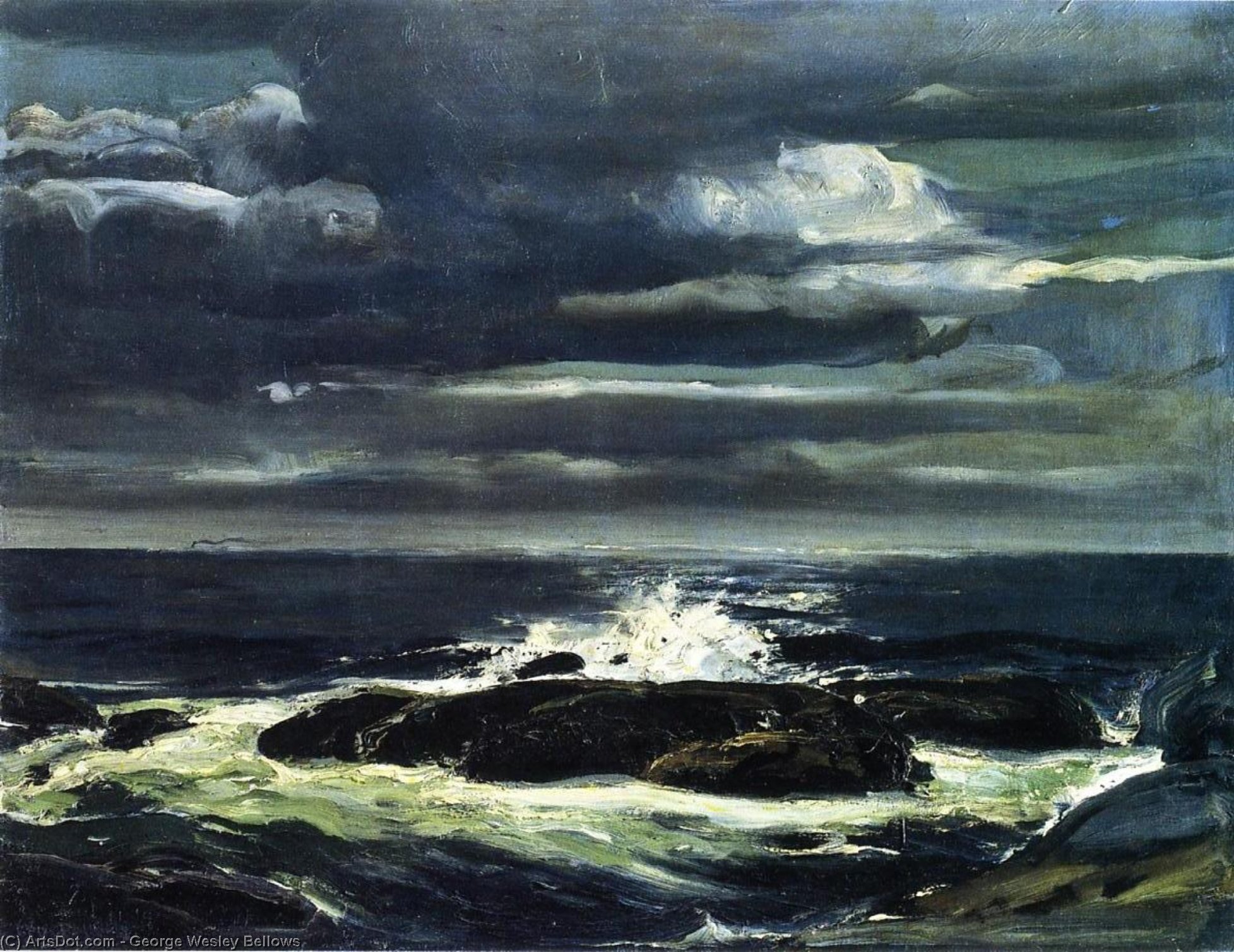
The Sea


 Leggi tutto
Giclée / Stampe d'arte
Stampa giclée o su tela di qualità museale, con produzione rapida e diverse opzioni di finitura. ( Ordina la riproduzione dipinta a mano Acquista download)




P118B $10

P118H $10

P118W $10

P438Z $10

P508JH $12

P508YH $12

P805H $10

P805Z $10

P919BZ $10

P919G $10

P919XJ $10

P959ZH $10

P968JZ $12

W106C $8

W218G $10

W218JH $8

W218Y $10

W307PJ $10

W316G $10

W316PJ $8

W316Y $10

W398PJ $8

W4111J $10

W500HY $15

W500JH $15

W692G $12

W849H $8

W940BG $15

W953PJ $8




Scegli tra le nostre dimensioni predefinite, che rispettano le proporzioni originali dell'opera d'arte.

È possibile inserire dimensioni personalizzate per adattare l'opera a una cornice o a uno spazio specifico. Se la dimensione selezionata non corrisponde alle proporzioni dell'immagine originale, procederemo al ritaglio dell'opera o all'estensione dell'immagine con un bordo specchiato o a tinta unita. Un mockup digitale ti verrà inviato per approvazione prima dell'inizio della produzione.
Si prega di notare che l'anteprima a schermo non riflette il ritaglio o l'estensione effettivi. Solo il mockup mostrerà accuratamente la composizione finale.
Sebbene siano disponibili dimensioni personalizzate, si raccomanda di selezionare una dimensione dall'elenco predefinito per preservare le proporzioni originali.
Consegna in tutto il mondo () in 2 settimane invece delle normali 4/5 settimane. (14 Agosto)

Spedizione espressa gratuita in tutto il mondo

Tela in lino di alta qualità

Assicurazione completa sulla spedizione

Garanzia di rimborso dei dazi doganali

Garanzia di fedeltà cromatica dell'originale

Politica di reso entro 60 giorni (solo per difetti di fabbricazione)

Garanzia di rimborso al 100%

Sconto per acquisti multipli
 L'opzione vetro è disponibile solo per dimensioni inferiori a 110 cm

The Sea
Giclée / Stampe d'arte
Dimensioni della riproduzione
-


Prezzo totale
$ 62
Descrizione del pezzo
A Dramatic Encounter: The Essence of “The Sea”
George Wesley Bellows’ “The Sea,” painted in 1911, isn't merely a depiction of an ocean scene; it’s a visceral experience. This oil on canvas, now residing within the Hirshhorn Museum and Sculpture Garden in Washington D.C., captures a pivotal moment – the raw, untamed power of nature colliding with the steadfast solidity of land. The painting immediately draws the viewer into a world of turbulent energy: colossal waves relentlessly assault jagged rocks in the foreground, their crests foaming white against a bruised, dramatic sky. Clouds swirl and gather, hinting at an impending storm, while scattered boats – some bravely battling the elements, others seeking refuge – punctuate the scene with a sense of scale and vulnerability.
Bellows, a key figure in the Ashcan School movement, rejected idealized representations of American life. Instead, he embraced the gritty reality of urban existence and the natural world, often portraying them with unflinching honesty. “The Sea” exemplifies this approach; it’s not a romanticized seascape but a potent portrayal of nature's dominance, rendered with an intensity that reflects Bellows’ own dynamic artistic vision.
Bold Brushstrokes and Vibrant Color: The Artist’s Technique
Examining the painting closely reveals Bellows’ distinctive style. He employed bold, expressive brushstrokes – thick, impastoed layers of paint that convey movement and texture with remarkable immediacy. Notice how he uses short, choppy strokes to depict the crashing waves, contrasting them with broader, more fluid marks for the sky. The color palette is equally impactful: deep blues and greens dominate, punctuated by flashes of white foam and the somber grays of the storm clouds. This masterful use of color not only creates a sense of drama but also establishes a strong visual hierarchy, guiding the viewer’s eye through the composition.
Bellows' technique was deeply influenced by his background as an athlete; he sought to capture the dynamism and physicality of movement within his art. This is particularly evident in the way he portrays the waves – they seem to surge forward with unstoppable force, mirroring the energy of a boxer’s punch or a runner’s stride.
Historical Context: The Ashcan School and American Modernism
To fully appreciate “The Sea,” it's crucial to understand its place within the broader context of early 20th-century American art. The Ashcan School, which Bellows was a prominent member of, rejected the academic traditions of the time and focused on depicting everyday life in New York City – often with unflinching realism. Artists like Robert Henri championed this approach, encouraging their students to paint what they saw without idealization or sentimentality.
“The Sea” reflects this spirit of social observation and artistic experimentation. It’s a powerful statement about the relationship between humanity and nature, capturing a moment of intense confrontation that speaks to both the beauty and the danger inherent in the natural world. The painting was created during a period of rapid industrialization and urbanization in America, and Bellows' work served as a counterpoint to the prevailing narratives of progress and prosperity.
Symbolism and Emotional Resonance
Beyond its technical brilliance, “The Sea” is rich in symbolism. The crashing waves can be interpreted as representing the overwhelming forces of nature, while the boats symbolize humanity’s struggle against these forces. The dark, ominous sky suggests uncertainty and impending change. Yet, amidst this turmoil, there's also a sense of resilience – the boats continue to navigate the storm, demonstrating an enduring spirit of determination.
Ultimately, “The Sea” evokes a powerful emotional response in the viewer. It’s a painting that captures not only a specific moment in time but also a fundamental human experience: our relationship with the wild and unpredictable forces of nature. A high-quality reproduction allows you to bring this evocative masterpiece into your home or office, serving as a constant reminder of the beauty and power of the natural world.
Opere correlate


Biografia dell'artista
La Giovinezza e la Formazione
George Wesley Bellows, figura di spicco nell'arte americana, nacque il 12 o il 19 agosto 1882 a Columbus, Ohio. Era figlio unico di George Bellows e Anna Wilhelmina Smith Bellows. La sua precoce inclinazione per l'arte si manifestò fin da bambino, con disegni che riempivano le sue prime pagine prima ancora di iniziare la scuola elementare.La Carriera Artistica
Il percorso artistico di Bellows iniziò con illustrazioni commerciali, evolvendo poi verso una carriera pittorica. Frequentò l'Ohio State University (1901-1904), dove si distinse non solo per le sue capacità artistiche ma anche come atleta, giocando nelle squadre di baseball e basket. Tuttavia, la sua vera passione risiedeva nell'arte, spingendolo a trasferirsi a New York City nel 1904 per studiare sotto la guida di Robert Henri. Bellows si associò al movimento "The Eight" e alla Scuola Ashcan, promuovendo la rappresentazione della società americana contemporanea. Nel 1906 aprì un suo studio in Broadway Street, segnando l'inizio della sua prolifica carriera. La sua prima mostra importante nel 1908 presentò studi urbani, inizialmente criticati per la loro tecnica "grezza", ma riconosciuti anche per la loro audacia e innovazione.Opere Principali e Contributi
Opere Chiave:- The Germans Arrive (1918) – una serie di litografie e dipinti che raffiguravano graficamente le atrocità commesse dalla Germania durante l'invasione del Belgio.
- Eredità e Significato Storico George Wesley Bellows morì l'8 gennaio 1925, ma la sua eredità come "l'artista americano più acclamato della sua generazione" (secondo il Columbus Museum of Art) continua a vivere. Le sue audaci rappresentazioni della vita urbana a New York City continuano ad ispirare e influenzare l'arte contemporanea. La sua capacità di combinare realismo, dinamismo e un forte senso sociale lo ha reso una figura chiave nell'evoluzione dell'arte americana del XX secolo.
- Visualizza altre opere di George Wesley Bellows su ArtsDot.com
- Esplora la collezione del New York Public Library su ArtsDot.com
Riferimenti

George Wesley Bellows
1882 - 1925 , Stati Uniti d'America
Informazioni rapide
- Artisti Influenti: ['Robert Henri']
- Data Di Nascita: 12 agosto 1882
- Luogo Di Nascita: Columbus, Stati Uniti
- Movimento Artistico: Ashcan School, Realismo americano
- Nazionalità: Americana
- Nome Completo: George Wesley Bellows
- Opere Notevoli:
- Central Park
- The Germans Arrive
- Margarite
- Uomini del Porto
Articoli correlati

Georges Braque: I 25 Capolavori che Hanno Rivoluzionato l'Arte Moderna | ArtsDot
Esplora i 25 capolavori di Georges Braque, pioniere del Cubismo. Scopri la storia, le tecniche e l'impatto di opere iconiche come 'The Patience'. Trova riproduzioni d'arte di alta qualità per decorare casa tua su ArtsDot.com.

Georges Seurat: I 25 Capolavori che Rivoluzionarono la Pittura | ArtsDot
Esplora i 25 capolavori di Georges Seurat, il maestro del Pointillismo. Scopri la storia, le tecniche e l'emozione dietro dipinti iconici come 'Un dimanche à la Grande Jatte'. Trova riproduzioni d'arte di alta qualità per decorare casa tua su ArtsDot.com.

The Allure of the Horizon: A Comprehensive Exploration of Seascape Art Through History & Emotion
Explore the captivating world of seascape art! Discover its history, key artists & movements – from Dutch Masters to Impressionism. Expert insights for collectors and enthusiasts at ArtsDot.

The Enduring Legacy of Oil on Canvas: Technique, History & Aesthetic Impact
Explore the rich history & techniques of oil painting – from Renaissance masters to Impressionism. Discover pigments, layering methods, and why this timeless medium endures. Expert insights for artists & art enthusiasts.

Oil on Canvas: A Historical & Technical Exploration of a Timeless Artistic Medium
Explore the rich history & enduring techniques of oil painting on canvas. Discover the science behind its longevity, conservation practices, and contemporary relevance. Expert insights for art enthusiasts.



