

 Anteprima in scala reale
 Invia
Invia Condividi
 Dettagli opera
 Guida
Guida

 Scarica
 Simili
 Radiografia
 Slideshow
 Domande e risposte
 Statistiche
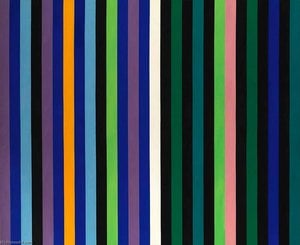
Red Baron

- 200.0 x 103.0 cm

 Espandi i dettagli
Ottieni un file pronto per la stampa che supera di gran lunga l'anteprima web. Ogni immagine digitale in vendita proviene da un master ad alta risoluzione del nostro archivio — con una larghezza solitamente compresa tra 5.000 e 15.000 pixel — permettendoti di stampare in grande formato, ritagliare con precisione o riprodurre dettagli minuziosi in totale sicurezza.
Nessun file lascia il nostro studio senza essere stato elaborato. Un esperto digitale verifica la corrispondenza dei colori con il dipinto originale e li corregge se necessario, per poi migliorarne la nitidezza e i dettagli attraverso strumenti di fotoritocco professionale — mantenendo sempre fedeltà alla pennellata e allo stile dell'artista. Il risultato è un'immagine che appare come il dipinto stesso, e non come una scansione filtrata.
L'approvazione avviene prima della conclusione dell'ordine: il nostro esperto invierà l'immagine via e-mail entro 72 ore per la tua revisione. Non sei soddisfatto? Puoi richiedere modifiche o correzioni, oppure un rimborso qualora la qualità non dovesse soddisfare le tue aspettative.
Questa è la qualità su cui fanno affidamento editori, studi di design, gallerie e stamperie.
Immagine Digitale
Scarica un file ad alta risoluzione per uso personale, per la stampa e per progetti creativi. ( Passa alle stampe Acquista il dipinto realizzato a mano)
Incluso in ogni ordine di immagini digitali
Consegna digitale professionale e garantita
Quando scegli ArtsDot.com, non riceverai solo un'immagine: riceverai un'opera d'arte digitale professionalmente ottimizzata, realizzata con la massima precisione e accompagnata da una garanzia di soddisfazione. Ecco tutto ciò che include il tuo ordine, automaticamente:

Consegna rapida via email
Riceverai il file dell'immagine digitale ad alta risoluzione via email entro 72 ore dall'ordine, pronto per un uso immediato.

File digitale ottimizzato dall'IA
La tua opera d'arte viene ottimizzata professionalmente attraverso l'uso di strumenti avanzati di intelligenza artificiale e una revisione manuale, garantendo il massimo livello di dettaglio, nitidezza e accuratezza cromatica.

Riconsegna gratuita a vita
Hai eliminato o perso accidentalmente il tuo file? Non preoccuparti: te lo invieremo di nuovo in qualsiasi momento, gratuitamente.

Nessun costo di importazione, mai
Goditi la tua opera d'arte istantaneamente senza costi doganali, dazi o spese di spedizione: i download digitali sono sempre esenti da tasse.

Garanzia di fedeltà cromatica
Garantiamo che la tua immagine digitale rifletta i colori originali con la massima fedeltà, grazie all'uso di strumenti professionali e a una gestione accurata del colore.

Garanzia soddisfatti o rimborsati 100 giorni
Se non sei soddisfatto della tua immagine digitale, la revisioneremo o ti rimborseremo il 100% entro 100 giorni, senza domande.

Garanzia di rimborso al 100%
Non sei soddisfatto? Ricevi un rimborso completo entro 100 giorni dal ricevimento del tuo file digitale, senza dover fornire spiegazioni.

Sconti per ordini multipli
Acquista 3 immagini, risparmia il 10% - Acquista 5, risparmia il 15% - Acquista 10+, risparmia il 20%. Ideale per progetti creativi, gallerie e agenzie.
Artist Background
Gene Bernard Davis was an American artist known for his contributions to the Color Field movement. His work often featured vertical stripes of color, which gave his paintings a sense of rhythm and energy. The Red Baron is a quintessential example of this style, with its bold red and orange hues evoking a sense of dynamism and movement.Painting Description
The Red Baron features two distinct sections: one predominantly red and the other mostly orange. The red section appears as a solid color, while the orange section has some texture and detail. This contrast between smooth and textured surfaces adds depth to the painting, making it more engaging for the viewer.Museum Collections
The Red Baron is part of the collection at the Smithsonian American Art Museum. You can find more information about this painting and other works by Gene Bernard Davis on the ArtsDot.com website.- The Red Baron is a significant work in the Gene Bernard Davis oeuvre, showcasing his unique style and contribution to the Color Field movement.
- The painting's bold colors and geometric shapes make it a visually striking piece that continues to captivate audiences today.
- As a leading figure in the Washington Color School, Gene Bernard Davis played an important role in shaping the development of American art in the mid-20th century.
The Red Baron is a testament to the enduring power of Color Field art, and its influence can still be seen in contemporary art today. As a masterpiece of American art, it continues to inspire and delight audiences around the world.
Domande e risposte
Qual è la spiegazione relativa allo stato del copyright di "Red Baron" di Gene Bernard Davis?
"Red Baron" di Gene Bernard Davis è di ancora protetta dal diritto d'autore. I termini del copyright si calcolano a partire dalla morte dell'artista, e Gene Bernard Davis è deceduto nel 1985.
Quale colore domina la composizione di "Red Baron" di Gene Bernard Davis?
Il colore dominante di "Red Baron" di Gene Bernard Davis è Mahogany (#e2311b).
Quale armonia cromatica esprime "Red Baron" di Gene Bernard Davis?
I colori di "Red Baron" di Gene Bernard Davis mostrano un'armonia Unified Palette. L'armonia descrive il modo in cui i colori interagiscono tra loro.
Opere simili


Biografia dell'artista
L'Architetto del Colore: La Vita e l'Eredità di Gene Bernard Davis
Nel vibrante arazzo dell'astrazione americana di metà secolo, pochi fili brillano con la stessa intensità o ritmo di quelli tessuti da Gene Bernard Davis. Pioniere del movimento Color Field, Davis possedeva una capacità singolare di trasformare la tela in un'esperienza ritmica di luce e movimento. Nato a Brooklyn, New York, nel 1920, il suo percorso artistico non fu un'immediata astrazione, ma piuttosto un'evoluzione graduale e profonda, plasmata da uno sguardo osservativo acuto e da una dedizione incrollabile alla teoria del colore. I suoi primi anni furono segnati da una affascinante confluenza di esperienze, tra cui un'immersione giovanile nel giornalismo sportivo e un profondo coinvolgimento con il panorama sociale di Washington D.C., elementi che avrebbero successivamente informato la sua prospettiva unica sul ritmo visivo.
La sensibilità artistica di Davis affondava le radici negli insegnamenti dell'avanguardia europea. La sua formazione accademica presso la Yale University sotto la guida del leggendario Josef Albers si rivelò trasformativa, instillandogli una fascinazione per l'astrazione geometrica e la complessa meccanica delle illusioni ottiche. Da Albers, Davis apprese che il colore poteva comunicare simultaneamente emozione e intelletto, una convinzione che divenne il cuore pulsante della sua carriera. Trasse ispirazione dalla precisione strutturata di Piet Mondrian e dalle armonie percettive di Albers, fondendo queste influenze per creare uno stile che fosse al contempo matematicamente disciplinato ed emotivamente risonante.
Una Sinfonia di Strisce: Tecnica e Innovazione
La vera svolta per Davis arrivò nel 1953 con la sua tela monumentale, “Bay”. Eseguita in evocative sfumature di blu, quest'opera lo consacrò come un innovatore visionario all'interno della Washington Color School. Fu proprio qui che perfezionò la sua tecnica distintiva: la sovrapposazione deliberata di strisce verticali e orizzontali, meticolosamente calibrate per creare un'illusione di profondità, vibrazione e movimento. Per Davis, la striscia non era mai puramente decorativa; era uno strumento scientifico utilizzato per indagare i principi fondamentali della percezione cromatica e il rapporto tra pigmento e consistenza della superficie.
Con il progredire della sua carriera, la sua tavolozza si espanse in straordinarie esplorazioni dell'energia cromatica. Le sue opere presentavano spesso:
- Vibrazione Cromatica: L'uso di colori audaci e accostati, come rosso, giallo, blu e verde, per creare un senso di luce pulsante.
- Precisione Geometrica: Una maestria nel pattern a strisce per guidare l'occhio dello spettatore attraverso la tela in una danza ritmica.
- Scala e Presenza: Composizioni di grandi dimensioni, come “The Red Witch” (1966), progettate per riempire l'intero campo visivo dell'osservatore e avvolgerlo nel colore.
Questa esplorazione raggiunse vette iconiche in opere come “Flower Machine” (1964), dove un colorato motivo a strisce di rosa, viola, arancione e blu evoca un senso di gioia e creatività organica, sfumando i confini tra l'astrazione geometrica e l'essenza della natura.
Significato Storico e Visione Duratura
Gene Bernard Davis si staglia come una figura monumentale nella storia dell'arte del XX secolo, colmando il divario tra l'energia grezza dell'Espressionismo Astratto e la precisione calcolata della Post-Painterly Abstraction. La sua capacità di manipolare la percezione dello spettatore attraverso il solo colore ha contribuito a definire l'estetica della Washington Color School, lasciando un segno indelebile nel modernismo americano. Persino nelle sue opere più tarde, come la sorprendente composizione del 1984 “Color Needles”, continuò a perfezionare l'uso di linee dorate e brune, dimostrando che la sua fascinazione per la Op Art e il ritmo geometrico era rimasta intatta.
Oggi, l'eredità di Davis vive attraverso la forza duratura delle sue tele. Egli rimane un maestro dell'esperienza cromatica, ricordandoci che l'arte può essere sia un'indagine cerebrale della luce che un incontro profondamente viscerale con la bellezza. Il suo lavoro continua a affascinare collezionisti e storici, fungendo da testimonianza di una vita trascorsa a decodificare le infinite possibilità dello spettro luminoso.
Gene Bernard Davis
1920 - 1985 , Stati Uniti
Informazioni essenziali
- Artistic Movement Or Style: Color Field Painting
- Artists Or Movements Influenced By This Artist: ['Washington Color School']
- Artists Who Influenced This Artist:
- Barnett Newman
- Helen Frankenthaler
- Date Of Birth: 1920
- Date Of Death: 1985
- Full Name: Gene Bernard Davis
- Nationality: Americano
- Notable Artworks:
- Bay
- Peeping Wall
- Two Part Blue
- Place Of Birth: New York City, USA