Anteprima in scala reale
 Condividi
 Condividi
 Dettagli
 Guida stampabile

 Scarica
 Articoli simili
 Radiografia
 Slideshow
 Statistiche
The Prodigal Son
 Oil On Canvas
- WallArt
- Baroque
 1640
1640- Early Modern
 77.0 x 66.0 cm
 Museo dell'Ermitage
 Leggi tutto
Riproduzione a olio fatta a mano
Olio su tela dipinto a mano nelle tue dimensioni e con la tua cornice, realizzato su ordinazione dai nostri artisti. ( Passa alle stampe Passa all'immagine digitale)




P118B €10

P118H €10

P118W €10

P438Z €10

P508JH €12

P508YH €12

P805H €10

P805Z €10

P919BZ €10

P919G €10

P919XJ €10

P959ZH €10

P968JZ €12

W106C €8

W218G €10

W218JH €8

W218Y €10

W307PJ €10

W316G €10

W316PJ €8

W316Y €10

W398PJ €8

W4111J €10

W500HY €15

W500JH €15

W692G €12

W849H €8

W940BG €15

W953PJ €8




Scegli tra le nostre dimensioni predefinite, che rispettano le proporzioni originali dell'opera d'arte.

Inserisci la larghezza e l'altezza di cui hai bisogno, per adattarle alla tua cornice o alla tua parete. Trattandosi di un'opera dipinta a mano, in caso di dimensioni con una forma differente, l'artista può dipingere un po' più oltre i bordi dell'immagine o ritagliare leggermente — la scelta spetta a te. Ti invieremo un mockup digitale da approvare prima che la pittura abbia inizio. L'immagine mostrata in questa pagina non rappresenta il risultato reale — solo il mockup lo fa.
Dopo l'ordine, il team di ArtsDot.com contatterà il cliente via e-mail per ricevere le istruzioni e fornirà un'anteprima del mockup
Consegna in tutto il mondo () in 3/4 settimane anziché nelle normali 5 settimane. (24 Ottobre). Nessun compromesso sulla qualità.

Spedizione espressa gratuita in tutto il mondo

Tela in lino di alta qualità

Assicurazione completa sulla spedizione

Garanzia di rimborso dei dazi doganali

Garanzia di perfetta fedeltà cromatica

Politica di reso entro 100 giorni (solo per difetti di fabbricazione)

Garanzia di rimborso al 100%

Sconto per acquisti multipli
 L'opzione vetro è disponibile solo per dimensioni inferiori a 110 cm

The Prodigal Son
Tecnica di riproduzione
Dimensioni della riproduzione
-


Prezzo totale
€ 318
A Masterpiece of Redemption and Splendor
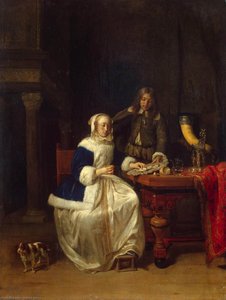
In the heart of the Dutch Golden Age, few works capture the profound tension between worldly temptation and spiritual homecoming as exquisitely as Gabriel Metsu’s The Prodigal Son. Executed around 1640, this Baroque masterpiece is far more than a mere biblical illustration; it is a psychological drama rendered in oil and canvas. The painting invites viewers into a lavish, intimate bedroom where the air seems thick with the weight of unspoken emotions. Here, Metsu orchestrates a poignant tableau of familial reconciliation, depicting the moment a wealthy father welcomes his estranged son back into the fold after years of wandering. It is a scene that resonates deeply with anyone who has experienced the complexities of loss, regret, and the transformative power of forgiveness.
The narrative strength of the piece lies in its ability to juxtapose physical opulence with internal struggle. As the figures are positioned within an environment of extreme luxury—surrounded by heavy draperies and ornate furnishings—the setting serves as a deliberate metaphor for the very temptations that led the son astray. The contrast between the son’s state of repentance and the surrounding grandeur creates a captivating tension, making the artwork a profound meditation on the human condition. For the discerning collector or interior designer, this painting offers a sophisticated focal point that brings both historical gravity and narrative depth to any curated space.
The Artistry of Light and Texture
Metsu’s technical prowess is on full display through his masterful use of chiaroscuro. By employing a dramatic light source originating from an unseen point above and to the left, he sculpts the figures out of the surrounding shadows, lending them a three-dimensional, lifelike presence. This interplay of light and dark does more than create depth; it heightens the theatricality of the reunion, casting a spotlight on the emotional expressions of the characters while allowing the corners of the room to recede into mysterious, velvety gloom.
The tactile quality of the painting is nothing short of breathtaking. A close inspection reveals Metsu’s dedication to illusionistic realism, particularly in his rendering of diverse textures. One can almost feel the weight of the heavy bed canopy, the smoothness of the silk gowns, and the soft, organic contours of the skin tones. His color palette is a sophisticated blend of warm earth tones—rich ochre, deep gold, and resonant browns—which evoke a sense of aristocratic warmth. These are punctuated by strategic bursts of cooler blues and vibrant reds in the clothing, adding a rhythmic visual interest that guides the eye across the complex composition.
A Timeless Symbolism for the Modern Collector
Beyond its aesthetic brilliance, The Prodigal Son is rich with symbolic resonance. The discarded garments and the subtle gestures of the figures hint at themes of lost virtue and the pursuit of excess. Every element, from the way the light hits a piece of jewelry to the contemplative gaze of an observer in the background, contributes to a larger story of moral complexity. This layer of meaning ensures that the artwork remains intellectually stimulating long after the initial visual impact has been felt.
For those seeking to adorn a home or gallery with a high-quality reproduction, this piece offers an unparalleled opportunity to integrate a sense of history and soul into an interior design scheme. Whether placed in a quiet study to inspire reflection or as a grand statement piece in a formal living area, Metsu’s work brings with it the prestige of the Dutch masters. It is an investment in beauty, a tribute to the enduring power of storytelling, and a window into a golden era of artistic innovation.
Domande e risposte
In che modo i colori di "The Prodigal Son" si relazionano tra loro?
I colori di "The Prodigal Son" di Gabriël Metsu mostrano un'armonia Strong Color Unity. L'armonia descrive il modo in cui i colori interagiscono tra loro.
Quale tecnica è stata utilizzata per "The Prodigal Son" di Gabriël Metsu?
"The Prodigal Son" è realizzata in Oil On Canvas.
Chi vende copie dipinte a mano di "The Prodigal Son" di Gabriël Metsu?
Puoi ordinare una riproduzione dipinta a mano di "The Prodigal Son" di Gabriël Metsu direttamente sulla sua pagina Riproduzione dipinta a mano: una riproduzione a olio dipinta a mano su tela di lino, realizzata su ordinazione.
Opere correlate


Biografia dell'artista
Una Vita di Esplorazione Artistica: Gabriël Metsu
- Nato: Leiden, Paesi Bassi (1629)
- Morto: 1667
Primi Anni e Influenze
Gabriël Metsu visse una vita segnata dall'esplorazione artistica e dall'innovazione. Nato nel 1629, la sua opera incarnò lo spirito dell’età dell’oro olandese. Era figlio di Jacques Metsu, un lavoratore di arazzi e pittore originario dell'hainault. Questo retroscena eclettico influenzò probabilmente il suo precoce interesse per diverse tecniche artistiche. Il trasferimento della famiglia a Leiden lo espose a varie influenze culturali.
Carriera Artistica: Uno Stile Eclettico
La carriera di Metsu fu caratterizzata da un'adesione a nessun singolo stile o tecnica, guadagnandogli il titolo di "artista altamente eclettico". La sua opera spaziava tra dipinti storici, nature morte, ritratti e opere di genere. Solo 14 dei suoi 133 lavori sono datati, lasciando molto da scoprire sul suo processo creativo.
- Prime Influenze: L'influenza di Rembrandt van Rijn sull'opera giovanile di Metsu è evidente nell'uso della luce e del colore.
- Periodo ad Amsterdam (dal 1655): Il trasferimento ad Amsterdam segnò un cambiamento verso interni domestici e scene di genere, con maggiore enfasi sui dettagli e sul realismo.
- Formazione e Mentorship: Si formò presso Michiel van Musscher e Joost van Geel, riflettendo il suo impegno nella comunità artistica.
Opere Notevoli e Sviluppo Artistico
I dipinti di Metsu spesso raffiguravano giovani donne, scene di mercato e persone anziane, attingendo a simboli popolari dell'epoca. Il suo stile si evolse nel corso della sua carriera, dimostrando una padronanza di varie tecniche.
- Il Bambino Malato (c. 1664): Quest’opera riflette l'ammirazione di Metsu per il meticoloso dettaglio e l'uso della luce di Johannes Vermeer.
- Ritratto della Famiglia Hinlopen: Un capolavoro che fonde pittura di genere e ritrattistica, mostrando la sua capacità di catturare sia il carattere individuale che la vita domestica.
- Il Figliol Prodigo (c. 1640): Dimostra un'influenza barocca con la sua composizione drammatica e i dettagli ricchi.
- Temi Ricorrenti: Metsu dipinse frequentemente scene della vita quotidiana, spesso cariche di significato simbolico.
Significato Storico e Eredità
L'eredità di Gabriël Metsu risiede nella sua versatilità e nel suo contributo all’età dell’oro olandese. Il suo stile eclettico influenzò le generazioni successive di artisti. Oggi, le sue opere sono conservate in prestigiosi musei in tutto il mondo.
- Pittore dell'Età dell'Oro Olandese: È riconosciuto come una figura significativa nel vivace panorama artistico del XVII secolo nei Paesi Bassi.
- Collezioni Museali: I suoi dipinti si possono trovare in vari musei, tra cui il Rijksmuseum di Amsterdam.
- Apprezzamento Continuo: L'arte di Metsu continua ad affascinare e ispirare gli spettatori con il suo realismo, i dettagli e le sottili narrazioni.

Gabriël Metsu
1629 - 1667 , Paesi Bassi
Informazioni rapide
- Artistic Movement Or Style: Età dell'oro olandese
- Artists Who Influenced This Artist:
- Rembrandt van Rijn
- Johannes Vermeer
- Date Of Birth: 1629
- Date Of Death: 1667
- Full Name: Gabriël Metsu
- Nationality: Olandese
- Notable Artworks:
- Il bambino malato
- Ritratto della famiglia Hinlopen
- Venditore di pollame
- Place Of Birth: Leiden, Paesi Bassi
Articoli correlati

Golden Age Reflections: Dutch Baroque Painting & Cultural Innovation
Explore the Dutch Golden Age of painting! Discover key artists like Vermeer & ter Borch, their innovative techniques, and the rich cultural context behind these Baroque masterpieces. Learn about collecting & appreciating this iconic art period.

Illuminating Innovation: Exploring the Dutch Golden Age of Painting
Explore the Dutch Golden Age of painting with ArtsDot. Discover Rembrandt, Vermeer & other Masters. Learn about key characteristics, iconic artworks, and lasting influence. Expert insights for collectors & enthusiasts.

Dante Gabriel Rossetti: I 25 Capolavori che Definiscono un Maestro del Simbolismo
Esplora i 25 capolavori di Dante Gabriel Rossetti, pittore preraffaellita simbolo del romanticismo vittoriano. Scopri storie, tecniche e colori unici delle sue opere più famose. Trova riproduzioni d'arte di alta qualità per la tua casa su ArtsDot.com

Gabriel Metsu: Illuminare la Vita Quotidiana Olandese con Dettagli Squisiti
Scopri Gabriel Metsu, maestro del Secolo d'Oro Olandese. Analisi approfondita della sua vita, tecnica pittorica e opere iconiche che ritraggono la borghesia con dettagli squisiti. Approfondimenti esclusivi su ArtsDot.

I 10 Capolavori del Barocco Olandese che Hanno Definito un'Epoca | ArtsDot
Esplora i 10 capolavori del Barocco olandese con ArtsDot. Scopri Rembrandt, Vermeer e altri maestri. Quadri antichi, luce intensa e storie affascinanti per decorare la tua casa con arte di qualità museale. Esplora la collezione online!