


 Anteprima in scala reale
 Condividi
 Condividi
 Dettagli
 Guida stampabile

 Scarica
 Articoli simili
 Radiografia
 Slideshow
 Statistiche
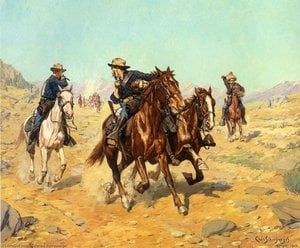
The Cowboy


 Leggi tutto
Riproduzione a olio fatta a mano
Olio su tela dipinto a mano nelle tue dimensioni e con la tua cornice, realizzato su ordinazione dai nostri artisti. ( Passa alle stampe Passa all'immagine digitale)




P118B €10

P118H €10

P118W €10

P438Z €10

P508JH €12

P508YH €12

P805H €10

P805Z €10

P919BZ €10

P919G €10

P919XJ €10

P959ZH €10

P968JZ €12

W106C €8

W218G €10

W218JH €8

W218Y €10

W307PJ €10

W316G €10

W316PJ €8

W316Y €10

W398PJ €8

W4111J €10

W500HY €15

W500JH €15

W692G €12

W849H €8

W940BG €15

W953PJ €8




Scegli tra le nostre dimensioni predefinite, che rispettano le proporzioni originali dell'opera d'arte.

Inserisci la larghezza e l'altezza di cui hai bisogno, per adattarle alla tua cornice o alla tua parete. Trattandosi di un'opera dipinta a mano, in caso di dimensioni con una forma differente, l'artista può dipingere un po' più oltre i bordi dell'immagine o ritagliare leggermente — la scelta spetta a te. Ti invieremo un mockup digitale da approvare prima che la pittura abbia inizio. L'immagine mostrata in questa pagina non rappresenta il risultato reale — solo il mockup lo fa.
Dopo l'ordine, il team di ArtsDot.com contatterà il cliente via e-mail per ricevere le istruzioni e fornirà un'anteprima del mockup
Consegna in tutto il mondo () in 3/4 settimane anziché nelle normali 5 settimane. (23 Ottobre). Nessun compromesso sulla qualità.

Spedizione espressa gratuita in tutto il mondo

Tela in lino di alta qualità

Assicurazione completa sulla spedizione

Garanzia di rimborso dei dazi doganali

Garanzia di perfetta fedeltà cromatica

Politica di reso entro 100 giorni (solo per difetti di fabbricazione)

Garanzia di rimborso al 100%

Sconto per acquisti multipli
 L'opzione vetro è disponibile solo per dimensioni inferiori a 110 cm

The Cowboy
Tecnica di riproduzione
Dimensioni della riproduzione
-


Prezzo totale
€ 231
A Pioneer's Vision: Frederic Remington’s “The Cowboy”
Frederic Sackrider Remington (1861-1909) wasn’t merely an artist; he was a chronicler of the vanishing West, capturing its rugged beauty and spirit with unparalleled conviction. Born in Canton, New York, his artistic journey began not amidst the sprawling plains but within the confines of Eastern academia – a surprising contrast that fueled his fascination for the frontier experience. His lineage traced back to French Basque ancestry blended with Republican New England values, shaping him into an individual driven by both intellectual curiosity and a profound connection to the American landscape. This formative influence would ultimately propel him to become arguably the most recognizable artist of his era, cementing his legacy as a pivotal figure in Western art history. Early exposure to military themes instilled within Remington a disciplined eye for detail and storytelling—skills he honed during his service in Cuba and later as a cavalry officer – experiences that profoundly impacted his artistic sensibilities. He moved to Bloomington, Illinois, then Ogdensburg, New York, establishing himself as a family man while simultaneously nurturing his burgeoning passion for capturing the essence of the American West. Remington’s artistic breakthrough arrived with “The Cowboy,” painted in 1902 and now housed prominently within the Frederic Remington Art Museum in Ogdensburg, New York—a monumental canvas that encapsulates the grandeur and drama of the era.Style and Technique: Romantic Realism
Remington's approach to painting defied easy categorization; he embraced what is often termed “Romantic Realism.” Unlike Impressionists who sought fleeting moments of light and color, Remington meticulously rendered his subjects with painstaking accuracy—a testament to his unwavering commitment to portraying the West as it truly appeared. He employed a technique characterized by thick impasto brushstrokes – applying paint thickly onto the canvas – creating palpable texture that conveyed the physicality of the landscape and its inhabitants. This deliberate layering of pigment allowed him to capture not only visual details but also emotional resonance, conveying the ruggedness of the terrain and the determination of the cowboy figure. Remington’s masterful use of color—primarily earthy tones—further enhanced the painting's atmosphere, immersing viewers in the stark beauty of the American frontier.Historical Context: The Twilight Years of Cowboy Culture
“The Cowboy” emerged during a period of significant transformation within the United States – the waning days of the Wild West era. Remington’s depiction reflects the anxieties and aspirations surrounding this transition, portraying a cowboy poised for action amidst a vast expanse of prairie land. The painting captures the spirit of a bygone age—a time when cowboys represented independence, resilience, and mastery over the natural world. Simultaneously, it acknowledges the encroaching influence of civilization, symbolized by the distant mountains looming in the background – a subtle reminder that even the most iconic symbols of freedom were inevitably destined to fade into history. Remington’s work served as a poignant commentary on this pivotal moment in American cultural identity.Symbolism and Emotional Impact: Courage and Isolation
Beyond its technical brilliance, “The Cowboy” resonates deeply with viewers due to its potent symbolism. The cowboy himself embodies courage, perseverance, and unwavering resolve—qualities admired throughout the West’s history. His posture exudes confidence as he prepares for a ride, conveying a sense of mastery over his surroundings and an acceptance of the challenges inherent in frontier life. Furthermore, the solitary figure against the expansive landscape underscores themes of isolation and vulnerability – highlighting the profound connection between humans and nature while simultaneously acknowledging the hardships faced by those who dared to inhabit this untamed wilderness. Remington’s masterful composition evokes a feeling of awe and wonder—inspiring contemplation on the enduring spirit of adventure and the beauty of the American West.Conclusion: An Enduring Legacy
Frederic Remington's “The Cowboy” remains an unforgettable masterpiece, securing its place as one of the most iconic images of the American West. Its meticulous realism combined with emotive brushstrokes continues to captivate audiences today—a testament to Remington’s unparalleled ability to translate experience into art. Reproductions of this monumental painting are treasured by collectors and interior designers alike, serving as a tangible reminder of a bygone era and an enduring celebration of the spirit of exploration and resilience that defined the American frontier.Domande e risposte
È possibile riprodurre legalmente l'opera "The Cowboy" di Frederic Remington, conservata presso Amon Carter Museum of American Art?
Lo stato del copyright di "The Cowboy" di Frederic Remington è chiaro: l'opera è di pubblico dominio - il suo copyright è scaduto. La sua presenza presso Amon Carter Museum of American Art non ne cambia lo stato.
Che livello di saturazione e intensità presenta "The Cowboy" di Frederic Remington?
"The Cowboy" di Frederic Remington è caratterizzato da una saturazione di Clear Color Presence e un'intensità di Vivid.
Come posso visualizzare un'anteprima di una riproduzione di "The Cowboy" di Frederic Remington?
Per visualizzare un'anteprima della riproduzione di "The Cowboy" di Frederic Remington, apri la pagina Anteprima dell'opera.
Opere correlate


Biografia dell'artista
La Vita e l'Educazione di Frederic Remington
- Nascita e Famiglia: Frederic Sackrider Remington nacque il 4 ottobre 1861 a Canton, New York. La sua famiglia aveva origini franco-basche.
- Influenza Militare: Suo padre, il Colonnello Seth Pierrepont Remington, proprietario di un negozio di ferramenta e veterano della Guerra Civile Americana, influenzò significativamente la sua vita iniziale. L'esposizione a temi militari avrebbe poi plasmato la sua arte.
- Educazione Iniziale: Frequentò l'Istituto Episcopale del Vermont, una scuola militare dove iniziò a disegnare. Successivamente trasferendosi in un'altra accademia militare, alla fine scelse di perseguire l'arte invece di una carriera militare a causa della mancanza di concentrazione.
La Carriera Artistica e lo Stile
- Prime Illustrazioni: La sua prima illustrazione pubblicata fu un cartone animato per il Yale Courant, dimostrando una precoce abilità nel rappresentare scene d'azione.
- Focus sul West Americano: Un viaggio fondamentale in Montana nel 1881 accese la sua passione per il West americano, diventando il tema centrale della sua carriera artistica.
- Soggetti Artistici: Il suo lavoro presentava principalmente cowboy, nativi americani e la cavalleria statunitense, catturando lo spirito e le sfide della vita di frontiera.
- Stile Artistico: Remington sviluppò uno stile distintivo caratterizzato da composizioni dinamiche, pennellate energiche e un focus sul realismo mescolato con un'espressività drammatica. Spesso utilizzava schizzi rapidi per catturare movimento ed emozione.
Opere Principali e Realizzazioni
- Dipinti Notabili: Diverse opere si distinguono come esempi significativi del suo talento:
- My Ranch – Mostra lo stile unico di Remington e la sua prospettiva sul West.
- Waiting in the Moonlight – Dimostra la sua capacità di catturare l'essenza del West americano attraverso immagini evocative.
- Ridden Down (1905) - Una potente rappresentazione di un attacco della cavalleria.
- The Long-Horn Cattle Sign (1908) – Cattura la vivacità della vita da cowboy.
- Illustrazioni e Sculture: Oltre alla pittura, Remington fu anche un prolifico illustratore per riviste come Harper's Weekly e Collier’s. Creò anche sculture, dimostrando ulteriormente la sua versatilità artistica.
- Riconoscimento: Il suo lavoro ottenne ampio riconoscimento durante la sua vita, stabilendolo come una figura di spicco nell'arte del West americano.
Influenze e Sviluppo Artistico
- Primi Anni: L’infanzia di Remington fu segnata dall’influenza del padre, un veterano della guerra civile, che gli raccontò storie dell’esercito e del West. Questo contribuì a formare il suo interesse per i soggetti militari e western. La sua breve formazione artistica alla Yale University e all'Art Students League fornì le basi tecniche, ma fu l’esperienza diretta nel West che plasmò veramente il suo stile.
- Sviluppo dello Stile: Inizialmente, Remington si ispirò ai pittori accademici francesi come Ernest Meissonier ed Édouard Detaille, adottando uno stile preciso e dettagliato. Tuttavia, col tempo sviluppò un approccio più dinamico e impressionistico, catturando il movimento e l'energia della vita nel West.
- Influenze: Oltre ai pittori accademici, Remington fu influenzato dalla fotografia e dall’illustrazione di riviste come Harper's Weekly. La sua capacità di combinare elementi realistici con una sensibilità romantica lo rese unico nel suo genere.
Eredità e Significato Storico
- Impatto sull'Arte del West: I contributi di Frederic Remington alla rappresentazione del West americano sono innegabili. Aiutò a definire il genere e a popolare immagini di cowboy, nativi americani e vita di frontiera.
- Influenza su Altri Artisti: Il suo lavoro ha ispirato numerosi artisti, tra cui N.C. Wyeth e Zane Grey.
- Museo d'Arte Frederic Remington: Il Museo d'Arte Frederic Remington a Ogdensburg, New York, preserva la sua eredità attraverso un’estesa collezione di dipinti, schizzi e sculture.
- Significato Storico: L'arte di Remington fornisce preziose informazioni sulla storia, la cultura e la mitologia del West americano durante un periodo di significativi cambiamenti e conflitti. Le sue rappresentazioni, sebbene a volte romanticizzate, offrono uno sguardo su un’epoca cruciale della storia americana.
Ultimi Anni e Morte
- Prolifica Produzione Artistica: Remington continuò a produrre arte prolificamente fino alla sua morte.
- Declino della Salute: Nel 1909, soffrì di appendicite mentre era in servizio in Florida.
- Morte: Frederic Remington morì il 26 dicembre 1909 a Bronxville, New York, all'età di 48 anni. La sua eredità come artista americano significativo continua ad ispirare e affascinare il pubblico oggi.

Frederic Remington
1861 - 1909 , Stati Uniti d'America
Informazioni rapide
- Artistic Movement Or Style: Realismo pittorico
- Artists Or Movements Influenced By This Artist:
- N. C. Wyeth
- Zane Grey
- Date Of Birth: 4 ottobre 1861
- Date Of Death: 26 dicembre 1909
- Full Name: Frederic Sackrider Remington
- Nationality: Americano
- Notable Artworks:
- My Ranch
- Waiting in the Moonlight
- Ridden Down
- The Long-Horn Cattle Sign
- The Trooper
- Cavalryman of the Line, Mexico
- Place Of Birth: Canton, Stati Uniti d'America
Articoli correlati

Albert Bierstadt: Luce, Paesaggio e l'Ideale Americano – Un Viaggio nell'Epica della Frontiera
Esplora l'arte di Albert Bierstadt, il pittore che ha immortalato la bellezza del West americano. Analisi approfondita della sua tecnica, stile e impatto sulla storia dell'arte.

Charles Marion Russell: L'Epopea del West Americano Attraverso uno Sguardo Romantico
Esplora la vita e le opere di Charles Marion Russell, il celebre 'Cowboy Artist'. Approfondimenti sulla sua arte western, l'influenza del romanticismo e i capolavori che immortalano l'epopea del West americano. Scopri perché è considerato un maestro dell'arte americana.

Grant Wood e il Regionalismo Americano: Identità, Mito e Paesaggio Rurale
Esplora il Regionalismo Americano con Grant Wood e i suoi capolavori. Analisi approfondita di 'American Gothic', contesto storico, influenze artistiche e l'eredità di questo movimento iconico. Scopri la vera essenza dell'arte rurale americana.

Evocations of Place: A Historical Journey Through Landscape Art
Explore the rich history of landscape art with ArtsDot. Discover renowned artists, movements like Impressionism & Romanticism, and expert guidance for collecting timeless pieces. Find your perfect serene escape today!

Alfred Jacob Miller: Chronicling the American West Through Artistic Observation & Narrative
Explore the captivating art of Alfred Jacob Miller, chronicler of the American West. Discover his iconic paintings, techniques & lasting legacy – a valuable addition to any serious collection. Learn more at ArtsDot.


