


 Anteprima in scala reale
 Condividi
 Condividi
 Dettagli

 Scarica immagine
 Articoli simili
 Radiografia
 Slideshow
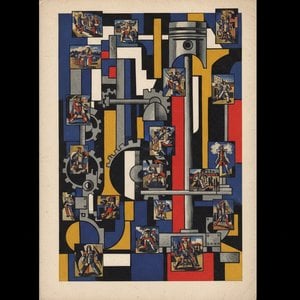
untitled (5448)


 Leggi tutto
Giclée / Stampe d'arte
Stampa giclée o su tela di qualità museale, con produzione rapida e diverse opzioni di finitura. ( Ordina la riproduzione dipinta a mano Acquista download)




P118B $10

P118H $10

P118W $10

P438Z $10

P508JH $12

P508YH $12

P805H $10

P805Z $10

P919BZ $10

P919G $10

P919XJ $10

P959ZH $10

P968JZ $12

W106C $8

W218G $10

W218JH $8

W218Y $10

W307PJ $10

W316G $10

W316PJ $8

W316Y $10

W398PJ $8

W4111J $10

W500HY $15

W500JH $15

W692G $12

W849H $8

W940BG $15

W953PJ $8




Scegli tra le nostre dimensioni predefinite, che rispettano le proporzioni originali dell'opera d'arte.

È possibile inserire dimensioni personalizzate per adattare l'opera a una cornice o a uno spazio specifico. Se la dimensione selezionata non corrisponde alle proporzioni dell'immagine originale, procederemo al ritaglio dell'opera o all'estensione dell'immagine con un bordo specchiato o a tinta unita. Un mockup digitale ti verrà inviato per approvazione prima dell'inizio della produzione.
Si prega di notare che l'anteprima a schermo non riflette il ritaglio o l'estensione effettivi. Solo il mockup mostrerà accuratamente la composizione finale.
Sebbene siano disponibili dimensioni personalizzate, si raccomanda di selezionare una dimensione dall'elenco predefinito per preservare le proporzioni originali.
Consegna in tutto il mondo () in 2 settimane invece delle normali 4/5 settimane. (14 Agosto)

Spedizione espressa gratuita in tutto il mondo

Tela in lino di alta qualità

Assicurazione completa sulla spedizione

Garanzia di rimborso dei dazi doganali

Garanzia di fedeltà cromatica dell'originale

Politica di reso entro 60 giorni (solo per difetti di fabbricazione)

Garanzia di rimborso al 100%

Sconto per acquisti multipli
 L'opzione vetro è disponibile solo per dimensioni inferiori a 110 cm

untitled (5448)
Giclée / Stampe d'arte
Dimensioni della riproduzione
-


Prezzo totale
$ 62
Descrizione del pezzo
Fernand Léger’s ‘Untitled (5448)’ – A Symphony of Industry and Nature
This captivating artwork, tentatively titled ‘Untitled (5448)’, offers a profound glimpse into the artistic vision of Fernand Léger, a pivotal figure in the transition from early modernism to abstraction. Painted by Léger between 1920 and 1930, during his most intensely productive period, it embodies his unique approach – one that sought not to reject the burgeoning industrial world but to celebrate its forms and rhythms within a landscape imbued with human presence. The scene depicts a mountainous region, strikingly rendered with Léger’s signature geometric vocabulary, yet subtly softened by elements of naturalism. It's a place where the solidity of rock meets the delicate tracery of trees, and where the imposing silhouette of a mountain is punctuated by the clustered forms of dwellings clinging to its slopes.
The Language of Form: Léger’s Geometric Vision
- Geometric Precision: Léger's artistic trajectory was profoundly influenced by his fascination with machines and industrial design. He meticulously analyzed the shapes of locomotives, factory machinery, and urban structures, translating these observations into a highly structured visual language characterized by bold, interlocking geometric forms – cubes, cylinders, cones, and planes.
- Constructivism’s Echo: Léger was deeply engaged with the Constructivist movement in Russia, which similarly sought to rebuild art based on fundamental geometric principles. However, unlike the often austere and purely abstract approach of Russian Constructivism, Léger retained a strong connection to representational subject matter, using his geometric forms to *interpret* rather than simply eliminate recognizable elements.
- Color Palette: The artwork’s color palette – dominated by earthy ochres, muted blues, and grays – reinforces the sense of solidity and permanence associated with the depicted landscape, while also subtly hinting at the industrial materials that Léger so admired.
A Landscape of Progress: Symbolism and Context
‘Untitled (5448)’ is more than just a picturesque mountain scene; it’s a carefully constructed statement about the relationship between humanity and technology. The houses nestled within the landscape represent the integration of human life with the advancements of the industrial age. Léger wasn't simply depicting a rural setting; he was envisioning a future where these two elements coexisted harmoniously, a vision that resonated powerfully in post-World War I France grappling with rapid modernization and social change. The scale of the mountain itself can be interpreted as a symbol of enduring natural order, juxtaposed against the increasingly dominant force of human innovation.
Technique and Impression: Léger’s Distinct Style
Léger's technique is immediately recognizable – characterized by thick impasto brushstrokes that build up layers of paint to create a tactile, almost sculptural surface. This approach not only adds visual interest but also emphasizes the materiality of his forms. The artist employed a layering technique, building up color and texture to achieve a sense of depth and volume. His meticulous attention to detail, combined with his bold geometric shapes, creates a dynamic composition that draws the viewer’s eye across the canvas, inviting contemplation on the interplay between nature and industry.
Emotional Impact and Artistic Legacy
'Untitled (5448)' possesses an undeniable energy. It evokes a sense of both awe and unease – a feeling that is characteristic of Léger’s work. This painting represents a crucial moment in the development of modern art, bridging the gap between representation and abstraction. It's a testament to Léger’s ability to translate complex ideas about technology and society into a visually compelling and emotionally resonant artwork. A hand-painted reproduction offers an exceptional opportunity to experience the power and innovation of this seminal work firsthand.
Opere correlate


Biografia dell'artista
vitae e formazione
Fernand Léger, pittore, scultore e filmmaker francese, nacque il 4 febbraio 1881 ad Argentan, Orne, nella bassa Normandia. Suo padre allevava bovini e Léger iniziò la sua formazione come architetto nel 1897-1899. Successivamente si trasferì a Parigi nel 1900, sostenendosi con il lavoro di disegnatore architettonico.sviluppo artistico
Le prime opere di Léger furono influenzate dall'impressionismo, come visto in Le jardin de ma mère (Il giardino di mia madre) (1905). Dopo aver frequentato la scuola d'arte decorativa e l'Académie Julian, iniziò a lavorare seriamente come pittore a 25 anni. Il suo stile si evolse in una forma personale di cubismo, che i critici definirono "tubismo" per la sua enfasi su forme cilindriche.Cubismo e il gruppo dei Puteaux
Nel 1910, Léger espose al Salon d'automne insieme a Jean Metzinger e Henri Le Fauconnier. Entrò nel gruppo dei Puteaux, noto anche come la sezione d'or (la sezione aurea), insieme ad altri artisti come Francis Picabia e Marcel Duchamp.Guerra e la sua influenza sull'opera di Léger
Le esperienze di Léger nella Prima Guerra Mondiale ebbero un impatto significativo sulla sua opera. Durante il suo tempo al fronte, produsse schizzi di pezzi d'artiglieria, aerei e soldati. Il suo dipinto Soldier with a Pipe (1916) riflette questo periodo.Lavoro successivo e eredità
Il lavoro post-bellico di Léger, caratterizzato da forme meccaniche lisce, lo legò alla tradizione della pittura figurativa francese. I suoi paesaggi animati del 1921 mostrarono figure e animali in forme armoniose e razionalizzate.- visualizza le opere di Fernand Léger su ArtsDot
- altro sul Fernand Léger su Wikipedia
- scopri il Musée National Fernand Légère (Francia) con ArtsDot
- La donna seduta (100 x 81 cm, tubismo)
- Elemento macchina (cubismo)

Fernand Léger
1881 - 1955 , Francia
Informazioni rapide
- Artisti Influenti:
- Cézanne
- Impressionismo
- Artisti Influenzati: ['Pop Art']
- Data Di Nascita: 4 febbraio 1881
- Luogo Di Nascita: Argentan, Francia
- Movimento Artistico: Cubismo, Tubismo
- Nazionalità: Francese
- Nome Completo: Fernand Léger
- Opere Notevoli:
- La Grande Parata
- L'Elemento Macchina
- Donna Seduta
- The City
Articoli correlati
Fernand Léger: I 25 Capolavori che Hanno Definito l'Arte Moderna | ArtsDot
Esplora i 25 capolavori di Fernand Léger, pioniere del cubismo e del tubismo. Scopri la storia, le tecniche e l'impatto dell'arte moderna francese. Stampe d'arte e riproduzioni su ArtsDot.com.

Astrazione Geometrica: 10 Capolavori che Hanno Definito un Movimento Artistico
Esplora i 10 capolavori dell'Astrazione Geometrica: Mondrian, Malevich e Kandinsky rivoluzionano l'arte moderna. Scopri la storia, i colori e le tecniche di questi movimenti iconici. Stampe d'arte di alta qualità su ArtsDot.com!

I 10 Capolavori del Paesaggio: Arte, Storia e Decorazioni Raffinate | ArtsDot
Esplora i 10 capolavori del paesaggio artistico! Da Monet a Van Gogh, scopri la storia e le tecniche dietro quadri iconici. Trova stampe su tela di alta qualità per decorare casa con arte e stile. Scopri tutte le opere su ArtsDot.com

Katsushika Hokusai: Le 25 Opere Più Iconiche per Amare l'Arte Giapponese
Esplora le 25 opere più iconiche di Katsushika Hokusai, maestro dell'ukiyo-e. Scopri la storia dietro 'La Grande Onda', il Monte Fuji e altre stampe giapponesi senza tempo. Trova riproduzioni d'arte di alta qualità per decorare la tua casa su ArtsDot.com.

Kandinsky: I 25 Capolavori che Hanno Rivoluzionato l'Arte Moderna | ArtsDot
Esplora i 25 capolavori di Wassily Kandinsky, pioniere dell'arte astratta. Scopri la storia, il significato e le tecniche dietro ogni dipinto iconico. Trova riproduzioni d'arte di alta qualità per decorare la tua casa su ArtsDot.com.



