


 Anteprima in scala reale
 Condividi
 Condividi
 Dettagli
 Guida stampabile

 Scarica
 Articoli simili
 Radiografia
 Slideshow
 Statistiche
untitled (2056)

 Leggi tutto
Giclée / Stampe d'arte
Stampa giclée o su tela di qualità museale, con produzione rapida e diverse opzioni di finitura. ( Ordina la riproduzione dipinta a mano Passa all'immagine digitale)




































Scegli tra le nostre dimensioni predefinite, che rispettano le proporzioni originali dell'opera d'arte.

È possibile inserire dimensioni personalizzate per adattare l'opera a una cornice o a uno spazio specifico. Se la dimensione selezionata non corrisponde alle proporzioni dell'immagine originale, procederemo al ritaglio dell'opera o all'estensione dell'immagine con un bordo specchiato o a tinta unita. Un mockup digitale ti verrà inviato per approvazione prima dell'inizio della produzione.
Si prega di notare che l'anteprima a schermo non riflette il ritaglio o l'estensione effettivi. Solo il mockup mostrerà accuratamente la composizione finale.
Sebbene siano disponibili dimensioni personalizzate, si raccomanda di selezionare una dimensione dall'elenco predefinito per preservare le proporzioni originali.
Consegna in tutto il mondo () in 2 settimane invece delle normali 4/5 settimane. (27 Settembre)

Spedizione espressa gratuita in tutto il mondo

Tela in lino di alta qualità

Assicurazione completa sulla spedizione

Garanzia di rimborso dei dazi doganali

Garanzia di perfetta fedeltà cromatica

Politica di reso entro 100 giorni (solo per difetti di fabbricazione)

Garanzia di rimborso al 100%

Sconto per acquisti multipli
 L'opzione vetro è disponibile solo per dimensioni inferiori a 110 cm

untitled (2056)
Giclée / Stampe d'arte
Dimensioni della riproduzione
-


Prezzo totale
$ 62
Fernand Léger: A Pioneer of Cubist Tubism – Exploring the Machine Age Aesthetic
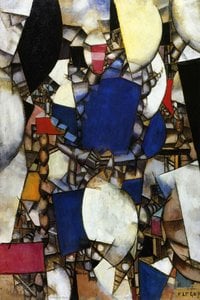
Fernand Léger’s “untitled (2056)” isn't merely a book page scan; it’s a window into the artistic soul of a pivotal moment in modern art history. Published by ArtsDot.com, this piece encapsulates the essence of Cubist Tubism – Léger’s groundbreaking approach that fused geometric abstraction with observations of industrial life and human anatomy. Examining its visual elements reveals layers of meaning beyond simple representation, offering insights into both artistic innovation and the broader cultural anxieties surrounding the burgeoning machine age.- Composition & Style: The image presents a predominantly textual layout—a large block of printed words overlaid with color plates—characteristic of book design during Léger’s era. However, these plates aren't decorative flourishes; they are meticulously crafted geometric abstractions mirroring Léger’s core stylistic principles. Lines dominate the composition, delineating text and illustrations with purposeful precision, reflecting Léger’s fascination with mechanical forms and structural clarity.
- Technique: Offset printing—a common technique of the time—contributes to a subtle tonal variation across the page, hinting at the meticulous craftsmanship involved in reproducing Léger's artwork. The color plates utilize muted palettes, prioritizing tonal harmony over vibrant hues, aligning with Léger’s desire for an art that resonated with everyday experience rather than indulging in opulent visual spectacle.
- Historical Context: Léger emerged during a period of intense industrial expansion and societal transformation—the early 20th century—a time marked by rapid urbanization and the pervasive influence of machinery. His artistic vision responded directly to these developments, rejecting traditional representational art forms in favor of exploring new visual languages that captured the dynamism and fragmentation inherent in modern life.
- Symbolism & Emotional Impact: Léger’s work transcends mere aesthetic concerns; it communicates a profound emotional response to the world around him. The simplified geometric shapes—tubes, spheres, cubes—represent not just physical forms but also concepts of movement, energy, and interconnectedness – mirroring Léger's belief that art should illuminate the human condition amidst technological progress.
- Details: A prominent watermark from ArtsDot.com / ArtsDot.com is visible in the bottom left corner, signifying the artwork’s provenance and highlighting its status as a high-quality reproduction intended for discerning collectors and interior designers.
Exploring Tubism – Léger's Geometric Revolution
Tubism, developed by Léger alongside Pablo Picasso, represents a radical departure from Impressionism and Cubism’s initial focus on capturing fleeting impressions of light and color. Instead, Tubists dissected objects into geometric components—primarily tubes and spheres—presenting them simultaneously in multiple perspectives. This technique aimed to convey not just visual appearance but also underlying structural relationships – mirroring Léger's conviction that art should reflect the fundamental principles governing the natural world. The resulting images are strikingly austere yet imbued with a palpable sense of movement and energy, embodying Léger’s fascination with industrial machinery and its transformative impact on human experience.The Influence of Industrial Aesthetics
Léger's artistic inspiration stemmed from his observations of the factories and urban landscapes of Paris during the Belle Époque—a period characterized by unprecedented industrial growth and social upheaval. He sought to translate these experiences into visual language, rejecting idealized depictions of nature in favor of confronting viewers with the realities of modern life. The geometric abstractions found in “untitled (2056)” directly reflect this preoccupation, mirroring Léger’s desire to capture the essence of the machine age—its rigid structures, its repetitive motions, and its pervasive influence on human perception.A Legacy Beyond Representation
Fernand Léger's contribution to modern art extends far beyond stylistic innovation; he fundamentally challenged conventional notions of artistic expression. By prioritizing geometric abstraction over realistic depiction, Léger paved the way for subsequent movements like Pop Art—a genre that embraced mass culture and celebrated everyday objects as sources of aesthetic inspiration. “untitled (2056)” stands as a testament to Léger’s enduring vision – an art form capable of conveying profound emotional truths while simultaneously engaging with the complexities of the modern world.




Biografia dell'artista
vitae e formazione
Fernand Léger, pittore, scultore e filmmaker francese, nacque il 4 febbraio 1881 ad Argentan, Orne, nella bassa Normandia. Suo padre allevava bovini e Léger iniziò la sua formazione come architetto nel 1897-1899. Successivamente si trasferì a Parigi nel 1900, sostenendosi con il lavoro di disegnatore architettonico.sviluppo artistico
Le prime opere di Léger furono influenzate dall'impressionismo, come visto in Le jardin de ma mère (Il giardino di mia madre) (1905). Dopo aver frequentato la scuola d'arte decorativa e l'Académie Julian, iniziò a lavorare seriamente come pittore a 25 anni. Il suo stile si evolse in una forma personale di cubismo, che i critici definirono "tubismo" per la sua enfasi su forme cilindriche.Cubismo e il gruppo dei Puteaux
Nel 1910, Léger espose al Salon d'automne insieme a Jean Metzinger e Henri Le Fauconnier. Entrò nel gruppo dei Puteaux, noto anche come la sezione d'or (la sezione aurea), insieme ad altri artisti come Francis Picabia e Marcel Duchamp.Guerra e la sua influenza sull'opera di Léger
Le esperienze di Léger nella Prima Guerra Mondiale ebbero un impatto significativo sulla sua opera. Durante il suo tempo al fronte, produsse schizzi di pezzi d'artiglieria, aerei e soldati. Il suo dipinto Soldier with a Pipe (1916) riflette questo periodo.Lavoro successivo e eredità
Il lavoro post-bellico di Léger, caratterizzato da forme meccaniche lisce, lo legò alla tradizione della pittura figurativa francese. I suoi paesaggi animati del 1921 mostrarono figure e animali in forme armoniose e razionalizzate.- visualizza le opere di Fernand Léger su ArtsDot
- altro sul Fernand Léger su Wikipedia
- scopri il Musée National Fernand Légère (Francia) con ArtsDot
- La donna seduta (100 x 81 cm, tubismo)
- Elemento macchina (cubismo)

Fernand Léger
1881 - 1955 , Francia
Informazioni rapide
- Artisti Influenti:
- Cézanne
- Impressionismo
- Artisti Influenzati: ['Pop Art']
- Data Di Nascita: 4 febbraio 1881
- Luogo Di Nascita: Argentan, Francia
- Movimento Artistico: Cubismo, Tubismo
- Nazionalità: Francese
- Nome Completo: Fernand Léger
- Opere Notevoli:
- La Grande Parata
- L'Elemento Macchina
- Donna Seduta
- The City
Articoli correlati

Arte Industriale: 10 Capolavori che Rivoluzionano l'Estetica e Decorano la Casa
Esplora 10 capolavori di Monet, Manet e altri maestri che catturano l'essenza dell'arte industriale. Scopri storie, tecniche e colori unici per decorare la tua casa con stampe su tela di alta qualità. ArtsDot.com: arte collezione online.

Redefining Nature: A Collector's Guide to the Geometric Beauty of Cubist Landscapes
Explore the revolutionary world of Cubist landscapes. Discover how masters like Picasso and Braque redefined nature through geometric beauty, and learn expert tips for curating these transformative masterpieces in your modern home collection.

Fernand Léger: I 25 Capolavori che Hanno Definito l'Arte Moderna | ArtsDot
Esplora i 25 capolavori di Fernand Léger, pioniere del cubismo e del tubismo. Scopri la storia, le tecniche e l'impatto dell'arte moderna francese. Stampe d'arte e riproduzioni su ArtsDot.com.

I 10 Capolavori Cubisti che Hanno Rivoluzionato il Ritratto | ArtsDot
Esplora i 10 capolavori cubisti che hanno rivoluzionato il ritratto! Scopri Picasso, Braque e Gris e la storia di questo movimento artistico. Trova riproduzioni d'arte di alta qualità per decorare casa con stile su ArtsDot.com.
Cubismo Espressionista: 10 Capolavori che Hanno Definito un Movimento Artistico Rivoluzionario
Esplora i 10 capolavori che hanno rivoluzionato l'arte con il Cubismo Espressionista! Scopri Picasso, Braque e altri maestri. Quadri famosi, tecniche innovative e colori audaci ti aspettano su ArtsDot.com. Trova la tua prossima opera d'arte!


