


 Anteprima in scala reale
 Condividi
 Condividi
 Dettagli
 Guida stampabile

 Scarica
 Articoli simili
 Radiografia
 Slideshow
 Statistiche
Tre personaggi


 Leggi tutto
Riproduzione a olio fatta a mano
Olio su tela dipinto a mano nelle tue dimensioni e con la tua cornice, realizzato su ordinazione dai nostri artisti. ( Passa alle stampe Passa all'immagine digitale)




P118B €10

P118H €10

P118W €10

P438Z €10

P508JH €12

P508YH €12

P805H €10

P805Z €10

P919BZ €10

P919G €10

P919XJ €10

P959ZH €10

P968JZ €12

W106C €8

W218G €10

W218JH €8

W218Y €10

W307PJ €10

W316G €10

W316PJ €8

W316Y €10

W398PJ €8

W4111J €10

W500HY €15

W500JH €15

W692G €12

W849H €8

W940BG €15

W953PJ €8




Scegli tra le nostre dimensioni predefinite, che rispettano le proporzioni originali dell'opera d'arte.

Inserisci la larghezza e l'altezza di cui hai bisogno, per adattarle alla tua cornice o alla tua parete. Trattandosi di un'opera dipinta a mano, in caso di dimensioni con una forma differente, l'artista può dipingere un po' più oltre i bordi dell'immagine o ritagliare leggermente — la scelta spetta a te. Ti invieremo un mockup digitale da approvare prima che la pittura abbia inizio. L'immagine mostrata in questa pagina non rappresenta il risultato reale — solo il mockup lo fa.
Dopo l'ordine, il team di ArtsDot.com contatterà il cliente via e-mail per ricevere le istruzioni e fornirà un'anteprima del mockup
Consegna in tutto il mondo () in 3/4 settimane anziché nelle normali 5 settimane. (22 Ottobre). Nessun compromesso sulla qualità.

Spedizione espressa gratuita in tutto il mondo

Tela in lino di alta qualità

Assicurazione completa sulla spedizione

Garanzia di rimborso dei dazi doganali

Garanzia di perfetta fedeltà cromatica

Politica di reso entro 100 giorni (solo per difetti di fabbricazione)

Garanzia di rimborso al 100%

Sconto per acquisti multipli
 L'opzione vetro è disponibile solo per dimensioni inferiori a 110 cm

Tre personaggi
Tecnica di riproduzione
Dimensioni della riproduzione
-


Prezzo totale
€ 273
Una Sinfonia di Forma e Sentimento: Esplorando “Tre personaggi” di Fernand Léger
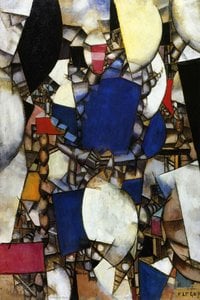
Il dipinto del 1924 di Fernand Léger, “Tre personaggi”, è un'opera fondamentale che esemplifica il suo contributo distintivo al Cubismo, uno stile che l'artista ha evoluto in modo unico in quella che divenne nota come “Tubismo”. Più che un semplice esercizio di astrazione geometrica, questo pezzo offre uno sguardo affascinante sulla visione dell'artista della vita moderna e della connessione umana in piena era di industrializzazione.Decostruire la Composizione: Stile e Tecnica
Léger impiega magistralmente forme cilindriche semplificate per ritrarre tre figure posizionate l'una vicino all'altra. Non si tratta di una rappresentazione realistica, bensì di una deliberata frammentazione e riassemblaggio della realtà attraverso una lente cubista. Il dipinto evita la prospettiva tradizionale, presentando molteplici punti di vista simultaneamente all'interno di un piano pittorico appiattito. La tecnica è caratterizzata da pennellate fluide e colori accuratamente sfumati, creando una superficie lucida nonostante l'angolarità delle forme. Ciò genera un senso di solidità e monumentalità, radicando le figure astratte in una presenza quasi scultorea.Una Tavolozza di Modernità: Colore e Simbolismo
Sebbene radicato nell'approccio analitico del Cubismo, “Tre personaggi” si distingue per la sua vibrante tavolozza cromatica. Léger va oltre i toni smorzati spesso associati al primo Cubismo, abbracciando sfumature audaci che iniettano energia e calore nella composizione. L'inclusione di oggetti simbolici – una mazza da baseball e un libro – aggiunge strati di significato. Questi non sono semplici elementi decorativi; rappresentano aspetti della vita quotidiana, del tempo libero e della ricerca intellettuale, accennando all'interesse di Léger nel ritrarre l'individuo moderno all'interno del proprio ambiente. Le figure stesse non sono ritratti, ma archetipi che rappresentano aspetti universali dell'esperienza umana.Contesto Storico: Il Cubismo e Oltre
Creato nelle conseguenze della Prima Guerra Mondiale, “Tre personaggi” riflette un più ampio cambiamento culturale verso l'accoglienza della modernità e dell'industrializzazione. Léger, insieme a Picasso e Braque, fu all'avanguardia della rivoluzione cubista, sfidando le convenzioni artistiche tradizionali. Tuttavia, egli si distinse dai suoi pari incorporando elementi dell'estetica meccanica e della cultura popolare nella sua opera. Il suo stile evolvette verso il “Cubismo Cristallino”, enfatizzando grandi piani geometrici sovrapposti e un forte focus sull'attività della superficie. Questo dipinto si erge come testimonianza di tale evoluzione, colmando il divario tra sperimentazione astratta e forma rappresentativa.Risonanza Emotiva e Influenza Duratura
“Tre personaggi” evoca un senso di quieta contemplazione e interconnessione. Nonostante le loro forme astratte, le figure possiedono una presenza palpabile, suggerendo un'esperienza condivisa o un dialogo silenzioso. Il fascino duraturo del dipinto risiede nella sua capacità di risuonare con gli spettatori a livello emotivo, stimolando la riflessione su temi come l'identità, la comunità e la condizione umana. L'opera di Léger ha influenzato profondamente i movimenti artistici successivi, tra cui il Futurismo, l'Arte Astratta e il Surrealismo, consolidando la sua eredità di artista visionario che ha ridefinito le possibilità della pittura nel XX secolo.Considerazioni per il Collezionismo e l'Interior Design
- Compatibilità con lo Stile: Quest'opera si integra perfettamente in interni moderni, minimalisti o Art Déco. Le sue forme geometriche e i colori audaci creano un punto focrendale sorprendente.
- Integrazione della Tavolozza Cromatica: Lo schema cromatico del dipinto può essere richiamato in mobili d'accento, tessuti o colori delle pareti per creare un'estetica di design coesa.
- Suggerimenti per il Posizionamento: Ideale per soggiorni, sale da pranzo o studi privati. Si consiglia di abbinarlo a sculture contemporanee o opere d'arte astratta.
- Potenziale di Investimento: Essendo un'opera seminale di un artista altamente influente, una riproduzione di alta qualità di “Tre personaggi” rappresenta non solo un'aggiunta estetica, ma anche un potenziale investimento nella storia dell'arte.
Domande e risposte
"Tre personaggi" di Fernand Léger è un'opera dai toni chiari o scuri?
Nel complesso, "Tre personaggi" è registrato come luminoso. La luminosità percepita descrive quanto l'opera appaia chiara o scura.
Quale artista e quale stile si celano dietro "Tre personaggi"?
Dietro "Tre personaggi" si trovano Fernand Léger e il movimento Cubist Style.
Qual è la dimensione di stampa consigliata per "Tre personaggi" di Fernand Léger?
Per "Tre personaggi", si consiglia un formato di stampa Grande formato. Sono disponibili altri formati con le stesse proporzioni.
Opere correlate




Biografia dell'artista
vitae e formazione
Fernand Léger, pittore, scultore e filmmaker francese, nacque il 4 febbraio 1881 ad Argentan, Orne, nella bassa Normandia. Suo padre allevava bovini e Léger iniziò la sua formazione come architetto nel 1897-1899. Successivamente si trasferì a Parigi nel 1900, sostenendosi con il lavoro di disegnatore architettonico.sviluppo artistico
Le prime opere di Léger furono influenzate dall'impressionismo, come visto in Le jardin de ma mère (Il giardino di mia madre) (1905). Dopo aver frequentato la scuola d'arte decorativa e l'Académie Julian, iniziò a lavorare seriamente come pittore a 25 anni. Il suo stile si evolse in una forma personale di cubismo, che i critici definirono "tubismo" per la sua enfasi su forme cilindriche.Cubismo e il gruppo dei Puteaux
Nel 1910, Léger espose al Salon d'automne insieme a Jean Metzinger e Henri Le Fauconnier. Entrò nel gruppo dei Puteaux, noto anche come la sezione d'or (la sezione aurea), insieme ad altri artisti come Francis Picabia e Marcel Duchamp.Guerra e la sua influenza sull'opera di Léger
Le esperienze di Léger nella Prima Guerra Mondiale ebbero un impatto significativo sulla sua opera. Durante il suo tempo al fronte, produsse schizzi di pezzi d'artiglieria, aerei e soldati. Il suo dipinto Soldier with a Pipe (1916) riflette questo periodo.Lavoro successivo e eredità
Il lavoro post-bellico di Léger, caratterizzato da forme meccaniche lisce, lo legò alla tradizione della pittura figurativa francese. I suoi paesaggi animati del 1921 mostrarono figure e animali in forme armoniose e razionalizzate.- visualizza le opere di Fernand Léger su ArtsDot
- altro sul Fernand Léger su Wikipedia
- scopri il Musée National Fernand Légère (Francia) con ArtsDot
- La donna seduta (100 x 81 cm, tubismo)
- Elemento macchina (cubismo)

Fernand Léger
1881 - 1955 , Francia
Informazioni rapide
- Artisti Influenti:
- Cézanne
- Impressionismo
- Artisti Influenzati: ['Pop Art']
- Data Di Nascita: 4 febbraio 1881
- Luogo Di Nascita: Argentan, Francia
- Movimento Artistico: Cubismo, Tubismo
- Nazionalità: Francese
- Nome Completo: Fernand Léger
- Opere Notevoli:
- La Grande Parata
- L'Elemento Macchina
- Donna Seduta
- The City
Articoli correlati

Astrazione Geometrica: 10 Capolavori che Hanno Definito un Movimento Artistico
Esplora i 10 capolavori dell'Astrazione Geometrica: Mondrian, Malevich e Kandinsky rivoluzionano l'arte moderna. Scopri la storia, i colori e le tecniche di questi movimenti iconici. Stampe d'arte di alta qualità su ArtsDot.com!

Arte Industriale: 10 Capolavori che Rivoluzionano l'Estetica e Decorano la Casa
Esplora 10 capolavori di Monet, Manet e altri maestri che catturano l'essenza dell'arte industriale. Scopri storie, tecniche e colori unici per decorare la tua casa con stampe su tela di alta qualità. ArtsDot.com: arte collezione online.
Cubismo Espressionista: 10 Capolavori che Hanno Definito un Movimento Artistico Rivoluzionario
Esplora i 10 capolavori che hanno rivoluzionato l'arte con il Cubismo Espressionista! Scopri Picasso, Braque e altri maestri. Quadri famosi, tecniche innovative e colori audaci ti aspettano su ArtsDot.com. Trova la tua prossima opera d'arte!

I 10 Capolavori Cubisti che Hanno Rivoluzionato il Ritratto | ArtsDot
Esplora i 10 capolavori cubisti che hanno rivoluzionato il ritratto! Scopri Picasso, Braque e Gris e la storia di questo movimento artistico. Trova riproduzioni d'arte di alta qualità per decorare casa con stile su ArtsDot.com.

Fernand Léger: I 25 Capolavori che Hanno Definito l'Arte Moderna | ArtsDot
Esplora i 25 capolavori di Fernand Léger, pioniere del cubismo e del tubismo. Scopri la storia, le tecniche e l'impatto dell'arte moderna francese. Stampe d'arte e riproduzioni su ArtsDot.com.


