

 Anteprima in scala reale
 Invia
Invia Condividi
 Dettagli opera
 Guida
Guida

 Scarica
 Simili
 Radiografia
 Slideshow
 Domande e risposte
 Statistiche
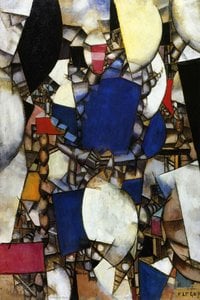
The Stairway

- 144.0 x 118.0 cm


 Espandi i dettagli
Giclée / Stampe d'arte
Stampa giclée o su tela di qualità museale, con produzione rapida e diverse opzioni di finitura. ( Acquista il dipinto realizzato a mano Passa all'immagine digitale)




P118B €10

P118H €10

P118W €10

P438Z €10

P508JH €12

P508YH €12

P805H €10

P805Z €10

P919BZ €10

P919G €10

P919XJ €10

P959ZH €10

P968JZ €12

W106C €8

W218G €10

W218JH €8

W218Y €10

W307PJ €10

W316G €10

W316PJ €8

W316Y €10

W398PJ €8

W4111J €10

W500HY €15

W500JH €15

W692G €12

W849H €8

W940BG €15

W953PJ €8




Scegli tra le nostre dimensioni predefinite, che rispettano le proporzioni originali dell'opera d'arte.

Inserisci la larghezza e l'altezza desiderate, per adattarle alla tua cornice o alla tua parete. Una stampa può essere solo ritagliata, mai resa più grande dell'immagine originale; pertanto, un formato con una forma differente comporterà la perdita di una parte dell'opera. Ti invieremo un mockup digitale da approvare prima di procedere con la stampa. L'immagine mostrata in questa pagina non rappresenta il ritaglio reale — solo il mockup lo mostra.
Consegna in tutto il mondo () in 2 settimane invece delle normali 4/5 settimane. (4 Novembre)

Spedizione espressa gratuita in tutto il mondo

Tela in lino di alta qualità

Assicurazione completa sulla spedizione

Garanzia di rimborso dei dazi doganali

Garanzia di fedeltà cromatica assoluta

Politica di reso entro 100 giorni (solo per difetti di fabbricazione)

Garanzia di rimborso al 100%

Offerta per acquisti multipli
 L'opzione vetro è disponibile solo per dimensioni inferiori a 110 cm

The Stairway
Giclée / Stampe d'arte
Dimensioni riproduzione
-


Prezzo finale calcolato
€ 56
A Revolution in Form: Exploring Léger’s ‘The Stairway’ (1913)
Fernand Léger's *The Stairway*, painted in 1913, stands as a pivotal work bridging the gap between Cubism and his signature “Tubism.” This dynamic composition isn’t merely a depiction of figures on stairs; it’s a bold statement about modernity, mechanization, and the evolving relationship between humanity and the machine age.Deconstructing Reality: Style & Technique
The painting exemplifies Léger's move away from traditional representation towards geometric abstraction. Cubist principles are readily apparent in the fragmented forms and multiple perspectives presented simultaneously, yet *The Stairway* distinguishes itself through its emphasis on cylindrical and conical shapes – a hallmark of his developing style. The artist masterfully employs a limited but powerful palette of primary colors (red, blue, yellow) contrasted with stark blacks, whites, and greys. This deliberate contrast isn’t simply aesthetic; it embodies the dynamics of modern life, mirroring the energy and tension of an increasingly industrialized world. The technique involves layering paint to create a dense surface, with visible brushstrokes contributing to the painting's tactile quality despite its overall smoothness.A World in Flux: Historical Context & Influences
Created on the cusp of World War I, *The Stairway* reflects the anxieties and transformations of early 20th-century Europe. Léger, initially an Impressionist, embraced Cubism around 1909, but the war profoundly impacted his artistic vision. The ensuing sense of fragmentation and destabilization found expression in new art forms like collage and assemblage. Léger wasn’t simply reacting to destruction; he was fascinated by the mechanization of the world. He saw beauty and power in machines, believing they represented the future – a belief that permeated his work during this period. The painting embodies the spirit of innovation and change that defined the era.Beyond Representation: Subject & Symbolism
The subject matter appears to depict three figures engaged in some form of movement, possibly dancing or performing. However, their identities are deliberately obscured by the Cubist fragmentation. This isn’t a portrait of individuals; it's an exploration of humanity as part of a larger mechanical system. The angular steps contrast with the rounded appendages of the figures, further emphasizing this interplay between organic and inorganic forms. While lacking overt symbolism, the painting evokes a sense of energy, rhythm, and perhaps even alienation – emotions central to the modern experience.Emotional Resonance & Lasting Impact
*The Stairway* isn’t a comfortable or passive viewing experience. Its dynamic composition and bold colors create a feeling of instability and movement. The fragmented forms challenge conventional notions of beauty and representation, forcing the viewer to actively engage with the artwork. This painting is not just a visual statement; it's an intellectual one. Léger’s work paved the way for later movements like Pop Art, influencing artists who also explored the relationship between art, technology, and popular culture. Its architectural order within the visual arts makes it a striking piece suitable for modern interiors seeking a bold focal point. Measuring 144 x 118 cm, *The Stairway* commands attention and continues to resonate with audiences today as a powerful testament to the transformative power of modernity.Domande e risposte
Come posso visualizzare un'anteprima di una riproduzione di "The Stairway" di Fernand Léger?
È disponibile un'anteprima di "The Stairway" di Fernand Léger nella pagina Anteprima in ambiente dell'opera.
Chi ha creato "The Stairway" e in quale anno?
"The Stairway" è stata creata da Fernand Léger nel 1913.
A quale periodo della carriera di Fernand Léger appartiene "The Stairway"?
"The Stairway" rappresenta il Early Cubism di Fernand Léger.
Opere simili




Biografia dell'artista
vitae e formazione
Fernand Léger, pittore, scultore e filmmaker francese, nacque il 4 febbraio 1881 ad Argentan, Orne, nella bassa Normandia. Suo padre allevava bovini e Léger iniziò la sua formazione come architetto nel 1897-1899. Successivamente si trasferì a Parigi nel 1900, sostenendosi con il lavoro di disegnatore architettonico.sviluppo artistico
Le prime opere di Léger furono influenzate dall'impressionismo, come visto in Le jardin de ma mère (Il giardino di mia madre) (1905). Dopo aver frequentato la scuola d'arte decorativa e l'Académie Julian, iniziò a lavorare seriamente come pittore a 25 anni. Il suo stile si evolse in una forma personale di cubismo, che i critici definirono "tubismo" per la sua enfasi su forme cilindriche.Cubismo e il gruppo dei Puteaux
Nel 1910, Léger espose al Salon d'automne insieme a Jean Metzinger e Henri Le Fauconnier. Entrò nel gruppo dei Puteaux, noto anche come la sezione d'or (la sezione aurea), insieme ad altri artisti come Francis Picabia e Marcel Duchamp.Guerra e la sua influenza sull'opera di Léger
Le esperienze di Léger nella Prima Guerra Mondiale ebbero un impatto significativo sulla sua opera. Durante il suo tempo al fronte, produsse schizzi di pezzi d'artiglieria, aerei e soldati. Il suo dipinto Soldier with a Pipe (1916) riflette questo periodo.Lavoro successivo e eredità
Il lavoro post-bellico di Léger, caratterizzato da forme meccaniche lisce, lo legò alla tradizione della pittura figurativa francese. I suoi paesaggi animati del 1921 mostrarono figure e animali in forme armoniose e razionalizzate.- visualizza le opere di Fernand Léger su ArtsDot
- altro sul Fernand Léger su Wikipedia
- scopri il Musée National Fernand Légère (Francia) con ArtsDot
- La donna seduta (100 x 81 cm, tubismo)
- Elemento macchina (cubismo)

Fernand Léger
1881 - 1955 , Francia
Dettagli rapidi
- Artisti Influenti:
- Cézanne
- Impressionismo
- Artisti Influenzati: ['Pop Art']
- Data Di Nascita: 4 febbraio 1881
- Luogo Di Nascita: Argentan, Francia
- Movimento Artistico: Cubismo, Tubismo
- Nazionalità: Francese
- Nome Completo: Fernand Léger
- Opere Notevoli:
- La Grande Parata
- L'Elemento Macchina
- Donna Seduta
- The City
Articoli correlati
The Allure of Azure: Exploring the Symbolic & Aesthetic Depths of Blue in Art History
Explore the rich history of blue in art! Discover its symbolism, from ancient pigments to modern masterpieces by Kandinsky & Seurat. Uncover the psychological impact and cultural meanings behind this captivating hue.

I 25 capolavori di Fernand Léger: l'energia dell'era meccanica
Scopri i 25 capolavori di Fernand Léger e l'estetica del Tubismo. Esplora la collezione su ArtsDot.com.

I 10 Dipinti Più Famosi Dominati dal Blu Ardesia: Storia, Arte e Decorazioni Raffinate
Esplora i 10 dipinti più iconici dominati dal blu ardesia! Scopri la storia, gli artisti e le tecniche dietro capolavori impressionisti e moderni. Trova riproduzioni artistiche di alta qualità per decorare casa con .

Bianco Sublime: I 10 Dipinti Più Famosi Dominati dal Colore Bianco | .it
Esplora i 10 dipinti più celebri dominati dal bianco, da Monet a Malevich. Scopri la storia, le tecniche e l'impatto di queste opere iconiche. Trova stampe su tela e riproduzioni d'arte di alta qualità per decorare casa con stile su .

Arte Industriale: 10 Capolavori che Rivoluzionano l'Estetica e Decorano la Casa
Esplora 10 capolavori di Monet, Manet e altri maestri che catturano l'essenza dell'arte industriale. Scopri storie, tecniche e colori unici per decorare la tua casa con stampe su tela di alta qualità. ArtsDot.com: arte collezione online.


