


 Anteprima in scala reale
 Invia
Invia Condividi
 Dettagli opera

 Scarica immagine
 Simili
 Radiografia
 Slideshow
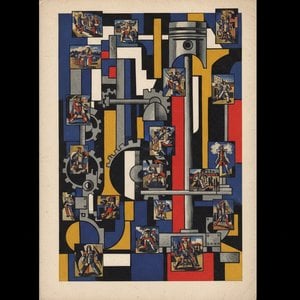
The great stop on a red background

 Espandi i dettagli
Riproduzione a olio fatta a mano
Olio su tela dipinto a mano nelle tue dimensioni e con la tua cornice, realizzato su ordinazione dai nostri artisti. ( Acquista stampa Acquista immagine)




P118B $10

P118H $10

P118W $10

P438Z $10

P508JH $12

P508YH $12

P805H $10

P805Z $10

P919BZ $10

P919G $10

P919XJ $10

P959ZH $10

P968JZ $12

W106C $8

W218G $10

W218JH $8

W218Y $10

W307PJ $10

W316G $10

W316PJ $8

W316Y $10

W398PJ $8

W4111J $10

W500HY $15

W500JH $15

W692G $12

W849H $8

W940BG $15

W953PJ $8




Scegli tra le nostre dimensioni predefinite, che rispettano le proporzioni originali dell'opera d'arte.

È possibile inserire dimensioni personalizzate per adattare l'opera a una cornice o a uno spazio specifico. Se la dimensione selezionata non corrisponde alle proporzioni dell'immagine originale, provvederemo a ritagliare l'opera o a estendere il dipinto con elementi aggiuntivi dipinti a mano. Un mockup digitale ti sarà inviato per approvazione prima dell'inizio della produzione.
Si prega di notare che l'anteprima a schermo non riflette il ritaglio o l'estensione effettivi. Solo il mockup mostrerà accuratamente la composizione finale.
Sebbene siano disponibili dimensioni personalizzate, consigliamo di selezionare una dimensione dall'elenco predefinito per preservare le proporzioni originali.
Dopo l'ordine, il team di ArtsDot.com contatterà il cliente via e-mail per le istruzioni e fornirà un'anteprima del mockup
Consegna in tutto il mondo () in 3/4 settimane anziché nelle normali 5 settimane. (22 Agosto). Nessun compromesso sulla qualità.

Spedizione espressa gratuita in tutto il mondo

Tela in lino di alta qualità

Assicurazione completa sulla spedizione

Garanzia di rimborso dei dazi doganali

Garanzia di fedeltà cromatica

Politica di reso entro 60 giorni (solo per difetti di fabbricazione)

Garanzia di rimborso al 100%

Offerta per acquisti multipli
 L'opzione vetro è disponibile solo per dimensioni inferiori a 110 cm

The great stop on a red background
Tecnica di riproduzione
Dimensioni riproduzione
-


Prezzo totale calcolato
$ 263
Descrizione dell'opera
A Symphony of Steel and Soul: Exploring Fernand Léger’s “The Great Stop”
Fernand Léger's "The Great Stop," painted in 1931, isn’t merely a depiction of horses and musicians; it’s an audacious declaration that the anxieties and exhilarations of industrial progress could coexist with profound artistic expression. Léger, born Joseph Fernand Henri Léger in Argentan, Normandy, in 1881, arrived in Paris around 1900 armed with architectural ambitions but swiftly seduced by the burgeoning world of painting – a decision that would irrevocably alter his trajectory and solidify his place as one of the most influential artists of the early twentieth century. Unlike many of his peers who sought refuge in pure abstraction, Léger confronted the mechanized landscape head-on, determined to translate its rhythms into a visual language that retained an undeniable connection to tangible reality.- Style and Technique: Léger’s distinctive style – dubbed “Constructivist Surrealism” – fused elements of Cubism with the geometric precision of Constructivism. He employed bold, angular forms reminiscent of machine parts, juxtaposed against organic shapes mirroring natural landscapes. This paradoxical combination created a visual tension that mirrored the anxieties surrounding urbanization and technological advancement during the Weimar Republic.
- Historical Context: The painting emerged from a period marked by profound societal shifts – the rise of industrial capitalism, the burgeoning influence of psychoanalysis, and the escalating tensions leading up to World War II. Léger’s artistic response wasn't simply aesthetic; it reflected a broader preoccupation with capturing the psychological impact of modernity on the human psyche.
Decoding the Symbolism: Horses, Musicians, and Time
The imagery within “The Great Stop” is laden with symbolic significance. The horses themselves represent strength, nobility, and tradition – qualities Léger sought to preserve amidst the encroaching dominance of machinery. Simultaneously, they embody a primal connection to the earth, anchoring the composition in a grounding element. Surrounding them are musicians playing instruments like trumpets and saxophones, symbolizing creativity, communication, and the pursuit of beauty—a deliberate counterpoint to the perceived sterility of industrial society. Notably, a prominent clock dominates the background, serving as a visual reminder of time’s relentless march forward, yet its fractured face suggests an unsettling disruption of conventional notions of chronology.Emotional Resonance: Capturing the Paradox of Progress
Léger's masterful manipulation of color and form contributes significantly to the painting’s emotional impact. Dominant hues of red and yellow convey a sense of urgency and dynamism, mirroring the frenetic pace of industrial life. However, interspersed amongst these energetic tones are patches of muted blues and greens—a subtle acknowledgment of the enduring beauty and tranquility found in nature. The overall effect is one of captivating tension – an invitation to contemplate the complex interplay between tradition and innovation, fear and fascination. Léger succeeded in conveying not just what he *saw*, but also how it *felt*—a feat that continues to resonate with viewers today.A Legacy Enduring Through Reproduction
“The Great Stop” exemplifies Léger’s unwavering commitment to translating the anxieties and aspirations of his era into a uniquely expressive artistic idiom. Its enduring appeal lies in its ability to provoke contemplation about our relationship with technology, culture, and the human spirit. High-quality reproductions offer an opportunity to experience this seminal artwork firsthand—a chance to immerse oneself in Léger’s visionary synthesis of form and emotion and to appreciate the profound beauty embedded within a celebration of both steel and soul.Opere simili


Biografia dell'artista
vitae e formazione
Fernand Léger, pittore, scultore e filmmaker francese, nacque il 4 febbraio 1881 ad Argentan, Orne, nella bassa Normandia. Suo padre allevava bovini e Léger iniziò la sua formazione come architetto nel 1897-1899. Successivamente si trasferì a Parigi nel 1900, sostenendosi con il lavoro di disegnatore architettonico.sviluppo artistico
Le prime opere di Léger furono influenzate dall'impressionismo, come visto in Le jardin de ma mère (Il giardino di mia madre) (1905). Dopo aver frequentato la scuola d'arte decorativa e l'Académie Julian, iniziò a lavorare seriamente come pittore a 25 anni. Il suo stile si evolse in una forma personale di cubismo, che i critici definirono "tubismo" per la sua enfasi su forme cilindriche.Cubismo e il gruppo dei Puteaux
Nel 1910, Léger espose al Salon d'automne insieme a Jean Metzinger e Henri Le Fauconnier. Entrò nel gruppo dei Puteaux, noto anche come la sezione d'or (la sezione aurea), insieme ad altri artisti come Francis Picabia e Marcel Duchamp.Guerra e la sua influenza sull'opera di Léger
Le esperienze di Léger nella Prima Guerra Mondiale ebbero un impatto significativo sulla sua opera. Durante il suo tempo al fronte, produsse schizzi di pezzi d'artiglieria, aerei e soldati. Il suo dipinto Soldier with a Pipe (1916) riflette questo periodo.Lavoro successivo e eredità
Il lavoro post-bellico di Léger, caratterizzato da forme meccaniche lisce, lo legò alla tradizione della pittura figurativa francese. I suoi paesaggi animati del 1921 mostrarono figure e animali in forme armoniose e razionalizzate.- visualizza le opere di Fernand Léger su ArtsDot
- altro sul Fernand Léger su Wikipedia
- scopri il Musée National Fernand Légère (Francia) con ArtsDot
- La donna seduta (100 x 81 cm, tubismo)
- Elemento macchina (cubismo)

Fernand Léger
1881 - 1955 , Francia
Dati rapidi
- Artisti Influenti:
- Cézanne
- Impressionismo
- Artisti Influenzati: ['Pop Art']
- Data Di Nascita: 4 febbraio 1881
- Luogo Di Nascita: Argentan, Francia
- Movimento Artistico: Cubismo, Tubismo
- Nazionalità: Francese
- Nome Completo: Fernand Léger
- Opere Notevoli:
- La Grande Parata
- L'Elemento Macchina
- Donna Seduta
- The City
Articoli correlati
Fernand Léger: I 25 Capolavori che Hanno Definito l'Arte Moderna | ArtsDot
Esplora i 25 capolavori di Fernand Léger, pioniere del cubismo e del tubismo. Scopri la storia, le tecniche e l'impatto dell'arte moderna francese. Stampe d'arte e riproduzioni su ArtsDot.com.
Harmonies on Canvas: Exploring the Visual Representation of Music in Art History
Explore the fascinating history of music's visual representation in art! From ancient symbolism to modern abstraction, discover how artists have captured sound and emotion on canvas. Expert insights & stunning examples.

Astrazione Geometrica: 10 Capolavori che Hanno Definito un Movimento Artistico
Esplora i 10 capolavori dell'Astrazione Geometrica: Mondrian, Malevich e Kandinsky rivoluzionano l'arte moderna. Scopri la storia, i colori e le tecniche di questi movimenti iconici. Stampe d'arte di alta qualità su ArtsDot.com!

Espressionismo Astratto: I 10 Capolavori che Hanno Definito un Movimento Artistico Rivoluzionario
Esplora i 10 capolavori dell'Espressionismo Astratto con ! Scopri Pollock, Rothko e De Kooning: storia, tecnica e significato di opere iconiche per arredare la tua casa con arte di alta qualità. Esplora la collezione online!

Kandinsky: I 25 Capolavori che Hanno Rivoluzionato l'Arte Moderna | ArtsDot
Esplora i 25 capolavori di Wassily Kandinsky, pioniere dell'arte astratta. Scopri la storia, il significato e le tecniche dietro ogni dipinto iconico. Trova riproduzioni d'arte di alta qualità per decorare la tua casa su ArtsDot.com.



