


 Anteprima in scala reale
 Invia
Invia Condividi
 Dettagli opera

 Scarica immagine
 Simili
 Radiografia
 Slideshow
The great Julie


 Espandi i dettagli
Riproduzione a olio fatta a mano
Olio su tela dipinto a mano nelle tue dimensioni e con la tua cornice, realizzato su ordinazione dai nostri artisti. ( Acquista stampa Acquista immagine)




P118B $10

P118H $10

P118W $10

P438Z $10

P508JH $12

P508YH $12

P805H $10

P805Z $10

P919BZ $10

P919G $10

P919XJ $10

P959ZH $10

P968JZ $12

W106C $8

W218G $10

W218JH $8

W218Y $10

W307PJ $10

W316G $10

W316PJ $8

W316Y $10

W398PJ $8

W4111J $10

W500HY $15

W500JH $15

W692G $12

W849H $8

W940BG $15

W953PJ $8




Scegli tra le nostre dimensioni predefinite, che rispettano le proporzioni originali dell'opera d'arte.

È possibile inserire dimensioni personalizzate per adattare l'opera a una cornice o a uno spazio specifico. Se la dimensione selezionata non corrisponde alle proporzioni dell'immagine originale, provvederemo a ritagliare l'opera o a estendere il dipinto con elementi aggiuntivi dipinti a mano. Un mockup digitale ti sarà inviato per approvazione prima dell'inizio della produzione.
Si prega di notare che l'anteprima a schermo non riflette il ritaglio o l'estensione effettivi. Solo il mockup mostrerà accuratamente la composizione finale.
Sebbene siano disponibili dimensioni personalizzate, consigliamo di selezionare una dimensione dall'elenco predefinito per preservare le proporzioni originali.
Dopo l'ordine, il team di ArtsDot.com contatterà il cliente via e-mail per le istruzioni e fornirà un'anteprima del mockup
Consegna in tutto il mondo () in 3/4 settimane anziché nelle normali 5 settimane. (25 Agosto). Nessun compromesso sulla qualità.

Spedizione espressa gratuita in tutto il mondo

Tela in lino di alta qualità

Assicurazione completa sulla spedizione

Garanzia di rimborso dei dazi doganali

Garanzia di fedeltà cromatica

Politica di reso entro 60 giorni (solo per difetti di fabbricazione)

Garanzia di rimborso al 100%

Offerta per acquisti multipli
 L'opzione vetro è disponibile solo per dimensioni inferiori a 110 cm

The great Julie
Tecnica di riproduzione
Dimensioni riproduzione
-


Prezzo totale calcolato
$ 263
Descrizione dell'opera
The Great Julie: A Mechanical Reverie by Fernand Léger
Fernand Léger’s “The Great Julie,” painted in 1945, is more than just a portrait; it's a vibrant embodiment of the artist’s core philosophy – a harmonious fusion of industrial dynamism and human form. This captivating work, depicting a woman enveloped in orange attire holding a colossal gear, immediately draws the viewer into Léger’s unique visual world, one where the rhythms of machinery are translated into powerful artistic expression. The painting's energy is palpable, fueled by Léger’s fascination with the burgeoning industrial landscape of early 20th-century Europe and his desire to represent it not as a threat, but as an integral part of the human experience.
- Subject & Composition: The central figure, “The Great Julie,” is presented in a strikingly dynamic pose. Her outstretched arm cradles a large gear – a symbol of industrial power and technological advancement – while her orange clothing acts as a bold counterpoint to the mechanical elements surrounding her. Two figures flank her, adding depth and suggesting a narrative context within Léger’s vision.
- Style & Technique: “The Great Julie” exemplifies Léger's signature "Tubism," an evolution of his earlier Cubist explorations. The painting showcases simplified geometric forms – circles, squares, and cylinders – rendered with bold, flat planes of color. This technique creates a sense of movement and emphasizes the underlying structure of objects, mirroring Léger’s interest in the mechanics of modern life. The use of vibrant orange, yellow, and red further amplifies this visual impact.
Historical Context & Léger's Vision
Created in 1945, “The Great Julie” reflects a pivotal moment in art history – the aftermath of World War II and the continued rise of industrialization. Léger’s work emerged from a period of intense artistic experimentation following the devastation of the war. While Cubism had begun to fragment reality, Léger sought to synthesize these fragmented perspectives into a new aesthetic that embraced modernity. He wasn't rejecting traditional representation; rather, he was reinterpreting it through the lens of the machine age, believing that art could and should reflect the changing world around him. The presence of the cross in the background subtly introduces a spiritual dimension, perhaps suggesting a reconciliation between faith and progress – a common theme within Léger’s oeuvre.
- Léger's Influences: Léger was profoundly influenced by the work of Paul Cézanne, whose emphasis on geometric forms paved the way for Cubism. However, unlike Picasso and Braque, who pushed abstraction further, Léger retained a strong connection to representational imagery, albeit filtered through his unique mechanical vision.
- The "Machine Aesthetic": Léger’s fascination with machines extended beyond mere visual representation; he saw them as embodying fundamental principles of order, efficiency, and dynamism – qualities he sought to capture in his art.
Symbolism & Emotional Impact
“The Great Julie” is rich in symbolic meaning. The gear itself represents the power and potential of industry, but also its inherent dangers if unchecked. The woman’s pose suggests a contemplative engagement with this force – perhaps a warning or a celebration of human ingenuity. The scattered birds add an element of fragility and vulnerability to the scene, reminding us that even amidst technological advancement, nature remains a vital part of our world. The painting evokes a sense of both awe and unease, inviting viewers to contemplate the complex relationship between humanity and technology.
- Color Palette: The bold use of color – orange, yellow, red, and white – contributes significantly to the painting’s emotional impact, conveying energy, dynamism, and a sense of optimism.
- Overall Impression: “The Great Julie” is a powerful statement about the modern age, capturing Léger's belief that art could be both aesthetically compelling and intellectually stimulating. It remains a testament to his innovative spirit and his enduring legacy as one of the most important figures in 20th-century art.
Opere simili


Biografia dell'artista
vitae e formazione
Fernand Léger, pittore, scultore e filmmaker francese, nacque il 4 febbraio 1881 ad Argentan, Orne, nella bassa Normandia. Suo padre allevava bovini e Léger iniziò la sua formazione come architetto nel 1897-1899. Successivamente si trasferì a Parigi nel 1900, sostenendosi con il lavoro di disegnatore architettonico.sviluppo artistico
Le prime opere di Léger furono influenzate dall'impressionismo, come visto in Le jardin de ma mère (Il giardino di mia madre) (1905). Dopo aver frequentato la scuola d'arte decorativa e l'Académie Julian, iniziò a lavorare seriamente come pittore a 25 anni. Il suo stile si evolse in una forma personale di cubismo, che i critici definirono "tubismo" per la sua enfasi su forme cilindriche.Cubismo e il gruppo dei Puteaux
Nel 1910, Léger espose al Salon d'automne insieme a Jean Metzinger e Henri Le Fauconnier. Entrò nel gruppo dei Puteaux, noto anche come la sezione d'or (la sezione aurea), insieme ad altri artisti come Francis Picabia e Marcel Duchamp.Guerra e la sua influenza sull'opera di Léger
Le esperienze di Léger nella Prima Guerra Mondiale ebbero un impatto significativo sulla sua opera. Durante il suo tempo al fronte, produsse schizzi di pezzi d'artiglieria, aerei e soldati. Il suo dipinto Soldier with a Pipe (1916) riflette questo periodo.Lavoro successivo e eredità
Il lavoro post-bellico di Léger, caratterizzato da forme meccaniche lisce, lo legò alla tradizione della pittura figurativa francese. I suoi paesaggi animati del 1921 mostrarono figure e animali in forme armoniose e razionalizzate.- visualizza le opere di Fernand Léger su ArtsDot
- altro sul Fernand Léger su Wikipedia
- scopri il Musée National Fernand Légère (Francia) con ArtsDot
- La donna seduta (100 x 81 cm, tubismo)
- Elemento macchina (cubismo)

Fernand Léger
1881 - 1955 , Francia
Dati rapidi
- Artisti Influenti:
- Cézanne
- Impressionismo
- Artisti Influenzati: ['Pop Art']
- Data Di Nascita: 4 febbraio 1881
- Luogo Di Nascita: Argentan, Francia
- Movimento Artistico: Cubismo, Tubismo
- Nazionalità: Francese
- Nome Completo: Fernand Léger
- Opere Notevoli:
- La Grande Parata
- L'Elemento Macchina
- Donna Seduta
- The City
Articoli correlati

Fernand Léger: I 25 Capolavori che Hanno Definito l'Arte Moderna | ArtsDot
Esplora i 25 capolavori di Fernand Léger, pioniere del cubismo e del tubismo. Scopri la storia, le tecniche e l'impatto dell'arte moderna francese. Stampe d'arte e riproduzioni su ArtsDot.com.

Giclée Prints: Archival Quality & Aesthetic Nuances for the Discerning Collector
Explore the world of giclée prints with ArtsDot. Learn about archival quality, aesthetic nuances & investment potential. Expert guidance for discerning art collectors seeking museum-quality reproductions and lasting value.

Paul Klee: Le 25 Opere Più Iconiche per Arricchire la Tua Casa con l'Arte
Esplora le 25 opere più iconiche di Paul Klee, maestro dell'arte astratta e del colore. Scopri la storia, lo stile unico e il significato dei suoi capolavori. Trova riproduzioni d'arte di alta qualità per decorare casa con ArtsDot.com.

Arte Industriale: 10 Capolavori che Rivoluzionano l'Estetica e Decorano la Casa
Esplora 10 capolavori di Monet, Manet e altri maestri che catturano l'essenza dell'arte industriale. Scopri storie, tecniche e colori unici per decorare la tua casa con stampe su tela di alta qualità. ArtsDot.com: arte collezione online.
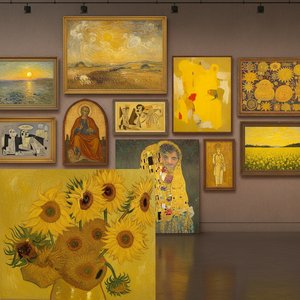
I 10 Dipinti Più Famosi Inondati di Giallo Cromatico: Arte e Decorazioni Raffinate
Esplora i 10 dipinti più iconici dominati dal giallo cromatico! Van Gogh, Monet e altri maestri celebrano questo colore vibrante. Scopri storie, tecniche e acquista stampe di alta qualità su ArtsDot.com.



