


 Anteprima in scala reale
 Invia
Invia Condividi
 Dettagli opera

 Scarica immagine
 Simili
 Radiografia
 Slideshow
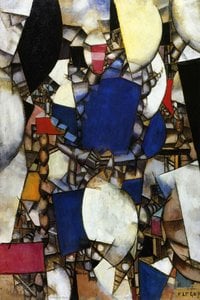
'The album ''Circus'''


 Espandi i dettagli
Giclée / Stampe d'arte
Stampa giclée o su tela di qualità museale, con produzione rapida e diverse opzioni di finitura. ( Acquista il dipinto realizzato a mano Acquista immagine)




P118B $10

P118H $10

P118W $10

P438Z $10

P508JH $12

P508YH $12

P805H $10

P805Z $10

P919BZ $10

P919G $10

P919XJ $10

P959ZH $10

P968JZ $12

W106C $8

W218G $10

W218JH $8

W218Y $10

W307PJ $10

W316G $10

W316PJ $8

W316Y $10

W398PJ $8

W4111J $10

W500HY $15

W500JH $15

W692G $12

W849H $8

W940BG $15

W953PJ $8




Scegli tra le nostre dimensioni predefinite, che rispettano le proporzioni originali dell'opera d'arte.

È possibile inserire dimensioni personalizzate per adattare l'opera a una cornice o a uno spazio specifico. Se la dimensione selezionata non corrisponde alle proporzioni dell'immagine originale, procederemo al ritaglio dell'opera o all'estensione dell'immagine con un bordo specchiato o a tinta unita. Un mockup digitale ti verrà inviato per approvazione prima dell'inizio della produzione.
Si prega di notare che l'anteprima a schermo non riflette il ritaglio o l'estensione effettivi. Solo il mockup mostrerà accuratamente la composizione finale.
Sebbene siano disponibili dimensioni personalizzate, si raccomanda di selezionare una dimensione dall'elenco predefinito per preservare le proporzioni originali.
Consegna in tutto il mondo () in 2 settimane invece delle normali 4/5 settimane. (26 Agosto)

Spedizione espressa gratuita in tutto il mondo

Tela in lino di alta qualità

Assicurazione completa sulla spedizione

Garanzia di rimborso dei dazi doganali

Garanzia di fedeltà cromatica

Politica di reso entro 60 giorni (solo per difetti di fabbricazione)

Garanzia di rimborso al 100%

Offerta per acquisti multipli
 L'opzione vetro è disponibile solo per dimensioni inferiori a 110 cm

'The album ''Circus'''
Giclée / Stampe d'arte
Dimensioni riproduzione
-


Prezzo totale calcolato
$ 62
Descrizione del pezzo
A Celebration of Modernity: Examining Fernand Léger’s ‘The Album “Circus”’
Fernand Léger's "The Album “Circus,” completed in 1950, stands as a remarkable testament to the Purist movement’s ambition – to distill art down to its fundamental geometric forms while simultaneously reflecting the burgeoning dynamism of the industrial age. This watercolor sketch isn’t merely a depiction of a harvest ritual; it's an assertion of optimism and progress against the backdrop of post-war Europe, capturing a moment brimming with energy and purposeful activity. Léger, deeply influenced by Cubism and embracing Art Deco aesthetics, skillfully blends these stylistic currents into a singular visual language that is both intellectually stimulating and emotionally resonant.Style and Technique: Geometric Precision Meets Expressive Line
Léger’s approach to painting distinguishes him from many of his contemporaries who sought refuge in abstraction as an escape from representational concerns. Instead, he actively engaged with the visible world, transforming it into a series of interlocking geometric shapes – circles, squares, triangles – that convey movement and rhythm. The bold lines employed throughout the composition aren’t simply delineating forms; they pulsate with energy, mirroring the relentless pace of industrial life. Léger's technique is characterized by meticulous layering and hatching, creating textures that suggest both solidity and fluidity simultaneously. This masterful control over line and form underscores his belief in conveying complex ideas through simplified visual elements—a cornerstone of Purism’s philosophy.Historical Context: Purism and the Aftermath of War
Created shortly after World War II, “The Album “Circus” reflects the prevailing mood of hope and renewal within Europe. Léger's artistic vision aligns perfectly with Purism, a movement spearheaded by André Breton that championed pure abstraction as a means of purging art from extraneous emotional content. Breton argued that art should liberate itself from bourgeois sentimentality and focus on conveying universal truths through geometric forms—a reaction against the perceived excesses of Surrealism. The image speaks to the rebuilding effort following the devastation of the war, portraying a scene of industriousness and communal celebration – an affirmation of humanity’s capacity for creativity and resilience.Symbolism: Harvesting Progress Amidst Industrial Landscape
Beyond its stylistic brilliance, “The Album “Circus” carries subtle symbolic weight. The harvest ritual itself represents not just sustenance but also the cyclical renewal inherent in nature—a concept mirrored in Léger's geometric forms. The figures depicted are positioned against a stylized landscape dominated by industrial structures, highlighting the tension between tradition and modernity. Yet, Léger doesn’t portray this dichotomy as conflict; rather, he suggests that progress can coexist harmoniously with natural beauty, fostering a sense of optimism about the future.Emotional Impact: A Vibrant Reflection of Human Spirit
Ultimately, “The Album “Circus” succeeds in conveying a powerful emotional response—one of exhilaration and confidence. Léger’s masterful use of color – primarily yellows and blacks – contributes to this effect. The yellow hues symbolize vitality and optimism, while the black tones ground the composition and emphasize the geometric forms' structural integrity. Viewing this artwork evokes a feeling of dynamism and purposeful action, reminding us that even amidst challenging times, human creativity can flourish and illuminate the path forward. It’s a captivating piece that continues to inspire collectors and interior designers alike—a timeless embodiment of Léger’s unwavering belief in the transformative power of art.Opere simili




Biografia dell'artista
vitae e formazione
Fernand Léger, pittore, scultore e filmmaker francese, nacque il 4 febbraio 1881 ad Argentan, Orne, nella bassa Normandia. Suo padre allevava bovini e Léger iniziò la sua formazione come architetto nel 1897-1899. Successivamente si trasferì a Parigi nel 1900, sostenendosi con il lavoro di disegnatore architettonico.sviluppo artistico
Le prime opere di Léger furono influenzate dall'impressionismo, come visto in Le jardin de ma mère (Il giardino di mia madre) (1905). Dopo aver frequentato la scuola d'arte decorativa e l'Académie Julian, iniziò a lavorare seriamente come pittore a 25 anni. Il suo stile si evolse in una forma personale di cubismo, che i critici definirono "tubismo" per la sua enfasi su forme cilindriche.Cubismo e il gruppo dei Puteaux
Nel 1910, Léger espose al Salon d'automne insieme a Jean Metzinger e Henri Le Fauconnier. Entrò nel gruppo dei Puteaux, noto anche come la sezione d'or (la sezione aurea), insieme ad altri artisti come Francis Picabia e Marcel Duchamp.Guerra e la sua influenza sull'opera di Léger
Le esperienze di Léger nella Prima Guerra Mondiale ebbero un impatto significativo sulla sua opera. Durante il suo tempo al fronte, produsse schizzi di pezzi d'artiglieria, aerei e soldati. Il suo dipinto Soldier with a Pipe (1916) riflette questo periodo.Lavoro successivo e eredità
Il lavoro post-bellico di Léger, caratterizzato da forme meccaniche lisce, lo legò alla tradizione della pittura figurativa francese. I suoi paesaggi animati del 1921 mostrarono figure e animali in forme armoniose e razionalizzate.- visualizza le opere di Fernand Léger su ArtsDot
- altro sul Fernand Léger su Wikipedia
- scopri il Musée National Fernand Légère (Francia) con ArtsDot
- La donna seduta (100 x 81 cm, tubismo)
- Elemento macchina (cubismo)

Fernand Léger
1881 - 1955 , Francia
Dati rapidi
- Artisti Influenti:
- Cézanne
- Impressionismo
- Artisti Influenzati: ['Pop Art']
- Data Di Nascita: 4 febbraio 1881
- Luogo Di Nascita: Argentan, Francia
- Movimento Artistico: Cubismo, Tubismo
- Nazionalità: Francese
- Nome Completo: Fernand Léger
- Opere Notevoli:
- La Grande Parata
- L'Elemento Macchina
- Donna Seduta
- The City
Articoli correlati

Fernand Léger: I 25 Capolavori che Hanno Definito l'Arte Moderna | ArtsDot
Esplora i 25 capolavori di Fernand Léger, pioniere del cubismo e del tubismo. Scopri la storia, le tecniche e l'impatto dell'arte moderna francese. Stampe d'arte e riproduzioni su ArtsDot.com.

I 10 Capolavori dell'Acquerello che Hanno Rivoluzionato l'Arte | ArtsDot
Esplora i 10 capolavori dell'acquerello che hanno cambiato la storia dell'arte! Da Turner a Monet, scopri le storie e le tecniche di questi artisti iconici. Trova riproduzioni di alta qualità e idee per decorare casa con ArtsDot.com.

Ephemeral Visions: Exploring the Artistic Legacy & Contemporary Practice of Watercolor Painting
Explore the captivating world of watercolor painting! Discover its rich history, essential techniques, influential artists & collecting tips. A comprehensive guide for art enthusiasts from ArtsDot.

Ephemeral Visions: Exploring the History & Emotional Resonance of Watercolor Painting
Explore the captivating history of watercolor painting, from ancient techniques to modern masters like Kandinsky & Blake. Discover essential artists, collecting tips & the emotional power of this luminous medium. Expert insights for art enthusiasts.
Ephemeral Visions: Exploring the Artistic Legacy & Nuances of Watercolor Painting
Explore the captivating world of watercolor painting! Discover its rich history, essential techniques, influential artists & collecting tips from art experts. A comprehensive guide for enthusiasts.



