


 Anteprima in scala reale
 Condividi
 Condividi
 Dettagli
 Guida
Guida

 Scarica
 Articoli simili
 Radiografia
 Slideshow
 Statistiche
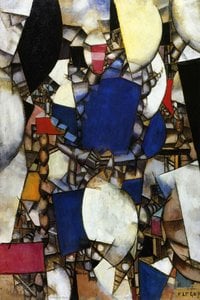
Portrait of Andre Mare
 Acrylic
- WallArt
- Cubist Sketch
 1901
1901 24.0 x 18.0 cm
 Leggi tutto
Giclée / Stampe d'arte
Stampa giclée o su tela di qualità museale, con produzione rapida e diverse opzioni di finitura. ( Ordina la riproduzione dipinta a mano Passa all'immagine digitale)




P118B $10

P118H $10

P118W $10

P438Z $10

P508JH $12

P508YH $12

P805H $10

P805Z $10

P919BZ $10

P919G $10

P919XJ $10

P959ZH $10

P968JZ $12

W106C $8

W218G $10

W218JH $8

W218Y $10

W307PJ $10

W316G $10

W316PJ $8

W316Y $10

W398PJ $8

W4111J $10

W500HY $15

W500JH $15

W692G $12

W849H $8

W940BG $15

W953PJ $8




Scegli tra le nostre dimensioni predefinite, che rispettano le proporzioni originali dell'opera d'arte.

È possibile inserire dimensioni personalizzate per adattare l'opera a una cornice o a uno spazio specifico. Se la dimensione selezionata non corrisponde alle proporzioni dell'immagine originale, procederemo al ritaglio dell'opera o all'estensione dell'immagine con un bordo specchiato o a tinta unita. Un mockup digitale ti verrà inviato per approvazione prima dell'inizio della produzione.
Si prega di notare che l'anteprima a schermo non riflette il ritaglio o l'estensione effettivi. Solo il mockup mostrerà accuratamente la composizione finale.
Sebbene siano disponibili dimensioni personalizzate, si raccomanda di selezionare una dimensione dall'elenco predefinito per preservare le proporzioni originali.
Consegna in tutto il mondo () in 2 settimane invece delle normali 4/5 settimane. (22 Settembre)

Spedizione espressa gratuita in tutto il mondo

Tela in lino di alta qualità

Assicurazione completa sulla spedizione

Garanzia di rimborso dei dazi doganali

Garanzia di perfetta fedeltà cromatica

Politica di reso entro 100 giorni (solo per difetti di fabbricazione)

Garanzia di rimborso al 100%

Sconto per acquisti multipli
 L'opzione vetro è disponibile solo per dimensioni inferiori a 110 cm

Portrait of Andre Mare
Giclée / Stampe d'arte
Dimensioni della riproduzione
-


Prezzo totale
$ 62
A Portrait Steeped in Form: Exploring Fernand Léger’s “Portrait of Andre Mare”
Fernand Léger's "Portrait of Andre Mare," executed in 1901, represents more than just a likeness; it embodies the burgeoning spirit of Cubism and foreshadows the radical transformations reshaping artistic expression at the turn of the century. This striking monochrome sketch captures a woman’s gaze with unwavering intensity—a deliberate choice that speaks volumes about Léger's fascination with confronting viewers directly, mirroring the impact of industrial machinery on human perception.Cubist Innovation: Deconstructing Reality
Léger’s stylistic approach firmly establishes him within the influential Cubist movement spearheaded by Pablo Picasso and Georges Braque. Rather than striving for illusionistic representation—the dominant aesthetic of preceding decades—Cubism sought to dismantle traditional perspective and depict subjects from multiple viewpoints simultaneously. Léger achieves this feat through fragmented planes and geometric shapes, meticulously rendered in graphite on paper. The artist abandons conventional shading techniques, favoring instead a simplified tonal palette that emphasizes form and texture. This deliberate rejection of realism underscores Cubism’s core ambition: to liberate art from the constraints of visual imitation and explore its expressive potential.The Rural Roots of Modern Vision
Despite his embrace of avant-garde principles, Léger's artistic sensibility remained profoundly connected to his formative years in Argentan. The physicality of agricultural labor—the rhythms of planting and harvesting—provided a crucial counterpoint to the mechanized world he envisioned. This duality is subtly reflected in the composition itself; while the geometric forms dominate, they are grounded by an underlying sense of organic structure, hinting at Léger’s desire to synthesize tradition and innovation. The woman's posture exudes quiet dignity, perhaps representing the enduring values of rural life amidst the accelerating pace of industrial progress.Symbolism Within Simplification
The deliberate reduction in detail—the absence of extraneous ornamentation—is not merely stylistic; it carries symbolic weight. Léger’s simplification serves to heighten our awareness of essential qualities – form, texture, and gesture – prioritizing these elements over superficial appearances. The woman's gaze is particularly noteworthy, conveying a sense of contemplation and resilience. It invites the viewer to consider the complexities of human experience within the context of a rapidly changing environment. Léger’s masterful use of graphite captures this nuance with remarkable precision, elevating the sketch beyond mere visual depiction into a powerful statement about perception and identity.Emotional Resonance: A Moment Frozen in Time
Ultimately, “Portrait of Andre Mare” transcends its formal characteristics to evoke an emotional response. The stark monochrome enhances the dramatic impact of Léger’s composition, emphasizing the contours of the figure and creating a palpable sense of stillness. It's a portrait that lingers in the mind long after viewing, prompting reflection on themes of introspection and fortitude. This enduring quality speaks to Léger’s ability to distill complex ideas into deceptively simple forms—a hallmark of his artistic legacy and a testament to the transformative power of abstraction.Opere correlate




Biografia dell'artista
vitae e formazione
Fernand Léger, pittore, scultore e filmmaker francese, nacque il 4 febbraio 1881 ad Argentan, Orne, nella bassa Normandia. Suo padre allevava bovini e Léger iniziò la sua formazione come architetto nel 1897-1899. Successivamente si trasferì a Parigi nel 1900, sostenendosi con il lavoro di disegnatore architettonico.sviluppo artistico
Le prime opere di Léger furono influenzate dall'impressionismo, come visto in Le jardin de ma mère (Il giardino di mia madre) (1905). Dopo aver frequentato la scuola d'arte decorativa e l'Académie Julian, iniziò a lavorare seriamente come pittore a 25 anni. Il suo stile si evolse in una forma personale di cubismo, che i critici definirono "tubismo" per la sua enfasi su forme cilindriche.Cubismo e il gruppo dei Puteaux
Nel 1910, Léger espose al Salon d'automne insieme a Jean Metzinger e Henri Le Fauconnier. Entrò nel gruppo dei Puteaux, noto anche come la sezione d'or (la sezione aurea), insieme ad altri artisti come Francis Picabia e Marcel Duchamp.Guerra e la sua influenza sull'opera di Léger
Le esperienze di Léger nella Prima Guerra Mondiale ebbero un impatto significativo sulla sua opera. Durante il suo tempo al fronte, produsse schizzi di pezzi d'artiglieria, aerei e soldati. Il suo dipinto Soldier with a Pipe (1916) riflette questo periodo.Lavoro successivo e eredità
Il lavoro post-bellico di Léger, caratterizzato da forme meccaniche lisce, lo legò alla tradizione della pittura figurativa francese. I suoi paesaggi animati del 1921 mostrarono figure e animali in forme armoniose e razionalizzate.- visualizza le opere di Fernand Léger su ArtsDot
- altro sul Fernand Léger su Wikipedia
- scopri il Musée National Fernand Légère (Francia) con ArtsDot
- La donna seduta (100 x 81 cm, tubismo)
- Elemento macchina (cubismo)

Fernand Léger
1881 - 1955 , Francia
Informazioni rapide
- Artisti Influenti:
- Cézanne
- Impressionismo
- Artisti Influenzati: ['Pop Art']
- Data Di Nascita: 4 febbraio 1881
- Luogo Di Nascita: Argentan, Francia
- Movimento Artistico: Cubismo, Tubismo
- Nazionalità: Francese
- Nome Completo: Fernand Léger
- Opere Notevoli:
- La Grande Parata
- L'Elemento Macchina
- Donna Seduta
- The City
Articoli correlati

Fernand Léger: I 25 Capolavori che Hanno Definito l'Arte Moderna | ArtsDot
Esplora i 25 capolavori di Fernand Léger, pioniere del cubismo e del tubismo. Scopri la storia, le tecniche e l'impatto dell'arte moderna francese. Stampe d'arte e riproduzioni su ArtsDot.com.

The Eloquent Line: Exploring the Artistic Significance of Sketches Across Movements and Media
Explore the profound artistic significance of sketches throughout history. From Renaissance masters to modern innovators like Van Gogh & Guston, discover how these foundational works reveal technique, emotion, and vision. Learn more at ArtsDot.

The Alchemy of Graphite: An Expert Guide to Mastering Detail and Depth in Pencil Sketching
Unlock the secrets of graphite sketching with our expert guide for art students. Learn to master pencil grades, create realistic depth, and capture intricate textures through professional techniques designed to elevate your observational drawing skills.

Arte Industriale: 10 Capolavori che Rivoluzionano l'Estetica e Decorano la Casa
Esplora 10 capolavori di Monet, Manet e altri maestri che catturano l'essenza dell'arte industriale. Scopri storie, tecniche e colori unici per decorare la tua casa con stampe su tela di alta qualità. ArtsDot.com: arte collezione online.

The Nuances of Graphite: Exploring Emotional Depth & Technical Mastery in Pencil Drawing
Explore the captivating world of graphite drawing! Discover its rich history, master essential techniques like chiaroscuro, and learn how artists evoke emotion through this timeless medium. Expert insights for art enthusiasts.


