


 Anteprima in scala reale
 Condividi
 Condividi
 Dettagli

 Scarica immagine
 Articoli simili
 Radiografia
 Slideshow
Landscape
 Acrylic On Canvas
- WallArt
- Cubist Modernity
 Modern
 32.0 x 23.0 cm
 Leggi tutto
Giclée / Stampe d'arte
Stampa giclée o su tela di qualità museale, con produzione rapida e diverse opzioni di finitura. ( Passa alla versione dipinta a mano Passa all'immagine)




P118B $10

P118H $10

P118W $10

P438Z $10

P508JH $12

P508YH $12

P805H $10

P805Z $10

P919BZ $10

P919G $10

P919XJ $10

P959ZH $10

P968JZ $12

W106C $8

W218G $10

W218JH $8

W218Y $10

W307PJ $10

W316G $10

W316PJ $8

W316Y $10

W398PJ $8

W4111J $10

W500HY $15

W500JH $15

W692G $12

W849H $8

W940BG $15

W953PJ $8




Scegli tra le nostre dimensioni predefinite, che rispettano le proporzioni originali dell'opera d'arte.

È possibile inserire dimensioni personalizzate per adattare l'opera a una cornice o a uno spazio specifico. Se la dimensione selezionata non corrisponde alle proporzioni dell'immagine originale, procederemo al ritaglio dell'opera o all'estensione dell'immagine con un bordo specchiato o a tinta unita. Un mockup digitale ti verrà inviato per approvazione prima dell'inizio della produzione.
Si prega di notare che l'anteprima a schermo non riflette il ritaglio o l'estensione effettivi. Solo il mockup mostrerà accuratamente la composizione finale.
Sebbene siano disponibili dimensioni personalizzate, si raccomanda di selezionare una dimensione dall'elenco predefinito per preservare le proporzioni originali.
Consegna in tutto il mondo () in 2 settimane invece delle normali 4/5 settimane. (11 Agosto)

Spedizione espressa gratuita in tutto il mondo

Tela in lino di alta qualità

Assicurazione completa sulla spedizione

Garanzia di rimborso dei dazi doganali

Garanzia di fedeltà cromatica dell'originale

Politica di reso entro 60 giorni (solo per difetti di fabbricazione)

Garanzia di rimborso al 100%

Sconto per acquisti multipli
 L'opzione vetro è disponibile solo per dimensioni inferiori a 110 cm

Landscape
Giclée / Stampe d'arte
Dimensioni della riproduzione
-


Prezzo totale
$ 63
Descrizione del pezzo
A Symphony of Form and Color: Exploring Fernand Léger’s “Landscape”
Fernand Léger's "Landscape," rendered in this intimate 32 x 23 cm hand-painted reproduction, offers a captivating glimpse into the heart of the artist’s revolutionary approach to modern art. Born in 1881 in Argentan, Normandy, Léger’s formative years spent amidst the rhythms of rural life profoundly shaped his artistic sensibility. This early grounding would later inform his bold exploration of industrial themes and the burgeoning machine age, a subject he relentlessly pursued with an unwavering commitment to capturing its essence on canvas.
- The Vision of Modernity: Léger wasn't simply depicting a scene; he was constructing a visual language. Rejecting the prevailing abstraction of his time, he sought to integrate the dynamism and geometric forms of modern life – the factories, the trains, the very structures of urban existence – into a new artistic vocabulary.
- A Vibrant Palette: The painting’s rich color palette—greens, yellows, blues, and oranges—is not merely decorative; it's deliberately chosen to evoke the energy and intensity of industrial landscapes. These hues reflect the light and shadow cast by machinery, mirroring the visual impact of a rapidly changing world.
Technique and Style: Cubism’s Embrace
“Landscape” exemplifies Léger’s signature style, a potent blend of Cubist fragmentation and a distinctly optimistic vision. The composition is characterized by fractured planes and geometric shapes, reflecting the breakdown of traditional forms under the influence of industrialization. However, unlike the often-dystopian interpretations of modern life found in some Cubist works, Léger imbues his scene with a sense of vitality and even beauty. Notice how the red building, a focal point, is rendered with sharp angles and bold colors, asserting its presence within the dynamic composition.
- Geometric Precision: Léger’s meticulous attention to geometric forms—circles, squares, triangles—creates a sense of controlled chaos, mirroring the ordered yet complex nature of industrial processes.
- Texture and Impasto: The artist employs a technique of thick impasto, building up layers of paint to create a tactile surface that further emphasizes the materiality of his subjects. This adds depth and visual interest, inviting the viewer to engage with the artwork on a physical level.
Symbolism and Context
The inclusion of figures—scattered throughout the scene—adds another layer of meaning to “Landscape.” They represent humanity’s interaction with this new industrial world, highlighting both its potential and its challenges. The two birds, perched in the upper left and center-right corners, could be interpreted as symbols of freedom and aspiration amidst a landscape dominated by mechanical forms. Created around 19XX (date unknown), the painting reflects Léger's active engagement with the artistic debates of his time, solidifying his position as a leading voice in the development of modern art.
Emotional Impact and Acquisition
“Landscape” is more than just a beautiful image; it’s a powerful statement about the relationship between humanity and technology. This hand-painted reproduction captures the essence of Léger's artistic vision, offering a unique opportunity to bring this iconic work into your home or office. Its dynamic composition and vibrant colors will undoubtedly spark conversation and add a touch of modern elegance to any space. This piece is ideal for collectors seeking a significant example of early 20th-century art, as well as interior designers looking to incorporate bold geometric forms into their design schemes.
Opere correlate


Biografia dell'artista
vitae e formazione
Fernand Léger, pittore, scultore e filmmaker francese, nacque il 4 febbraio 1881 ad Argentan, Orne, nella bassa Normandia. Suo padre allevava bovini e Léger iniziò la sua formazione come architetto nel 1897-1899. Successivamente si trasferì a Parigi nel 1900, sostenendosi con il lavoro di disegnatore architettonico.sviluppo artistico
Le prime opere di Léger furono influenzate dall'impressionismo, come visto in Le jardin de ma mère (Il giardino di mia madre) (1905). Dopo aver frequentato la scuola d'arte decorativa e l'Académie Julian, iniziò a lavorare seriamente come pittore a 25 anni. Il suo stile si evolse in una forma personale di cubismo, che i critici definirono "tubismo" per la sua enfasi su forme cilindriche.Cubismo e il gruppo dei Puteaux
Nel 1910, Léger espose al Salon d'automne insieme a Jean Metzinger e Henri Le Fauconnier. Entrò nel gruppo dei Puteaux, noto anche come la sezione d'or (la sezione aurea), insieme ad altri artisti come Francis Picabia e Marcel Duchamp.Guerra e la sua influenza sull'opera di Léger
Le esperienze di Léger nella Prima Guerra Mondiale ebbero un impatto significativo sulla sua opera. Durante il suo tempo al fronte, produsse schizzi di pezzi d'artiglieria, aerei e soldati. Il suo dipinto Soldier with a Pipe (1916) riflette questo periodo.Lavoro successivo e eredità
Il lavoro post-bellico di Léger, caratterizzato da forme meccaniche lisce, lo legò alla tradizione della pittura figurativa francese. I suoi paesaggi animati del 1921 mostrarono figure e animali in forme armoniose e razionalizzate.- visualizza le opere di Fernand Léger su ArtsDot
- altro sul Fernand Léger su Wikipedia
- scopri il Musée National Fernand Légère (Francia) con ArtsDot
- La donna seduta (100 x 81 cm, tubismo)
- Elemento macchina (cubismo)

Fernand Léger
1881 - 1955 , Francia
Informazioni rapide
- Artisti Influenti:
- Cézanne
- Impressionismo
- Artisti Influenzati: ['Pop Art']
- Data Di Nascita: 4 febbraio 1881
- Luogo Di Nascita: Argentan, Francia
- Movimento Artistico: Cubismo, Tubismo
- Nazionalità: Francese
- Nome Completo: Fernand Léger
- Opere Notevoli:
- La Grande Parata
- L'Elemento Macchina
- Donna Seduta
- The City
Articoli correlati

Beyond Representation: Exploring the Emotional Landscape of Abstract Expressionism
Explore the profound emotional world of Abstract Expressionism with ArtsDot. Discover key artists like Pollock & Rothko, learn about collecting, and find museum-quality reproductions to inspire your space.

Joan Miró: I 25 Capolavori che Rivoluzionano l'Arte Moderna | ArtsDot
Esplora i 25 capolavori di Joan Miró, pittore surrealista catalano. Scopri la storia, il simbolismo e le tecniche dietro opere iconiche come 'La Fattoria'. Stampe d'arte e riproduzioni su ArtsDot.com per arredare con stile.

Henri Matisse: I 25 Capolavori Essenziali per Amare l'Arte e Decorare con Stile
Esplora i 25 capolavori di Henri Matisse, il maestro del fauvismo e dei colori vivaci. Scopri la storia, lo stile unico e l'impatto culturale di ogni dipinto. Trova riproduzioni arte di alta qualità per decorare casa tua su ArtsDot.com.

I 10 Capolavori Impressionisti che Hanno Rivoluzionato il Paesaggio Pittorico
Esplora i 10 capolavori impressionisti che hanno rivoluzionato il paesaggio pittorico! Monet, Renoir e altri maestri catturati in stampe su tela di alta qualità. Scopri la storia dell'arte e trova l'opera perfetta per arredare casa tua con ArtsDot.com.
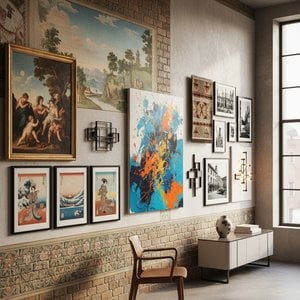
Transforming Spaces: A Comprehensive Exploration of Wall Decor Through Art History & Contemporary Practice
Explore the art of transforming spaces with our comprehensive guide to wall decor. From historical movements to contemporary trends, discover how to curate impactful interiors and commission bespoke artwork for a truly personalized aesthetic.



