


 Anteprima in scala reale
 Condividi
 Condividi
 Dettagli
 Guida stampabile

 Scarica
 Articoli simili
 Radiografia
 Slideshow
 Statistiche
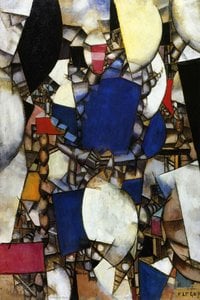
I tre compagni


 Leggi tutto
Giclée / Stampe d'arte
Stampa giclée o su tela di qualità museale, con produzione rapida e diverse opzioni di finitura. ( Ordina la riproduzione dipinta a mano Passa all'immagine digitale)




P118B €10

P118H €10

P118W €10

P438Z €10

P508JH €12

P508YH €12

P805H €10

P805Z €10

P919BZ €10

P919G €10

P919XJ €10

P959ZH €10

P968JZ €12

W106C €8

W218G €10

W218JH €8

W218Y €10

W307PJ €10

W316G €10

W316PJ €8

W316Y €10

W398PJ €8

W4111J €10

W500HY €15

W500JH €15

W692G €12

W849H €8

W940BG €15

W953PJ €8




Scegli tra le nostre dimensioni predefinite, che rispettano le proporzioni originali dell'opera d'arte.

Inserisci la larghezza e l'altezza desiderate, per adattarle alla tua cornice o alla tua parete. Una stampa può essere solo ritagliata, mai resa più grande dell'immagine originale; pertanto, un formato con una forma differente comporterà la perdita di una parte dell'opera. Ti invieremo un mockup digitale da approvare prima di procedere con la stampa. L'immagine mostrata in questa pagina non rappresenta il ritaglio reale — solo il mockup lo mostra.
Consegna in tutto il mondo () in 2 settimane invece delle normali 4/5 settimane. (20 Ottobre)

Spedizione espressa gratuita in tutto il mondo

Tela in lino di alta qualità

Assicurazione completa sulla spedizione

Garanzia di rimborso dei dazi doganali

Garanzia di perfetta fedeltà cromatica

Politica di reso entro 100 giorni (solo per difetti di fabbricazione)

Garanzia di rimborso al 100%

Sconto per acquisti multipli
 L'opzione vetro è disponibile solo per dimensioni inferiori a 110 cm

I tre compagni
Giclée / Stampe d'arte
Dimensioni della riproduzione
-


Prezzo totale
€ 54
Un Eco Geometrico della Modernità: Un Viaggio in “I tre compagni” di Léger
Il dipinto del 1920 di Fernand Léger, I tre compagni, non è una semplice rappresentazione di figure; è una dichiarazione audace di un nuovo linguaggio visivo nato dal crogiolo dell'Europa del dopoguerra. Emergendo dal mondo frammentato esplorato dal Cubismo, Léger ha tracciato il proprio percorso distintivo – spesso definito “Tubismo” – caratterizzato da forme cilindriche semplificate e una tavolozza vibrante che cercava di catturare l'energia dell'era della macchina. L'opera presenta tre figure, non rese con dettagli naturalistici ma ricostruite attraverso lenti geometriche, apparendo quasi come se fossero assemblate da componenti industriali. Non si tratta di replicare la realtà, bensì di rivelarne la struttura sottostante, spogliandola da ogni finzione per esporre le forme essenziali che definiscono la nostra esistenza moderna. Il dipinto trasmette una sensazione simultaneamente monumentale e intima, a testimonianza della capacità di Léger di infondere alle forme astratte una presenza umana magnetica.I ruggenti anni Venti e l'estetica della macchina
Per comprendere appieno I tre compagni, è necessario considerare il suo contesto storico. Dipinto nel 1920, esso riflette lo spirito di un'epoca che lottava con le conseguenze della Prima Guerra Mondiale e i rapidi progressi dell'industrializzazione. La guerra aveva irrevocabilmente alterato le percezioni dell'umanità e del progresso, portando a una fascinazione per la meccanica e a un interrogativo sui valori tradizionali. Léger, avendo servito come soldato durante il conflitto, non celebrava necessariamente l'industria in modo acritico, ma ne riconosceva l'influenza pervasiva sulla vita moderna. Il suo accento sulle forme cilindriche e sulle sagome meccaniche può essere interpretato come un abbraccio di questa nuova realtà, un riconoscimento visivo delle forze che stavano plasmando il XX secolo. L'artista era profondamente legato ai circoli artistici d'avanguardia, in particolare al gruppo della Section d’Or (Sezione d'Oro) – noto anche come Gruppo di Puteaux – che esplorava il Cubismo e l'astrazione, ponendolo all'avanguardia della sperimentazione artistica. Questa associazione ha alimentato uno spirito di innovazione che permea ogni aspetto del suo lavoro, inclusa questa sorprendente ritrazione di cameratismo.Decodificare i frammenti: Simbolismo e risonanza emotiva
Le forme fratturate all'interno de I tre compagni invitano a molteplici interpretazioni. Alcuni le vedono come una metafora della natura frammentata dell'identità moderna – individui non più presentati come esseri integri e unificati, ma piuttosto come collezioni di parti geometriche. Questo senso di frammentazione potrebbe anche rappresentare i vincoli sociali o gli effetti disumanizzanti dell'industrializzazione, con le figure che appaiono in qualche modo costrette all'interno delle loro forme costruite. Tuttavia, nonostante questo potenziale di alienazione, il dipinto non appare interamente cupo. La sovrapposizione dei piani e i colori audaci creano un'esperienza visivamente stimolante, trasmettendo una sensazione di energia e dinamismo. Il titolo stesso – I tre compagni – suggerisce una relazione tra le figure, accennando a temi di cameratismo o di esperienza condivisa in mezzo alle complessità della vita moderna. La loro vicinanza implica un legame nonostante la loro rappresentazione frammentata, offrendo un barlume di speranza in un mondo che cambia rapidamente. L'opera è molto più di un semplice esercizio estetico; è una potente dichiarazione visiva sulla condizione umana nel XX secolo – un lavoro che continua a risuonare negli spettatori di oggi perché parla della nostra incessante ricerca di significato e connessione in un mondo sempre più frammentato.Domande e risposte
Quanti anni aveva Fernand Léger quando ha creato "I tre compagni" nel 1920?
Fernand Léger ha realizzato "I tre compagni" all'età di 39. L'artista è nato nel 1881 e l'opera è datata 1920.
In che anno è stata realizzata "I tre compagni"?
La creazione di "I tre compagni" di Fernand Léger risale al 1920.
Quale origine nazionale si cela dietro il Cubismo di "I tre compagni"?
L'opera Cubismo "I tre compagni" è stata realizzata da un artista nato in Francia.
Opere correlate


Biografia dell'artista
vitae e formazione
Fernand Léger, pittore, scultore e filmmaker francese, nacque il 4 febbraio 1881 ad Argentan, Orne, nella bassa Normandia. Suo padre allevava bovini e Léger iniziò la sua formazione come architetto nel 1897-1899. Successivamente si trasferì a Parigi nel 1900, sostenendosi con il lavoro di disegnatore architettonico.sviluppo artistico
Le prime opere di Léger furono influenzate dall'impressionismo, come visto in Le jardin de ma mère (Il giardino di mia madre) (1905). Dopo aver frequentato la scuola d'arte decorativa e l'Académie Julian, iniziò a lavorare seriamente come pittore a 25 anni. Il suo stile si evolse in una forma personale di cubismo, che i critici definirono "tubismo" per la sua enfasi su forme cilindriche.Cubismo e il gruppo dei Puteaux
Nel 1910, Léger espose al Salon d'automne insieme a Jean Metzinger e Henri Le Fauconnier. Entrò nel gruppo dei Puteaux, noto anche come la sezione d'or (la sezione aurea), insieme ad altri artisti come Francis Picabia e Marcel Duchamp.Guerra e la sua influenza sull'opera di Léger
Le esperienze di Léger nella Prima Guerra Mondiale ebbero un impatto significativo sulla sua opera. Durante il suo tempo al fronte, produsse schizzi di pezzi d'artiglieria, aerei e soldati. Il suo dipinto Soldier with a Pipe (1916) riflette questo periodo.Lavoro successivo e eredità
Il lavoro post-bellico di Léger, caratterizzato da forme meccaniche lisce, lo legò alla tradizione della pittura figurativa francese. I suoi paesaggi animati del 1921 mostrarono figure e animali in forme armoniose e razionalizzate.- visualizza le opere di Fernand Léger su ArtsDot
- altro sul Fernand Léger su Wikipedia
- scopri il Musée National Fernand Légère (Francia) con ArtsDot
- La donna seduta (100 x 81 cm, tubismo)
- Elemento macchina (cubismo)

Fernand Léger
1881 - 1955 , Francia
Informazioni rapide
- Artisti Influenti:
- Cézanne
- Impressionismo
- Artisti Influenzati: ['Pop Art']
- Data Di Nascita: 4 febbraio 1881
- Luogo Di Nascita: Argentan, Francia
- Movimento Artistico: Cubismo, Tubismo
- Nazionalità: Francese
- Nome Completo: Fernand Léger
- Opere Notevoli:
- La Grande Parata
- L'Elemento Macchina
- Donna Seduta
- The City
Articoli correlati

Beyond Form & Color: Geometric Abstraction's Enduring Legacy in Art History
Explore the captivating world of geometric abstraction! Discover its origins, key artists like Malevich & Mondrian, and why this movement remains highly valued by art collectors today. Expert insights at ArtsDot.

Beyond Form: Exploring Geometric Abstraction's Enduring Legacy in Art History
Explore the captivating world of geometric abstraction! Discover its origins, key artists like Kandinsky & Mondrian, and why this movement remains highly valued by art collectors today. Expert insights at ArtsDot.

Astrazione Geometrica: 10 Capolavori che Hanno Definito un Movimento Artistico
Esplora i 10 capolavori dell'Astrazione Geometrica: Mondrian, Malevich e Kandinsky rivoluzionano l'arte moderna. Scopri la storia, i colori e le tecniche di questi movimenti iconici. Stampe d'arte di alta qualità su ArtsDot.com!

Beyond Form & Color: Geometric Abstraction's Evolution in 20th/21st Century Art
Explore the evolution of geometric abstraction from Cubism to contemporary art. Discover key artists like Malevich & Mondrian, investment insights, and expert collecting advice at ArtsDot.

Fernand Léger: I 25 Capolavori che Hanno Definito l'Arte Moderna | ArtsDot
Esplora i 25 capolavori di Fernand Léger, pioniere del cubismo e del tubismo. Scopri la storia, le tecniche e l'impatto dell'arte moderna francese. Stampe d'arte e riproduzioni su ArtsDot.com.


