


 Anteprima in scala reale
 Condividi
 Condividi
 Dettagli
 Guida stampabile

 Scarica
 Articoli simili
 Radiografia
 Slideshow
 Statistiche
Composition on a yellow background


 Leggi tutto
Riproduzione a olio fatta a mano
Olio su tela dipinto a mano nelle tue dimensioni e con la tua cornice, realizzato su ordinazione dai nostri artisti. ( Passa alle stampe Passa all'immagine digitale)




P118B €10

P118H €10

P118W €10

P438Z €10

P508JH €12

P508YH €12

P805H €10

P805Z €10

P919BZ €10

P919G €10

P919XJ €10

P959ZH €10

P968JZ €12

W106C €8

W218G €10

W218JH €8

W218Y €10

W307PJ €10

W316G €10

W316PJ €8

W316Y €10

W398PJ €8

W4111J €10

W500HY €15

W500JH €15

W692G €12

W849H €8

W940BG €15

W953PJ €8




Scegli tra le nostre dimensioni predefinite, che rispettano le proporzioni originali dell'opera d'arte.

Inserisci la larghezza e l'altezza di cui hai bisogno, per adattarle alla tua cornice o alla tua parete. Trattandosi di un'opera dipinta a mano, in caso di dimensioni con una forma differente, l'artista può dipingere un po' più oltre i bordi dell'immagine o ritagliare leggermente — la scelta spetta a te. Ti invieremo un mockup digitale da approvare prima che la pittura abbia inizio. L'immagine mostrata in questa pagina non rappresenta il risultato reale — solo il mockup lo fa.
Dopo l'ordine, il team di ArtsDot.com contatterà il cliente via e-mail per ricevere le istruzioni e fornirà un'anteprima del mockup
Consegna in tutto il mondo () in 3/4 settimane anziché nelle normali 5 settimane. (23 Ottobre). Nessun compromesso sulla qualità.

Spedizione espressa gratuita in tutto il mondo

Tela in lino di alta qualità

Assicurazione completa sulla spedizione

Garanzia di rimborso dei dazi doganali

Garanzia di perfetta fedeltà cromatica

Politica di reso entro 100 giorni (solo per difetti di fabbricazione)

Garanzia di rimborso al 100%

Sconto per acquisti multipli
 L'opzione vetro è disponibile solo per dimensioni inferiori a 110 cm

Composition on a yellow background
Tecnica di riproduzione
Dimensioni della riproduzione
-


Prezzo totale
€ 231
A Radiant Symphony of Modernity
In the vibrant landscape of mid-century modernism, few works capture the rhythmic pulse of the machine age as evocatively as Fernand Léger’s “Composition on a Yellow Background.” Created in 1941, this masterpiece stands as an arresting testament to the burgeoning spirit of Cubism and its desire to translate the dynamism of industrial life onto canvas. The painting is not merely a visual spectacle; it is a profound dialogue between the rational and the subconscious, where a dominant, luminous yellow expanse serves as a living, breathing environment that radiates warmth and energy. This sun-drenched backdrop invites the viewer into a world where the boundaries between organic life and mechanical precision begin to blur, creating an atmosphere that is both intellectually stimulating and visually hypnotic.
Léger’s approach to this composition transcends simple abstraction, moving toward what he famously championed as “Tubism.” Rather than fragmenting figures into multiple perspectives in the traditional Cubist manner of Picasso or Braque, Léger focused on capturing the structural essence of the modern era. He utilized interlocking planes and bold, contrasting colors to convey a sense of weight and volume. The palette is deceptively simple yet strikingly impactful—a dominant yellow punctuated by stark whites and deep crimsons. Through his meticulous use of a spatula technique, Léger imparted a palpable, tactile quality to the surface, mirroring the rough materiality of the industrial landscape he so passionately sought to portray. This texture invites the eye to wander across the canvas, feeling the rhythmic, metallic hum of a city in motion.
Symbolism and the Industrial Pulse
Within this geometric dance, Léger weaves a complex tapestry of objects that ground his abstraction in the reality of the twentieth century. The composition features an intriguing array of elements: white hands prominently displayed, each delicately holding small objects, alongside clocks that suggest the relentless march of time in an era of mass production. A chair and a bowl appear nestled within the arrangement, acting as anchors of domesticity amidst the swirling energy of modern shapes. These elements are not merely decorative; they represent the integration of human existence with the technological advancements of the age. The painting rejects a contemplative retreat into pure abstraction, choosing instead to engage directly with the objects and rhythms of an urbanizing world.
For the discerning collector or interior designer, this artwork offers more than just aesthetic beauty; it provides a focal point of profound historical significance. It embodies the transition from the rural landscapes of Léger’s youth to the high-voltage energy of the machine age. The emotional impact of the piece lies in its ability to evoke a sense of progress and vitality. To hang a reproduction of this work is to invite a piece of history into a space—a piece that celebrates strength, geometry, and the unapologetic beauty of modern life. It is an ideal selection for those seeking to infuse a contemporary interior with a sense of movement, structural integrity, and a bold, avant-garde spirit.
Domande e risposte
Cosa rappresenta "Composition on a yellow background"?
"Composition on a yellow background" di Fernand Léger raffigura: geometric forms, industrial imagery, human hands, clock motif, collage technique, modern art, dynamism, texture.
"Composition on a yellow background" di Fernand Léger è tra le opere più ricercate del Cubist Collage?
"Composition on a yellow background" è classificata come Iconic tra le opere del Cubist Collage nel catalogo.
In che modo "Composition on a yellow background" si inserisce nei temi e nello stile di Fernand Léger?
All'interno della produzione di Fernand Léger, "Composition on a yellow background" si inserisce nello stile Cubist Collage, affiancandosi ai temi di cubist roots, social equality, industrial vision, monumental scale, pop art precursor.
Opere correlate


Biografia dell'artista
vitae e formazione
Fernand Léger, pittore, scultore e filmmaker francese, nacque il 4 febbraio 1881 ad Argentan, Orne, nella bassa Normandia. Suo padre allevava bovini e Léger iniziò la sua formazione come architetto nel 1897-1899. Successivamente si trasferì a Parigi nel 1900, sostenendosi con il lavoro di disegnatore architettonico.sviluppo artistico
Le prime opere di Léger furono influenzate dall'impressionismo, come visto in Le jardin de ma mère (Il giardino di mia madre) (1905). Dopo aver frequentato la scuola d'arte decorativa e l'Académie Julian, iniziò a lavorare seriamente come pittore a 25 anni. Il suo stile si evolse in una forma personale di cubismo, che i critici definirono "tubismo" per la sua enfasi su forme cilindriche.Cubismo e il gruppo dei Puteaux
Nel 1910, Léger espose al Salon d'automne insieme a Jean Metzinger e Henri Le Fauconnier. Entrò nel gruppo dei Puteaux, noto anche come la sezione d'or (la sezione aurea), insieme ad altri artisti come Francis Picabia e Marcel Duchamp.Guerra e la sua influenza sull'opera di Léger
Le esperienze di Léger nella Prima Guerra Mondiale ebbero un impatto significativo sulla sua opera. Durante il suo tempo al fronte, produsse schizzi di pezzi d'artiglieria, aerei e soldati. Il suo dipinto Soldier with a Pipe (1916) riflette questo periodo.Lavoro successivo e eredità
Il lavoro post-bellico di Léger, caratterizzato da forme meccaniche lisce, lo legò alla tradizione della pittura figurativa francese. I suoi paesaggi animati del 1921 mostrarono figure e animali in forme armoniose e razionalizzate.- visualizza le opere di Fernand Léger su ArtsDot
- altro sul Fernand Léger su Wikipedia
- scopri il Musée National Fernand Légère (Francia) con ArtsDot
- La donna seduta (100 x 81 cm, tubismo)
- Elemento macchina (cubismo)

Fernand Léger
1881 - 1955 , Francia
Informazioni rapide
- Artisti Influenti:
- Cézanne
- Impressionismo
- Artisti Influenzati: ['Pop Art']
- Data Di Nascita: 4 febbraio 1881
- Luogo Di Nascita: Argentan, Francia
- Movimento Artistico: Cubismo, Tubismo
- Nazionalità: Francese
- Nome Completo: Fernand Léger
- Opere Notevoli:
- La Grande Parata
- L'Elemento Macchina
- Donna Seduta
- The City
Articoli correlati
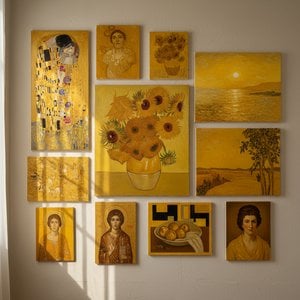
I 10 Dipinti Più Famosi Dominati dal Giallo Ocra: Arte e Decorazioni Raffinate
Esplora i 10 dipinti più iconici dominati dal giallo ocra! Scopri la storia di Van Gogh, Monet e altri maestri. Trova riproduzioni d'arte di alta qualità per decorare casa con stile su .

Fernand Léger: I 25 Capolavori che Hanno Definito l'Arte Moderna | ArtsDot
Esplora i 25 capolavori di Fernand Léger, pioniere del cubismo e del tubismo. Scopri la storia, le tecniche e l'impatto dell'arte moderna francese. Stampe d'arte e riproduzioni su ArtsDot.com.
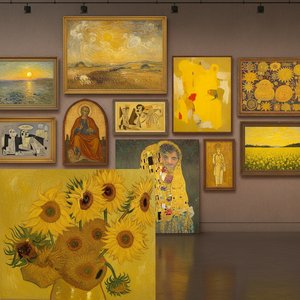
I 10 Dipinti Più Famosi Inondati di Giallo Cromatico: Arte e Decorazioni Raffinate
Esplora i 10 dipinti più iconici dominati dal giallo cromatico! Van Gogh, Monet e altri maestri celebrano questo colore vibrante. Scopri storie, tecniche e acquista stampe di alta qualità su ArtsDot.com.

Arte Industriale: 10 Capolavori che Rivoluzionano l'Estetica e Decorano la Casa
Esplora 10 capolavori di Monet, Manet e altri maestri che catturano l'essenza dell'arte industriale. Scopri storie, tecniche e colori unici per decorare la tua casa con stampe su tela di alta qualità. ArtsDot.com: arte collezione online.

Deconstructing Reality: Cubism's Revolutionary Impact on 20th-Century Art
Explore the revolutionary world of Cubism with ArtsDot. Discover Picasso & Braque's groundbreaking techniques, its philosophical roots, and lasting impact on modern art. Expert insights for collectors.


