

 Anteprima in scala reale
 Invia
Invia Condividi
 Dettagli opera
 Guida
Guida

 Scarica
 Simili
 Radiografia
 Slideshow
 Domande e risposte
 Statistiche
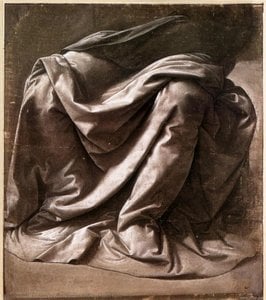
Fruit Study
 Espandi i dettagli
Giclée / Stampe d'arte
Stampa giclée o su tela di qualità museale, con produzione rapida e diverse opzioni di finitura. ( Acquista il dipinto realizzato a mano Passa all'immagine digitale)




































Scegli tra le nostre dimensioni predefinite, che rispettano le proporzioni originali dell'opera d'arte.

Inserisci la larghezza e l'altezza desiderate, per adattarle alla tua cornice o alla tua parete. Una stampa può essere solo ritagliata, mai resa più grande dell'immagine originale; pertanto, un formato con una forma differente comporterà la perdita di una parte dell'opera. Ti invieremo un mockup digitale da approvare prima di procedere con la stampa. L'immagine mostrata in questa pagina non rappresenta il ritaglio reale — solo il mockup lo mostra.
Consegna in tutto il mondo () in 2 settimane invece delle normali 4/5 settimane. (18 Novembre)

Spedizione espressa gratuita in tutto il mondo

Tela in lino di alta qualità

Assicurazione completa sulla spedizione

Garanzia di rimborso dei dazi doganali

Garanzia di fedeltà cromatica assoluta

Politica di reso entro 100 giorni (solo per difetti di fabbricazione)

Garanzia di rimborso al 100%

Offerta per acquisti multipli
 L'opzione vetro è disponibile solo per dimensioni inferiori a 110 cm

Fruit Study
Giclée / Stampe d'arte
Dimensioni riproduzione
-


Prezzo finale calcolato
€ 56
Opere simili




Biografia dell'artista
L'Anima Botanica del Barocco: La Vita di Ernst Stuven
Nella grande e avvincente narrazione del XVII secolo, dove le ombre drammatiche dell'era barocca incontravano la meticolosa precisione dell'Età dell'Oro olandese, il nome Ernst Stuven emerge come un maestro del delicato e dell'effimero. Nato nel 1657 nella laboriosa città di Amburgo, in Germania, i primi anni di Stuven furono plasmati dalle rigorose tradizioni dell'artigianato dell'Europa settentrionale. Le sue prime fondamenta artistiche furono gettate sotto lo sguardo attento di Georg Hainz, un mentore che gli trasmise la disciplina necessaria per catturare le minime complessità del mondo naturale. Tuttavia, la vera metamorfamente del suo talento avvenne quando, all'età di diciotto anni, si avventurò verso il vibrante polso artistico di Amsterdam. Questo trasferimento fu molto più di un semplice cambio di scenario; fu un'immersione in una cultura dove la luce, la consistenza e lo splendore botanico venivano celebrati con un fervore senza pari.
La traiettoria della carriera di Stuven fu profondamente influenzata dal suo periodo negli studi di alcuni dei più stimati maestri dell'epoca. Dopo essersi formato sotto la guida di Johannes Voorhout, si lasciò attrarre dal fascino specializzato della pittura floreale, che lo condusse nel prestigioso studio di Willem van Aelst. Fu proprio qui che Stuven perfezionò la sua capacità di rendere la consistenza vellutata di un petalo e il bagliore traslucido della rugiada. La sua evoluzione artistica continuò quando cercò successivamente la guida di Abraham Mignon, affinando ulteriormente uno stile che equilibrava l'accuratezza scientifica con una prospettiva atmosferica quasi poetica. Attraverso queste collaborazioni, Stuven divenne un anello vitale nella catena dell'arte botanica di influenza olandese, fondendo la precisione tedesca con le lussureggianti ed emotive qualità della scuola di Amsterdam.
Una Maestria tra Fioritura e Decadenza
Contemplare un capolavoro di Stuven significa entrare in un mondo silenzioso e profumato, dove il tempo sembra sospendersi. La sua opera non riguardava mai la semplice raffigurazione della flora; era un'esplorazione della vanitas—la profonda meditazione sulla natura fuggevole della vita. Mentre le sue tele presentavano spesso vivaci composizioni di rose, tulipani e primule, vi era sempre una tensione sottostante tra l'apice della fioritura e l'inevitabile inizio del decadimento. Egli utilizzava una sofisticata tavolozza di toni smorzati—verdi profondi, bruni terrosi e rossi ricchi—per creare un senso di profonda tranquillità ed elegante sobrietà. A differenza dei suoi contemporanei che facevano affidamento su contrasti stridenti, Stuven padroneggiò l'arte della gradazione tonale, permettendo a ogni elemento delle sue composizioni di emergere dolcemente dalle ombre.
La sua maestria tecnica si estendeva oltre i petali stessi, raggiungendo gli elementi circostanti che radicavano le sue composizioni. Possedeva un'abilità straordinaria nel rendere la superficie fredda e dura di una lastra di pietra o la fragile trasparenza di un vaso di vetro con uguale convinzione. Questa interazione tra l'organico e l'inorganico serviva ad esaltare l'esperienza sensoriale degli spettatori, rendendo i fiori tangibilmente presenti nello spazio dell'osservatore. I suoi traguardi in questo genere non erano misurati solo dalla perizia tecnica, ma dalla sua capacità di evocare una risposta emotiva: una quieta riverenza per l'intricata bellezza che si trova negli angoli più piccoli della natura.
Eredità e le Ombre di una Vita Turbolenta
Nonostante la serena bellezza delle sue tele, la storia personale di Ernst Stuven fu segnata da periodi di significativa turbolenza. Gli annali della storia dell'arte, in particolare gli scritti di Houbraken, rivelano una vita che non fu priva di capitoli oscuri. Il suo rapporto con il suo allievo, Willem Grasd'orp, fu celebre per i suoi conflitti, che portarono a ripercussioni legali e a un periodo di incarcerazione nel Rasphuis di Amsterdam. Tali drammatici cambiamenti di fortuna—dalle vette del successo artistico alle profondità dell'isolamento sociale—aggiungono uno strato di struggente complessità alla sua eredità. Negli ultimi anni, muovendosi tra Haarlem e stabilendosi infine a Rotterdam, visse una vita sostenuta da patroni che riconobbero il valore duraturo della sua mano.
In definitiva, l'importanza storica di Ernst Stuven risiede nel suo contributo alla duratura tradizione della natura morta. Egli rimane una figura cruciale per chiunque cerchi di comprendere l'intersezione tra la formazione tedesca e l'innovazione estetica olandese. Le sue opere continuano a servire come finestre su un'era perduta di meraviglia botanica, ricordandoci che anche il fiore più fuggevole può essere reso immortale attraverso il pennello dedicato di un maestro. Attraverso la sua meticolosa osservazione e la sua esecuzione carica d'anima, Stuven ha assicurato che la delicata danza della luce e della vita non svanisca mai veramente dalle sale della storia dell'arte.

Ernst Stuven
1657 - 1712 , Germania
Dettagli rapidi
- Artistic Movement Or Style: Barocco floreale
- Artists Or Movements Influenced By This Artist: ['Arte olandese']
- Artists Who Influenced This Artist:
- Johannes Voorhout
- Abraham Mignon
- Date Of Birth: Hamburg, Germania
- Date Of Death: Rotterdam
- Full Name: Ernst Stuven
- Nationality: Germano
- Notable Artworks:
- Fiori in vaso
- Natura morta
- Still life con vite, pesche, ciliegie e una farfalla
- Place Of Birth: Hamburg
Articoli correlati

Karl Blossfeldt's 'Urformen der Kunst': Pioneering Botanical Photomicrography & Aesthetic Form
Explore Karl Blossfeldt's groundbreaking *Urformen der Kunst* & pioneering botanical photography. Discover the aesthetic power of nature, New Objectivity influences, and his lasting impact on modern art. Learn about collecting key works.

The Precision of Perception: Scientific Illustration as Art & Epistemology
Explore the fascinating history of scientific illustration – where art meets accuracy. Discover key artists like Karl Blossfeldt & Maud H. Purdy, and delve into its profound epistemological roots. ArtsDot offers museum-quality reproductions.
The Flourishing Canvas: A Historical & Artistic Exploration of Botanical Illustration
Explore the rich history of botanical illustration! Discover key artists like Havell & Barraband, learn about scientific accuracy & aesthetic beauty. Shop museum-quality reproductions at ArtsDot.

The Bountiful Still Life: Symbolism & Artistic Representation of Fruit Across Art History
Explore the rich history of still life painting & the symbolism of fruit across art movements. Discover masterpieces from Caravaggio to Cézanne with ArtsDot – expert guidance & museum-quality reproductions.

Jan Jansz Wijnants: A Study in Dutch Golden Age Still Life & Floral Transience
Explore the captivating world of Jan Wijnants and Dutch Golden Age still life painting. Discover symbolism, masterful techniques & lasting influence on floral art history. Learn more!