


 Anteprima in scala reale
 Condividi
 Condividi
 Dettagli
 Guida stampabile

 Scarica
 Articoli simili
 Radiografia
 Slideshow
 Statistiche
Study
 Acrylic On Paper
- Baroque Art
 1663
1663 210.0 x 162.0 cm
 Galleria d'Arte Walker
 Leggi tutto
Giclée / Stampe d'arte
Stampa giclée o su tela di qualità museale, con produzione rapida e diverse opzioni di finitura. ( Ordina la riproduzione dipinta a mano Passa all'immagine digitale)




P118B €10

P118H €10

P118W €10

P438Z €10

P508JH €12

P508YH €12

P805H €10

P805Z €10

P919BZ €10

P919G €10

P919XJ €10

P959ZH €10

P968JZ €12

W106C €8

W218G €10

W218JH €8

W218Y €10

W307PJ €10

W316G €10

W316PJ €8

W316Y €10

W398PJ €8

W4111J €10

W500HY €15

W500JH €15

W692G €12

W849H €8

W940BG €15

W953PJ €8




Scegli tra le nostre dimensioni predefinite, che rispettano le proporzioni originali dell'opera d'arte.

Inserisci la larghezza e l'altezza desiderate, per adattarle alla tua cornice o alla tua parete. Una stampa può essere solo ritagliata, mai resa più grande dell'immagine originale; pertanto, un formato con una forma differente comporterà la perdita di una parte dell'opera. Ti invieremo un mockup digitale da approvare prima di procedere con la stampa. L'immagine mostrata in questa pagina non rappresenta il ritaglio reale — solo il mockup lo mostra.
Consegna in tutto il mondo () in 2 settimane invece delle normali 4/5 settimane. (24 Ottobre)

Spedizione espressa gratuita in tutto il mondo

Tela in lino di alta qualità

Assicurazione completa sulla spedizione

Garanzia di rimborso dei dazi doganali

Garanzia di perfetta fedeltà cromatica

Politica di reso entro 100 giorni (solo per difetti di fabbricazione)

Garanzia di rimborso al 100%

Sconto per acquisti multipli
 L'opzione vetro è disponibile solo per dimensioni inferiori a 110 cm

Study
Giclée / Stampe d'arte
Dimensioni della riproduzione
-


Prezzo totale
€ 54
A Moment Frozen in Charcoal: Elisabetta Sirani’s “Study”
Within the hallowed halls of the Walker Art Gallery in Liverpool resides a deceptively simple yet profoundly moving work – Elisabetta Sirani's "Study," executed in 1663. More than just a preparatory sketch, it is a miniature world brimming with tenderness, quiet observation, and an exquisite understanding of human connection. The drawing, rendered primarily in delicate shades of brown and beige using charcoal on paper, immediately draws the eye with its intimate scale – measuring a modest 210 x 162 centimeters – inviting viewers to step into a private, almost sacred space.
Sirani’s genius lies not in grand gestures or dramatic displays, but rather in her ability to capture fleeting moments of genuine emotion. The composition centers on a young woman, presumably the artist's sister, gently lifting the sleeve of a child – likely her own son, Giovanni Andrea – revealing his small hand. This simple act, frozen in charcoal, speaks volumes about familial love and the quiet intimacy of domestic life. The pose is remarkably naturalistic; Sirani eschews overly stylized figures, opting instead for a directness that feels utterly honest and unpretentious.
Baroque Simplicity: Technique and Style
“Study” exemplifies the hallmarks of Baroque art while simultaneously forging its own distinctive path. Sirani’s technique is characterized by an economy of line – she employs minimal outlining, relying instead on subtle tonal variations to define form and create a sense of volume. The use of *grisaille*, a monochrome drawing technique using shades of gray, allows her to focus entirely on capturing the essence of the subject without distraction from color. The paper itself is laid down, adding texture and visual interest to the composition.
Noticeably absent are any elaborate details or decorative flourishes typical of some Baroque works. Instead, Sirani’s strength lies in her masterful control of light and shadow – a technique known as *chiaroscuro* – which imbues the scene with a palpable sense of depth and atmosphere. The soft, diffused lighting suggests an interior setting, perhaps a room bathed in natural light, further enhancing the feeling of intimacy.
A Window into 17th-Century Bologna
To fully appreciate “Study,” it’s crucial to understand its historical context. Elisabetta Sirani emerged as one of the first women artists to achieve significant recognition in early modern Bologna – a city renowned for its vibrant artistic community and patronage system. Despite facing considerable societal obstacles, she established herself as a respected painter, producing both commissioned works and independent studies. “Study” offers a rare glimpse into her working methods and artistic philosophy.
The drawing’s creation coincided with a period of intense artistic innovation in Bologna, influenced by the legacy of Guido Reni and the prevailing trends of the Baroque style. However, Sirani's approach was distinctly her own – characterized by a refined sensibility and an unwavering commitment to capturing the emotional truth of her subjects. It is believed that this drawing served as a study for a larger allegorical composition, likely commissioned by Prince Leopoldo de’ Medici in Florence, highlighting the virtues associated with his family’s rule.
The Enduring Power of Observation
“Study” transcends its technical merits to become a poignant meditation on human connection. The simple act of a mother tending to her child is rendered with such sensitivity and grace that it resonates deeply with viewers across centuries. Sirani's ability to distill complex emotions into a single, carefully observed drawing speaks to the enduring power of art to illuminate the beauty and fragility of everyday life.
Today, reproductions of “Study” are readily available through platforms like ArtsDot.com, offering art enthusiasts the opportunity to bring this exquisite work into their homes and offices. It’s a testament to Sirani's skill that her drawing continues to captivate audiences with its quiet dignity and profound emotional resonance – a timeless reminder of the simple joys of family and the enduring power of observation.
Domande e risposte
In che modo tecnica e movimento si fondono in "Study"?
"Study" di Elisabetta Sirani combina la tecnica Acrylic On Paper con lo stile Baroque Art. La tecnica e il movimento descrivono la realizzazione e lo stile dell'opera.
Quali sono i diritti di riproduzione di "Study" presso il Galleria d'Arte Walker?
L'originale "Study" si trova presso Galleria d'Arte Walker e l'opera è di pubblico dominio - il suo copyright è scaduto.
In quale stanza si consiglia di esporre "Study" di Elisabetta Sirani?
"Study" di Elisabetta Sirani è consigliato per un/una Living Room. Questo suggerimento si basa sul soggetto, sui colori e sull'atmosfera dell'opera.
Opere correlate


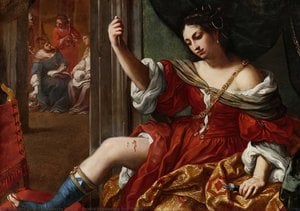


Biografia dell'artista
Elisabetta Sirani: Una Vita nel Barocco Bolognese
- Nata: 8 gennaio 1638, Bologna, Italia
- Morta: 28 agosto 1665, Bologna, Italia (all'età di 27 anni)
Elisabetta Sirani fu un’eccezionale pittrice e incisore italiana del periodo barocco che raggiunse una notevole fama all'inizio dell'era moderna a Bologna. La sua vita, sebbene tragicamente breve, fu segnata dall'innovazione artistica, dallo spirito imprenditoriale e dalla fondazione di un'accademia per artiste – una testimonianza della sua visione progressista. Nata in una famiglia d’arte, sfidò le aspettative sociali per diventare una delle artiste più celebrate del suo tempo.
Primi Anni e Formazione
- Eredità Artistica: Elisabetta nacque in una famiglia profondamente radicata nella scena artistica bolognese. Suo padre, Giovanni Andrea Sirani, era un pittore e mercante d'arte che aveva studiato sotto Guido Reni, figura di spicco della scuola bolognese.
- Primi Studi: Ricevette la sua formazione artistica iniziale all’interno dello studio del padre, dimostrando eccezionale talento fin da giovane età. Si narra che suo padre inizialmente esitasse ad accettarla pienamente come allieva a causa di preoccupazioni sul fatto che potesse superarlo, ma Elisabetta padroneggiò rapidamente le sue tecniche e sviluppò il proprio stile distintivo.
- Influenza di Guido Reni: Giovanni Andrea Sirani fu insegnante nella prima scuola di vita tenuta presso la casa di Ettore Ghislieri, continuando l'eredità di Guido Reni. Questa connessione con Reni influenzò profondamente lo sviluppo artistico di Elisabetta, evidente nelle sue composizioni eleganti e nella padronanza della luce e dell’ombra.
Carriera Artistica e Realizzazioni
- Prolifica Produzione: Nonostante la sua breve carriera, Elisabetta Sirani produsse un numero sorprendente di opere – oltre 120 dipinti, numerose incisioni e innumerevoli disegni. La sua produttività fu notevole, alimentata sia dal talento che dalle esigenze di gestire una bottega artistica di successo.
- Gestione della Bottega Familiare: Nel 1654, con suo padre impossibilitato a causa del podagra, Elisabetta assunse la responsabilità della gestione dell'attività artistica familiare. Bilanciò abilmente commissioni ritrattistiche, tariffe degli studenti e i propri impegni creativi, diventando il principale sostegno economico per la sua famiglia.
- Stile Innovativo: Lo stile di Sirani era caratterizzato da composizioni dinamiche, colori vivaci e una notevole capacità di catturare emozioni e movimento. Le sue opere spesso raffiguravano scene religiose, soggetti mitologici e ritratti – tutti resi con eccezionale abilità e originalità. Fu elogiata dai contemporanei come Carlo Cesare Malvasia per la sua "originalità compositiva", il suo "stile di disegno" e il suo "rapido modo di lavorare".
- Accademia per Artiste: Un risultato significativo fu la fondazione di un'accademia per artiste a Bologna, offrendo opportunità alle donne di ricevere una formazione artistica e perseguire le proprie ambizioni creative. Ciò dimostrò il suo impegno per l’uguaglianza di genere nel mondo dell’arte.
Eredità e Significato Storico
- Culto dei Seguaci: Durante la sua vita, Elisabetta Sirani coltivò un seguito devoto, con alcuni studiosi che suggeriscono che avesse eclissato sia suo padre che sue sorelle in termini di fama e riconoscimento. Fu spesso salutata come la reincarnazione femminile di Guido Reni.
- Morte Improvvisa e Controversia: La sua morte improvvisa all'età di 27 anni in circostanze sospette – inizialmente con accuse di avvelenamento da parte di una domestica – alimentò ulteriormente la fascinazione del pubblico per la sua vita e il suo lavoro. Sebbene le accuse fossero state successivamente scartate, il mistero che circondava la sua scomparsa contribuì alla sua leggenda duratura. La causa più probabile fu la peritonite risultante da un'ulcera peptica rotta, esacerbata dallo stress.
- Funerale Elaborato: L’elaborato funerale che ricevette, inclusa un’enorme catafalca con una scultura a grandezza naturale di se stessa e orazioni composte in suo onore, sottolineò l'alto riguardo in cui era tenuta dai suoi contemporanei.
- Riconoscimento Oggi: I contributi artistici di Elisabetta Sirani sono sempre più riconosciuti oggi, consolidando il suo posto come figura significativa nella storia dell’arte barocca. La sua storia serve da ispirazione per le artiste donne e a testimonianza del potere del talento e della determinazione nel superare le barriere sociali.
Opere Chiave
- Giuditta con la testa di Oloferne
- Autoritratto
- Studio per il Battesimo di Cristo
- Portia che si ferisce alla coscia
- La Vergine incoronata dal Bambino Gesù con rose

Elisabetta Sirani
1638 - 1665 , Italia
Informazioni rapide
- Artisti Influenti: ['Guido Reni']
- Data Di Morte: 28 agosto 1665
- Data Di Nascita: 8 gennaio 1638
- Luogo Di Nascita: Bologna, Italia
- Movimento Artistico: Barocco
- Nazionalità: Italiana
- Nome Completo: Elisabetta Sirani
- Opere Notevoli:
- Giuditta con la testa
- Autoritratto
- Studio per il Battesimo
- Portia che si ferisce
- Vergine incoronata
Articoli correlati

Segreti del Barocco: Luce, Dramma ed Emozione nell'Arte del XVII Secolo
Scopri i segreti del Barocco tra luce e dramma con un'analisi esperta di Caravaggio e Barocci. Immergiti nella storia dell'arte ora.

Baroque Classicism: Reconciling Drama & Order in 17th-Century Art
Explore the captivating world of Baroque Classicism! Discover its history, key artists like Caravaggio & Rubens, and defining characteristics. Expert insights & high-quality reproductions at ArtsDot.

I 10 Capolavori Barocchi che Hanno Definito un'Epoca | Arte e Decorazioni di Lusso
Esplora i 10 capolavori barocchi di Caravaggio, Bernini e Rembrandt che hanno rivoluzionato l'arte. Scopri storie, tecniche e colori iconici. Trova riproduzioni d'arte di alta qualità per la tua casa su !

The Visceral Stage: Exploring Dramatic Narratives & Emotional Intensity in Baroque Art
Explore the dramatic world of Baroque art! Discover iconic masters like Caravaggio & Rembrandt, their techniques, and the movement's lasting impact. Expert insights for collectors & enthusiasts at ArtsDot.

The Dramatic Flourish: Exploring the Baroque Movement's Enduring Legacy in Art History
Explore the dramatic world of Baroque art! Discover iconic artists like Caravaggio & Rubens, defining techniques, and its lasting impact on art history. Expert insights for collectors & enthusiasts at ArtsDot.