


 Anteprima in scala reale
 Invia
Invia Condividi
 Dettagli opera

 Scarica immagine
 Simili
 Radiografia
 Slideshow
 Statistiche
Self Portrait as St. Sebastian
 Acrylic
- WallArt
- Expressionism
 1914
1914 32.0 x 48.0 cm
 Espandi i dettagli
Giclée / Stampe d'arte
Stampa giclée o su tela di qualità museale, con produzione rapida e diverse opzioni di finitura. ( Acquista il dipinto realizzato a mano Passa all'immagine digitale)




P118B $10

P118H $10

P118W $10

P438Z $10

P508JH $12

P508YH $12

P805H $10

P805Z $10

P919BZ $10

P919G $10

P919XJ $10

P959ZH $10

P968JZ $12

W106C $8

W218G $10

W218JH $8

W218Y $10

W307PJ $10

W316G $10

W316PJ $8

W316Y $10

W398PJ $8

W4111J $10

W500HY $15

W500JH $15

W692G $12

W849H $8

W940BG $15

W953PJ $8




Scegli tra le nostre dimensioni predefinite, che rispettano le proporzioni originali dell'opera d'arte.

È possibile inserire dimensioni personalizzate per adattare l'opera a una cornice o a uno spazio specifico. Se la dimensione selezionata non corrisponde alle proporzioni dell'immagine originale, procederemo al ritaglio dell'opera o all'estensione dell'immagine con un bordo specchiato o a tinta unita. Un mockup digitale ti verrà inviato per approvazione prima dell'inizio della produzione.
Si prega di notare che l'anteprima a schermo non riflette il ritaglio o l'estensione effettivi. Solo il mockup mostrerà accuratamente la composizione finale.
Sebbene siano disponibili dimensioni personalizzate, si raccomanda di selezionare una dimensione dall'elenco predefinito per preservare le proporzioni originali.
Consegna in tutto il mondo () in 2 settimane invece delle normali 4/5 settimane. (10 Settembre)

Spedizione espressa gratuita in tutto il mondo

Tela in lino di alta qualità

Assicurazione completa sulla spedizione

Garanzia di rimborso dei dazi doganali

Garanzia di fedeltà cromatica

Politica di reso entro 100 giorni (solo per difetti)

Garanzia di rimborso al 100%

Offerta per acquisti multipli
 L'opzione vetro è disponibile solo per dimensioni inferiori a 110 cm

Self Portrait as St. Sebastian
Giclée / Stampe d'arte
Dimensioni riproduzione
-


Prezzo totale calcolato
$ 62
Self Portrait as St. Sebastian – A Study in Suffering and Resilience
Egon Schiele’s “Self Portrait as St. Sebastian,” rendered in 1914, is not merely a depiction of martyrdom; it's a profoundly intimate exploration of pain, vulnerability, and the enduring spirit within. This arresting black-and-white drawing, measuring a modest 32 x 48 cm, immediately commands attention with its raw emotional intensity. The subject, posed in the agonizing posture of St. Sebastian – bound to a post and riddled with arrows – is unmistakably Schiele himself, his face etched with a palpable agony that transcends religious iconography. The artist masterfully employs stark contrasts of light and shadow, a technique characteristic of Expressionism, to amplify the sense of suffering and isolation. The meticulous linework, revealing an incredible command of shading, doesn’t shy away from depicting the brutal reality of the scene; instead, it emphasizes the texture of skin, muscle, and the rough wood of the cross, grounding the viewer in the physicality of the ordeal.
Schiele's choice to portray himself as St. Sebastian is deeply layered with personal significance. Created during a period marked by intense emotional turmoil – his father’s death from syphilis casting a long shadow over his life – the self-portrait becomes a visual manifestation of his own struggles with mortality and illness. The image resonates with themes prevalent in Schiele's oeuvre: the fragility of human existence, the confrontation with death, and the exploration of psychological states. The drawing’s stark simplicity—a single figure against a desolate backdrop—heightens its impact, forcing the viewer to confront the uncomfortable truths about suffering and resilience.
Expressionist Techniques and Schiele's Signature Style
“Self Portrait as St. Sebastian” is a quintessential example of Schiele’s distinctive artistic style. He was a pioneer in Expressionism, moving beyond traditional representational techniques to prioritize emotional impact over realistic depiction. Notice the elongated limbs, the distorted perspective, and the almost skeletal quality of the figure – these are hallmarks of his approach. The drawing isn't concerned with creating an idealized image; instead, it seeks to capture the raw, unfiltered experience of pain. Schiele’s use of line is particularly noteworthy. He employs a dynamic, restless energy in his lines, mirroring the subject’s torment and conveying a sense of urgency and instability. This deliberate distortion of form and space contributes significantly to the drawing's unsettling yet compelling power.
Furthermore, Schiele’s technique demonstrates an exceptional understanding of tonal values. The careful manipulation of light and shadow creates a dramatic effect, emphasizing the contours of the body and intensifying the sense of suffering. The stark contrast between the dark shadows enveloping the figure and the patches of exposed skin draws attention to the wounds and highlights the vulnerability of the subject. This masterful control over tone is crucial to the drawing’s overall impact, transforming it from a simple portrait into a powerful meditation on pain and endurance.
Symbolism and Historical Context
The iconography of St. Sebastian—a Roman soldier martyred for his Christian faith—provides a rich framework for interpreting Schiele's self-portrait. Traditionally, the saint is depicted as a symbol of suffering, sacrifice, and unwavering devotion. However, Schiele subverts this traditional representation by presenting himself not as a heroic martyr but as a figure consumed by pain and anguish. This deliberate inversion adds another layer of complexity to the image, suggesting that Schiele was grappling with his own personal demons and confronting the inevitability of death.
Created in 1914, during a period of immense social and political upheaval—the eve of World War I—the drawing reflects the anxieties and uncertainties of the time. The looming threat of war cast a pall over Europe, and Schiele’s work often explored themes of mortality and psychological distress. The image can be seen as an allegory for the broader sense of unease and disillusionment that permeated European society at the beginning of the 20th century.
A Timeless Exploration of Human Experience
“Self Portrait as St. Sebastian” remains a profoundly moving and unsettling work of art. It’s not simply a depiction of suffering; it's an invitation to contemplate the complexities of human existence, the inevitability of death, and the enduring capacity for resilience. Schiele’s masterful technique—his innovative use of line, shading, and composition—combined with his deeply personal subject matter, creates an image that continues to resonate with viewers today. A hand-painted reproduction offers a remarkable opportunity to experience this powerful work of art in exquisite detail, capturing the artist's raw emotion and technical brilliance.
Opere simili


Biografia dell'artista
Egon Schiele: Vita e Eredità
Primi Anni di Vita e Influenze
- Nato il 12 giugno 1890 a Tulln an der Donau, in Bassa Austria, Egon Schiele ha vissuto un'infanzia segnata sia da inclinazione artistica che da difficoltà personali.
- Suo padre, Adolf Schiele, era un capostazione, instillando nel giovane Egon una fascinazione per i treni – un motivo che apparirebbe in modo sottile più tardi nella sua opera.
- La prematura morte del padre a causa della sifilide quando Schiele aveva 14 anni lo ha profondamente segnato, portando al suo allevamento da parte di suo zio materno, Leopold Czihaczek.
- Czihaczek fornì sostegno ma esercitò anche un'influenza controllante, che contribuì alla complessa psiche riflessa nell’arte di Schiele.
Percorso Artistico e Sviluppo
- La formazione artistica di Schiele iniziò alla Kunstgewerbeschule (Scuola d'Arti e Artigianato) a Vienna, ma presto passò all’Akademie der bildenden Künste (Accademia delle Arti Figurative).
- Si è rapidamente disillusionato con l’approccio conservatore dell’Accademia, trovandolo soffocante per la sua visione espressiva. Alla fine, ha lasciato la formazione formale.
- Le influenze iniziali includevano Gustav Klimt, una figura di spicco della Vienna Secessione, il cui stile decorativo e l'esplorazione del simbolismo risuonavano con Schiele. Tuttavia, Schiele ben presto sviluppò uno stile distintamente individuale.
- Le sue prime opere presentavano spesso ritratti e autoritratti inquietanti, caratterizzati da figure distorte ed emotività intensa.
Caratteristiche e Temi Chiave
- L’arte di Schiele è rinomata per la sua onestà cruda e profondità psicologica. Ha esplorato senza paura temi come la sessualità, la morte, l'ansia e l'isolamento.
- Il suo stile distintivo presenta figure allungate, pose contorte e linee espressive che trasmettono un senso di vulnerabilità e tormento emotivo.
- Autoritratti costituiscono una parte significativa della sua produzione, offrendo scorci intimi nel suo mondo interiore.
- Ha inoltre creato numerosi ritratti di altri, spesso raffigurandoli con realismo senza compromessi e intuizione psicologica.
- La pittura paesaggistica ha avuto un ruolo nel suo lavoro, dimostrando la sua maestria nella forma e nel colore, sebbene fosse meno centrale delle sue opere figurative.
Realizzazioni Significative e Riconoscimenti
- Nonostante abbia affrontato censure e sfide legali (inclusa una breve detenzione per presunta corruzione di minori con la sua arte), Schiele ha ottenuto riconoscimento nei circoli d'avanguardia viennesi.
- Ha co-fondato il Neues Wiener Kunstgruppe (Nuovo Gruppo Artistico Viennese) nel 1909, esponendo le sue opere insieme ad altri artisti progressisti.
- Opere significative includono Autoritratto con physalis, Coppia che si abbraccia e Paesaggio col campo (Kreuzberg vicino a Krumau).
- Entro il tempo della sua prematura morte, Schiele si era affermato come una figura di spicco dell'Espressionismo austriaco.
Significato Storico e Eredità
- Egon Schiele è morto nel 1918 durante la pandemia di influenza spagnola all’età di 28 anni, troncando una promettente carriera.
- Il suo lavoro ha influenzato profondamente le generazioni successive di artisti, in particolare quelli interessati ad esplorare temi psicologici e a sfidare le norme artistiche convenzionali.
- L'approccio audace di Schiele alla forma e all’argomento continua a risuonare con il pubblico di oggi, rendendolo uno dei personaggi più importanti e influenti dell'arte del primo XX secolo.
- I suoi dipinti sono ora conservati nelle principali collezioni museali in tutto il mondo, e le riproduzioni della sua opera sono ampiamente disponibili, assicurando la longevità della sua eredità artistica.

Egon Schiele
1890 - 1918 , Croazia
Dati rapidi
- Artisti Influenti: ['Gustav Klimt']
- Artisti Influenzati: ['Generazioni successive di artisti']
- Data Di Nascita: 12 giugno 1890
- Luogo Di Nascita: Vienna, Croazia
- Movimento Artistico: Espressionismo
- Nazionalità: Austriaco
- Nome Completo: Egon Schiele
- Opere Notevoli:
- Autoritratto con Physalis
- Coppia che si abbraccia
- Paesaggio col campo (Kreuzberg)
Articoli correlati
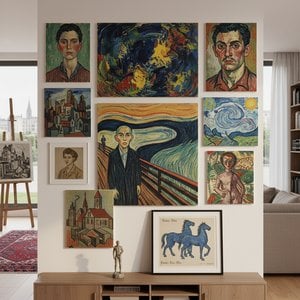
Espressionismo: I 10 Capolavori che Hanno Definito un Movimento Artistico | .it
Esplora i 10 capolavori dell'Espressionismo con .it! Scopri Munch, Kirchner e altri artisti iconici, le loro emozioni intense e tecniche rivoluzionarie. Trova riproduzioni di alta qualità per arredare la tua casa con arte senza tempo. Esplora la collezione online!
Egon Schiele: Le 25 Opere Più Iconiche per Amare l'Arte Moderna
Esplora le 25 opere più iconiche di Egon Schiele, il maestro dell'espressionismo austriaco. Ritratti intensi, colori audaci e storie avvincenti ti aspettano. Trova riproduzioni di alta qualità e idee per decorare la tua casa su ArtsDot.com.

The Inner Landscape: Exploring Themes of Introspection in Visual Art Across Movements & Eras
Explore the captivating world of introspective art! Discover how artists across eras – from Rembrandt to Kahlo – used self-portraiture to reveal their inner worlds and emotional depths. A journey through art history & psychology.

Egon Schiele: Espressionismo, Angoscia e la Condizione Moderna – Un'Esplorazione Completa
Esplora l'universo artistico di Egon Schiele: dalle origini dell'Espressionismo austriaco all'analisi profonda del suo angosciante capolavoro. Approfondimenti, opere chiave e il contesto storico che ha plasmato la sua visione unica.

Espressionismo Pittorico: 10 Capolavori Che Hanno Definito un Movimento Artistico
Esplora i 10 capolavori dell'Espressionismo Pittorico con ArtsDot.com! Scopri Munch, Kirchner e altri artisti iconici, le loro tecniche e l'impatto emotivo dei colori. Trova riproduzioni di alta qualità per la tua casa. Esplora la collezione online!


