


 Anteprima in scala reale
 Condividi
 Condividi
 Dettagli
 Guida stampabile

 Scarica
 Articoli simili
 Radiografia
 Slideshow
 Statistiche
Grieving Process
 Painting
- Symbolism
 2015
2015- 19th Century
 100.0 x 100.0 cm
 Fondazione Opere Studentesche
 Leggi tutto
Riproduzione a olio fatta a mano
Olio su tela dipinto a mano nelle tue dimensioni e con la tua cornice, realizzato su ordinazione dai nostri artisti. ( Passa alle stampe Passa all'immagine digitale)




P118B €10

P118H €10

P118W €10

P438Z €10

P508JH €12

P508YH €12

P805H €10

P805Z €10

P919BZ €10

P919G €10

P919XJ €10

P959ZH €10

P968JZ €12

W106C €8

W218G €10

W218JH €8

W218Y €10

W307PJ €10

W316G €10

W316PJ €8

W316Y €10

W398PJ €8

W4111J €10

W500HY €15

W500JH €15

W692G €12

W849H €8

W940BG €15

W953PJ €8




Scegli tra le nostre dimensioni predefinite, che rispettano le proporzioni originali dell'opera d'arte.

Inserisci la larghezza e l'altezza di cui hai bisogno, per adattarle alla tua cornice o alla tua parete. Trattandosi di un'opera dipinta a mano, in caso di dimensioni con una forma differente, l'artista può dipingere un po' più oltre i bordi dell'immagine o ritagliare leggermente — la scelta spetta a te. Ti invieremo un mockup digitale da approvare prima che la pittura abbia inizio. L'immagine mostrata in questa pagina non rappresenta il risultato reale — solo il mockup lo fa.
Dopo l'ordine, il team di ArtsDot.com contatterà il cliente via e-mail per ricevere le istruzioni e fornirà un'anteprima del mockup
Consegna in tutto il mondo () in 3/4 settimane anziché nelle normali 5 settimane. (20 Ottobre). Nessun compromesso sulla qualità.

Spedizione espressa gratuita in tutto il mondo

Tela in lino di alta qualità

Assicurazione completa sulla spedizione

Garanzia di rimborso dei dazi doganali

Garanzia di perfetta fedeltà cromatica

Politica di reso entro 100 giorni (solo per difetti di fabbricazione)

Garanzia di rimborso al 100%

Sconto per acquisti multipli
 L'opzione vetro è disponibile solo per dimensioni inferiori a 110 cm

Grieving Process
Tecnica di riproduzione
Dimensioni della riproduzione
-


Prezzo totale
€ 229
An Intimate Encounter with Sorrow: The Soul of Grieving Process
In the profound stillness of Egbert Rubertus Derk Schaap’s Grieving Process, the viewer is immediately drawn into a sanctuary of quiet melancholy. This large-scale masterpiece, measuring an imposing 100 x 100 cm, serves as a window into the deepest recesses of the human psyche. At its heart lies a woman, reclined in a posture of profound vulnerability, her form draped in a delicate dress that seems to anchor her to the canvas. Her expression, etched with a palpable sadness, transcends mere depiction; it becomes an invitation for the observer to sit with their own shadows. The composition is not merely a portrait of sorrow but a complex tapestry of existence, where the central figure is surrounded by a dreamlike arrangement of shapes and colors that swirl around her like the fragmented memories of a life interrupted.
The technical mastery of Schaap is evident in the way he balances meticulous realism with a burgeoning symbolic language. While his training at the Koninklijke Academie voor Kunstnijverheid provided him with a formidable command over form and light, this particular work showcases his ability to manipulate space to evoke emotion. The background is far from static; it is an atmospheric landscape of abstract elements that create a sense of psychological depth. Scattered throughout the periphery are other figures—a presence near the top left and another toward the bottom right—that suggest a world continuing its rotation even as the central subject remains suspended in her grief. A solitary chair positioned on the far right adds a touch of domestic reality, grounding the ethereal, symbolic elements in a tangible, lived-in environment.
A Legacy of Symbolism and Emotional Resonance
To understand Grieving Process, one must look to the broader context of Schaap’s illustrious career. As a Dutch painter who navigated the transition between traditional realism and the evocative power of Symbolism, Schaap possessed a unique ability to convey complex emotional narratives. His participation in the prestigious Olympic Art Competitions of 1924 and 1936 underscores his standing as an artist capable of capturing the universal human condition. In this work, he utilizes the language of symbolism to explore themes of loss, transition, and the cyclical nature of life. The interplay between the recognizable figures and the abstract, colorful shapes suggests that grief is not a linear path but a swirling, often disorienting experience that reshapes one's perception of reality.
For the discerning collector or interior designer, this painting offers more than just visual beauty; it provides a profound emotional anchor for any space. The balanced composition and the sophisticated palette make it an ideal centerpiece for a room designed for contemplation, such as a library, a study, or a quiet sitting area. A high-quality reproduction of this work allows the nuanced textures and the somber, yet captivating, atmosphere to breathe within a modern home. It is a piece that demands attention not through loudness, but through its ability to whisper truths about the resilience of the spirit amidst the inevitable tides of sorrow. Owning such a piece is an act of embracing the full spectrum of human emotion, bringing a sense of historical depth and intellectual gravity to one's personal collection.
Domande e risposte
In quale movimento e in quale epoca si colloca "Grieving Process" di Egbert Rubertus Derk Schaap?
"Grieving Process" di Egbert Rubertus Derk Schaap si inserisce nel movimento Symbolism, all'interno dell'epoca XIX secolo del suo autore.
Che orientamento ha "Grieving Process" di Egbert Rubertus Derk Schaap?
"Grieving Process" di Egbert Rubertus Derk Schaap ha un formato Square. Il formato descrive le proporzioni della composizione.
Qual è il formato di stampa consigliato per "Grieving Process" - che dimensioni e quale orientamento?
Per una stampa di "Grieving Process" di Egbert Rubertus Derk Schaap, si consiglia il formato Large con orientamento Square.
Opere correlate


Biografia dell'artista
L'Anima Visionaria del Simbolismo Olandese: Egbert Rubertus Derk Schaap
Nei paesaggi silenziosi ed evocativi della fine del XIX e dell'inizio del XX secolo, pochi artisti sono riusciti a catturare la delicata tensione tra realtà e metafisico con la stessa profondità di Egbert Rubertus Derk Schaap. Nato all'Aia nel 1862, Schaap emerse dalla ricca tradizione artistica olandese non solo come cronista della natura, ma come un poeta dell'invisibile. La sua vita e la sua opera furono definite da una ricerca di profondità, in cui ogni pennellata serviva a colmare il divario tra il mondo tangibile e i profondi paesaggi emotivi della psiche umana. Insieme alla moglie e compagna d'arte, Hendrika van der Pek, Schaap coltivò un'esistenza creativa profondamente radicata nell'osservazione meticolosa dell'ambiente circostante, pur tendendo sempre verso il simbolico.
Le fondamenta della maestria di Schaap furono gettate durante gli anni formativi presso la Koninklijke Academie voor Kunstnijverheid di Anversa. Fu qui che affinò una precisione tecnica che sarebbe diventata il suo marchio di fabbrica, imparando a padroneggiare le sfumature di luce e forma con un'accuratezza quasi scientifica. Tuttavia, man mano che il suo stile maturava, questo realismo iniziò a servire uno scopo più elevato. Egli non si limitava a dipingere alberi o figure; le imbeveva di un senso di anima. La sua tecnica, caratterizzata da una attenta stratificazione di colori a olio, gli permetteva di creare texture vibranti, catturando i sottili mutamenti atmosferici che suggeriscono un mondo brulicante di significati nascosti e peso spirituale.
Una Maestria tra Simbolismo e Tecnica
Incontrare un'opera di Schaap significa entrare in uno spazio di quieta contemplazione. Il suo linguaggio artistico era intriso di un profondo simbolismo, dove il mondo naturale fungeva da specchio per l'esperienza umana. Nei suoi paesaggi, l'interazione tra ombra e luce evoca spesso temi di solitudine e la lotta eterna tra l'umanità e la vastità della natura. Questa capacità di distillare stati psicologici complessi in narrazioni visive è forse più evidente nelle sue celebri opere:
- Grieving Process: Un'emozionante esplorazione della perdita, dove forme astratte e toni cupi si fondono per rappresentare il peso pesante e trasformativo del lutto.
- Florence Nightingale: Un pezzo inquietantemente espressivo che utilizza grandi occhi emotivi per creare un senso di mistero e una presenza quasi soprannaturale.
- Resolutum: Una testimonianza della sua capacità di catturare forza e determinazione attraverso la lente del realismo simbolico.
Il suo disegno era altrettanto straordinario, dotato di un livello di dettaglio senza pari che gli permetteva di esplorare le minime complessità della forma. Che lavorasse con la fluida tecnica dell'olio o con la precisa disciplina del disegno, Schaap mantenne una dedizione costante nel catturare le sottili sfumature della luce, capaci di trasformare una semplice scena in una profonda meditazione sull'esistenza.
Eredità e Riconoscimento Internazionale
L'importanza storica di Egbert Rubertus Derk Schaap si estende ben oltre i confini dei Paesi Bassi. Il suo talento gli valse un posto sulla scena globale, in particolare attraverso la sua partecipazione alle prestigiosi Competizioni d'Arte Olimpiche. Mostrando le sue opere durante le Olimpiadi estive del 1924 e del 1936, dimostrò che la sua visione del simbolismo e dell'umanesimo possedeva una risonanza universale capace di trascendere i confini nazionali. Queste esposizioni consolidarono la sua reputazione di artista capace di trasmettere narrazioni emotive complesse a un pubblico mondiale.
Sebbene sia scomparso ad Ankeveen nel 1939, l'eredità di Schaap rimane una parte vitale del canone artistico olandese. La sua opera continua a invitare gli spettatori in un dialogo con il sublime, ricordandoci che sotto la superficie del mondo visibile giace un regno di infinito mistero e profondità emotiva. Attraverso il suo meticoloso realismo e la sua visione simbolica, Schaap ha assicurato che i sussurri silenziosi dell'anima venissero catturati nel pigmento e nell'inchiostro per le generazioni a venire.

Egbert Rubertus Derk Schaap
1862 - 1939 , Paesi Bassi
Informazioni rapide
- Artistic Movement Or Style: Simbolismo
- Artists Who Influenced This Artist: ['Hendrika van der Pek']
- Date Of Birth: 4 luglio 1862
- Date Of Death: 24 maggio 1939
- Full Name: Egbert Rubertus Derk Schaap
- Nationality: Olandese
- Notable Artworks:
- Grieving Process
- Resolutum
- Place Of Birth: La Haia, Paesi Bassi
Articoli correlati

I 10 Capolavori del Barocco Olandese che Hanno Definito un'Epoca | ArtsDot
Esplora i 10 capolavori del Barocco olandese con ArtsDot. Scopri Rembrandt, Vermeer e altri maestri. Quadri antichi, luce intensa e storie affascinanti per decorare la tua casa con arte di qualità museale. Esplora la collezione online!

Kandinsky: I 25 Capolavori che Hanno Rivoluzionato l'Arte Moderna | ArtsDot
Esplora i 25 capolavori di Wassily Kandinsky, pioniere dell'arte astratta. Scopri la storia, il significato e le tecniche dietro ogni dipinto iconico. Trova riproduzioni d'arte di alta qualità per decorare la tua casa su ArtsDot.com.

Espressionismo Astratto: I 10 Capolavori che Hanno Definito un Movimento Artistico Rivoluzionario
Esplora i 10 capolavori dell'Espressionismo Astratto con ! Scopri Pollock, Rothko e De Kooning: storia, tecnica e significato di opere iconiche per arredare la tua casa con arte di alta qualità. Esplora la collezione online!
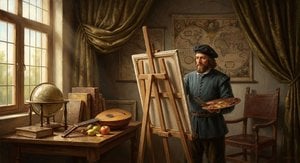
Illuminating Realism: Exploring the Dutch Golden Age of Painting (1600-1700)
Explore the Dutch Golden Age of painting (1600-1700) with ArtsDot. Discover Rembrandt, Vermeer & other masters. Learn about techniques, history & find museum-quality reproductions.

Astrazione Geometrica: 10 Capolavori che Hanno Definito un Movimento Artistico
Esplora i 10 capolavori dell'Astrazione Geometrica: Mondrian, Malevich e Kandinsky rivoluzionano l'arte moderna. Scopri la storia, i colori e le tecniche di questi movimenti iconici. Stampe d'arte di alta qualità su ArtsDot.com!