


 Anteprima in scala reale
 Invia
Invia Condividi
 Dettagli opera

 Scarica immagine
 Simili
 Radiografia
 Slideshow
untitled (6305)


 Espandi i dettagli
Giclée / Stampe d'arte
Stampa giclée o su tela di qualità museale, con produzione rapida e diverse opzioni di finitura. ( Acquista il dipinto realizzato a mano Acquista immagine)




P118B $10

P118H $10

P118W $10

P438Z $10

P508JH $12

P508YH $12

P805H $10

P805Z $10

P919BZ $10

P919G $10

P919XJ $10

P959ZH $10

P968JZ $12

W106C $8

W218G $10

W218JH $8

W218Y $10

W307PJ $10

W316G $10

W316PJ $8

W316Y $10

W398PJ $8

W4111J $10

W500HY $15

W500JH $15

W692G $12

W849H $8

W940BG $15

W953PJ $8




Scegli tra le nostre dimensioni predefinite, che rispettano le proporzioni originali dell'opera d'arte.

È possibile inserire dimensioni personalizzate per adattare l'opera a una cornice o a uno spazio specifico. Se la dimensione selezionata non corrisponde alle proporzioni dell'immagine originale, procederemo al ritaglio dell'opera o all'estensione dell'immagine con un bordo specchiato o a tinta unita. Un mockup digitale ti verrà inviato per approvazione prima dell'inizio della produzione.
Si prega di notare che l'anteprima a schermo non riflette il ritaglio o l'estensione effettivi. Solo il mockup mostrerà accuratamente la composizione finale.
Sebbene siano disponibili dimensioni personalizzate, si raccomanda di selezionare una dimensione dall'elenco predefinito per preservare le proporzioni originali.
Consegna in tutto il mondo () in 2 settimane invece delle normali 4/5 settimane. (25 Agosto)

Spedizione espressa gratuita in tutto il mondo

Tela in lino di alta qualità

Assicurazione completa sulla spedizione

Garanzia di rimborso dei dazi doganali

Garanzia di fedeltà cromatica

Politica di reso entro 60 giorni (solo per difetti di fabbricazione)

Garanzia di rimborso al 100%

Offerta per acquisti multipli
 L'opzione vetro è disponibile solo per dimensioni inferiori a 110 cm

untitled (6305)
Giclée / Stampe d'arte
Dimensioni riproduzione
-


Prezzo totale calcolato
$ 62
Descrizione del pezzo
A Study in Quietude: The Haunting Stillness of Edward Hopper
In the vast landscape of American Realism, few works capture the profound ache of modern existence as poignantly as Edward Hopper’s "untitled (6305)". Painted in 1949, a period when Hopper was deeply immersed in exploring the psychological depths of solitude, this masterpiece serves as more than just a window into an urban scene; it is a masterful distillation of the anxieties and subtle beauties inherent in the American experience. The canvas presents us with a moment frozen in time, where a single room is bathed in the muted, melancholic light of a late afternoon. Within this space, a towering industrial structure—perhaps a factory or a warehouse—looms against the sky, creating a powerful juxtaposition between the fragile human presence and the imposing, indifferent weight of the industrial age.
The emotional resonance of the piece lies in its ability to evoke a sense of unsettling stillness. As the viewer gazates upon the solitary figure seated at a desk, there is an immediate confrontation with the theme of isolation. Hopper does not rely on grand, dramatic gestures to convey this; instead, he utilizes the very atmosphere of the room to whisper of loneliness. The way the light streams obliquely through the window, highlighting the contours of the desk while casting long, stretching shadows, emphasizes the emptiness that surrounds the subject. It is a painting that invites the observer to sit within that same silence, feeling the weight of the world's vastness and the quiet dignity of standing alone within it.
Mastery of Light and Industrial Texture
Technically, "untitled (6305)" is a triumph of precision and light. Hopper’s palette is deliberately restrained, leaning into earthy tones of ochre, brown, and slate gray to build an atmosphere of subdued luminosity. His use of chiaroscuro—the dramatic interplay between light and shadow—is nothing short of breathtaking. Through the painstaking layering of paint, Hopper achieves a tactile quality that allows the viewer to sense the coldness of the steel beams and the weathered texture of the industrial plates. This meticulous attention to detail serves a greater symbolic purpose: by rendering the industrial structure with such stark accuracy, he highlights the dehumanizing aspects of progress, making the metal feel heavy, permanent, and utterly unyielding against the soft, transient nature of human life.
For the collector or the interior designer, this work offers a sophisticated anchor for any space. The painting’s composition—a balance of architectural rigidity and atmospheric softness—makes it an ideal centerpiece for environments that value contemplative elegance. Whether placed in a modern gallery setting or a classic study, a high-quality reproduction of this piece brings with it a sense of historical gravity and intellectual depth. It is not merely a decoration; it is an invitation to reflect on the quiet moments found in everyday life, making it a timeless addition to a curated collection of fine art.
Opere simili


Biografia dell'artista
**primi anni di vita e influenze**
Edward Hopper, un illustre pittore e incisore realista americano, nacque il 22 luglio 1882 a Upper Nyack, New York. La sua famiglia, di origine prevalentemente olandese, gli offrì una crescita confortevole che permise di coltivare le sue inclinazioni artistiche fin da giovane. - **Ispirazioni:** L'opera di Hopper fu influenzata dalle opere di Ralph Waldo Emerson e dai maestri impressionisti francesi Édouard Manet ed Edgar Degas. - **Formazione iniziale:** Iniziò gli studi artistici con un corso per corrispondenza nel 1899, per poi trasferirsi alla New York School of Art and Design.**Stile artistico e temi**
Edward Hopper's rappresentazioni spare e accuratamente calcolate riflettevano la sua visione personale della vita americana moderna. La sua opera può essere caratterizzata da: - **Scenari urbani e rurali:** Entrambi gli ambienti venivano raffigurati con un mix unico di realismo ed emozione profonda. - **Luce:** Una maestria nella luce, spesso usata per evocare sentimenti di isolamento o contemplazione. - **Figure:** Spesso senza volto o sullo sfondo, enfatizzando l'ambiente rispetto alle figure.**Opere notevoli e il loro significato**
- House by the Railroad (Museum of Modern Art, New York, United States), un esempio della capacità di Hopper di evocare un senso di malinconia attraverso una composizione semplice ma potente. - Reclining Nude (50 x 35 cm, New Realism, Watercolour), che dimostra la sua versatilità nel catturare la figura umana.**Eredità e influenza**
- **Influenza su artisti futuri:** Lo stile unico di Hopper ha influenzato numerosi artisti, tra cui Pierre Sanford Ross, noto per i suoi scenari urbani e rurali. - **Popolarità duratura:** Le sue opere continuano a catturare il pubblico con i loro temi senza tempo della solitudine e dell'essere umano.**Esplora di più su ArtsDot**
- [https://ArtsDot.com/@/edward-hopper](Edward Hopper's artworks) - /it/art/show/art-8xyffg-it/Buy art inspired by the masters)- Esplora il mondo dell'arte con la vasta collezione di ArtsDot.
- Scopri come l'eredità di Edward Hopper continua a ispirare artisti e amanti dell'arte.
**Riferimenti**
- [https://ArtsDot.com/@/edward-hopper](Wikipedia: Edward Hopper) - [https://en.wikipedia.org/wiki/edward_hopper](Wikipedia: Edward Hopper's biography)
Edward Hopper
1931 - 1967 , Stati Uniti d'America
Dati rapidi
- Artisti Influenti:
- Ralph Waldo Emerson
- Édouard Manet
- Edgar Degas
- Artisti Influenzati: ['Pierre Sanford Ross']
- Data Di Nascita: 22 luglio 1882
- Luogo Di Nascita: Upper Nyack, Stati Uniti
- Movimento Artistico: Realismo americano
- Nazionalità: Americana
- Nome Completo: Edward Hopper
- Opere Notevoli:
- House by the Railroad
- Nighthawks
- Gas
- Chop Suey
- Summertime
Articoli correlati

Edward Hopper: Le 25 Opere Iconiche che Definiscono l'America Moderna | ArtsDot
Esplora le 25 opere iconiche di Edward Hopper, il maestro del realismo americano. Scopri la luce, la solitudine e l'atmosfera unica dei suoi quadri più famosi. Stampe d'arte e riproduzioni su ArtsDot.com per arredare casa con stile. Esplora la collezione online!

Realismo Americano: 10 Capolavori che Hanno Definito un'Epoca | ArtsDot
Esplora i 10 capolavori del Realismo Americano con ArtsDot. Scopri Andrew Wyeth, Edward Hopper e George Bellows. Quadri iconici, storie uniche e riproduzioni di alta qualità per la tua casa. Esplora la collezione online!
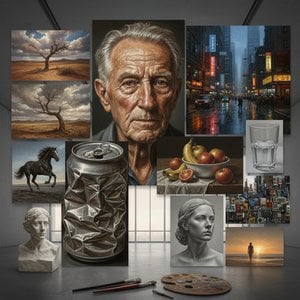
Realismo Contemporaneo: 10 Capolavori che Hanno Fatto Storia | .it
Esplora i 10 capolavori del Realismo Contemporaneo che hanno rivoluzionato l'arte! Scopri la storia, gli artisti e le tecniche dietro quadri iconici. Trova riproduzioni d'arte di alta qualità per decorare casa con .

American Realism: Social Commentary & Artistic Representation in Early 20th-Century Painting
Explore the powerful social commentary & artistic representation of American Realism. Discover key artists like Bellows & Sloan, and understand the movement's lasting impact on 20th-century art history.

Grant Wood e il Regionalismo Americano: Identità, Mito e Paesaggio Rurale
Esplora il Regionalismo Americano con Grant Wood e i suoi capolavori. Analisi approfondita di 'American Gothic', contesto storico, influenze artistiche e l'eredità di questo movimento iconico. Scopri la vera essenza dell'arte rurale americana.



