


 Anteprima in scala reale
 Condividi
 Condividi
 Dettagli
 Guida stampabile

 Scarica
 Articoli simili
 Radiografia
 Slideshow
 Statistiche
Manhattan Bridge Loop


 Leggi tutto
L'opera d'arte visualizzata in questa pagina è protetta dalle leggi sul diritto d'autore, il che significa che non possiamo legalmente creare o vendere una riproduzione identica. Tale protezione è garantita da accordi internazionali quali la Convenzione di Berna e dalle leggi nazionali, incluse quelle stabilite da Legge sul copyright degli Stati Uniti - Titolo 17. Tutti i diritti riservati. Le immagini presenti su questo sito sono protette da copyright e non possono essere riprodotte o utilizzate senza l'autorizzazione scritta di WahooArt.com o dei rispettivi proprietari del copyright.
Questo metodo è pienamente conforme alle normative sul diritto d'autore poiché non prevede la copia o la duplicazione dell'opera protetta. Si tratta invece di una rielaborazione creativa: un nuovo dipinto che trae ispirazione dall'originale, senza tuttavia esserne identico.
Giclée / Stampe d'arte
Stampa giclée o su tela di qualità museale, con produzione rapida e diverse opzioni di finitura. ( Ordina la riproduzione dipinta a mano Passa all'immagine digitale)




P118B €10

P118H €10

P118W €10

P438Z €10

P508JH €12

P508YH €12

P805H €10

P805Z €10

P919BZ €10

P919G €10

P919XJ €10

P959ZH €10

P968JZ €12

W106C €8

W218G €10

W218JH €8

W218Y €10

W307PJ €10

W316G €10

W316PJ €8

W316Y €10

W398PJ €8

W4111J €10

W500HY €15

W500JH €15

W692G €12

W849H €8

W940BG €15

W953PJ €8




Scegli tra le nostre dimensioni predefinite, che rispettano le proporzioni originali dell'opera d'arte.

È possibile inserire dimensioni personalizzate per adattare l'opera a una cornice o a uno spazio specifico. Se la dimensione selezionata non corrisponde alle proporzioni dell'immagine originale, procederemo al ritaglio dell'opera o all'estensione dell'immagine con un bordo specchiato o a tinta unita. Un mockup digitale ti verrà inviato per approvazione prima dell'inizio della produzione.
Si prega di notare che l'anteprima a schermo non riflette il ritaglio o l'estensione effettivi. Solo il mockup mostrerà accuratamente la composizione finale.
Sebbene siano disponibili dimensioni personalizzate, si raccomanda di selezionare una dimensione dall'elenco predefinito per preservare le proporzioni originali.
Consegna in tutto il mondo () in 2 settimane invece delle normali 4/5 settimane. (13 Ottobre)

Spedizione espressa gratuita in tutto il mondo

Tela in lino di alta qualità

Assicurazione completa sulla spedizione

Garanzia di rimborso dei dazi doganali

Garanzia di perfetta fedeltà cromatica

Politica di reso entro 100 giorni (solo per difetti di fabbricazione)

Garanzia di rimborso al 100%

Sconto per acquisti multipli
 L'opzione vetro è disponibile solo per dimensioni inferiori a 110 cm

Manhattan Bridge Loop
Giclée / Stampe d'arte
Dimensioni della riproduzione
-


Prezzo totale
€ 53
A Symphony of Solitude: The Urban Poetics of Manhattan Bridge Loop
In the quiet, pre-dawn stillness of 1928, Edward Hopper captured more than just a New York City streetscape; he distilled the very essence of modern existence. Manhattan Bridge Loop serves as a profound meditation on the paradox of urban life—the experience of being surrounded by millions yet remaining profoundly alone. As the early morning light filters through the hazy atmosphere of the metropolis, it illuminates a scene that feels both monumental and deeply intimate. The composition, anchored by the sweeping architectural presence of the bridge, invites the viewer to step into a moment frozen in time, where the rhythmic pulse of the city has momentarily slowed to a contemplative heartbeat.
The technical mastery of this piece lies in Hopper’s ability to use chiaroscuro to sculpt emotion. Through the dramatic interplay of light and shadow, the artist breathes life into the cold textures of brick, steel, and pavement. His palette is a sophisticated study in restraint, utilizing muted browns, somber grays, and weathered, rusty hues that evoke the grit and grandeur of the Jazz Age. These colors do not merely represent the physical environment; they set a psychological tone of quiet melancholy. The deliberate, controlled brushstrokes create a sense of stillness so palpable that one can almost hear the distant echo of footsteps against the concrete, making it an ideal centerpiece for those seeking to bring a sense of thoughtful depth and historical gravity to a curated interior.
The Architecture of Isolation and Memory
Beyond its visual allure, the painting functions as a symbolic landscape of the human condition. The two figures positioned within the frame—one walking away into the shadows, the other gazing toward the horizon—act as avatars for the viewer’s own reflections on connection and detachment. They are not protagonists in a grand drama, but rather quiet observers of an indifferent cityscape. This sense of urban isolation is heightened by the towering skyscrapers that loom over the street, creating a scale that emphasizes the vulnerability of the individual against the immensity of the modern machine. For the collector, this work offers a window into the post-World War I era, reflecting the widespread disillusionment and the shifting social landscapes of an America grappling with rapid industrialization.
For interior designers and art enthusiasts alike, Manhattan Bridge Loop offers a timeless aesthetic that transcends fleeting trends. Its monochromatic undertones and structural composition provide a sophisticated anchor for contemporary spaces, blending seamlessly with minimalist or classic decor. To possess a reproduction of this masterpiece is to hold a piece of American history—a fragment of a time when the world was changing irrevocably, captured through the eyes of a master who found beauty in the shadows and poetry in the lonely corners of the city.
Domande e risposte
Posso vedere "Manhattan Bridge Loop" di Edward Hopper sulla mia parete prima dell'acquisto?
Puoi visualizzare "Manhattan Bridge Loop" di Edward Hopper sulla tua parete grazie alla pagina Anteprima AR dell'opera, utilizzando la realtà aumentata su un dispositivo compatibile.
Come posso visualizzare "Manhattan Bridge Loop" di Edward Hopper come presentazione di immagini?
Puoi visualizzare "Manhattan Bridge Loop" di Edward Hopper in un formato slideshow nella pagina Slideshow dell'opera.
Qual è la luminosità di "Manhattan Bridge Loop" di Edward Hopper?
"Manhattan Bridge Loop" di Edward Hopper ha una luminanza di Gentle Luminance. La luminanza descrive quanta luce sembrano riflettere i colori.
È disponibile un download per "Manhattan Bridge Loop"?
È disponibile un download per "Manhattan Bridge Loop": la pagina Scarica dell'opera offre download di un'immagine digitale ad alta risoluzione.
In che anno è stata realizzata "Manhattan Bridge Loop"?
"Manhattan Bridge Loop" di Edward Hopper è stata creata nel 1928.
Che emozione trasmette "Manhattan Bridge Loop" come regalo?
Con il suo tono emotivo Melancholic, "Manhattan Bridge Loop" di Edward Hopper è consigliato come regalo per Corporate Gift.
In che modo "Manhattan Bridge Loop" bilancia luci e ombre?
La luminosità di "Manhattan Bridge Loop" di Edward Hopper è registrata come balanced, con una luminanza di Gentle Luminance.
Come posso scoprire opere d'arte simili a "Manhattan Bridge Loop" di Edward Hopper?
Le opere simili a "Manhattan Bridge Loop" sono elencate nella pagina Opere simili dell'opera.
Opere correlate


Biografia dell'artista
**primi anni di vita e influenze**
Edward Hopper, un illustre pittore e incisore realista americano, nacque il 22 luglio 1882 a Upper Nyack, New York. La sua famiglia, di origine prevalentemente olandese, gli offrì una crescita confortevole che permise di coltivare le sue inclinazioni artistiche fin da giovane. - **Ispirazioni:** L'opera di Hopper fu influenzata dalle opere di Ralph Waldo Emerson e dai maestri impressionisti francesi Édouard Manet ed Edgar Degas. - **Formazione iniziale:** Iniziò gli studi artistici con un corso per corrispondenza nel 1899, per poi trasferirsi alla New York School of Art and Design.**Stile artistico e temi**
Edward Hopper's rappresentazioni spare e accuratamente calcolate riflettevano la sua visione personale della vita americana moderna. La sua opera può essere caratterizzata da: - **Scenari urbani e rurali:** Entrambi gli ambienti venivano raffigurati con un mix unico di realismo ed emozione profonda. - **Luce:** Una maestria nella luce, spesso usata per evocare sentimenti di isolamento o contemplazione. - **Figure:** Spesso senza volto o sullo sfondo, enfatizzando l'ambiente rispetto alle figure.**Opere notevoli e il loro significato**
- House by the Railroad (Museum of Modern Art, New York, United States), un esempio della capacità di Hopper di evocare un senso di malinconia attraverso una composizione semplice ma potente. - Reclining Nude (50 x 35 cm, New Realism, Watercolour), che dimostra la sua versatilità nel catturare la figura umana.**Eredità e influenza**
- **Influenza su artisti futuri:** Lo stile unico di Hopper ha influenzato numerosi artisti, tra cui Pierre Sanford Ross, noto per i suoi scenari urbani e rurali. - **Popolarità duratura:** Le sue opere continuano a catturare il pubblico con i loro temi senza tempo della solitudine e dell'essere umano.**Esplora di più su ArtsDot**
- [https://ArtsDot.com/@/edward-hopper](Edward Hopper's artworks) - /it/art/show/art-8xyffg-it/Buy art inspired by the masters)- Esplora il mondo dell'arte con la vasta collezione di ArtsDot.
- Scopri come l'eredità di Edward Hopper continua a ispirare artisti e amanti dell'arte.
**Riferimenti**
- [https://ArtsDot.com/@/edward-hopper](Wikipedia: Edward Hopper) - [https://en.wikipedia.org/wiki/edward_hopper](Wikipedia: Edward Hopper's biography)
Edward Hopper
1931 - 1967 , Stati Uniti d'America
Informazioni rapide
- Artisti Influenti:
- Ralph Waldo Emerson
- Édouard Manet
- Edgar Degas
- Artisti Influenzati: ['Pierre Sanford Ross']
- Data Di Nascita: 22 luglio 1882
- Luogo Di Nascita: Upper Nyack, Stati Uniti
- Movimento Artistico: Realismo americano
- Nazionalità: Americana
- Nome Completo: Edward Hopper
- Opere Notevoli:
- House by the Railroad
- Nighthawks
- Gas
- Chop Suey
- Summertime
Articoli correlati

Concrete Visions: Exploring Representations of Urban Life in Modern & Contemporary Art
Explore the evolution of cityscape painting from Realism to contemporary art. Discover key artists & invest in timeless urban visions with ArtsDot's expert guidance and museum-quality reproductions.

Stuart Davis: Astrattismo Modernista e lo Spirito Vivace dell'Età del Jazz
Esplora l'opera di Stuart Davis, pioniere dell'astrattismo americano e interprete dello spirito del Jazz Age. Analisi approfondita, temi ricorrenti e contesto storico per collezionisti e appassionati d'arte.

Fernand Léger: I 25 Capolavori che Hanno Definito l'Arte Moderna | ArtsDot
Esplora i 25 capolavori di Fernand Léger, pioniere del cubismo e del tubismo. Scopri la storia, le tecniche e l'impatto dell'arte moderna francese. Stampe d'arte e riproduzioni su ArtsDot.com.
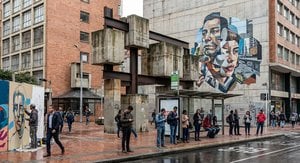
Concrete Narratives: Exploring Urban Life in Modern & Contemporary Art
Explore the evolution of cityscape painting with ArtsDot. Discover key artists from Realism to contemporary movements & invest in timeless urban visions. Expert guidance, museum-quality reproductions.

Edward Hopper: Le 25 Opere Iconiche che Definiscono l'America Moderna | ArtsDot
Esplora le 25 opere iconiche di Edward Hopper, il maestro del realismo americano. Scopri la luce, la solitudine e l'atmosfera unica dei suoi quadri più famosi. Stampe d'arte e riproduzioni su ArtsDot.com per arredare casa con stile. Esplora la collezione online!


