
 Anteprima in scala reale
 Invia
Invia Condividi
 Dettagli opera
 Guida
Guida

 Scarica
 Simili
 Radiografia
 Slideshow
 Domande e risposte
 Statistiche
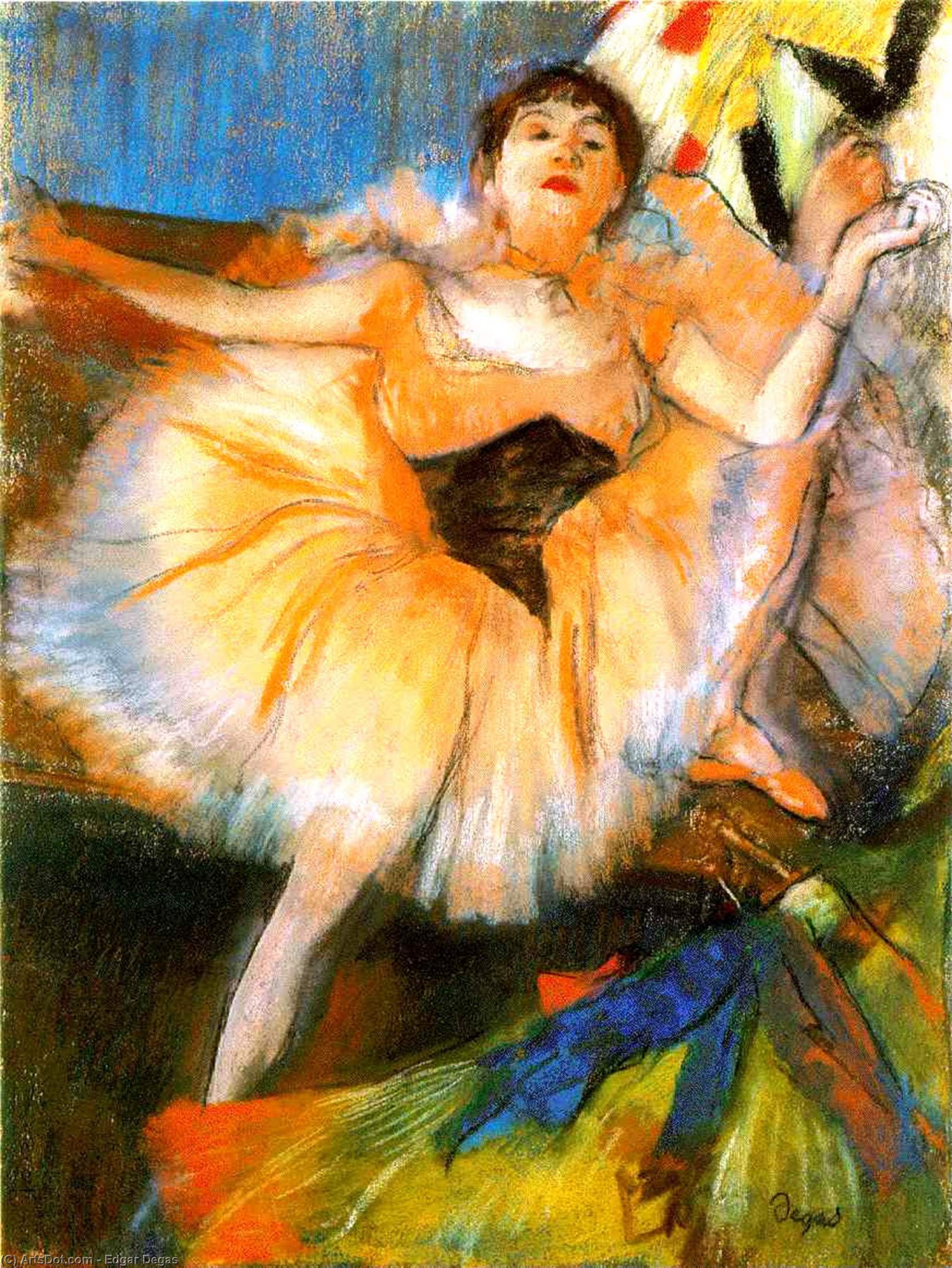
Danzatrice seduta


 Espandi i dettagli
Giclée / Stampe d'arte
Stampa giclée o su tela di qualità museale, con produzione rapida e diverse opzioni di finitura. ( Acquista il dipinto realizzato a mano Passa all'immagine digitale)




P118B €10

P118H €10

P118W €10

P438Z €10

P508JH €12

P508YH €12

P805H €10

P805Z €10

P919BZ €10

P919G €10

P919XJ €10

P959ZH €10

P968JZ €12

W106C €8

W218G €10

W218JH €8

W218Y €10

W307PJ €10

W316G €10

W316PJ €8

W316Y €10

W398PJ €8

W4111J €10

W500HY €15

W500JH €15

W692G €12

W849H €8

W940BG €15

W953PJ €8




Scegli tra le nostre dimensioni predefinite, che rispettano le proporzioni originali dell'opera d'arte.

Inserisci la larghezza e l'altezza desiderate, per adattarle alla tua cornice o alla tua parete. Una stampa può essere solo ritagliata, mai resa più grande dell'immagine originale; pertanto, un formato con una forma differente comporterà la perdita di una parte dell'opera. Ti invieremo un mockup digitale da approvare prima di procedere con la stampa. L'immagine mostrata in questa pagina non rappresenta il ritaglio reale — solo il mockup lo mostra.
Consegna in tutto il mondo () in 2 settimane invece delle normali 4/5 settimane. (8 Novembre)

Spedizione espressa gratuita in tutto il mondo

Tela in lino di alta qualità

Assicurazione completa sulla spedizione

Garanzia di rimborso dei dazi doganali

Garanzia di fedeltà cromatica assoluta

Politica di reso entro 100 giorni (solo per difetti di fabbricazione)

Garanzia di rimborso al 100%

Offerta per acquisti multipli
 L'opzione vetro è disponibile solo per dimensioni inferiori a 110 cm

Danzatrice seduta
Giclée / Stampe d'arte
Dimensioni riproduzione
-


Prezzo finale calcolato
€ 56
Un Istante Immobile nel Movimento: La “Danzatrice Seduta” di Degas
L’opera “Danzatrice Seduta” di Hilaire-Germain-Edgar Degas, dipinta intorno al 1880, è molto più della semplice raffigurazione di una ballerina; è una profonda meditazione sul movimento, sulla grazia e sulla natura fuggevole della bellezza. Questo capolavoro a pastello cattura un momento cruciale della performance di una danzatrice, congelato nel tempo con una quiete quasi inquietante. Il soggetto, una donna avvolta in un vibrante abito giallo, incarna lo spirito della nascente scena del balletto della fine del XIX secolo – un mondo sempre più affascinato dall'atletismo e dall'arte delle interpreti femminili.
- Soggetto: La figura centrale è innegabilmente una danzatrice, probabilmente ispirata alle estese osservazioni che Degas compiva nei bastidores dell'Opéra Ballet di Parigi.
- Stile e Tecnica: Eseguita con un distintivo stile pastellistico, “Danzatrice Seduta” esemplifica l'approccio unico di Degas all'Impressionismo. A differenza dei suoi contemporanei, che spesso si concentravano sulla cattura di effetti luminosi effimeri, Degas ha reso meticolosamente la forma e la postura, enfatizzando la struttura muscolare della danzatrice e le delicate pieghe del suo abito. La pennellata fluida e la tavolozza di colori vivaci contribuiscono a un senso di dinamismo nonostante la posa statica.
L'Occhio del Realista: L'Approccio di Degas
Nonostante l'associazione con l'Impressionismo, l'opera di Degas è fondamentalmente radicata nel realismo. Egli non era interessato alla semplice registrazione di impressioni visive; cercava di comprendere e ritrarre la struttura sottostante dei suoi soggetti con incrollabile accuratezza. Questa dedizione è evidente nella resa precisa dell'anatomia della danzatrice – le braccia protese, la curva della colonna vertebrale e la sottile tensione dei muscoli. L'attenzione meticolosa dell'artista al dettaglio eleva questo lavoro oltre la mera rappresentazione di una scena di danza; esso diventa uno studio sulla forma umana e sul movimento.
Il background di Degas — la sua educazione borghese e la formazione precoce al Louvre — ha plasmato le sue sensibilità artistiche. Fu profondamente influenzato dalla scultura classica, in particolare dalle opere di Michelangelo, che hanno informato la sua comprensione dell'anatomia e della composizione. Questa influenza si riflette sottilmente nella postura composta della danzatrice e nelle sue linee eleganti.
Simbolismo e Composizione
L'inclusione di due uccelli sullo sfondo aggiunge uno strato di ricchezza simbolica al dipinto. Gli uccelli sono da tempo associati alla libertà, alla grazia e alla spiritualità – qualità che si allineano perfettamente con la performance della danzatrice. La loro presenza suggerisce un'aspirazione verso la trascendenza, elevando la scena oltre una semplice raffigurazione di una ballerina. La composizione stessa è accuratamente bilanciata, guidando l'occhio dello spettatore verso la figura centrale e utilizzando lo spazio negativo per creare un senso di profondità e movimento.
Impatto Emotivo ed Eredità
“Danzatrice Seduta” risuona negli spettatori per la sua capacità di evocare un potente senso di nostalgia e meraviglia. L'uso magistrale del colore e della luce da parte di Degas crea un'atmosfera di quieta contemplazione, invitandoci a riflettere sulla bellezza e sulla fragilità dell'espressione umana. Quest'opera rimane una testimonianza del genio artistico di Degas – un capolavoro senza tempo che continua a affascinare il pubblico odierno. Una riproduzione dipinta a mano offre l'opportunica unica di portare questa immagine evocativa nella propria casa o nel proprio ufficio, aggiungendo un tocco di eleganza e raffinatezza.
Domande e risposte
Per quale motivo lo stato del copyright di "Danzatrice seduta" è questo?
"Danzatrice seduta" di Hilaire-Germain-Edgar Degas è di di pubblico dominio - il copyright è scaduto. I termini del copyright si calcolano a partire dalla morte dell'artista, e Hilaire-Germain-Edgar Degas è deceduto nel 1917.
Come posso scoprire opere d'arte simili a "Danzatrice seduta" di Hilaire-Germain-Edgar Degas?
La pagina Opere simili di "Danzatrice seduta" di Hilaire-Germain-Edgar Degas presenta opere correlate.
A quale fase della carriera di Hilaire-Germain-Edgar Degas corrisponde la data del 1880 di "Danzatrice seduta"?
La data del 1880 colloca "Danzatrice seduta" nel Periodo maturo della carriera di Hilaire-Germain-Edgar Degas.
Opere simili


Biografia dell'artista
A Life Immersed in Movement: The World of Edgar Degas
Hilaire-Germain Edgar De Gas was born July 19, 1834, Paris, France—died September 27, 1917, Paris (aged 83), and is considered one of the most complex and innovative figures of his generation. He was the eldest son of Célestine Musson De Gas, a Creole from New Orleans, and he reinforced his formal academic art training by copying Old Master paintings both in Italy, where he spent three years (1856–1859), and at the Louvre. Degas early on developed a rigorous drawing style and a respect for line that he would maintain throughout his career. His first independent works were portraits and history paintings but in the early 1860s he began to paint scenes from modern life. He started with the world of horse racing and by the end of the decade, he was already experimenting with new techniques and exploring unconventional compositions—a departure from the traditional academic art favored by many of his contemporaries.Beyond Impressionism: A Unique Artistic Vision
While contemporaries like Monet chased the fleeting effects of light outdoors, Degas largely worked within the confines of his studio, meticulously constructing scenes from observation and memory. His subject matter was decidedly modern—a departure from the historical or mythological themes favored by many academic painters. He found inspiration in the everyday lives of Parisians: laundresses, cabaret singers, milliners, and, most famously, dancers. It is this fascination with ballet that defines much of his oeuvre. Degas didn’t simply paint beautiful ballerinas; he captured the grueling reality of their profession—the endless rehearsals, the physical strain, the fleeting moments of grace amidst a world of hard work. His compositions are often unconventional, cropping figures in unexpected ways and utilizing asymmetrical arrangements that create a sense of dynamism and immediacy. He was a master of capturing movement, not through blurred lines or hazy effects, but through precise observation and careful rendering of form. Dancer, A Group of Dancers, and Women Combing Their Hair are prime examples of this dedication to portraying the human figure in motion and revealing the complexities of modern life.Influences and Artistic Development
Degas’s artistic journey was shaped by a diverse range of influences. His early training emphasized classical principles, particularly the work of Jean-Auguste-Dominique Ingres, whose emphasis on draftsmanship and precise form left a lasting impression. However, Degas also admired the Realists, such as Gustave Courbet, who challenged academic conventions and championed the depiction of contemporary life. A pivotal moment in his development came through his association with Camille Pissarro, a leading Impressionist who introduced him to other artists and encouraged him to experiment with new techniques. He was captivated by Japanese prints—Ukiyo-e—which influenced his use of asymmetrical compositions, flattened perspectives, and bold patterns. He also embraced photography, recognizing its potential as a tool for studying movement and capturing fleeting moments in time. This willingness to incorporate diverse influences into his work is what sets Degas apart and contributes to the unique character of his art.Major Achievements & Legacy
Degas’s prolific output spanned painting, sculpture, printmaking, and drawing—demonstrating an unparalleled mastery across multiple mediums. He achieved renown for his portraits of prominent figures—including artists, writers, and intellectuals—capturing their psychological depth with remarkable sensitivity. His ballet paintings revolutionized the genre, portraying dancers not as idealized beauties but as human beings grappling with physical exertion and emotional vulnerability. Furthermore, Degas’s exploration of horse racing and jockeying offered a fresh perspective on sport and social life. He was recognized as one of the most influential artists of his time, shaping the trajectory of modern art and inspiring generations of subsequent painters. His legacy continues to resonate today, celebrated for its innovation, honesty, and profound understanding of human experience. Museums worldwide—including the Musée d'Orsay and the Musée de l’Orangerie in Paris—house significant collections of his paintings, pastels, sculptures, and prints, ensuring that his artistic vision will endure for centuries to come.
Hilaire-Germain-Edgar Degas
1834 - 1917 , Francia
Dettagli rapidi
- Artistic Movement Or Style: Impressionismo, Realismo
- Artists Or Movements Influenced By This Artist:
- Pablo Picasso
- Henri Matisse
- Artists Who Influenced This Artist:
- Jean-Auguste-Dominique Ingres
- Camillo Pissarro
- Date Of Birth: 1834
- Full Name: Hilaire-Germain Edgar De Gas
- Nationality: Francese
- Notable Artworks:
- Danzatori
- Due ballerine con gonne verdi
- Place Of Birth: Paris, France
Articoli correlati
I 10 Dipinti Più Famosi Inondati di Giallo Cromatico: Arte e Decorazioni Raffinate
Esplora i 10 dipinti più iconici dominati dal giallo cromatico! Van Gogh, Monet e altri maestri celebrano questo colore vibrante. Scopri storie, tecniche e acquista stampe di alta qualità su ArtsDot.com.

L'Incanto del Pastello: Segreti di Luce, Colore e Emozione nell'Arte
Scopri i segreti della tecnica del pastello tra maestri come Degas e Carriera. Esplora la purezza del colore e della luce nell'arte.

The Subdued Radiance of Pastel Palettes: Exploring Emotional Resonance in Art History
Explore the emotional power of pastel palettes in art history! Discover Impressionism, Post-Impressionism & color psychology insights. Find museum-quality reproductions at ArtsDot.

Edgar Degas: Uno Studio sul Movimento, l'Osservazione e la Belle Époque Parigina
Esplora il mondo di Edgar Degas: tecnica innovativa, le iconiche ballerine e l'influenza della Belle Époque parigina. Approfondimenti sulla sua arte e eredità.
I 10 Dipinti Più Famosi Dominati dal Giallo Ocra: Arte e Decorazioni Raffinate
Esplora i 10 dipinti più iconici dominati dal giallo ocra! Scopri la storia di Van Gogh, Monet e altri maestri. Trova riproduzioni d'arte di alta qualità per decorare casa con stile su .


