


 Anteprima in scala reale
 Condividi
 Condividi
 Dettagli
 Guida stampabile

 Scarica
 Articoli simili
 Radiografia
 Slideshow
 Statistiche
Windmill
 Geometric Abstraction
 1966
1966 61.0 x 48.0 cm
 Leggi tutto
L'opera d'arte visualizzata in questa pagina è protetta dalle leggi sul diritto d'autore, il che significa che non possiamo legalmente creare o vendere una riproduzione identica. Tale protezione è garantita da accordi internazionali quali la Convenzione di Berna e dalle leggi nazionali, incluse quelle stabilite da Legge sul copyright degli Stati Uniti - Titolo 17. Tutti i diritti riservati. Le immagini presenti su questo sito sono protette da copyright e non possono essere riprodotte o utilizzate senza l'autorizzazione scritta di WahooArt.com o dei rispettivi proprietari del copyright.
Questo metodo è pienamente conforme alle normative sul diritto d'autore poiché non prevede la copia o la duplicazione dell'opera protetta. Si tratta invece di una rielaborazione creativa: un nuovo dipinto che trae ispirazione dall'originale, senza tuttavia esserne identico.
Giclée / Stampe d'arte
Stampa giclée o su tela di qualità museale, con produzione rapida e diverse opzioni di finitura. ( Ordina la riproduzione dipinta a mano Passa all'immagine digitale)




































Scegli tra le nostre dimensioni predefinite, che rispettano le proporzioni originali dell'opera d'arte.

Inserisci la larghezza e l'altezza desiderate, per adattarle alla tua cornice o alla tua parete. Una stampa può essere solo ritagliata, mai resa più grande dell'immagine originale; pertanto, un formato con una forma differente comporterà la perdita di una parte dell'opera. Ti invieremo un mockup digitale da approvare prima di procedere con la stampa. L'immagine mostrata in questa pagina non rappresenta il ritaglio reale — solo il mockup lo mostra.
Consegna in tutto il mondo () in 2 settimane invece delle normali 4/5 settimane. (18 Ottobre)

Spedizione espressa gratuita in tutto il mondo

Tela in lino di alta qualità

Assicurazione completa sulla spedizione

Garanzia di rimborso dei dazi doganali

Garanzia di perfetta fedeltà cromatica

Politica di reso entro 100 giorni (solo per difetti di fabbricazione)

Garanzia di rimborso al 100%

Sconto per acquisti multipli
 L'opzione vetro è disponibile solo per dimensioni inferiori a 110 cm

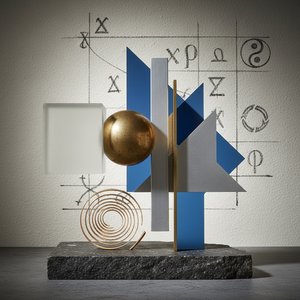
Windmill
Giclée / Stampe d'arte
Dimensioni della riproduzione
-


Prezzo totale
€ 54
Opere correlate


Biografia dell'artista
A Vision in Crayon: The Singular World of Eddie Arning
Eddie Arning (1898-1993) was an American outsider artist whose work, largely created during the latter half of his life, offers a profoundly unique and compelling vision of faith, Americana, and everyday existence. Born in Texas, Arning lived a relatively quiet life as a farmer and handyman before embarking on a prolific artistic journey that would only gain recognition after his death. He wasn’t formally trained; his medium was almost exclusively crayon, and his subjects sprang from the depths of his personal beliefs and observations. To call him “self-taught” feels inadequate – Arning didn't seek instruction, he simply *needed* to create, driven by an inner compulsion that manifested in a vibrant, often startlingly direct style. His art isn’t about technical mastery; it’s about raw expression, unwavering conviction, and the unfiltered translation of his internal world onto paper.From Farm Life to Artistic Revelation
Arning's early life provided little indication of the artistic fervor that would later consume him. He worked the land, a practical existence far removed from galleries or art schools. The turning point appears to have come in his 60s, when he began producing an astonishing number of crayon drawings and paintings. These weren’t sketches or preliminary studies; they were fully realized works, often large in scale, depicting scenes ranging from biblical narratives – particularly those surrounding Jesus Christ – to depictions of contemporary American life, rural landscapes, and even abstract patterns. The sheer volume of his output is remarkable, suggesting a relentless creative energy that demanded release. He wasn’t creating for an audience; he was creating because he *had* to. This inherent need is crucial to understanding the power and authenticity of his work. His home became filled with these images, transforming his living space into a personal chapel and gallery simultaneously.Themes and Symbolism: A Personal Mythology
The core of Arning’s artistic vision revolves around religious themes, specifically his interpretation of Christianity. However, his depictions of Jesus are far from conventional. They are often intensely emotional, sometimes unsettling, and imbued with a distinctly personal symbolism. Figures radiate light, appear in multiple forms within the same composition, or are surrounded by swirling patterns that suggest divine energy. Beyond religious iconography, Arning’s work is populated with scenes of everyday life – families, farm animals, cars, houses – rendered with a naive simplicity that belies their emotional depth. He frequently incorporated text into his works, often repeating phrases or biblical verses, further emphasizing the spiritual and moral weight he attached to his subjects. Vintage Americana is also a key element; images of mid-century automobiles, clothing styles, and domestic interiors ground his visions in a specific time and place, creating a fascinating juxtaposition between the sacred and the mundane. The repetition of certain motifs – stars, crosses, swirling lines – suggests a personal mythology that unfolds across the breadth of his oeuvre.Technique and Style: The Power of Crayon
Arning’s choice of crayon as his primary medium is perhaps one of the most striking aspects of his work. It's an unconventional material for serious art, often associated with childhood or amateur expression. Yet, Arning wielded it with remarkable skill and intensity. He layered colors to create depth and texture, used bold outlines to define forms, and exploited the inherent vibrancy of the crayon itself. His style is characterized by a naive simplicity, a lack of traditional perspective or anatomical accuracy that contributes to the raw emotional power of his images. The slightly waxy texture of the crayon adds another layer of tactility to his work, inviting viewers to engage with it on a visceral level. He often worked on large sheets of paper or cardboard, creating expansive compositions that envelop the viewer in his world. This deliberate choice of scale and medium reinforces the sense of immediacy and authenticity that defines his art.Legacy and Historical Significance: The Outsider’s Voice
Eddie Arning remained largely unknown during his lifetime. His work was discovered after his death by a collector who recognized its extraordinary power and originality. Since then, it has gained increasing attention from the art world, earning him recognition as a significant figure in outsider art and American folk art. Arning’s work challenges conventional notions of artistic training and skill, demonstrating that profound creativity can emerge from unexpected sources. His unwavering faith, his unique vision, and his raw emotional expression resonate deeply with viewers, offering a glimpse into the inner world of an artist who remained true to himself despite – or perhaps because of – his isolation. He stands as a testament to the power of art as a means of personal revelation and spiritual exploration, a voice from the margins that continues to captivate and inspire.- His work is now held in numerous private collections and museums.
- Arning’s “Jesus craze” artwork has become particularly sought after by collectors.
- He represents a significant example of self-taught American art from the 20th century.

Eddie Arning
1898 - 1993
Informazioni rapide
- Artistic Movement Or Style: Outsider Art
- Artists Or Movements Influenced By This Artist: ['Fauvist']
- Artists Who Influenced This Artist: ['Helen Mayfield']
- Date Of Birth: 1898
- Date Of Death: 1993
- Full Name: Eddie Arning
- Nationality: American
- Notable Artworks:
- Two Soldiers
- Jesus Craze
- Six Figures with Pigeons and Buildings
- Place Of Birth: Germania, Texas
Articoli correlati

Beyond Form & Color: Geometric Abstraction's Evolution in 20th/21st Century Art
Explore the evolution of geometric abstraction from Cubism to contemporary art. Discover key artists like Malevich & Mondrian, investment insights, and expert collecting advice at ArtsDot.
Beyond Form: Exploring the Philosophical Foundations of Geometric Abstraction
Explore the philosophical roots & artistic evolution of geometric abstraction with ArtsDot. Discover Mondrian, Malevich, De Stijl & more. Expert insights for collectors and art enthusiasts.

Kandinsky: I 25 Capolavori che Hanno Rivoluzionato l'Arte Moderna | ArtsDot
Esplora i 25 capolavori di Wassily Kandinsky, pioniere dell'arte astratta. Scopri la storia, il significato e le tecniche dietro ogni dipinto iconico. Trova riproduzioni d'arte di alta qualità per decorare la tua casa su ArtsDot.com.

Beyond Form & Color: Geometric Abstraction's Enduring Legacy in Art History
Explore the captivating world of geometric abstraction! Discover its origins, key artists like Malevich & Mondrian, and why this movement remains highly valued by art collectors today. Expert insights at ArtsDot.

Astrazione Geometrica: 10 Capolavori che Hanno Definito un Movimento Artistico
Esplora i 10 capolavori dell'Astrazione Geometrica: Mondrian, Malevich e Kandinsky rivoluzionano l'arte moderna. Scopri la storia, i colori e le tecniche di questi movimenti iconici. Stampe d'arte di alta qualità su ArtsDot.com!