Anteprima in scala reale
 Condividi
 Condividi
 Dettagli
 Guida stampabile

 Scarica
 Articoli simili
 Radiografia
 Slideshow
 Statistiche
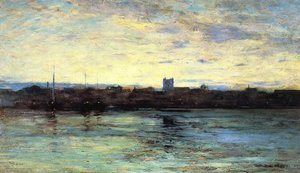
Moonlight
 Oil On Canvas
- WallArt
- Tonalist Landscape
 1887
1887 36.0 x 56.0 cm
 Metropolitan Museum of Art
 Leggi tutto
Riproduzione a olio fatta a mano
Olio su tela dipinto a mano nelle tue dimensioni e con la tua cornice, realizzato su ordinazione dai nostri artisti. ( Passa alle stampe Passa all'immagine digitale)




P118B €10

P118H €10

P118W €10

P438Z €10

P508JH €12

P508YH €12

P805H €10

P805Z €10

P919BZ €10

P919G €10

P919XJ €10

P959ZH €10

P968JZ €12

W106C €8

W218G €10

W218JH €8

W218Y €10

W307PJ €10

W316G €10

W316PJ €8

W316Y €10

W398PJ €8

W4111J €10

W500HY €15

W500JH €15

W692G €12

W849H €8

W940BG €15

W953PJ €8




Scegli tra le nostre dimensioni predefinite, che rispettano le proporzioni originali dell'opera d'arte.

Inserisci la larghezza e l'altezza di cui hai bisogno, per adattarle alla tua cornice o alla tua parete. Trattandosi di un'opera dipinta a mano, in caso di dimensioni con una forma differente, l'artista può dipingere un po' più oltre i bordi dell'immagine o ritagliare leggermente — la scelta spetta a te. Ti invieremo un mockup digitale da approvare prima che la pittura abbia inizio. L'immagine mostrata in questa pagina non rappresenta il risultato reale — solo il mockup lo fa.
Dopo l'ordine, il team di ArtsDot.com contatterà il cliente via e-mail per ricevere le istruzioni e fornirà un'anteprima del mockup
Consegna in tutto il mondo () in 3/4 settimane anziché nelle normali 5 settimane. (23 Ottobre). Nessun compromesso sulla qualità.

Spedizione espressa gratuita in tutto il mondo

Tela in lino di alta qualità

Assicurazione completa sulla spedizione

Garanzia di rimborso dei dazi doganali

Garanzia di perfetta fedeltà cromatica

Politica di reso entro 100 giorni (solo per difetti di fabbricazione)

Garanzia di rimborso al 100%

Sconto per acquisti multipli
 L'opzione vetro è disponibile solo per dimensioni inferiori a 110 cm

Moonlight
Tecnica di riproduzione
Dimensioni della riproduzione
-


Prezzo totale
€ 231
Moonlight: A Study in Tranquil Luminosity
Dwight William Tryon’s “Moonlight,” painted in 1887, isn't merely a depiction of a rural landscape; it’s an immersion into a profound sense of quietude and the evocative power of light. Born in Hartford, Connecticut, during a period when American art was grappling with its own identity, Tryon emerged from a childhood deeply rooted in the rhythms of rural life – a formative experience that would profoundly shape his artistic vision. He eschewed the prevailing trends of the time, choosing instead to embrace the principles of tonalism, a style characterized by subdued colors and atmospheric effects, prioritizing mood and emotion over precise representation. This decision led him away from the bright palettes and detailed renderings favored by many of his contemporaries, establishing “Moonlight” as a cornerstone of his distinctive oeuvre. The painting captures a serene nighttime scene – rolling hills bathed in the soft glow of the moon, punctuated by scattered trees and hinting at a distant farmhouse nestled within the landscape. It’s a scene that invites contemplation, a moment suspended between darkness and light, reality and dream.The Language of Tone: Technique and Composition
Tryon's mastery lies not in meticulous detail but in his skillful manipulation of tone – the subtle variations in value that create depth, form, and atmosphere. He achieves this through loose, expressive brushstrokes, layering washes of gray and white to build up the forms of the hills and trees. Notice how the darker tones recede into the distance, creating a convincing illusion of space and atmospheric perspective. The composition is deliberately horizontal, emphasizing the breadth of the landscape and drawing the eye across the scene. A carefully considered break in the treeline directs the viewer’s gaze towards the luminous center, where the moon hangs suspended in the sky. This strategic arrangement guides the viewer's eye through the painting, fostering a sense of peaceful exploration. The use of impasto – thick application of paint – adds textural interest to the foreground, grounding the scene and anchoring it within the viewer’s perception.Symbolism and the Nocturne
The symbolism embedded within “Moonlight” is rich and layered. Moonlight itself has long been associated with mystery, introspection, and tranquility—qualities Tryon expertly captures in this work. The muted palette reinforces these associations, creating a mood of quiet contemplation. The distant farmhouse suggests a sense of rural simplicity and connection to the land, while the scattered trees evoke a feeling of solitude and isolation. The painting’s overall effect is one of profound stillness – a moment frozen in time, inviting the viewer to step into its serene embrace. It's not simply a representation of a landscape; it’s an evocation of a state of being. The choice of a nighttime scene further amplifies this symbolism, suggesting a realm beyond the everyday, where thoughts and emotions can freely roam.Historical Context: Tonalism and American Identity
“Moonlight” emerged during a pivotal moment in American art history – the rise of tonalism in the late 19th century. Influenced by the Barbizon School painters of France, American tonalists sought to capture the essence of nature through subtle color gradations and atmospheric effects, rejecting the academic emphasis on realism and detailed representation. Tryon’s work exemplifies this movement perfectly, demonstrating a deep understanding of light and shadow and a commitment to expressing mood and emotion rather than simply depicting visual reality. His decision to focus on American landscapes—particularly those imbued with the quiet beauty of rural life—contributed to the development of a distinctly American artistic voice. The painting reflects a desire to capture the spirit of the nation, rooted in its connection to the land and its appreciation for simple pleasures.A Legacy of Tranquility: Reproductions and Interior Design
Today, “Moonlight” stands as a testament to Tryon’s artistic vision—a timeless masterpiece that continues to resonate with viewers across generations. High-quality reproductions capture the painting's subtle nuances and atmospheric depth, making it an ideal addition to any home or office space. The painting’s calming palette and evocative imagery create a sense of serenity and tranquility, transforming any room into a haven of peace. Consider incorporating “Moonlight” into your interior design scheme—perhaps above a fireplace or in a study—to infuse your surroundings with its quiet beauty and timeless appeal. Its enduring power lies not just in its aesthetic qualities but also in its ability to transport the viewer to a place of profound stillness and contemplation.Domande e risposte
Quale tonalità di fondo attraversa "Moonlight" di Dwight William Tryon?
Una tonalità Green to Violet Spectrum attraversa l'opera "Moonlight" di Dwight William Tryon.
In che modo "Moonlight" di Dwight William Tryon collega Tonalist Landscape al paese d'origine dell'artista?
L'opera Tonalist Landscape "Moonlight" è stata realizzata da un artista nato in Stati Uniti d'America.
Dove posso vedere l'originale "Moonlight" di Dwight William Tryon?
"Moonlight" di Dwight William Tryon è esposta presso Metropolitan Museum of Art, New York, United States of America. La scheda del museo si riferisce all'opera originale e non a riproduzioni.
Opere correlate


Biografia dell'artista
Primi Anni e Formazione
- Dwight William Tryon nacque il 13 agosto 1849 a Hartford, nel Connecticut, da Anson Tryon e Delia O. Roberts.
- La prematura morte del padre lo lasciò affidato alla cura della madre e dei nonni nella loro fattoria di East Hartford.
- Sviluppò un interesse per l'arte in modo naturale, studiando manuali d'istruzione artistica acquistati in una libreria dove lavorava.
- Tryon iniziò a disegnare la campagna circostante durante il suo tempo libero.
- Vendette il suo primo dipinto nel 1870 ed espose opere localmente prima di ottenere riconoscimento all'Accademia Nazionale del Design nel 1873.
Sviluppo Artistico e Influenze
- Nel 1876, studiò formalmente arte in Francia sotto Jacquesson de la Chevreuse e all'École des Beaux-Arts. Ricevette anche istruzioni da Charles-François Daubigny, Henri Harpignies e Jean Baptiste-Antoine Guillemet.
- Inizialmente, il suo stile tendeva al Luminismo prima di spostarsi alla Scuola Barbizon, influenzato da artisti come George Inness e Alexander Helwig Wyant.
- Nonostante l'esposizione all'Impressionismo in Francia, Tryon rimase fedele all'estetica della Scuola Barbizon.
- Il suo lavoro fu significativamente influenzato da James McNeill Whistler, evidente nel suo stile tonalista.
Stile Maturo e Opere Notabili
- Alla fine degli anni '80, Tryon sviluppò il suo stile iconico, caratterizzato da un gruppo o una fila spezzata di alberi in secondo piano, spesso con tonalità autunnali, che separano un cielo luminoso sopra e un primo piano di palude o pascolo.
- Dipingeva frequentemente paesaggi marini usando pastelli per raffigurare ampie acque, cieli e spiagge in varie condizioni meteorologiche.
- Opere notevoli includono *Salt-Marsh, December*, che vinse il primo premio all'Esposizione Centennale del Tennessee nel 1897.
- I suoi dipinti furono esposti a livello nazionale, con una preferenza per la Pennsylvania Academy of Fine Arts e la Montross Gallery.
Patronato e Riconoscimenti
- Charles Lang Freer divenne il suo più importante mecenate, acquisendo decine delle sue opere e collaborando al design degli interni della sua casa a Detroit. Molti di questi dipinti si trovano ora alla Freer Gallery of Art.
- Tryon ricevette il Premio Carnegie all'Esposizione Carnegie nel 1908.
- Fu membro di diverse prestigiose organizzazioni artistiche, tra cui la Society of American Artists, l'American Watercolor Society e il National Institute of Arts and Letters (ora l'American Academy of Arts and Letters).
Ultimi Anni ed Eredità
- Nel 1887, costruì una casa estiva a South Dartmouth, Massachusetts, che divenne la sua abitazione.
- Insegnò al Smith College dal 1886 al 1923, istituendo la Tryon Gallery of Art.
- Dwight William Tryon morì il 1° luglio 1925 a causa del cancro.
- La sua eredità risiede nel suo contributo al Tonalismo americano e nella sua capacità di catturare paesaggi atmosferici e marine con colori delicati e sentimento raffinato. Le sue opere sono conservate in importanti collezioni come il Smithsonian American Art Museum e la Freer Gallery of Art.

Dwight William Tryon
1849 - 1925 , Stati Uniti d'America
Informazioni rapide
- Artistic Movement Or Style: Tonalismo, Scuola Barbizon
- Artists Who Influenced This Artist:
- James McNeill Whistler
- George Inness
- Alexander Wyant
- Date Of Birth: 13 agosto 1849
- Date Of Death: 1 luglio 1925
- Full Name: Dwight William Tryon
- Nationality: Americano
- Notable Artworks: ['Salt-Marsh, December']
- Place Of Birth: Hartford, USA
Articoli correlati

John Constable: I 25 Capolavori che Celebrano la Bellezza della Campagna Inglese
Esplora i 25 capolavori di John Constable, il maestro del Romanticismo inglese. Paesaggi suggestivi, luce naturale e colori vibranti ti aspettano. Acquista riproduzioni d'arte di alta qualità su ArtsDot.com e porta la bellezza della campagna inglese nella tua casa.

Grant Wood e il Regionalismo Americano: Identità, Mito e Paesaggio Rurale
Esplora il Regionalismo Americano con Grant Wood e i suoi capolavori. Analisi approfondita di 'American Gothic', contesto storico, influenze artistiche e l'eredità di questo movimento iconico. Scopri la vera essenza dell'arte rurale americana.

Evocations of Place: A Historical Journey Through Landscape Art
Explore the rich history of landscape art with ArtsDot. Discover renowned artists, movements like Impressionism & Romanticism, and expert guidance for collecting timeless pieces. Find your perfect serene escape today!
Atmospheric Visions: Exploring Tonalism in American Painting
Explore the captivating world of American Tonalism! Discover its history, key artists like Whistler & Inness, techniques, and lasting influence on art. Expert insights for collectors & enthusiasts.

Cultivating Visions: A Historical Journey Through Rural Landscapes in Art
Explore the rich history of rural landscape painting with ArtsDot. Discover Impressionist masterpieces, key artists & movements. Find your perfect serene artwork and bring nature's beauty home.