


 Invia
Invia Condividi
 Dettagli opera

 Scarica immagine
 Simili
 Slideshow
 Statistiche
St George


 Espandi i dettagli
Giclée / Stampe d'arte
Stampa giclée o su tela di qualità museale, con produzione rapida e diverse opzioni di finitura. ( Acquista il dipinto realizzato a mano Passa all'immagine digitale)




































Scegli tra le nostre dimensioni predefinite, che rispettano le proporzioni originali dell'opera d'arte.

È possibile inserire dimensioni personalizzate per adattare l'opera a una cornice o a uno spazio specifico. Se la dimensione selezionata non corrisponde alle proporzioni dell'immagine originale, procederemo al ritaglio dell'opera o all'estensione dell'immagine con un bordo specchiato o a tinta unita. Un mockup digitale ti verrà inviato per approvazione prima dell'inizio della produzione.
Si prega di notare che l'anteprima a schermo non riflette il ritaglio o l'estensione effettivi. Solo il mockup mostrerà accuratamente la composizione finale.
Sebbene siano disponibili dimensioni personalizzate, si raccomanda di selezionare una dimensione dall'elenco predefinito per preservare le proporzioni originali.
Consegna in tutto il mondo () in 2 settimane invece delle normali 4/5 settimane. (11 Settembre)

Spedizione espressa gratuita in tutto il mondo

Tela in lino di alta qualità

Assicurazione completa sulla spedizione

Garanzia di rimborso dei dazi doganali

Garanzia di fedeltà cromatica

Politica di reso entro 100 giorni (solo per difetti)

Garanzia di rimborso al 100%

Offerta per acquisti multipli
 L'opzione vetro è disponibile solo per dimensioni inferiori a 110 cm

St George
Giclée / Stampe d'arte
Dimensioni riproduzione
-


Prezzo totale calcolato
$ 62
The Knight’s Valor: Donatello's St. George
Donatello’s “St. George,” sculpted in 1416 for the Museo Nazionale del Bargello in Florence, isn’t merely a depiction of a biblical hero; it’s a potent distillation of Renaissance ideals – courage, virtue, and the burgeoning humanist fascination with classical antiquity. This marble statue, standing proud within the museum's hallowed halls, immediately commands attention not just through its imposing scale but also through the remarkably lifelike quality of its subject. The sculpture captures St. George in the midst of his legendary triumph over the dragon, a scene brimming with dramatic tension and heroic resolve.
Donatello’s genius lies in his masterful manipulation of form and texture. He eschews the overly stylized representations common in earlier medieval art, opting instead for a remarkably naturalistic approach. The musculature of St. George is powerfully rendered, conveying both strength and vulnerability. Note the subtle creases in his armor, meticulously sculpted to suggest movement and the weight of battle. The folds of his cloak ripple with an almost palpable energy, mirroring the dragon’s fury. Donatello's use of *contrapposto*, a technique borrowed from classical Greek sculpture where the figure shifts its weight, creates a dynamic sense of balance and poise – a hallmark of Renaissance art.
A Synthesis of Faith and Classical Influence
The creation of “St. George” occurred during a pivotal moment in Florentine history—the early Renaissance. Florence was experiencing a renewed interest in the artistic and philosophical achievements of ancient Greece and Rome. Donatello, deeply influenced by this revival, sought to integrate classical principles into his work while simultaneously retaining a distinctly Christian subject matter. The statue’s composition – reminiscent of Roman portrait sculpture – is a testament to this dual influence. The heroic stance, the idealized physique, and the emphasis on individual character all echo the values celebrated in classical art.
Furthermore, St. George himself held significant symbolic weight for the Florentines. He was revered as a protector against evil, a symbol of Christian virtue battling pagan darkness. The dragon, often interpreted as representing sin or temptation, is vanquished not through brute force alone but through faith and righteous action – mirroring the broader Renaissance emphasis on moral strength and spiritual fortitude.
The Dragon’s Shadow and the Hero's Resolve
Donatello doesn’t shy away from depicting the brutality of the encounter. The dragon, rendered with a terrifying realism—its scales meticulously detailed, its eyes burning with malevolent intent—looms large in the background, casting a dramatic shadow over St. George. This visual contrast underscores the hero's struggle and highlights his unwavering commitment to his faith. The spear, held aloft by St. George, isn’t simply a weapon; it represents divine intervention and the triumph of good over evil.
Despite the intensity of the scene, “St. George” possesses an underlying sense of dignity and composure. The hero's gaze is direct and unwavering, conveying both determination and a quiet confidence in his mission. This combination of action and serenity elevates the sculpture beyond a mere historical narrative; it becomes a timeless meditation on courage, faith, and the enduring power of the human spirit.
A Timeless Masterpiece for Collectors and Designers
Reproductions of Donatello’s “St. George” offer an exceptional opportunity to bring this iconic Renaissance masterpiece into any setting. Whether adorning a grand salon or a more intimate space, its powerful presence and exquisite detail will undoubtedly captivate viewers. The sculpture's inherent symbolism continues to resonate today, reminding us of the timeless values of bravery, faith, and the pursuit of righteousness. Consider how the cool tones of the marble and the dynamic composition can complement a variety of interior design styles – from classic elegance to modern minimalism.
Opere simili


Biografia dell'artista
Primi anni e carriera
Donato di Niccolò di Betto Bardi, conosciuto come Donatello, nacque a Firenze, in Italia, intorno al 1386. Studiò scultura classica, che influenzò pesantemente il suo sviluppo di uno stile rinascimentale precoce. Questo nuovo approccio all'arte e alla cultura sarebbe diventato eventualmente il marchio distintivo del Rinascimento fiorentino.Opere chiave e innovazioni
L’opera più famosa di Donatello, David, fu la prima scultura maschile nuda libera dal periodo antico. Commissionata dalla famiglia Medici, essa mostrava il suo stile innovativo e la sua competenza tecnica. Altre opere notevoli includono:- St. Louis of Toulouse (ora nel museo della basilica di Santa Croce), che presentava una cornice classica progettata da Donatello.
- Il sacrificio di Isacco, creato per il campanile di Santa Maria del Fiore a Firenze, caratterizzato da forti dettagli ritrattistici.
- Crocefix (1425) per Santa Croce, che ritraeva Cristo in un momento di agonia.
Stile artistico e eredità
Lo stile di Donatello può essere diviso in ampie fasi, a partire dallo sviluppo dell'espressività e della monumentalità classica. Il suo lavoro non fu immediatamente accettato dalla comunità ma alla fine divenne il più popolare, influenzando altre corti italiane e artisti europei. Movimenti artistici chiave:- Rinascimento italiano
- Rinascimento rinascimentale precoce
- Arte del Rinascimento fiorentino
Vita personale e stile di lavoro
Donatello era noto per essere amabile e benvoluto, ma scarso nella gestione degli affari della sua carriera. Tendeva ad accettare più commissioni di quante potesse gestire, spesso completando le opere in ritardo o affidandole ad altri scultori. Artisti e opere notevoli:- Leonardo da Vinci: Annunciazione (dettaglio)
- Amico Aspertini: Statua di Pan/Leone che azzanna un cavallo
- Michelangelo Buonarroti: Tondo Pitt
Musei e collezioni d'arte
- Museo della Collegiata (Empoli, Italia): una gemma nascosta del Rinascimento, con opere di Francesco Botticini e Raffaello Botticini.
- Il movimento artistico del primo Rinascimento italiano

Donatello
1386 - 1466 , Italia
Dati rapidi
- Artisti Influenti:
- Lorenzo Ghiberti
- Michelangelo Buonarroti
- Nanni di Banco
- Artisti Influenzati: ['Leonardo da Vinci']
- Data Di Nascita: c. 1386
- Luogo Di Nascita: Firenze, Italia
- Movimento Artistico: Primo Rinascimento
- Nazionalità: Italiana
- Nome Completo: Donatello (Donato di Niccolò)
- Opere Notevoli:
- David (bronzo)
- St. Louis of Toulouse
- Sacrifice of Isaac
- Crucifix (1425)
Articoli correlati

I 10 Capolavori Bronzei che Hanno Rivoluzionato la Storia dell'Arte | ArtsDot
Esplora i 10 capolavori bronzei che hanno segnato la storia dell'arte! Da Rodin a Michelangelo, scopri le storie e le tecniche dietro queste sculture iconiche. Trova riproduzioni d'arte di alta qualità per decorare la tua casa con ArtsDot.com.

Georges Seurat: I 25 Capolavori che Rivoluzionarono la Pittura | ArtsDot
Esplora i 25 capolavori di Georges Seurat, il maestro del Pointillismo. Scopri la storia, le tecniche e l'emozione dietro dipinti iconici come 'Un dimanche à la Grande Jatte'. Trova riproduzioni d'arte di alta qualità per decorare casa tua su ArtsDot.com.
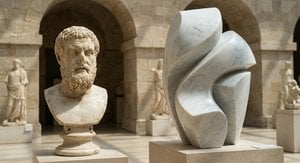
The Enduring Allure of Marble in Art History: From Classical Sculpture to Modern Abstraction
Explore the captivating history of marble sculpture from ancient Greece to modern art. Discover renowned artists like Canova & Michelangelo, carving techniques, and investment insights at ArtsDot.

The Enduring Form: Exploring Themes & Techniques in Sculpture Across Historical Periods
Explore the rich history of sculpture from ancient masterpieces to contemporary innovations. Discover key techniques, influential artists & investment potential for discerning art collectors.

Georges Braque: I 25 Capolavori che Hanno Rivoluzionato l'Arte Moderna | ArtsDot
Esplora i 25 capolavori di Georges Braque, pioniere del Cubismo. Scopri la storia, le tecniche e l'impatto di opere iconiche come 'The Patience'. Trova riproduzioni d'arte di alta qualità per decorare casa tua su ArtsDot.com.


