


 Anteprima in scala reale
 Invia
Invia Condividi
 Dettagli opera
 Guida
Guida

 Scarica
 Simili
 Radiografia
 Slideshow
 Statistiche
Prophet Jeremiah


 Espandi i dettagli
Riproduzione a olio fatta a mano
Olio su tela dipinto a mano nelle tue dimensioni e con la tua cornice, realizzato su ordinazione dai nostri artisti. ( Passa alle stampe Passa all'immagine digitale)




P118B €10

P118H €10

P118W €10

P438Z €10

P508JH €12

P508YH €12

P805H €10

P805Z €10

P919BZ €10

P919G €10

P919XJ €10

P959ZH €10

P968JZ €12

W106C €8

W218G €10

W218JH €8

W218Y €10

W307PJ €10

W316G €10

W316PJ €8

W316Y €10

W398PJ €8

W4111J €10

W500HY €15

W500JH €15

W692G €12

W849H €8

W940BG €15

W953PJ €8




Scegli tra le nostre dimensioni predefinite, che rispettano le proporzioni originali dell'opera d'arte.

Inserisci la larghezza e l'altezza desiderate, per adattarle alla tua cornice o alla tua parete. Trattandosi di un'opera dipinta a mano, in caso di dimensioni con un formato differente, l'artista può estendere leggermente il dipinto oltre i bordi dell'immagine o ritagliare una piccola parte — la scelta spetta a te. Ti invieremo un mockup digitale da approvare prima che la realizzazione abbia inizio. L'immagine mostrata in questa pagina non rappresenta il risultato finale — solo il mockup lo fa.
Dopo l'ordine, il team di ArtsDot.com contatterà il cliente via e-mail per ricevere le istruzioni e fornirà un'anteprima del mockup
Consegna in tutto il mondo () in 3/4 settimane anziché nelle normali 5 settimane. (26 Ottobre). Nessun compromesso sulla qualità.

Spedizione espressa gratuita in tutto il mondo

Tela in lino di alta qualità

Assicurazione completa sulla spedizione

Garanzia di rimborso dei dazi doganali

Garanzia di fedeltà cromatica assoluta

Politica di reso entro 100 giorni (solo per difetti di fabbricazione)

Garanzia di rimborso al 100%

Offerta per acquisti multipli
 L'opzione vetro è disponibile solo per dimensioni inferiori a 110 cm

Prophet Jeremiah
Tecnica di riproduzione
Dimensioni riproduzione
-


Prezzo finale calcolato
€ 231
Donatello’s Prophet Jeremiah: A Testament to Renaissance Faith
Donatello's "Prophet Jeremiah," sculpted in marble around 1423 during the Florentine Renaissance, stands as an enduring emblem of artistic innovation and spiritual contemplation. Commissioned by Lorenzo Medici for Santa Maria del Fiore Cathedral, this monumental figure transcends mere representation; it embodies a profound engagement with humanist ideals intertwined with biblical narrative—a hallmark of the era’s transformative cultural landscape.Sculptural Form and Technique: Embracing Classical Influence
The sculpture's design reflects Donatello’s masterful assimilation of classical sculptural principles. Unlike earlier depictions of prophets, Jeremiah is presented in a strikingly naturalistic pose, mirroring statues from antiquity – specifically those inspired by Greek models. This deliberate choice underscores the Renaissance fascination with reviving Greco-Roman aesthetics and demonstrating an understanding of anatomical accuracy. The sculptor skillfully employed techniques honed during his formative years studying under Filippo Brunelleschi, utilizing chisel and mallet to carve intricate details into the marble block. Note the careful drapery folds that convey movement and volume, mirroring the flowing robes characteristic of Roman sculptures. Donatello’s meticulous attention to surface texture contributes to the sculpture's palpable presence and enhances its visual impact.Historical Context: Florence Amidst Artistic Flourishing
Florence in the early 15th century was experiencing an unprecedented surge of artistic creativity—the Renaissance—fueled by patronage from wealthy families like the Medici. This period witnessed a revival of interest in classical art and philosophy, prompting artists to explore new approaches to portraying human form and emotion. Donatello’s “Prophet Jeremiah” exemplifies this spirit of experimentation, pushing boundaries established by Gothic sculpture traditions. The cathedral project itself served as a catalyst for artistic ambition, attracting talent from across Italy and establishing Santa Maria del Fiore as the epicenter of Renaissance art.Symbolism: Lamentation and Divine Revelation
Jeremiah’s posture—arms outstretched in supplication—immediately conveys sorrow and lamentation, reflecting the prophet's prophetic role as bearer of God’s word amidst impending doom. The scroll he clutches symbolizes divine revelation – Jeremiah’s prophecies concerning Judah’s destruction and eventual redemption. Donatello skillfully captures this emotional intensity through subtle facial expressions and nuanced musculature, demonstrating a deep understanding of human psychology. Furthermore, the sculpture’s placement within the cathedral underscores its spiritual significance—a visual reminder of faith and repentance amidst the grandeur of Florentine artistic achievement.Emotional Impact: A Moment Frozen in Time
“Prophet Jeremiah” continues to resonate with viewers centuries after its creation. Its serene yet melancholic countenance evokes empathy and invites contemplation on themes of suffering, resilience, and divine grace. Donatello’s masterful execution ensures that the sculpture retains an immediacy that transcends time—a testament to his artistic genius and a cornerstone of Florentine Renaissance art history. Hand-painted reproductions offer a captivating opportunity to experience this timeless masterpiece in your own home.Domande e risposte
In quale stanza si consiglia di esporre "Prophet Jeremiah" di Donatello?
Una riproduzione di "Prophet Jeremiah" si adatta perfettamente a un/una Living Room.
Qual è la palette cromatica di "Prophet Jeremiah" di Donatello?
"Prophet Jeremiah" è caratterizzato da una tavolozza Earthy dominata dal Espresso (#665148).
Quale tavolozza di colori utilizza "Prophet Jeremiah"?
La tavolozza di "Prophet Jeremiah" di Donatello è descritta come Earthy: una sintesi cromatica dell'opera.
Opere simili


Biografia dell'artista
Primi anni e carriera
Donato di Niccolò di Betto Bardi, conosciuto come Donatello, nacque a Firenze, in Italia, intorno al 1386. Studiò scultura classica, che influenzò pesantemente il suo sviluppo di uno stile rinascimentale precoce. Questo nuovo approccio all'arte e alla cultura sarebbe diventato eventualmente il marchio distintivo del Rinascimento fiorentino.Opere chiave e innovazioni
L’opera più famosa di Donatello, David, fu la prima scultura maschile nuda libera dal periodo antico. Commissionata dalla famiglia Medici, essa mostrava il suo stile innovativo e la sua competenza tecnica. Altre opere notevoli includono:- St. Louis of Toulouse (ora nel museo della basilica di Santa Croce), che presentava una cornice classica progettata da Donatello.
- Il sacrificio di Isacco, creato per il campanile di Santa Maria del Fiore a Firenze, caratterizzato da forti dettagli ritrattistici.
- Crocefix (1425) per Santa Croce, che ritraeva Cristo in un momento di agonia.
Stile artistico e eredità
Lo stile di Donatello può essere diviso in ampie fasi, a partire dallo sviluppo dell'espressività e della monumentalità classica. Il suo lavoro non fu immediatamente accettato dalla comunità ma alla fine divenne il più popolare, influenzando altre corti italiane e artisti europei. Movimenti artistici chiave:- Rinascimento italiano
- Rinascimento rinascimentale precoce
- Arte del Rinascimento fiorentino
Vita personale e stile di lavoro
Donatello era noto per essere amabile e benvoluto, ma scarso nella gestione degli affari della sua carriera. Tendeva ad accettare più commissioni di quante potesse gestire, spesso completando le opere in ritardo o affidandole ad altri scultori. Artisti e opere notevoli:- Leonardo da Vinci: Annunciazione (dettaglio)
- Amico Aspertini: Statua di Pan/Leone che azzanna un cavallo
- Michelangelo Buonarroti: Tondo Pitt
Musei e collezioni d'arte
- Museo della Collegiata (Empoli, Italia): una gemma nascosta del Rinascimento, con opere di Francesco Botticini e Raffaello Botticini.
- Il movimento artistico del primo Rinascimento italiano

Donatello
1386 - 1466 , Italia
Dettagli rapidi
- Artisti Influenti:
- Lorenzo Ghiberti
- Michelangelo Buonarroti
- Nanni di Banco
- Artisti Influenzati: ['Leonardo da Vinci']
- Data Di Nascita: c. 1386
- Luogo Di Nascita: Firenze, Italia
- Movimento Artistico: Primo Rinascimento
- Nazionalità: Italiana
- Nome Completo: Donatello (Donato di Niccolò)
- Opere Notevoli:
- David (bronzo)
- St. Louis of Toulouse
- Sacrifice of Isaac
- Crucifix (1425)
Articoli correlati

The Enduring Form: Sculpture Across History, Technique & Emotional Resonance
Explore the rich history of sculpture with ArtsDot. Discover key techniques, influential artists & investment potential for discerning collectors. Expert insights into valuing and collecting timeless masterpieces.

The Enduring Form: Exploring Themes & Techniques in Sculpture Across Historical Periods
Explore the rich history of sculpture from ancient masterpieces to contemporary innovations. Discover key techniques, influential artists & investment potential for discerning art collectors.

I 10 Capolavori Bronzei che Hanno Rivoluzionato la Storia dell'Arte | ArtsDot
Esplora i 10 capolavori bronzei che hanno segnato la storia dell'arte! Da Rodin a Michelangelo, scopri le storie e le tecniche dietro queste sculture iconiche. Trova riproduzioni d'arte di alta qualità per decorare la tua casa con ArtsDot.com.
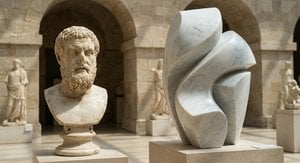
The Enduring Allure of Marble in Art History: From Classical Sculpture to Modern Abstraction
Explore the captivating history of marble sculpture from ancient Greece to modern art. Discover renowned artists like Canova & Michelangelo, carving techniques, and investment insights at ArtsDot.

I 10 Capolavori in Bronzo che Hanno Rivoluzionato la Storia dell'Arte | ArtsDot
Esplora i 10 capolavori in bronzo che hanno segnato la storia dell'arte! Da Michelangelo a Rodin, scopri le storie e le tecniche dietro queste statue iconiche. Trova riproduzioni artistiche di alta qualità per decorare casa tua con ArtsDot.com.


