

 Condividi
 Condividi
 Dettagli
 Guida stampabile

 Scarica
 Articoli simili
 Slideshow
 Statistiche
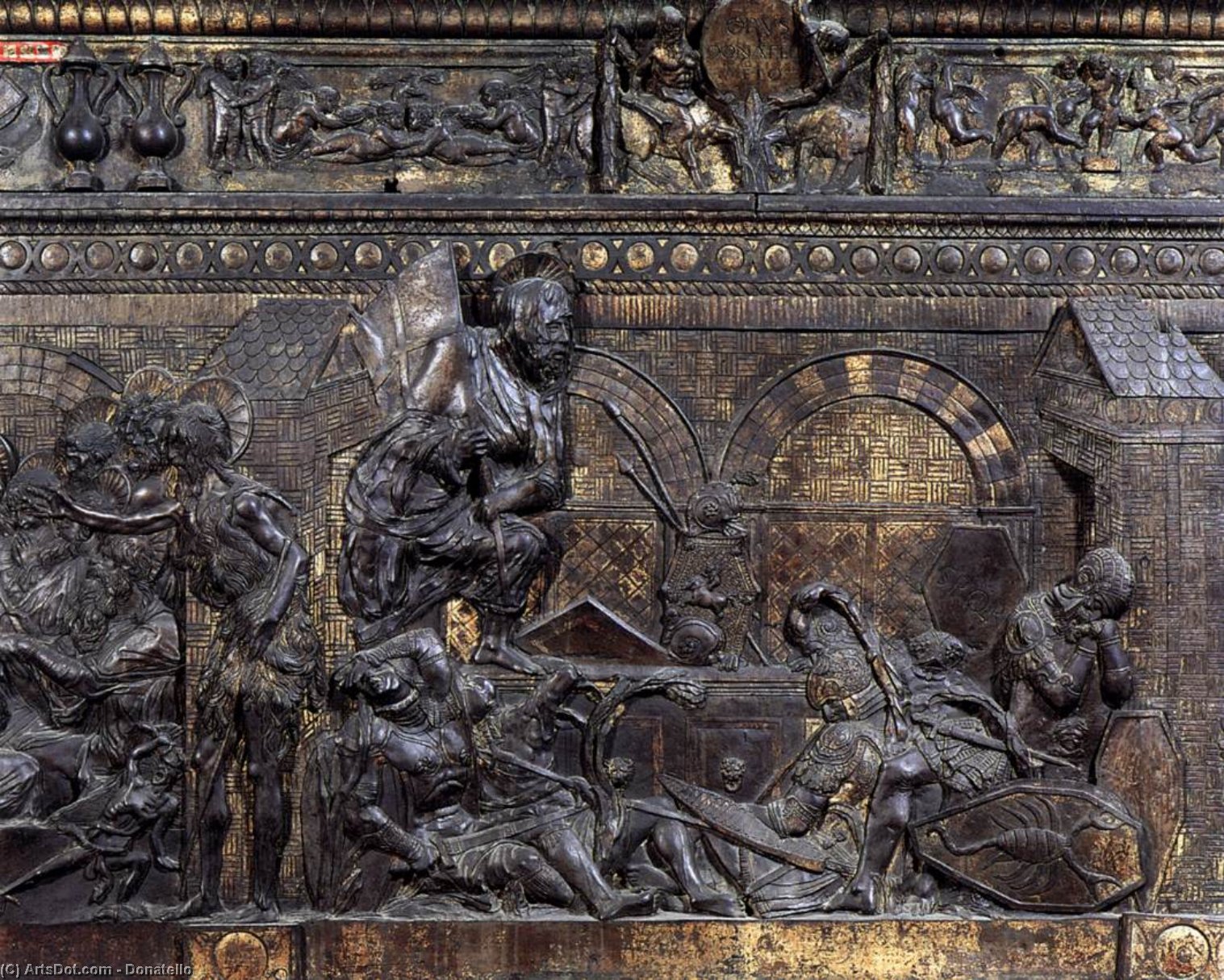
Christ before Pilate and Caiaphas


 Leggi tutto
Riproduzione a olio fatta a mano
Olio su tela dipinto a mano nelle tue dimensioni e con la tua cornice, realizzato su ordinazione dai nostri artisti. ( Passa alle stampe Passa all'immagine digitale)




































Scegli tra le nostre dimensioni predefinite, che rispettano le proporzioni originali dell'opera d'arte.

È possibile inserire dimensioni personalizzate per adattare l'opera a una cornice o a uno spazio specifico. Se la dimensione selezionata non corrisponde alle proporzioni dell'immagine originale, provvederemo a ritagliare l'opera o a estendere il dipinto con elementi aggiuntivi dipinti a mano. Un mockup digitale ti sarà inviato per approvazione prima dell'inizio della produzione.
Si prega di notare che l'anteprima a schermo non riflette il ritaglio o l'estensione effettivi. Solo il mockup mostrerà accuratamente la composizione finale.
Sebbene siano disponibili dimensioni personalizzate, consigliamo di selezionare una dimensione dall'elenco predefinito per preservare le proporzioni originali.
Dopo l'ordine, il team di ArtsDot.com contatterà il cliente via e-mail per ricevere le istruzioni e fornirà un'anteprima del mockup
Consegna in tutto il mondo () in 3/4 settimane anziché nelle normali 5 settimane. (27 Settembre). Nessun compromesso sulla qualità.

Spedizione espressa gratuita in tutto il mondo

Tela in lino di alta qualità

Assicurazione completa sulla spedizione

Garanzia di rimborso dei dazi doganali

Garanzia di perfetta fedeltà cromatica

Politica di reso entro 100 giorni (solo per difetti di fabbricazione)

Garanzia di rimborso al 100%

Sconto per acquisti multipli
 L'opzione vetro è disponibile solo per dimensioni inferiori a 110 cm

Christ before Pilate and Caiaphas
Tecnica di riproduzione
Dimensioni della riproduzione
-


Prezzo totale
$ 563
Donatello’s ‘Christ Before Pilate and Caiaphas’: A Crucible of Renaissance Emotion
Donatello's 1460 bronze sculpture, “Christ Before Pilate and Caiaphas,” stands as a monumental achievement within the burgeoning artistic landscape of the Italian Renaissance. Housed in the San Lorenzo museum in Florence, this work transcends mere biblical representation; it’s a visceral exploration of human drama, political intrigue, and spiritual torment – a testament to Donatello's revolutionary approach to sculpture that profoundly shaped the course of Western art. The sheer density of figures, meticulously rendered in warm bronze tones, immediately draws the viewer into the heart of the scene: Christ, positioned at the apex of the composition, confronts the Roman governor and the Jewish high priest, their faces etched with a potent blend of authority, doubt, and perhaps even veiled judgment.
- A Masterclass in Renaissance Realism: Donatello’s genius lies not just in his technical skill but in his ability to imbue stone – or in this case, bronze – with palpable emotion. The figures are not idealized abstractions; they possess a raw humanity, evident in the strained expressions and subtly shifting postures that convey the weight of the moment.
- The Power of Bronze Casting: The sculpture’s creation involved the complex process of bronze casting, a technique perfected by Donatello himself. This method, utilizing molds and molten metal, allowed for incredible detail – from the folds of Christ's garment to the stern features of Pilate – while simultaneously lending the piece an inherent sense of age and gravitas.
Historical Context and Symbolism
Created during a period of intense religious and political upheaval, “Christ Before Pilate and Caiaphas” reflects the anxieties and tensions of its time. The Renaissance was witnessing a renewed interest in classical antiquity, yet simultaneously grappling with the profound questions posed by Christianity. Donatello’s depiction of Christ is deliberately ambiguous, refusing to offer easy answers or simplistic moral judgments. The scene isn't merely a historical record; it’s an allegory for human fallibility and the struggle between good and evil. The inclusion of Roman soldiers and Jewish leaders underscores the political context of Christ’s trial – a microcosm of power struggles and accusations.
- Pilate’s Hesitation: Pilate's posture, often interpreted as one of reluctant compromise, is particularly compelling. His hands are clasped in a gesture of uncertainty, suggesting the moral dilemma he faced.
- Caiaphas’s Sternness: Conversely, Caiaphas embodies unwavering authority and religious zeal, his gaze fixed upon Christ with an expression of resolute condemnation.
Technique and Materiality
Donatello's mastery is immediately apparent in the sculpture’s surface treatment. The bronze has been skillfully patinated to achieve a rich, aged appearance, enhancing the sense of history and lending a tactile quality to the work. The artist employed strong lines to define the figures and their drapery, while finer details – such as the expressions on Christ's face and the folds in Pilate’s toga – are rendered with remarkable precision. The use of light and shadow further emphasizes the three-dimensionality of the sculpture, creating a dramatic effect that draws the viewer into the scene. The choice of bronze itself was significant; it was a material associated with strength, durability, and divine authority, perfectly suited to represent this pivotal moment in Christian history.
A Legacy of Innovation
"Christ Before Pilate and Caiaphas" is more than just a beautiful sculpture; it’s a cornerstone of Renaissance art. Donatello's innovative approach – his emphasis on realism, emotional expression, and the exploration of complex human themes – paved the way for generations of artists to come. Its influence can be seen in countless subsequent works, solidifying its place as one of the most important sculptures of the era. A hand-painted reproduction offers a remarkable opportunity to experience this masterpiece firsthand, bringing its power and beauty into your own space.
Opere correlate


Biografia dell'artista
Primi anni e carriera
Donato di Niccolò di Betto Bardi, conosciuto come Donatello, nacque a Firenze, in Italia, intorno al 1386. Studiò scultura classica, che influenzò pesantemente il suo sviluppo di uno stile rinascimentale precoce. Questo nuovo approccio all'arte e alla cultura sarebbe diventato eventualmente il marchio distintivo del Rinascimento fiorentino.Opere chiave e innovazioni
L’opera più famosa di Donatello, David, fu la prima scultura maschile nuda libera dal periodo antico. Commissionata dalla famiglia Medici, essa mostrava il suo stile innovativo e la sua competenza tecnica. Altre opere notevoli includono:- St. Louis of Toulouse (ora nel museo della basilica di Santa Croce), che presentava una cornice classica progettata da Donatello.
- Il sacrificio di Isacco, creato per il campanile di Santa Maria del Fiore a Firenze, caratterizzato da forti dettagli ritrattistici.
- Crocefix (1425) per Santa Croce, che ritraeva Cristo in un momento di agonia.
Stile artistico e eredità
Lo stile di Donatello può essere diviso in ampie fasi, a partire dallo sviluppo dell'espressività e della monumentalità classica. Il suo lavoro non fu immediatamente accettato dalla comunità ma alla fine divenne il più popolare, influenzando altre corti italiane e artisti europei. Movimenti artistici chiave:- Rinascimento italiano
- Rinascimento rinascimentale precoce
- Arte del Rinascimento fiorentino
Vita personale e stile di lavoro
Donatello era noto per essere amabile e benvoluto, ma scarso nella gestione degli affari della sua carriera. Tendeva ad accettare più commissioni di quante potesse gestire, spesso completando le opere in ritardo o affidandole ad altri scultori. Artisti e opere notevoli:- Leonardo da Vinci: Annunciazione (dettaglio)
- Amico Aspertini: Statua di Pan/Leone che azzanna un cavallo
- Michelangelo Buonarroti: Tondo Pitt
Musei e collezioni d'arte
- Museo della Collegiata (Empoli, Italia): una gemma nascosta del Rinascimento, con opere di Francesco Botticini e Raffaello Botticini.
- Il movimento artistico del primo Rinascimento italiano

Donatello
1386 - 1466 , Italia
Informazioni rapide
- Artisti Influenti:
- Lorenzo Ghiberti
- Michelangelo Buonarroti
- Nanni di Banco
- Artisti Influenzati: ['Leonardo da Vinci']
- Data Di Nascita: c. 1386
- Luogo Di Nascita: Firenze, Italia
- Movimento Artistico: Primo Rinascimento
- Nazionalità: Italiana
- Nome Completo: Donatello (Donato di Niccolò)
- Opere Notevoli:
- David (bronzo)
- St. Louis of Toulouse
- Sacrifice of Isaac
- Crucifix (1425)
Articoli correlati

I 10 Capolavori in Bronzo che Hanno Rivoluzionato la Storia dell'Arte | ArtsDot
Esplora i 10 capolavori in bronzo che hanno segnato la storia dell'arte! Da Michelangelo a Rodin, scopri le storie e le tecniche dietro queste statue iconiche. Trova riproduzioni artistiche di alta qualità per decorare casa tua con ArtsDot.com.

L'Eredità Duratura della Scultura in Bronzo: Storia, Tecniche e Interpretazioni Contemporanee
Esplora la storia e l'arte della scultura in bronzo con . Scopri tecniche antiche, maestri iconici e consigli per collezionisti esperti. Acquista riproduzioni di alta qualità!

I 10 Capolavori Bronzei che Hanno Rivoluzionato la Storia dell'Arte | ArtsDot
Esplora i 10 capolavori bronzei che hanno segnato la storia dell'arte! Da Rodin a Michelangelo, scopri le storie e le tecniche dietro queste sculture iconiche. Trova riproduzioni d'arte di alta qualità per decorare la tua casa con ArtsDot.com.

The Enduring Form: Exploring Themes & Techniques in Sculpture Across Historical Periods
Explore the rich history of sculpture from ancient masterpieces to contemporary innovations. Discover key techniques, influential artists & investment potential for discerning art collectors.

The Enduring Form: Sculpture Across History, Technique & Emotional Resonance
Explore the rich history of sculpture with ArtsDot. Discover key techniques, influential artists & investment potential for discerning collectors. Expert insights into valuing and collecting timeless masterpieces.


