


 Anteprima in scala reale
 Condividi
 Condividi
 Dettagli
 Guida stampabile

 Scarica
 Articoli simili
 Radiografia
 Slideshow
 Statistiche
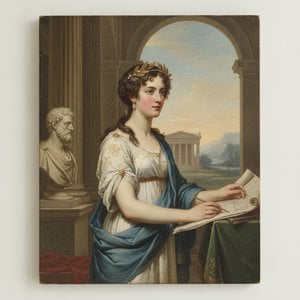
Melancholy
 Oil On Canvas
- WallArt
- Neoclassical Painting
 1801
1801 130.0 x 165.0 cm
 Museo di Picardia
 Leggi tutto
Riproduzione a olio fatta a mano
Olio su tela dipinto a mano nelle tue dimensioni e con la tua cornice, realizzato su ordinazione dai nostri artisti. ( Passa alle stampe Passa all'immagine digitale)




P118B €10

P118H €10

P118W €10

P438Z €10

P508JH €12

P508YH €12

P805H €10

P805Z €10

P919BZ €10

P919G €10

P919XJ €10

P959ZH €10

P968JZ €12

W106C €8

W218G €10

W218JH €8

W218Y €10

W307PJ €10

W316G €10

W316PJ €8

W316Y €10

W398PJ €8

W4111J €10

W500HY €15

W500JH €15

W692G €12

W849H €8

W940BG €15

W953PJ €8




Scegli tra le nostre dimensioni predefinite, che rispettano le proporzioni originali dell'opera d'arte.

Inserisci la larghezza e l'altezza di cui hai bisogno, per adattarle alla tua cornice o alla tua parete. Trattandosi di un'opera dipinta a mano, in caso di dimensioni con una forma differente, l'artista può dipingere un po' più oltre i bordi dell'immagine o ritagliare leggermente — la scelta spetta a te. Ti invieremo un mockup digitale da approvare prima che la pittura abbia inizio. L'immagine mostrata in questa pagina non rappresenta il risultato reale — solo il mockup lo fa.
Dopo l'ordine, il team di ArtsDot.com contatterà il cliente via e-mail per ricevere le istruzioni e fornirà un'anteprima del mockup
Consegna in tutto il mondo () in 3/4 settimane anziché nelle normali 5 settimane. (25 Ottobre). Nessun compromesso sulla qualità.

Spedizione espressa gratuita in tutto il mondo

Tela in lino di alta qualità

Assicurazione completa sulla spedizione

Garanzia di rimborso dei dazi doganali

Garanzia di perfetta fedeltà cromatica

Politica di reso entro 100 giorni (solo per difetti di fabbricazione)

Garanzia di rimborso al 100%

Sconto per acquisti multipli
 L'opzione vetro è disponibile solo per dimensioni inferiori a 110 cm

Melancholy
Tecnica di riproduzione
Dimensioni della riproduzione
-


Prezzo totale
€ 231
Melancholy by Constance Charpentier: A Portrait of Quietude
Constance Charpentier’s “Melancholy,” painted in 1801, is more than just a depiction of a seated woman; it's an exquisitely rendered meditation on solitude and the lingering grief of a generation. This oil-on-canvas masterpiece, currently residing within the hallowed halls of the Musée de Picardie in Amiens, France, offers a poignant glimpse into the artistic sensibilities of early 19th-century Europe – a period grappling with the aftermath of revolution and war.
The painting immediately draws the viewer’s eye to its central figure: a young woman lost in contemplative thought. Her posture is subtly slumped, her gaze fixed downwards, suggesting an inward journey of sorrow. The setting—a darkened landscape punctuated by indistinct trees—amplifies this sense of isolation and reinforces the theme of melancholy. Notice how Charpentier masterfully employs chiaroscuro, utilizing dramatic contrasts between light and shadow to sculpt the figure’s form and create a palpable atmosphere of quiet sadness. The muted palette – primarily creams, whites, and grays – further contributes to the painting's somber mood, while subtle variations within these tones hint at depth and texture.
Neoclassical Elegance: Style and Technique
“Melancholy” is a quintessential example of Neoclassicism, an artistic movement that sought inspiration from the art and ideals of ancient Greece and Rome. Charpentier’s work embodies this style through its emphasis on order, clarity, and balanced composition. The meticulous brushwork—evident in the delicate rendering of the fabric draped across the woman's body and the subtle modeling of her features—demonstrates a remarkable level of technical skill. The use of clean lines and defined edges is characteristic of Neoclassicism, lending the painting an air of formality and restraint.
Technically, Charpentier’s approach leans towards a restrained emotional palette, prioritizing form and structure over overt sentimentality. However, she skillfully captures the nuances of human emotion through her masterful use of light and shadow, creating a powerful sense of introspection within the subject's gaze. The painting’s shallow perspective further focuses attention on the figure, immersing the viewer in her internal world.
A Window into an Era: Historical Context
To fully appreciate “Melancholy,” it’s crucial to understand the historical context in which it was created. Following the tumultuous years of the French Revolution and Napoleonic Wars, France was a nation grappling with profound social and emotional upheaval. The loss of countless young men had left an indelible mark on society, particularly on women who often bore the brunt of responsibility and grief. Charpentier’s painting reflects this collective sorrow, offering a visual representation of the quiet despair that permeated French society at the time.
The Musée de Picardie, where “Melancholy” is housed, provides further context by showcasing other works from the same period, including pieces by Pierre Puvis de Chavannes and Frans Hals. These artists, like Charpentier, were deeply influenced by Neoclassicism and sought to capture the beauty and dignity of human experience through their art.
Symbolism and Emotional Resonance
Beyond its technical brilliance, “Melancholy” is rich in symbolism. The woman’s contemplative pose and downward gaze evoke a sense of introspection and sorrow, while the darkened landscape suggests a world shrouded in grief. The classical drapery—a hallmark of Neoclassicism—references ancient virtues and ideals, subtly hinting at a longing for a lost past or a more harmonious future. The painting's overall effect is profoundly moving, inviting viewers to contemplate the complexities of human emotion and the enduring power of melancholy.
Reproductions of “Melancholy” offer an accessible way to experience the beauty and emotional depth of this remarkable artwork. Whether displayed in a private residence or a public space, it serves as a timeless reminder of the capacity for art to capture and convey the most profound human experiences.
Domande e risposte
Dove dovrebbe essere appesa una riproduzione di "Melancholy" di Constance Charpentier?
Il formato (Landscape) e lo spazio consigliato (Living Room) sono i due dettagli di posizionamento registrati per "Melancholy" di Constance Charpentier.
Che livello di saturazione del colore ha "Melancholy" di Constance Charpentier?
La tavolozza di "Melancholy" ha una saturazione Muted.
A quale emozione è associata "Melancholy"?
"Melancholy" di Constance Charpentier trasmette un tono emotivo Melancholic.
Opere correlate


Biografia dell'artista
Constance Charpentier: Una Vita in Ritratto
Primi Anni di Vita e Formazione
Costanza Marie Charpentier nacque a Parigi, Francia, il 4 aprile 1767 e morì nel 1849. La sua giovinezza è rimasta in gran parte avvolta nel mistero, in particolare per quanto riguarda la sua formazione artistica formale. I registri sono poco chiari, ma si ritiene ampiamente che abbia studiato sotto la guida di diversi artisti importanti dell'epoca.
- È spesso associata a Jacques-Louis David, una figura di spicco del Neoclassicismo, sebbene questo rimanga dibattuto.
- Altri potenziali insegnanti includono François Gérard, Pierre Bouillon, Louis Lafitte, e membri della famiglia Wille – Johann Georg Wille o suo figlio, Pierre-Alexandre Wille.
Sviluppo Artistico e Stile
Charpentier si specializzò in scene di genere e ritratti, con un particolare focus sulla rappresentazione di donne e bambini. Il suo stile riflette l'influenza del Neoclassicismo, caratterizzato da chiarezza, precisione e una tavolozza emotiva contenuta. Tuttavia, infuse anche il suo lavoro con sensibilità nei confronti dei personaggi e una rappresentazione intima della vita domestica.
- I suoi dipinti spesso catturano momenti di contemplazione silenziosa o attività quotidiana.
- Dimostrò abilità nel rendere tessuti e dettagli, in particolare negli abiti e nelle espressioni facciali.
Carriera e Riconoscimenti
Charpentier iniziò a esporre le sue opere alle Salons – prestigiose mostre d'arte – dal 1795 al 1819. In questo periodo, presentò circa trenta dipinti al pubblico.
- Nel 1814, ricevette un medaglia d'oro alla Salon di Parigi, segnando un importante traguardo nella sua carriera.
- Fu anche premiata con una medaglia d'argento alla Salon di Douai nel 1821.
Sfide e Attribuzioni Errate
L'eredità artistica di Charpentier è stata complicata da casi di attribuzione errata. Alcuni dei suoi lavori furono inizialmente accreditati al suo insegnante, Jacques-Louis David.
- Ad esempio, il dipinto Giovane donna che disegna (1801) fu inizialmente attribuito a David, poi a Charpentier, ma ora si ritiene sia opera di Marie-Denise Villers.
- Questo evidenzia le sfide affrontate dalle artiste donne per ottenere riconoscimento durante questo periodo e la tendenza a far trascurare o oscurare i loro contributi.
Eredità e Significato Storico
Nonostante queste sfide, Constance Charpentier è ora riconosciuta come una delle più grandi pittrici di ritratti del suo tempo. Basandosi sulle opere sopravvissute positivamente identificate come sue, dimostrò un talento notevole per catturare i lineamenti e la personalità dei suoi soggetti.
- I suoi dipinti offrono preziose informazioni sulla vita delle donne e dei bambini nella Francia della fine del XVIII e dell'inizio del XIX secolo.
- Rappresenta una figura importante nella storia dell'arte francese, dimostrando l’abilità e la creatività delle artiste donne in un periodo in cui le loro opportunità erano limitate.

Constance Charpentier
1767 - 1849 , Francia
Informazioni rapide
- Artistic Movement Or Style: Neoclassicismo, Pittura di genere
- Artists Or Movements Influenced By This Artist: ['David']
- Artists Who Influenced This Artist:
- Jacques-Louis David
- François Gérard
- Pierre Bouillon
- Date Of Birth: 4 aprile 1767
- Date Of Death: 3 agosto 1849
- Full Name: Constance Marie Charpentier
- Nationality: Francese
- Notable Artworks:
- Melancolia
- Giovane donna che disegna
- Place Of Birth: Parigi, Francia
Articoli correlati

The Enduring Power of Painting: A Historical & Contemporary Exploration of Form and Emotion
Explore the rich history & enduring techniques of oil painting with ArtsDot. Discover masterpieces, learn about art collecting, and find authentic handmade reproductions crafted by skilled artists.

L'Eredità Duratura della Pittura a Olio: Tecnica, Storia e Pratica Contemporanea
Esplora la storia affascinante e le tecniche della pittura a olio. Scopri come i maestri hanno creato capolavori senza tempo e come questa arte vive oggi. : riproduzioni di alta qualità e consulenza esperta.

The Enduring Legacy of Oil on Canvas: Technique, History & Aesthetic Impact
Explore the rich history & techniques of oil painting – from Renaissance masters to Impressionism. Discover pigments, layering methods, and why this timeless medium endures. Expert insights for artists & art enthusiasts.

Oil on Canvas: A Historical & Technical Exploration of a Timeless Artistic Medium
Explore the rich history & enduring techniques of oil painting on canvas. Discover the science behind its longevity, conservation practices, and contemporary relevance. Expert insights for art enthusiasts.
The Revival of Antiquity: Exploring Ideals of Beauty & Power in Neoclassical Portraiture
Explore the captivating world of Neoclassical portraiture! Discover the power & ideals behind masterpieces by David, Girodet & more. Expert analysis, custom reproductions & art appraisal at ArtsDot.