


 Anteprima in scala reale
 Condividi
 Condividi
 Dettagli
 Guida stampabile

 Scarica
 Articoli simili
 Radiografia
 Slideshow
 Statistiche
Montesquieu


 Leggi tutto
Giclée / Stampe d'arte
Stampa giclée o su tela di qualità museale, con produzione rapida e diverse opzioni di finitura. ( Ordina la riproduzione dipinta a mano Passa all'immagine digitale)




P118B €10

P118H €10

P118W €10

P438Z €10

P508JH €12

P508YH €12

P805H €10

P805Z €10

P919BZ €10

P919G €10

P919XJ €10

P959ZH €10

P968JZ €12

W106C €8

W218G €10

W218JH €8

W218Y €10

W307PJ €10

W316G €10

W316PJ €8

W316Y €10

W398PJ €8

W4111J €10

W500HY €15

W500JH €15

W692G €12

W849H €8

W940BG €15

W953PJ €8




Scegli tra le nostre dimensioni predefinite, che rispettano le proporzioni originali dell'opera d'arte.

Inserisci la larghezza e l'altezza desiderate, per adattarle alla tua cornice o alla tua parete. Una stampa può essere solo ritagliata, mai resa più grande dell'immagine originale; pertanto, un formato con una forma differente comporterà la perdita di una parte dell'opera. Ti invieremo un mockup digitale da approvare prima di procedere con la stampa. L'immagine mostrata in questa pagina non rappresenta il ritaglio reale — solo il mockup lo mostra.
Consegna in tutto il mondo () in 2 settimane invece delle normali 4/5 settimane. (23 Ottobre)

Spedizione espressa gratuita in tutto il mondo

Tela in lino di alta qualità

Assicurazione completa sulla spedizione

Garanzia di rimborso dei dazi doganali

Garanzia di perfetta fedeltà cromatica

Politica di reso entro 100 giorni (solo per difetti di fabbricazione)

Garanzia di rimborso al 100%

Sconto per acquisti multipli
 L'opzione vetro è disponibile solo per dimensioni inferiori a 110 cm

Montesquieu
Giclée / Stampe d'arte
Dimensioni della riproduzione
-


Prezzo totale
€ 54
The Stoic Scholar: An Encounter with Claude Michel (Clodion)’s “Montesquieu”
Standing before Claude Michel’s (Clodion) marble statue of Montesquieu, one is immediately struck by the profound stillness and contemplative power emanating from the figure. This isn't merely a portrait; it’s an embodiment of Enlightenment thought, a frozen moment of intellectual rigor captured in exquisitely polished white marble. The sculpture, created in 1783, resides within a museum setting, its reflective surface mirroring the surrounding space and subtly expanding the sense of grandeur. Clodion, a master sculptor working primarily in Paris during this period, expertly rendered the likeness of the influential French philosopher, Jean-Jacques Rousseau’s friend and political theorist, Charles de Montesquieu. The statue invites quiet observation, prompting reflection on the nature of reason, justice, and the complexities of governance – themes central to Montesquieu's groundbreaking work, *The Spirit of Laws*.
Neoclassical Form and Subtractive Technique
Clodion’s style firmly anchors this piece within the Neoclassical tradition. This movement, which flourished in Europe during the late 18th and early 19th centuries, sought to revive the artistic ideals of ancient Greece and Rome. The statue's composition—the seated figure, the draped garment, the carefully modeled musculature—all echo classical forms. However, Clodion’s approach transcends mere imitation; he imbues the sculpture with a distinctly modern sensibility. The technique itself is crucial to understanding the work’s impact. Marble carving is an inherently subtractive process – the sculptor begins with a massive block of stone and meticulously removes material until the desired form emerges. This painstaking method, combined with Clodion's masterful control of light and shadow, results in surfaces that appear almost impossibly smooth and luminous. The subtle variations in tone within the marble—a hint of grey near the folds of the robe, a brighter sheen on the exposed flesh—create an illusion of depth and texture, mimicking the tactile qualities of the stone itself.
Symbolism Within the Pose: Authority and Reflection
The pose of Montesquieu is deliberately powerful yet restrained. He’s seated in a classical chair, his posture erect, suggesting authority and intellectual strength. His hands rest upon a book – a clear reference to his extensive writings on law and political philosophy. However, it's not a gesture of triumphant pronouncements; rather, it conveys a sense of thoughtful deliberation. The gaze is directed slightly downward, as if lost in contemplation, inviting the viewer to join him in a shared intellectual journey. The mirrored wall behind the statue further amplifies this effect, creating an echo of the figure and suggesting a deeper level of introspection. It’s a visual metaphor for Montesquieu's own ideas – reflecting back upon society and offering insights into its structure and function.
A Legacy in Stone: Clodion’s Artistic Voice
Claude Michel (Clodion), born Benjamin West in 1738, was a pivotal figure in the transition between Neoclassicism and Romanticism. His early career in America, where he honed his skills painting portraits of prominent figures, provided him with a strong foundation in realism and observation. Later, he moved to Paris, embracing the challenges and opportunities of the European art scene. Clodion’s work is characterized by its dramatic lighting, dynamic compositions, and often theatrical flair. While “Montesquieu” represents his more restrained and contemplative side, it nonetheless showcases his exceptional technical skill and his ability to capture the essence of his subject. Reproductions of this statue offer a remarkable opportunity to experience the enduring power of Neoclassical sculpture – a testament to the artist’s vision and the timeless relevance of Enlightenment ideals. The piece stands as a powerful reminder that art can not only reflect history but also invite us to engage with its profound questions.
Domande e risposte
Posso vedere "Montesquieu" di Claude Michel (Clodion) sulla mia parete prima dell'acquisto?
La pagina Anteprima AR di "Montesquieu" di Claude Michel (Clodion) utilizza la realtà aumentata per mostrare l'opera d'arte nel tuo spazio, tramite un dispositivo compatibile.
Quale origine nazionale si cela dietro il Neoclassicism di "Montesquieu"?
"Montesquieu" connette il movimento Neoclassicism con Francia attraverso il luogo di nascita del suo creatore.
In quale anno e all'interno di quale movimento è stata realizzata "Montesquieu"?
"Montesquieu" di Claude Michel (Clodion) risale al 1783 e appartiene al Neoclassicism.
Opere correlate


Biografia dell'artista
Il Maestro dell'Argilla: La Vita e l'Arte di Clodion
Nato a Nancy, in Francia, lo scultore passato alla storia come Clodion—ovvero Claude Michel—emerse come una delle figure più affascinanti della fine del XVIII secolo. Il suo viaggio nel cuore del mondo artistico francese ebbe inizio nel 1755, quando giunse a Parigi per entrare nel prestigioso atelier di suo zio materno, Lambert-Sigisbert Adam. Questa precoce immersione in una stirpe di scultori esperti gli fornì una base di eccellenza tecnica che gli avrebbe successivamente permesso di trascendere i confini dei media tradizionali. Mentre molti dei suoi contemporanei cercavano l'eterna permanenza nel marmo o nel bronzo, Clodion trovò la sua vera voce nel mondo tattile e intimo della terracotta.
Il suo sviluppo fu profondamente plasmato dai suoi viaggi e dagli incontri con il passato classico. Dopo aver vinto il prestigioso Prix de Rome, si trasferì in Italia, dove condivise uno studio con il rinomato Jean-Antoine Houdon. Fu proprio durante questo periodo che Clodion studiò intensamente le sfumature della scultura antica, rinascimentale e barocca. Questa esposizione alla grazia dell'antichità infuse la sua opera un senso di atemporalità, pur rimanendo saldamente radicato nello spirito giocoso e spensierato dello stile Rococò. Egli possedeva un dono straordinario nel catturare emozioni fugaci e movimenti dinamici entro i confini morbidi e malleabili dell'argilla, creando opere che sembravano vive ancora prima di essere pienamente realizzate.
Un'Eredità di Eleganza ed Emozione
L'opera di Clodion è una testimonianza della sua capacità di fondere la mitologia classica con un palpabile senso di vitalità umana. Le sue sculture presentano spesso figure mitologiche—satiro, ninfe e baccanti—coinvolte in scene di estasi dionisiaca o tenere interazioni. In opere come Satyr and Bacchante, si può osservare il magistrale intreccio tra passione terrena e bellezza idealizzata. Possedeva un talento unico nel modellare la muscolatura con precisione anatomica, mantenendo al contempo una grazia eterea che impediva alle sue figure di apparire pesanti o statiche. Questa maestria rese i suoi pezzi in terracotta estremamente ricercati; infatti, si nota come le sue opere venissero spesso acquistate dagli ammiratori ancora prima del loro completamento.
Con il mutare del panorama artistico dal Rococò verso il movimento più sobrio del Neoclassicismo, l'opera di Clodion si evolse per riflettere queste nuove sensibilità. Le sue opere tardive, come la statua in marmo di Montesquieu, dimostrano una profonda quiete e una capacità di gravità intellettuale, catturando il potere contemplativo del pensiero illuminista. Eppure, anche con l'ascesa del Neoclassicismo, egli non perse mai la capacità di evocare il bizzarro e il romantico. Che stesse decorando oggetti funzionali come orologi e vasi o creando capolavori scultorei indipendenti, il tocco di Clodion rimase inconfondibile: un delicato equilibrio tra rigore tecnico e ispirazione poetica che continua ad incantare gli spettatori nelle collezioni di tutto il mondo.

Claude Michel (Clodion)
1738 - 1814 , Francia
Informazioni rapide
- Artisti Che Hanno Influenzato Questo Artista:
- Lambert-Sigisbert Adam
- Jean-Baptiste Pigalle
- Data Di Morte: 1814
- Data Di Nascita: 1738
- Luogo Di Nascita: Nancy, Francia
- Movimento O Stile Artistico: Rococò e Neoclassico
- Nazionalità: Francese
- Nome Completo: Claude Michel
- Opere D'Arte Note:
- Satira e Baccante
- Ninfa e Fauno
- Danza del Tempo
- Montesquieu
- Amore e Psiche
- L'ebbrezza del vino
Articoli correlati

The Enduring Form: Sculpture Across History, Technique & Emotional Resonance
Explore the rich history of sculpture with ArtsDot. Discover key techniques, influential artists & investment potential for discerning collectors. Expert insights into valuing and collecting timeless masterpieces.

I 10 Capolavori in Bronzo che Hanno Rivoluzionato la Storia dell'Arte | ArtsDot
Esplora i 10 capolavori in bronzo che hanno segnato la storia dell'arte! Da Michelangelo a Rodin, scopri le storie e le tecniche dietro queste statue iconiche. Trova riproduzioni artistiche di alta qualità per decorare casa tua con ArtsDot.com.

I 10 Capolavori Bronzei che Hanno Rivoluzionato la Storia dell'Arte | ArtsDot
Esplora i 10 capolavori bronzei che hanno segnato la storia dell'arte! Da Rodin a Michelangelo, scopri le storie e le tecniche dietro queste sculture iconiche. Trova riproduzioni d'arte di alta qualità per decorare la tua casa con ArtsDot.com.
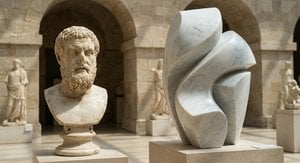
The Enduring Allure of Marble in Art History: From Classical Sculpture to Modern Abstraction
Explore the captivating history of marble sculpture from ancient Greece to modern art. Discover renowned artists like Canova & Michelangelo, carving techniques, and investment insights at ArtsDot.

The Enduring Form: Exploring Themes & Techniques in Sculpture Across Historical Periods
Explore the rich history of sculpture from ancient masterpieces to contemporary innovations. Discover key techniques, influential artists & investment potential for discerning art collectors.

