


 Anteprima in scala reale
 Condividi
 Condividi
 Dettagli
 Guida
Guida

 Scarica
 Articoli simili
 Radiografia
 Slideshow
 Statistiche
Self Portrait


 Leggi tutto
Riproduzione a olio fatta a mano
Olio su tela dipinto a mano nelle tue dimensioni e con la tua cornice, realizzato su ordinazione dai nostri artisti. ( Passa alle stampe Passa all'immagine digitale)




P118B $10

P118H $10

P118W $10

P438Z $10

P508JH $12

P508YH $12

P805H $10

P805Z $10

P919BZ $10

P919G $10

P919XJ $10

P959ZH $10

P968JZ $12

W106C $8

W218G $10

W218JH $8

W218Y $10

W307PJ $10

W316G $10

W316PJ $8

W316Y $10

W398PJ $8

W4111J $10

W500HY $15

W500JH $15

W692G $12

W849H $8

W940BG $15

W953PJ $8




Scegli tra le nostre dimensioni predefinite, che rispettano le proporzioni originali dell'opera d'arte.

È possibile inserire dimensioni personalizzate per adattare l'opera a una cornice o a uno spazio specifico. Se la dimensione selezionata non corrisponde alle proporzioni dell'immagine originale, provvederemo a ritagliare l'opera o a estendere il dipinto con elementi aggiuntivi dipinti a mano. Un mockup digitale ti sarà inviato per approvazione prima dell'inizio della produzione.
Si prega di notare che l'anteprima a schermo non riflette il ritaglio o l'estensione effettivi. Solo il mockup mostrerà accuratamente la composizione finale.
Sebbene siano disponibili dimensioni personalizzate, consigliamo di selezionare una dimensione dall'elenco predefinito per preservare le proporzioni originali.
Dopo l'ordine, il team di ArtsDot.com contatterà il cliente via e-mail per ricevere le istruzioni e fornirà un'anteprima del mockup
Consegna in tutto il mondo () in 3/4 settimane anziché nelle normali 5 settimane. (25 Settembre). Nessun compromesso sulla qualità.

Spedizione espressa gratuita in tutto il mondo

Tela in lino di alta qualità

Assicurazione completa sulla spedizione

Garanzia di rimborso dei dazi doganali

Garanzia di perfetta fedeltà cromatica

Politica di reso entro 100 giorni (solo per difetti di fabbricazione)

Garanzia di rimborso al 100%

Sconto per acquisti multipli
 L'opzione vetro è disponibile solo per dimensioni inferiori a 110 cm

Self Portrait
Tecnica di riproduzione
Dimensioni della riproduzione
-


Prezzo totale
$ 263
Charles Willson Peale’s “The Artist in His Museum” – A Window into Early American Identity
Charles Willson Peale's 1822 self-portrait, "The Artist in His Museum," is far more than a simple depiction of an aging painter. It’s a meticulously constructed tableau vivant—a staged scene brimming with symbolism and offering a profound glimpse into the burgeoning identity of early America. Painted during a period of intense national formation, Peale sought to capture not just his own likeness but also the spirit of a nation striving to define itself through art, science, and a celebration of its natural heritage.
The painting immediately draws the eye with its dramatic lighting—a stark contrast between the deep crimson curtain concealing the museum’s interior and the softer illumination that highlights Peale's face. This theatrical effect wasn’t merely for aesthetic appeal; it served to elevate the artist, positioning him as a central figure within this carefully curated world. The composition is layered, inviting the viewer to explore multiple levels of meaning. In the foreground, we see Peale himself, his silver hair and thoughtful expression suggesting both wisdom and a touch of melancholy. He’s not simply posing; he's actively engaging with his surroundings, as if presenting them to an unseen audience.
A Cabinet of Curiosities: Symbolism and Natural History
Beyond Peale’s portrait lies the meticulously arranged collection within the museum—a veritable cabinet of curiosities that speaks volumes about the era's fascination with both the natural world and the pursuit of knowledge. A dead wild turkey, carefully taxidermied alongside Peale’s tools, represents a connection to American wilderness and a celebration of its bounty. Nearby, a majestic bald eagle, also preserved in meticulous detail, embodies national pride and the ideals of freedom. These specimens aren't merely decorative; they are tangible reminders of America’s unique natural resources and the burgeoning scientific spirit that sought to understand and classify them.
The inclusion of a paddlefish from the Allegheny River—a relatively obscure specimen—demonstrates Peale’s commitment to showcasing both familiar and exotic elements within his collection. Even more striking is the mastodon skeleton, a relic of a prehistoric past, symbolizing America's vastness and its place in the grand sweep of geological time. These objects weren’t simply displayed; they were presented as evidence of American progress—a testament to the nation’s ability to both preserve the past and embrace the future.
Neoclassical Portraiture and a Reflection on Time
Technically, “The Artist in His Museum” is a prime example of Neoclassical portraiture, characterized by its realistic representation and emphasis on capturing likeness. Peale employs smooth brushstrokes and subtle gradations of tone to create a sense of depth and volume, particularly in the rendering of his own face. The muted earth tones of the palette—dominated by browns, reds, and creams—lend the painting a dignified and contemplative mood. The inclusion of a partially visible paintbrush hints at Peale’s profession as a painter, further anchoring the scene within the realm of artistic creation.
However, the painting transcends mere portraiture. It's also a meditation on time and legacy. Peale, nearing eighty years old, is depicted not as a fading figure but as an active participant in his own museum—a guardian of knowledge and a symbol of American ingenuity. The scene suggests that art and science are inextricably linked, both serving to illuminate the human experience and preserve it for posterity.
A Legacy of Innovation and Artistic Vision
Charles Willson Peale’s “The Artist in His Museum” is more than just a painting; it's a microcosm of early America—a testament to the nation’s burgeoning identity, its embrace of scientific inquiry, and its celebration of artistic achievement. Peale’s vision extended beyond simply creating beautiful images; he sought to educate and inspire, establishing the Philadelphia Museum as one of the first American museums and laying the foundation for a new era of cultural exploration. Reproductions of this iconic work offer a captivating window into a pivotal moment in American history—a reminder that art can be both a reflection of our past and a vision of our future.
Opere correlate


![The Procession To Calvary [detail] — Pieter Bruegel Il Vecchio, Northern Mannerism](/media/artworks/images-thumb/cd/6e/cd6ed1a8a9ff3f207ad25305adfeb0f7.jpg)


Biografia dell'artista
Charles Willson Peale: Una Vita tra Arte, Scienza e Patriotismo
- Nato: 15 aprile 1741, Chester, Queen Anne's County, Maryland
- Morto: 22 febbraio 1827, Philadelphia, Pennsylvania
Primi Anni di Vita e Formazione Artistica
- La prima parte della vita di Peale fu segnata da difficoltà finanziarie a seguito della morte del padre. Fece apprendistato come sellaio prima di scoprire la sua passione per l'arte.
- Ricevette una formazione iniziale da John Hesselius e studiò brevemente con John Singleton Copley, dimostrando un’attitudine precoce al ritratto.
- Un periodo cruciale nel suo sviluppo fu il tempo trascorso a studiare sotto Benjamin West a Londra (1767-1770). Questa esposizione alle tendenze artistiche europee influenzò significativamente il suo stile.
Carriera Artistica e Opere Principali
- Ritratto: Peale è noto soprattutto per i suoi ritratti di figure importanti della Rivoluzione Americana, tra cui numerose raffigurazioni di George Washington (quasi sessanta in totale). Questi ritratti sono documenti storici preziosi oltre che risultati artistici.
- Stile: Il suo stile si evolse nel tempo, inizialmente influenzato dall'approccio neoclassico di West, ma successivamente incorporando elementi di realismo e un desiderio di catturare accuratamente la somiglianza.
- Opere Notabili:
- George Washington (1772): Segnò l’inizio della sua lunga associazione con Washington.
- The Staircase Group (c. 1795): Un esempio sorprendente di trompe-l'oeil, che raffigura i suoi figli Raphael e Titian come se fossero parte dell'ambientazione architettonica.
Impegno Scientifico e il Museo Americano di Peale
- Peale era un appassionato naturalista e scienziato, organizzando spedizioni per studiare la storia naturale.
- Fondò il Museo Americano di Peale a Philadelphia (1784), uno dei primi musei negli Stati Uniti. Ospitava esemplari botanici, biologici e archeologici.
- Il museo svolse un ruolo significativo nella divulgazione della scienza e dell'istruzione in America. Era particolarmente noto per le sue esposizioni di ossa di mastodonte, acquisite attraverso una spedizione nel 1801.
- Apprese da autodidatta la tassidermia per preservare gli esemplari per il museo, dimostrando le sue diverse capacità.
Eredità e Significato Storico
- Il lavoro di Peale colma il divario tra arte e scienza, riflettendo gli ideali dell'Illuminismo del suo tempo.
- I suoi ritratti forniscono preziose testimonianze visive delle figure chiave della storia americana.
- La fondazione del Museo Americano di Peale fu un’iniziativa pionieristica che contribuì a stabilire il museo come istituzione importante per l'istruzione e l'esplorazione scientifica.
- Influenzò le generazioni successive di artisti e scienziati, contribuendo in modo significativo allo sviluppo della cultura americana.
- La sua eredità familiare continuò attraverso i suoi figli, tra cui James Peale e Rubens Peale, che divennero anch'essi artisti affermati e contribuirono alla collezione del museo.

Charles Willson Peale
1741 - 1827 , Regno Unito
Informazioni rapide
- Artisti Che Hanno Influenzato Questo Artista:
- John Hesselius
- John Singleton Copley
- Benjamin West
- Data Di Morte: 22 febbraio 1827
- Data Di Nascita: 15 aprile 1741
- Luogo Di Nascita: Chester, Regno Unito
- Movimento Artistico O Stile: Neoclassico
- Nazionalità: Americano
- Nome Completo: Charles Willson Peale
- Opere Notevoli:
- Staircase Group
- George Washington
Articoli correlati

Reflecting the Self: A History of Portraiture & Psychological Insight
Explore the fascinating history of self-portraiture from Renaissance masters like Dürer & Rembrandt to modern interpretations. Discover the psychological insights and artistic techniques behind these iconic works. Expert analysis for art enthusiasts.

Grant Wood e il Regionalismo Americano: Identità, Mito e Paesaggio Rurale
Esplora il Regionalismo Americano con Grant Wood e i suoi capolavori. Analisi approfondita di 'American Gothic', contesto storico, influenze artistiche e l'eredità di questo movimento iconico. Scopri la vera essenza dell'arte rurale americana.
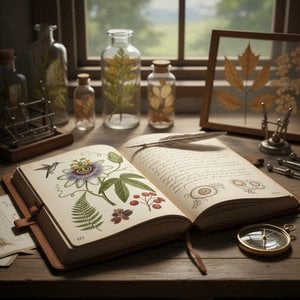
Titian Ramsay Peale: Precisione Botanica e Innovazione Artistica nell'America del XIX Secolo
Scopri la vita e l'opera di Titian Ramsay Peale, pioniere della pittura botanica americana e naturalista del XIX secolo. Esplora le sue illustrazioni scientifiche innovative e il suo contributo all'arte e alla scienza.

Charles Willson Peale: Ritrattistica, Ideali Illuministici e la Formazione dell'Identità Americana
Esplora la vita e l'opera di Charles Willson Peale, pittore simbolo dell'Illuminismo americano. Analisi approfondita della sua ritrattistica, del realismo scientifico e del ruolo nella formazione dell'identità americana.

Charles Bird King e l'Arte del Ritratto: Dignità Indigena e Scambio Culturale nell'America del XIX Secolo
Esplora l'opera di Charles Bird King e il suo rivoluzionario progetto di ritratti dei leader nativi americani. Approfondimenti storici, analisi artistica e l'eredità di un'arte che celebra la dignità culturale.


