


 Invia
Invia Condividi
 Dettagli opera

 Scarica immagine
 Simili
 Slideshow
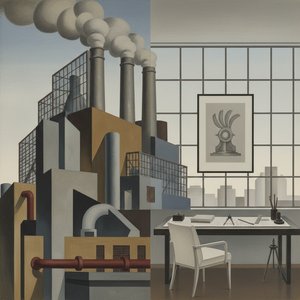
Industrial Architecture
 Giclée Print
- Digital
- Precisionist Movement
 1931
1931- 19th Century
 26.0 x 36.0 cm
 Amon Carter Museum of American Art
 Espandi i dettagli
Giclée / Stampe d'arte
Stampa giclée o su tela di qualità museale, con produzione rapida e diverse opzioni di finitura. ( Acquista il dipinto realizzato a mano Acquista immagine)




































Scegli tra le nostre dimensioni predefinite, che rispettano le proporzioni originali dell'opera d'arte.

È possibile inserire dimensioni personalizzate per adattare l'opera a una cornice o a uno spazio specifico. Se la dimensione selezionata non corrisponde alle proporzioni dell'immagine originale, procederemo al ritaglio dell'opera o all'estensione dell'immagine con un bordo specchiato o a tinta unita. Un mockup digitale ti verrà inviato per approvazione prima dell'inizio della produzione.
Si prega di notare che l'anteprima a schermo non riflette il ritaglio o l'estensione effettivi. Solo il mockup mostrerà accuratamente la composizione finale.
Sebbene siano disponibili dimensioni personalizzate, si raccomanda di selezionare una dimensione dall'elenco predefinito per preservare le proporzioni originali.
Consegna in tutto il mondo () in 2 settimane invece delle normali 4/5 settimane. (22 Agosto)

Spedizione espressa gratuita in tutto il mondo

Tela in lino di alta qualità

Assicurazione completa sulla spedizione

Garanzia di rimborso dei dazi doganali

Garanzia di fedeltà cromatica

Politica di reso entro 60 giorni (solo per difetti di fabbricazione)

Garanzia di rimborso al 100%

Offerta per acquisti multipli
 L'opzione vetro è disponibile solo per dimensioni inferiori a 110 cm

Industrial Architecture
Giclée / Stampe d'arte
Dimensioni riproduzione
-


Prezzo totale calcolato
$ 62
Descrizione del pezzo
Charles Sheeler's "Industrial Architecture": A Precisionist Masterpiece
This meticulously crafted hand-painted reproduction captures Charles Sheeler’s seminal work, “Industrial Architecture,” a pivotal piece in the development of American Precisionism. Executed in 1931, this image transcends a simple depiction of an industrial site; it's a carefully constructed meditation on modernity, industry, and the burgeoning relationship between humanity and machine. The photograph, originally taken by Sheeler himself, serves as the foundation for this stunning artistic interpretation, showcasing his keen eye for geometric forms and stark contrasts that would become hallmarks of his style.
The Precisionist Vision
Born in Philadelphia in 1883, Charles Sheeler’s artistic journey was shaped by a rigorous education – initially at the Pennsylvania Museum School of Industrial Art and subsequently at the Pennsylvania Academy of Fine Arts. This training instilled within him a disciplined approach to observation and representation, culminating in his development of Precisionism. Unlike Impressionism's focus on fleeting moments, or Post-Impressionism’s emotional expression, Sheeler sought to depict subjects with an almost photographic clarity, emphasizing precise lines, sharp angles, and the inherent order found within industrial landscapes. The influence of European masters like Giotto, Masaccio, and Piero della Francesca is subtly present in his work, particularly in the careful rendering of form and space – a testament to his deep understanding of classical composition.
- Geometric Forms: The dominant motif is the precise arrangement of rectilinear shapes—the building’s walls, windows, and the imposing crane—creating a dynamic visual rhythm.
- Monochromatic Palette: The use of black and white amplifies the starkness and emphasizes the industrial subject matter, mirroring the austerity often associated with early 20th-century factories and urban environments.
- Sharp Detail: Sheeler’s meticulous attention to detail is evident in every element, from the texture of the metal crane to the reflections on the building's surface.
Symbolism and Context – A Reflection of Modernity
“Industrial Architecture” was created during a period of rapid industrialization and urbanization in America. The image powerfully reflects this era, capturing the rise of factories, railroads, and other technological advancements that were transforming American society. The crane itself is a potent symbol—representing progress, power, and the relentless drive for efficiency. The presence of the human figure, a solitary observer within the vast industrial landscape, adds another layer of interpretation, suggesting humanity’s role as both participant and witness to this transformative period. Sheeler's interest in architecture stemmed from his work documenting buildings for architects, demonstrating a fascination with structure and form.
Artistic Technique & Reproduction Details
This hand-painted reproduction is created using traditional techniques, meticulously replicating Sheeler’s original vision. Skilled artisans have painstakingly recreated the image, capturing not only the visual elements but also the subtle nuances of light and shadow that define his style. The resulting artwork boasts exceptional detail and color fidelity, ensuring a faithful representation of the original photograph. The size of 26 x 36 cm makes it ideal for a variety of interior design settings – from modern apartments to corporate offices. This reproduction is more than just an image; it’s a tangible connection to a significant moment in American art history.
Size: 26 x 36 cm
Date: 1931
Artist: Charles Sheeler Junior
Opere simili


![[new York, Stairway, 47th Street] — Brett Weston](/media/artworks/images-thumb/cc/4e/cc4e34cc69fb703aede033105e10907b.jpg)


Biografia dell'artista
giovinezza e formazione
charles rettew sheeler junior, pittore e fotografo americano, nacque a Philadelphia nel 1883. Il suo percorso formativo iniziò presso la pennsylvania museum school of industrial art tra il 1900 e il 1903, per poi proseguire con un'accademica formazione nel disegno e nella pittura presso la pennsylvania academy of fine arts (1903-6). Questo solido bagaglio educativo gettò le fondamenta per il suo futuro successo come pioniere del precisionismo.carriera e influenze
Le prime opere di Sheeler furono profondamente segnate dai suoi viaggi in Europa, dove sviluppò una vera e propria passione per i maestri italiani del tardo Medioevo, tra cui spiccano Giotto, Masaccio e piero della francesca. Nel 1909, una visita a Parigi nella dimora di michael e sarah stein, celebri mecenati di picasso e braque, lo ispirò a sperimentare con lo stile cubista. Questa esposizione a diversi movimenti artistici fu determinante nel plasmare il suo approccio unico e distintivo del precisionismo.fotografia e precisionismo
Sheeler apprese autonomamente l'arte della fotografia, dedicandosi inizialmente alla documentazione di edifici locali per conto di architetti. In seguito, esplorò con sensibilità gli interni della propria dimora, modellando spazi grezzi attraverso il gioco magistrale di luci e ombre. La sua pratica fotografica divenne il catalizzatore per lo sviluppo del precisionismo, uno stile caratterizzato da un'attenzione meticolosa alla precisione e all'accuratezza formale.opere celebri ed eredità
Tra le opere più significative di Sheeler si annoverano:- stairway at the farm, doylestown, una testimonianza della sua maestria nella composizione e nell'uso della luce.
- fotografie dell'architettura vernacolare locale, che celebrano la bellezza intrinseca del design funzionale.
- opere esposte in prestigiose rassegne internazionali, tra cui il museum of modern art (moma) e il metropolitan museum of art.
esplora di più su ArtsDot.com
- guarda le opere di sheeler: https://ArtsDot.com/@/charles-rettew-sheeler-junior
- scopri altri artisti precisionisti: /it/art/show/art-93pvdx-it/
- 16 luglio 1883: nascita a philadelphia, pennsylvania
- 7 maggio 1965: scomparsa a dobbs ferry, new york
riferimenti
- the metropolitan museum of art: charles sheeler (1883–1965)
- wikipedia: charles sheeler ### link da ArtsDot.com: - /it/art/list/ - https://AllArtsDot.com/@/charles-rettew-sheeler-junior

Charles Sheeler
1883 - 1965 , Stati Uniti d'America
Dati rapidi
- Artistic Movement Or Style: Precisionismo
- Artists Or Movements Influenced By This Artist: ['Cubismo']
- Artists Who Influenced This Artist:
- Giotto
- Masaccio
- Piero della Francesca
- Date Of Birth: Lug 16, 1883
- Date Of Death: Mag 7, 1965
- Full Name: Charles Rettew Sheeler Jr.
- Nationality: American
- Notable Artworks:
- Stairway at the Farm
- Stacks in Celebration
- Place Of Birth: Philadelphia, USA
Articoli correlati

Bianco Sublime: I 10 Dipinti Più Famosi Dominati dal Colore Bianco | .it
Esplora i 10 dipinti più celebri dominati dal bianco, da Monet a Malevich. Scopri la storia, le tecniche e l'impatto di queste opere iconiche. Trova stampe su tela e riproduzioni d'arte di alta qualità per decorare casa con stile su .
Charles Sheeler Jr.: Precisionism, Industrial Aesthetics & the American Modernist Vision
Explore the groundbreaking work of Charles Sheeler Jr., a pivotal figure in American Precisionism. Discover his iconic industrial landscapes, photographic studies & lasting influence on modernist art. Expert insights for collectors.

Giclée Prints: Archival Quality & Aesthetic Nuances for the Discerning Collector
Explore the world of giclée prints with ArtsDot. Learn about archival quality, aesthetic nuances & investment potential. Expert guidance for discerning art collectors seeking museum-quality reproductions and lasting value.

I 10 Dipinti Più Famosi Dominati dal Nero: Maestri e Storie d'Arte
Esplora i 10 dipinti più iconici dominati dal nero, da Caravaggio a Munch. Scopri storie, tecniche e il potere espressivo di artisti come Rembrandt e Goya. Trova stampe d'arte di alta qualità per la tua casa su .

Monochrome Visions: Exploring the Aesthetic & Historical Significance of Black & White Photography
Explore the rich history & artistic power of black and white photography. From early techniques to iconic masters like Ansel Adams, discover why monochrome continues to captivate art lovers today. Expert insights for collectors.

