


 Anteprima in scala reale
 Condividi
 Condividi
 Dettagli
 Guida stampabile

 Scarica
 Articoli simili
 Radiografia
 Slideshow
 Statistiche
The bookworm
 Oil On Canvas
- WallArt
- Biedermeier
 1850
1850- 19th Century
 48.0 x 27.0 cm
 Leggi tutto
Giclée / Stampe d'arte
Stampa giclée o su tela di qualità museale, con produzione rapida e diverse opzioni di finitura. ( Ordina la riproduzione dipinta a mano Passa all'immagine digitale)




P118B €10

P118H €10

P118W €10

P438Z €10

P508JH €12

P508YH €12

P805H €10

P805Z €10

P919BZ €10

P919G €10

P919XJ €10

P959ZH €10

P968JZ €12

W106C €8

W218G €10

W218JH €8

W218Y €10

W307PJ €10

W316G €10

W316PJ €8

W316Y €10

W398PJ €8

W4111J €10

W500HY €15

W500JH €15

W692G €12

W849H €8

W940BG €15

W953PJ €8




Scegli tra le nostre dimensioni predefinite, che rispettano le proporzioni originali dell'opera d'arte.

Inserisci la larghezza e l'altezza desiderate, per adattarle alla tua cornice o alla tua parete. Una stampa può essere solo ritagliata, mai resa più grande dell'immagine originale; pertanto, un formato con una forma differente comporterà la perdita di una parte dell'opera. Ti invieremo un mockup digitale da approvare prima di procedere con la stampa. L'immagine mostrata in questa pagina non rappresenta il ritaglio reale — solo il mockup lo mostra.
Consegna in tutto il mondo () in 2 settimane invece delle normali 4/5 settimane. (24 Ottobre)

Spedizione espressa gratuita in tutto il mondo

Tela in lino di alta qualità

Assicurazione completa sulla spedizione

Garanzia di rimborso dei dazi doganali

Garanzia di perfetta fedeltà cromatica

Politica di reso entro 100 giorni (solo per difetti di fabbricazione)

Garanzia di rimborso al 100%

Sconto per acquisti multipli
 L'opzione vetro è disponibile solo per dimensioni inferiori a 110 cm

The bookworm
Giclée / Stampe d'arte
Dimensioni della riproduzione
-


Prezzo totale
€ 54
A Sanctuary of Silent Pages
In the quiet corners of history, few images capture the essence of intellectual retreat as poignantly as Carl Spitzweg’s The Bookworm. Painted around 1850, this masterpiece serves as a window into a world where time seems to suspend itself amidst the scent of aged parchment and leather bindings. The scene presents us with a solitary figure, perched precariously yet comfortably upon a ladder, his entire being consumed by the text before him. There is an undeniable intimacy in this composition; the viewer is not merely an observer but a silent companion in this private moment of discovery. Spitzweg, a master of the Biedermeier era, utilizes a delicate, realistic technique to render every detail—from the soft light filtering through an unseen window to the dusty spines of countless volumes—creating a sense of atmosphere that is both nostalgic and profoundly peaceful.
Beyond its surface beauty, the painting functions as a brilliant piece of social satire. During the mid-19th century, Europe was navigating a period of intense political tension and shifting societal norms. Through the figure of the scholar, Spitzweg offers a gentle yet biting commentary on the conservative mindset of his time. The man’s physical detachment from the world—symbolized by his face buried in a book and a globe tucked away in a corner—suggests a deliberate withdrawal from contemporary reality into the safety of traditional knowledge. The sign reading "Metaphysics" above the shelf further emphasizes this retreat into abstract thought, far removed from the pressing political revolutions occurring outside his library walls. It is a study of escapism, capturing the tension between the comfort of the known and the chaos of the changing world.
A Masterpiece for the Modern Collector
For the discerning collector or interior designer, The Bookworm offers much more than mere decoration; it provides a focal point of intellectual depth and warmth. The painting’s color palette, rich with warm ambers, deep wood tones, and soft highlights, possesses a unique ability to ground a room, lending an air of academic sophistication and timelessness to any study, library, or living space. The meticulous detail characteristic of Spitzweg’s style ensures that the piece remains captivating upon close inspection, rewarding the eye with the intricate textures of cloth, wood, and paper.
Integrating a high-quality reproduction of this work into a contemporary interior allows for a beautiful dialogue between historical narrative and modern aesthetics. Whether placed in a minimalist setting to provide a touch of classical warmth or within a traditional library to enhance its scholarly atmosphere, The Bookworm evokes an emotional response of curiosity and tranquility. It invites anyone who gazes upon it to pause, to breathe, and to rediscover the profound joy found in the quiet pursuit of knowledge.
Domande e risposte
Cosa rappresenta "The bookworm" di Carl Spitzweg?
"The bookworm" di Carl Spitzweg raffigura: man, books, ladder, bookshelves, library, globe, dark suit.
A quale corrente artistica appartiene "The bookworm" di Carl Spitzweg?
"The bookworm" è un'opera di Biedermeier. Il movimento indica la tradizione artistica di cui l'opera fa parte.
"The bookworm" dispone di un'anteprima in realtà aumentata?
Puoi visualizzare "The bookworm" di Carl Spitzweg sulla tua parete grazie alla pagina Anteprima AR dell'opera, utilizzando la realtà aumentata su un dispositivo compatibile.
Opere correlate


Biografia dell'artista
La Vita e l'Infanzia di Carl Spitzweg
- Carl Spitzweg, nato il 5 settembre 1808 a Wurzburg, era figlio di Johann Jakob Spitzweg, un commerciante, e Anna Elisabeth Dietz. La sua infanzia fu trascorsa in diverse città a causa delle attività commerciali del padre, tra cui Wurzburg, Schweinfurt e Bamberga.
- Non ricevette una formazione artistica formale durante la sua giovinezza. Il suo interesse per l'arte si sviluppò autonomamente attraverso lo studio di opere d'arte e la pratica del disegno.
- La sua famiglia non era particolarmente benestante, ma ciò non impedì a Carl di coltivare il suo talento artistico. La sua determinazione e passione furono fondamentali per il suo successo futuro.
Lo Sviluppo Artistico e le Prime Opere
- Iniziò a dipingere in modo amatoriale durante la sua giovinezza, concentrandosi principalmente su soggetti tratti dalla vita quotidiana. Le sue prime opere riflettevano un'attenta osservazione della realtà e una capacità di cogliere l'essenza dei suoi soggetti.
- Trascorse diversi anni a Bamberga, dove lavorò come impiegato presso una banca. Nonostante gli impegni professionali, continuò a dedicarsi all'arte nel tempo libero.
- Le sue prime opere significative includono "Il Lettore" (1834) e "La Passeggiata con l'Istituto" (1835). Questi dipinti dimostrano la sua capacità di creare atmosfere suggestive e di ritrarre personaggi realistici.
L'Apice della Carriera e le Opere Maggiori
- Negli anni '30 e '40 dell'Ottocento, Spitzweg raggiunse l'apice della sua carriera artistica. Le sue opere divennero sempre più apprezzate dal pubblico e dalla critica.
- Tra le sue opere maggiori di questo periodo si annoverano "Il Povero Poeta" (1839), "La Biblioteca" (1840) e "L'Atelier del Pittore" (1842). Questi dipinti riflettono la sua capacità di creare mondi immaginari ricchi di dettagli e suggestioni.
- Il suo stile artistico, caratterizzato da un realismo attento e una vena umoristica, lo rese uno dei pittori più originali e apprezzati del suo tempo.
Influenze Artistiche e Significato Storico
- Spitzweg fu influenzato da diversi artisti del passato, tra cui Rembrandt, Jan Steen e Gabriel von Max. Tuttavia, riuscì a sviluppare uno stile personale e originale che lo distinse dai suoi contemporanei.
- Il suo contributo all'arte tedesca fu significativo. Le sue opere riflettono la vita e la cultura del suo tempo e offrono una preziosa testimonianza della società ottocentesca.
- Morì a Monaco di Baviera il 18 gennaio 1886, lasciando un'eredità artistica duratura. Le sue opere sono oggi esposte in importanti musei e collezioni private in tutto il mondo.
L'Eredità Artistica di Carl Spitzweg
- Carl Spitzweg è ricordato come uno dei più importanti pittori del Romanticismo tedesco. La sua capacità di ritrarre la vita quotidiana con realismo e umorismo lo rese un artista amato dal pubblico e dalla critica.
- Le sue opere continuano ad essere apprezzate per la loro bellezza, originalità e significato storico.
- La sua influenza sull'arte tedesca fu significativa. Le sue opere hanno ispirato generazioni di artisti e continuano a essere fonte di ammirazione e studio.

Carl Spitzweg
1808 - 1885 , Italia
Informazioni rapide
- Artistic Movement Or Style: Biedermeier
- Date Of Birth: 1808
- Date Of Death: 1886
- Full Name: Carl Spitzweg
- Nationality: Germania
- Notable Artworks:
- Il povero poeta
- Una visita
- A passeggio con l'istituto
- Place Of Birth: München, Germania
Articoli correlati

John Leech: Visioni Satiriche della Società Vittoriana – Un'Analisi Approfondita della Sua Arte e Influenza
Esplora l'arte satirica di John Leech, maestro dell'illustrazione vittoriana. Analisi approfondita dei suoi temi, tecniche e influenza sulla società inglese del XIX secolo. Scopri la sua eredità artistica!

William Hogarth: Satira sociale e nascita dell'arte moderna britannica
Esplora la vita e le opere di William Hogarth, maestro della satira inglese del XVIII secolo. Analisi approfondite delle sue incisioni, il suo realismo innovativo e l'impatto sull'arte moderna britannica. Scopri come Hogarth ha rivoluzionato il commento sociale attraverso l'immagine.

The Sharpest Wit: A Historical Exploration of Satire in Visual Culture
Explore the history of satire in art! From ancient masters like Aristophanes to Goya & Grosz, discover how artists use wit and critique to reflect—and challenge—society. Expert insights at ArtsDot.
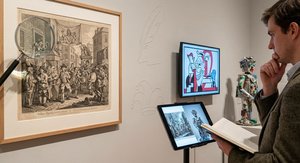
The Sharpest Wit: A Critical Exploration of Satire in Art History – From Hogarth to Contemporary Critique
Explore the history of satire in art! From Hogarth's London to contemporary critique, discover how artists use wit & visual power to reflect and challenge society. Expert insights at ArtsDot.

Biedermeier: Art, Society & Intimacy in Restoration Europe
Explore the world of Biedermeier art & culture! Discover the history, aesthetic principles, and lasting influence of this fascinating European movement. Expert insights & beautiful reproductions at ArtsDot.


