Anteprima in scala reale
 Invia
Invia Condividi
 Dettagli opera
 Guida
Guida

 Scarica
 Simili
 Radiografia
 Slideshow
 Domande e risposte
 Statistiche
Landscape 2


 Espandi i dettagli
Giclée / Stampe d'arte
Stampa giclée o su tela di qualità museale, con produzione rapida e diverse opzioni di finitura. ( Acquista il dipinto realizzato a mano Passa all'immagine digitale)




P118B €10

P118H €10

P118W €10

P438Z €10

P508JH €12

P508YH €12

P805H €10

P805Z €10

P919BZ €10

P919G €10

P919XJ €10

P959ZH €10

P968JZ €12

W106C €8

W218G €10

W218JH €8

W218Y €10

W307PJ €10

W316G €10

W316PJ €8

W316Y €10

W398PJ €8

W4111J €10

W500HY €15

W500JH €15

W692G €12

W849H €8

W940BG €15

W953PJ €8




Scegli tra le nostre dimensioni predefinite, che rispettano le proporzioni originali dell'opera d'arte.

Inserisci la larghezza e l'altezza desiderate, per adattarle alla tua cornice o alla tua parete. Una stampa può essere solo ritagliata, mai resa più grande dell'immagine originale; pertanto, un formato con una forma differente comporterà la perdita di una parte dell'opera. Ti invieremo un mockup digitale da approvare prima di procedere con la stampa. L'immagine mostrata in questa pagina non rappresenta il ritaglio reale — solo il mockup lo mostra.
Consegna in tutto il mondo () in 2 settimane invece delle normali 4/5 settimane. (6 Novembre)

Spedizione espressa gratuita in tutto il mondo

Tela in lino di alta qualità

Assicurazione completa sulla spedizione

Garanzia di rimborso dei dazi doganali

Garanzia di fedeltà cromatica assoluta

Politica di reso entro 100 giorni (solo per difetti di fabbricazione)

Garanzia di rimborso al 100%

Offerta per acquisti multipli
 L'opzione vetro è disponibile solo per dimensioni inferiori a 110 cm

Landscape 2
Giclée / Stampe d'arte
Dimensioni riproduzione
-


Prezzo finale calcolato
€ 56
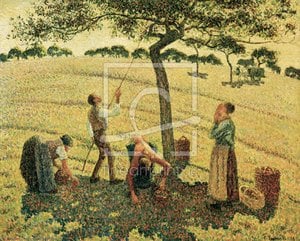
A Moment of Tranquil Reflection: Camille Pissarro's "Landscape 2"
Camille Pissarro’s “Landscape 2” offers a profound glimpse into the heart of Impressionism – a movement defined not by meticulous detail, but by an artist’s immediate response to light and atmosphere. This serene depiction of a rural French landscape, painted around 1890, invites the viewer into a world of quiet contemplation, where the essence of nature is prioritized over precise representation. The painting's enduring appeal lies in its masterful execution of Impressionist principles, combined with a deeply felt connection to the natural world – a characteristic that cemented Pissarro’s place as one of the movement’s most influential figures.
Composition and Technique: Embracing the Fleeting Moment
The composition immediately draws the eye along the winding dirt path, leading towards a distant cluster of buildings nestled amongst rolling hills. This deliberate use of perspective, achieved through atmospheric haze and overlapping forms, creates a powerful sense of depth – a hallmark of Pissarro’s approach. The artist employs a technique rooted in broken brushstrokes, applying paint in short, expressive dabs directly from the tube. There's no blending or smoothing; instead, each stroke retains its individual character, contributing to the painting’s vibrant texture and conveying a sense of movement within the landscape. This method, championed by Pissarro and his colleagues, sought to capture the ephemeral qualities of light and color – the way they shift and change with every passing moment.
- Loose Brushwork: Characterized by visible, unblended strokes that create a textured surface.
- Direct Painting: Utilizing paint straight from the tube for immediate impact and expressive marks.
- Emphasis on Light: Capturing the effects of diffused light and atmospheric conditions.
Color Palette and Symbolism: Earthy Harmony
The color palette is a masterclass in muted harmony, dominated by earthy greens, browns, yellows, and grays – colors that evoke the tranquility of the French countryside. Subtle variations within these tones create an atmospheric quality, suggesting a soft, overcast sky. The deliberate choice of cool and warm hues further enhances this effect, adding to the painting’s overall sense of peace and serenity. Beyond its aesthetic beauty, the landscape itself carries symbolic weight. The winding path can be interpreted as representing a journey – both literal and metaphorical – while the distant buildings offer a quiet invitation to contemplate human existence within the vastness of nature.
Historical Context: A Pivotal Moment in Art History
"Landscape 2" was created during a pivotal period for Impressionism, roughly between 1890 and 1895. Following his time as a military engineer, Pissarro had returned to painting landscapes with renewed vigor, often working alongside his son, Joseph. This era saw the movement evolving beyond its initial focus on capturing fleeting moments of light; artists like Pissarro were increasingly interested in exploring themes of rural life and the beauty of the natural world. His work aligns perfectly with the broader Impressionist project – a rejection of academic conventions and an embrace of subjective experience – solidifying his legacy as a key figure in the development of modern art.
Emotional Impact: A Sense of Quietude
Ultimately, “Landscape 2” is more than just a beautiful depiction of a rural scene; it’s an invitation to slow down and appreciate the simple pleasures of nature. The painting's subdued colors, loose brushwork, and atmospheric perspective combine to create a profound sense of tranquility and contemplation. It’s a work that speaks to our innate desire for peace and connection with the natural world – a timeless quality that continues to resonate with viewers today.
Domande e risposte
Quale ambiente si abbina ai colori di "Landscape 2" di Camille Pissarro?
Grazie alla sua palette di colori Earthy, si consiglia di inserire "Landscape 2" in un/una Living Room.
Quanto sono armoniosi i colori di "Landscape 2"?
I colori di "Landscape 2" di Camille Pissarro mostrano un'armonia Unified Palette. L'armonia descrive il modo in cui i colori interagiscono tra loro.
Qual è l'orientamento di "Landscape 2" di Camille Pissarro?
"Landscape 2" di Camille Pissarro è una composizione in Portrait. Le proporzioni meritano di essere verificate prima di scegliere la dimensione della stampa.
Opere simili


Biografia dell'artista
Camille Pissarro: Una Vita di Arte
Primi Anni e Formazione
Jacob Abraham Camille Pissarro nacque il 10 luglio 1830 a Charlotte Amalie, St. Thomas (allora le Indie Occidentali Danesi, ora Isole Vergini americane). Suo padre, Frederick Abraham Gabriel Pissarro, era di origine ebraica portoghese con cittadinanza francese, e sua madre, Rachel Manzano-Pomié, proveniva da una famiglia ebrea francese. La sua educazione fu in qualche modo insolita a causa del patrimonio misto dei suoi genitori e delle loro circostanze. Ricevette la sua formazione artistica precoce all'Accademia Savary a Passy vicino Parigi, dove sviluppò un apprezzamento per i maestri dell'arte francese ed è stato incoraggiato a disegnare dalla natura.
A 17 anni, Pissarro tornò a St. Thomas e continuò a disegnare durante le pause lavorando come impiegato del carico. Questo periodo gli instillò un acuto senso di osservazione della vita quotidiana e del mondo naturale – temi che sarebbero diventati centrali nella sua arte.
Sviluppo Artistico e Influenze
Nel 1855, Pissarro si trasferì a Parigi, lavorando come assistente del pittore danese Anton Melbye. Studiò le opere di Gustave Courbet, Jean-Baptiste-Camille Corot, Honoré Daumier, e Charles-François Daubigny, i cui stili hanno profondamente influenzato il suo lavoro precoce. Trovò l'istruzione artistica formale nelle istituzioni come l'École des Beaux-Arts soffocante e cercò istruzioni alternative da Corot.
Inizialmente, i dipinti di Pissarro aderivano a standard tradizionali, esposti al Salon di Parigi. Il suo primo dipinto fu accettato nel 1859. Tuttavia, presto iniziò a sperimentare con una pennellata più libera e un focus sulla cattura degli effetti fugaci della luce – caratteristiche distintive dell'Impressionismo.
Contributo all'Impressionismo e Oltre
Camille Pissarro è considerato una figura chiave sia nell'Impressionismo che nel Post-Impressionismo. È stato l'unico artista a esporre a tutte le otto mostre impressioniste di Parigi (1874-1886), fungendo da forza stabilizzante all'interno del gruppo. Non è stato solo un espositore; ha attivamente incoraggiato e sostenuto i suoi colleghi artisti, guadagnandosi il soprannome di “il padre figura” del movimento.
Più tardi nella sua carriera, Pissarro esplorò il Neo-Impressionismo, influenzato da Georges Seurat e Paul Signac, impiegando una tecnica puntinista per un periodo prima di tornare a uno stile più personale.
Realizzazioni Principali e Temi
- Paesaggi: Pissarro è rinomato per le sue rappresentazioni di paesaggi rurali e urbani, spesso concentrati su scene di vita quotidiana.
- Scene della Vita Parigina: Ha catturato l'atmosfera vivace e frenetica di Parigi durante un periodo di rapido cambiamento.
- Vita Contadina: I suoi dipinti raffigurano frequentemente la vita e il lavoro dei contadini, riflettendo la sua coscienza sociale.
- Influenza sui Giovani Artisti: Pissarro ha indirizzato e profondamente influenzato Paul Cézanne, Vincent van Gogh, e Paul Gauguin, plasmando il loro sviluppo artistico.
Significato Storico e Eredità
L'eredità di Camille Pissarro si estende oltre i suoi bellissimi dipinti. È stato un campione della libertà artistica e dell'innovazione, svolgendo un ruolo cruciale nello sviluppo dell'arte moderna. Il suo impegno a dipingere *en plein air* (all'aperto) e a catturare l'esperienza immediata ha rivoluzionato la pittura di paesaggio. La sua volontà di sperimentare con stili e tecniche diversi dimostra la sua curiosità intellettuale e il coraggio artistico.
Oggi, le opere di Pissarro sono esposte in importanti musei in tutto il mondo, tra cui il Museum Kunstsalon Franke Schenk e il Museum Frieder Burda, continuando a ispirare artisti e amanti dell'arte. Rimane una figura celebrata la cui contribuzione viene studiata e apprezzata ancora oggi.

Camille Pissarro
1830 - 1903 , Stati Uniti d'America
Dettagli rapidi
- Artisti Influenti:
- Gustave Courbet
- Jean-Baptiste Corot
- Honoré Daumier
- Artisti Influenzati:
- Paul Cézanne
- Vincent van Gogh
- Paul Gauguin
- Data Di Nascita: 10 luglio 1830
- Luogo Di Nascita: Charlotte Amalie, Stati Uniti
- Movimento Artistico: Impressionismo, Neoimpressionismo
- Nazionalità: Danese-Francese
- Nome Completo: Camille Pissarro
- Opere Notevoli:
- Neve a Montfoucault
- Il Louvre: Sole Invernale
- Dulwich College, Londra
- Prato a Bazincourt
- Le Valhermeil, presso Pontoise
Articoli correlati

I 25 Capolavori di Hokusai: L'Incanto dell'Onda e del Monte Fuji
Scopri i 25 capolavori di Hokusai e l'anima dell'Ukiyo-e. Esplora la collezione su ArtsDot.com.

I 10 Capolavori Impressionisti che Hanno Rivoluzionato il Paesaggio Pittorico
Esplora i 10 capolavori impressionisti che hanno rivoluzionato il paesaggio pittorico! Monet, Renoir e altri maestri catturati in stampe su tela di alta qualità. Scopri la storia dell'arte e trova l'opera perfetta per arredare casa tua con ArtsDot.com.
I 10 Capolavori Impressionisti che Hanno Rivoluzionato il Paesaggio Pittorico
Esplora i 10 capolavori impressionisti che hanno rivoluzionato il paesaggio pittorico! Monet, Renoir e altri maestri catturati in stampe su tela di alta qualità. Trova l'arte perfetta per la tua casa su ArtsDot.com.

I 25 capolavori di John Constable: la poesia della natura inglese
Scopri i 25 capolavori di John Constable e il Romanticismo inglese. Esplora la collezione su ArtsDot.com.

I 10 Capolavori del Paesaggio Romantico: Arte, Storia e Decorazioni di Lusso
Esplora i 10 capolavori del Paesaggio Romantico con ArtsDot.com! Caspar David Friedrich, Turner e altri maestri: storia, tecnica e colori che definiscono un'epoca. Trova riproduzioni d'arte di lusso per la tua casa. Scopri la collezione completa online!