


 Anteprima in scala reale
 Condividi
 Condividi
 Dettagli
 Guida stampabile

 Scarica
 Articoli simili
 Radiografia
 Slideshow
 Statistiche
Rustic Ewer


 Leggi tutto
Giclée / Stampe d'arte
Stampa giclée o su tela di qualità museale, con produzione rapida e diverse opzioni di finitura. ( Ordina la riproduzione dipinta a mano Passa all'immagine digitale)




P118B €10

P118H €10

P118W €10

P438Z €10

P508JH €12

P508YH €12

P805H €10

P805Z €10

P919BZ €10

P919G €10

P919XJ €10

P959ZH €10

P968JZ €12

W106C €8

W218G €10

W218JH €8

W218Y €10

W307PJ €10

W316G €10

W316PJ €8

W316Y €10

W398PJ €8

W4111J €10

W500HY €15

W500JH €15

W692G €12

W849H €8

W940BG €15

W953PJ €8




Scegli tra le nostre dimensioni predefinite, che rispettano le proporzioni originali dell'opera d'arte.

Inserisci la larghezza e l'altezza desiderate, per adattarle alla tua cornice o alla tua parete. Una stampa può essere solo ritagliata, mai resa più grande dell'immagine originale; pertanto, un formato con una forma differente comporterà la perdita di una parte dell'opera. Ti invieremo un mockup digitale da approvare prima di procedere con la stampa. L'immagine mostrata in questa pagina non rappresenta il ritaglio reale — solo il mockup lo mostra.
Consegna in tutto il mondo () in 2 settimane invece delle normali 4/5 settimane. (23 Ottobre)

Spedizione espressa gratuita in tutto il mondo

Tela in lino di alta qualità

Assicurazione completa sulla spedizione

Garanzia di rimborso dei dazi doganali

Garanzia di perfetta fedeltà cromatica

Politica di reso entro 100 giorni (solo per difetti di fabbricazione)

Garanzia di rimborso al 100%

Sconto per acquisti multipli
 L'opzione vetro è disponibile solo per dimensioni inferiori a 110 cm

Rustic Ewer
Giclée / Stampe d'arte
Dimensioni della riproduzione
-


Prezzo totale
€ 54
Bernard Palissy’s Rustic Ewer: A Testament to Renaissance Naturalism
Bernard Palissy, born around 1510 in Saintes, France, stands as a singular figure within the tapestry of Renaissance art – an artist who seamlessly blended artistic vision with scientific curiosity. His legacy resides not merely in his mastery of ceramic craftsmanship but also in his pioneering role as a naturalist and innovator whose distinctive style profoundly influenced subsequent generations of artists. This terracotta ewer exemplifies Palissy’s groundbreaking approach, encapsulating the spirit of his era and offering a glimpse into his unwavering belief in observing and replicating the beauty of the natural world.The Rustic Style: Embracing Organic Forms
Palissy's artistic philosophy centered on what he termed *rustiques figulines*, or rustic vessels – ceramics deliberately designed to mimic the textures and patterns found in nature. Unlike the idealized forms favored by many contemporary artists, Palissy sought to capture the essence of organic life through meticulously sculpted reliefs depicting animals, plants, and shells. The ewer’s surface is a testament to this ambition; it's not polished or smoothed but deliberately roughened to resemble weathered stone – an intentional stylistic choice that reflects Palissy’s fascination with geological formations and his desire to imbue his creations with a sense of timelessness.Technique: Fire as Medium, Observation as Inspiration
The creation of these rustic vessels demanded considerable technical skill. Palissy employed a unique firing process—known as *terre cuite à réserve*—that involved applying a layer of slip (liquid clay) to the surface of the terracotta before introducing molds containing sculpted reliefs. These molds were then fired in kilns at high temperatures, resulting in durable ceramics adorned with remarkably detailed depictions. The artist’s meticulous attention to detail extended beyond mere sculptural representation; he painstakingly recreated the textures and colors of natural materials – bark, moss, lichen – achieving an astonishing level of realism that surpassed many of his peers.Historical Context: Reformation and Scientific Inquiry
Palissy's artistic endeavors coincided with a period of significant upheaval in Europe—the Protestant Reformation. Driven by religious conviction, Palissy championed the use of vernacular language in art and literature, rejecting the Latin conventions prevalent among humanist scholars. Simultaneously, he embraced scientific observation as a path to understanding God’s creation. His anatomical studies informed his sculptural representations, demonstrating an unprecedented commitment to accuracy and detail. The ewer itself serves as a tangible symbol of this intellectual fervor—a product of both artistic creativity and scientific inquiry.Symbolism: Echoes of Marine Life and Divine Order
The decorative motifs adorning the ewer – shells, marine creatures like crabs and starfish – resonate with biblical imagery and convey profound symbolic meaning. Shells were considered emblems of purity and resurrection in Christian iconography, representing divine grace and eternal life. The artist’s deliberate selection of these symbols underscores Palissy's belief that art could illuminate spiritual truths and inspire contemplation. Furthermore, the overall composition reflects a humanist worldview—a conviction that humanity possesses inherent dignity and is capable of perceiving beauty and order within the natural world.Emotional Impact: A Connection to Earthly Beauty
Ultimately, Bernard Palissy’s Rustic Ewer transcends mere decorative artistry; it embodies an emotional response to the grandeur of nature. The piece invites viewers to pause and appreciate the subtle nuances of texture and color—to contemplate the enduring power of observation and the transformative potential of artistic expression. Like many Renaissance artworks, it speaks to a fundamental human desire for connection with the natural world – a legacy that continues to inspire artists and collectors alike.Domande e risposte
Dove è esposta oggi l'opera "Rustic Ewer" di Bernard Palissy?
"Rustic Ewer" di Bernard Palissy è esposta presso Musée du Louvre, Parigi, Francia. La scheda del museo si riferisce all'opera originale e non a riproduzioni.
In che anno è stata realizzata l'opera "Rustic Ewer" di Bernard Palissy?
La creazione di "Rustic Ewer" di Bernard Palissy risale al 1556.
Quali sono la tecnica e la data di "Rustic Ewer" di Bernard Palissy?
"Rustic Ewer" è stata realizzata nel 1556, con la tecnica Acrylic On Canvas.
Opere correlate


Biografia dell'artista
Bernard Palissy: Una Vita Dedicata all'Arte, alla Scienza e alla Fede
- Nato: Saintes, Francia (1510)
- Morto: 1590
Bernard Palissy fu una figura straordinaria del Rinascimento francese, rinomato come ceramista, ingegnere idraulico, artigiano e naturalista. La sua vita fu segnata da incessanti sperimentazioni, fede incrollabile e, in definitiva, tragica persecuzione. È ricordato soprattutto per la sua distintiva "ceramica rustica", ceramiche ornate con intricati rilievi di animali e piante, spesso modellati da esemplari reali.
Primi Anni e Apprendistato
- Origini Umili: Palissy nacque in una famiglia povera a Saintes, in Francia. La sua prima educazione si concentrò su scienze pratiche come la geometria e il rilevamento del territorio.
- Formazione Diversificata: Servì come perito per la corona prima di fare l'apprendistato come vetraio. Dopo aver completato l'apprendistato, intraprese un anno di apprendistato itinerante, viaggiando ampiamente attraverso Francia, Borgogna, Valle della Loira, Paesi Bassi e Italia per ampliare le sue conoscenze e competenze.
- Primi Interessi Ceramici: Un momento cruciale si verificò intorno al 1540 quando Palissy incontrò una coppa smaltata di bianco, probabilmente di origine italiana o cinese. Ciò scatenò un'ambiziosa ricerca di sedici anni per replicarne le tecniche di produzione, conducendolo lungo un percorso di intense sperimentazioni con la ceramica.
Lo Sviluppo della "Ceramica Rustica" e Ricerche Scientifiche
- Infruttuoso Tentativo di Porcellana: L'obiettivo iniziale di Palissy era imitare la porcellana cinese o il maiolica italiano, ma alla fine non riuscì a raggiungere questo obiettivo. Tuttavia, i suoi fallimenti lo portarono a sviluppare uno stile unico noto come "ceramica rustica".
- Tecniche Innovative: Questo stile prevedeva l'uso di vetri colorati al piombo e la creazione di rilievi tridimensionali di animali e piante. Modellò famosamente esemplari vivi - pesci, crostacei, rettili, felci e fiori - in gesso per creare stampi per le sue decorazioni ceramiche.
- Indagine Scientifica: Gli sforzi artistici di Palissy erano intrecciati con la curiosità scientifica. Condusse ampie ricerche sulla composizione di argille, vetri e minerali, documentando i suoi risultati in dettagliati quaderni. Le sue indagini toccarono geologia, idrologia e formazione dei fossili, anticipando successivi sviluppi in questi campi.
Patrocinio Reale, Conflitto Religioso e Imprigionamento
- Opere Commissionate: Il talento di Palissy ottenne riconoscimento dalla nobiltà francese. Fu incaricato da Anne, Duca di Montmorency, di creare elementi decorativi per il castello di Écouen e Meudon, inclusi giardini selvatici e sculture in ceramica in uno stile simile ai maestri italiani come Vasari e Cellini.
- Conversione Religiosa: Palissy divenne un devoto ugonotto (protestante francese) intorno al 1546. Le sue convinzioni religiose lo portarono in conflitto con le autorità cattoliche durante le turbolente guerre di religione francesi.
- Imprigionamento e Morte: Nonostante i periodi di favore reale, Palissy fu ripetutamente imprigionato per la sua fede. Nel 1588, fu arrestato e condannato a morte. Morì nella prigione della Bastiglia nel 1590 (o 1589 secondo alcuni resoconti) a causa delle dure condizioni e della negligenza, rifiutando di rinnegare le sue convinzioni anche quando gli fu offerta la libertà dal re Enrico III.
Eredità e Significato Storico
- Influenza sul Majolica Vittoriano: Lo stile di Palissy influenzò profondamente lo sviluppo del majolica vittoriano nel XIX secolo, con Mintons Ltd che produce "Palissy ware" alla Grande Esposizione del 1851.
- Innovazione Artistica: È riconosciuto come un pioniere nell'arte ceramica, spingendo i confini della tecnica e del soggetto. Il suo uso del life-casting fu rivoluzionario e rimane notevole ancora oggi.
- Contributi Scientifici: Le osservazioni di Palissy sulla geologia, l'idrologia e la formazione dei fossili furono significative per il loro tempo, dimostrando una precoce comprensione dei processi naturali.
- Simbolo di Fede e Perseveranza: L'incrollabile impegno di Bernard Palissy verso la sua fede di fronte alla persecuzione lo ha reso un simbolo di resilienza religiosa e dedizione artistica.

Bernard Palissy
1510 - 1590 , Francia
Informazioni rapide
- Artistic Movement Or Style: Rinascimento
- Artists Or Movements Influenced By This Artist: ['Minton Ltd']
- Artists Who Influenced This Artist:
- Italiani
- Cinesi
- Date Of Birth: 1510
- Date Of Death: 1590
- Full Name: Bernard Palissy
- Nationality: Francese
- Place Of Birth (City And Country): Saintes, Francia
Articoli correlati

Thomas Luny (1759–1837): Maritime Mastery & the Evolution of British Marine Painting
Explore the captivating world of Thomas Luny (1759–1837), a celebrated British marine artist. Discover his dramatic naval scenes, detailed ship portraits & lasting legacy. Learn about his life, influences & artworks.

The Alchemy of Clay: A Collector's Guide to the Mastery, Texture, and Timeless Form of Ceramic Art
Discover the profound beauty of ceramic art. Our expert guide explores the alchemy of clay, texture, and glaze, offering collectors deep insights into mastering earth and fire to create timeless, sculptural masterpieces for any curated collection.

Navigating the Depths of Representation: A Historical Exploration of Marine Painting
Explore the rich history of marine painting with ArtsDot. Discover Dutch Masters, Romantic seascapes & renowned artists like Wyllie and Harris. Expert guidance for collectors & custom reproductions.
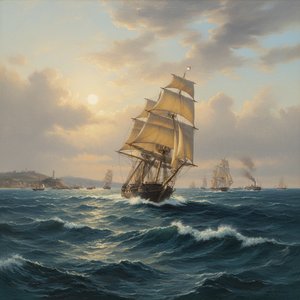
James E. Buttersworth: Navigating the Seas of Victorian Marine Painting
Explore the captivating world of James Edward Buttersworth, a foremost Victorian marine painter. Discover his meticulous ship portraits, America's Cup chronicles & enduring legacy in museums worldwide. Learn about his technique and style.
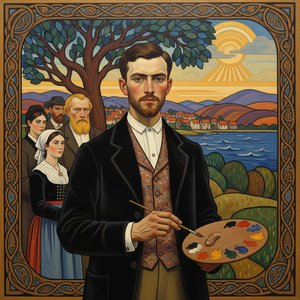
Émile Bernard: Pioniere del Sintetismo e la Ricerca dell'Essenza nell'Avanguardia Post-Impressionista
Esplora la vita e l'opera di Émile Bernard, pioniere del Sintetismo con Paul Gauguin a Pont-Aven. Analisi approfondite, contesto storico e l'influenza rivoluzionaria di questo movimento artistico post-impressionista.