


 Anteprima in scala reale
 Condividi
 Condividi
 Dettagli
 Guida stampabile

 Scarica
 Articoli simili
 Radiografia
 Slideshow
 Statistiche
Classical Landscape with Rocks
 Oil On Copper
- Italianate Landscape
 1629
1629 21.0 x 21.0 cm
 Fitzwilliam College
 Leggi tutto
Giclée / Stampe d'arte
Stampa giclée o su tela di qualità museale, con produzione rapida e diverse opzioni di finitura. ( Ordina la riproduzione dipinta a mano Passa all'immagine digitale)




P118B €10

P118H €10

P118W €10

P438Z €10

P508JH €12

P508YH €12

P805H €10

P805Z €10

P919BZ €10

P919G €10

P919XJ €10

P959ZH €10

P968JZ €12

W106C €8

W218G €10

W218JH €8

W218Y €10

W307PJ €10

W316G €10

W316PJ €8

W316Y €10

W398PJ €8

W4111J €10

W500HY €15

W500JH €15

W692G €12

W849H €8

W940BG €15

W953PJ €8




Scegli tra le nostre dimensioni predefinite, che rispettano le proporzioni originali dell'opera d'arte.

Inserisci la larghezza e l'altezza desiderate, per adattarle alla tua cornice o alla tua parete. Una stampa può essere solo ritagliata, mai resa più grande dell'immagine originale; pertanto, un formato con una forma differente comporterà la perdita di una parte dell'opera. Ti invieremo un mockup digitale da approvare prima di procedere con la stampa. L'immagine mostrata in questa pagina non rappresenta il ritaglio reale — solo il mockup lo mostra.
Consegna in tutto il mondo () in 2 settimane invece delle normali 4/5 settimane. (24 Ottobre)

Spedizione espressa gratuita in tutto il mondo

Tela in lino di alta qualità

Assicurazione completa sulla spedizione

Garanzia di rimborso dei dazi doganali

Garanzia di perfetta fedeltà cromatica

Politica di reso entro 100 giorni (solo per difetti di fabbricazione)

Garanzia di rimborso al 100%

Sconto per acquisti multipli
 L'opzione vetro è disponibile solo per dimensioni inferiori a 110 cm

Classical Landscape with Rocks
Giclée / Stampe d'arte
Dimensioni della riproduzione
-


Prezzo totale
€ 54
Classical Landscape with Rocks by Bartholomeus Breenbergh
Bartholomeus Breenbergh (1598–1657), a Dutch Golden Age painter, stands as an emblem of artistic innovation during his era. Born before November 13, 1598, likely in Deventer, Netherlands, his early life remains shrouded in relative obscurity—a fact that fueled the fervent curiosity of scholars like Arnold Houbraken who tirelessly sought to illuminate Breenbergh’s biography.
His artistic journey commenced with formative training under Pieter Lastman and Jacob Symonsz Pynas in Amsterdam, absorbing influences from the burgeoning landscape movement. Notably, Lastman's dramatic narrative style subtly permeated Breenbergh’s oeuvre, shaping his approach to portraying scenes of human activity interwoven with the grandeur of nature.
Roman Sojourn and the Italianate Style
A pivotal moment arrived in 1619 when Breenbergh embarked on a transformative voyage to Rome—a city renowned for its artistic patronage and stylistic experimentation. This immersion within the Roman landscape profoundly impacted his artistic sensibilities, propelling him toward an Italianate style characterized by idealized forms and luminous color palettes. He diligently studied the works of Claude Lorrain and Andrea Pozzo, absorbing their mastery of atmospheric perspective and compositional grandeur.
Technique and Composition
Breenbergh’s technique was meticulous—primarily employing oil paint on copper—a medium favored for its durability and ability to capture subtle tonal variations. The painting's composition is deliberately balanced, featuring a prominent mountain dominating the horizon line against which figures are positioned in the foreground. Careful attention was paid to detail, particularly in rendering rocks and foliage, reflecting the prevailing artistic conventions of his time.
Symbolism and Emotional Impact
“Classical Landscape with Rocks” transcends mere visual representation; it embodies a deeper symbolic resonance. The depiction of people gathered around a fire speaks to themes of human resilience and communal spirit—a poignant reminder of humanity’s connection to the natural world. Furthermore, the cloudy sky contributes to an atmosphere of contemplative solemnity, inviting viewers to contemplate the sublime beauty and enduring power of nature.
Fitzwilliam Museum Reproduction
Currently housed in the Fitzwilliam Museum in Cambridge, England (Accession number 431), this artwork exemplifies the artistic achievements of the Dutch Golden Age. Its reproduction offers a captivating glimpse into Breenbergh’s vision—a testament to his skill as a painter and his contribution to the legacy of European art history.
Domande e risposte
Dove posso vedere l'originale "Classical Landscape with Rocks" di Bartholomeus Breenbergh?
L'originale di "Classical Landscape with Rocks" di Bartholomeus Breenbergh è conservato presso Fitzwilliam College, Cambridge, Regno Unito. Una riproduzione permette di esporre l'opera in casa propria.
Di cosa è fatto "Classical Landscape with Rocks" e in quale stile è realizzato?
"Classical Landscape with Rocks" è realizzata in Oil On Copper, nello stile Italianate Landscape.
In che modo i colori di "Classical Landscape with Rocks" si relazionano tra loro?
L'armonia cromatica di "Classical Landscape with Rocks" è descritta come Strong Color Unity.
Opere correlate


Biografia dell'artista
Primi Anni e Formazione
- Nome: Bartholomeus Breenbergh
- Nato: Prima del 13 novembre 1598, a Deventer, Paesi Bassi
- Morto: Dopo il 3 ottobre 1657, ad Amsterdam, Paesi Bassi
- I dettagli della sua vita iniziale sono scarsi. La famiglia si trasferì a Hoorn dopo la morte del padre nel 1607.
- Fu un contemporaneo di Jacques Waben e probabilmente ricevette una prima formazione lì.
- Insegnanti registrati includono Pieter Lastman e Jacob Symonsz Pynas.
Carriera: Roma e lo Stile Italianeggiante
- Registrato per la prima volta come pittore ad Amsterdam nel 1619.
- Nel 1619, viaggiò a Roma, dove risiedette fino al 1630 circa.
- Lavorò con il pittore fiammingo Frans van de Kasteele ed è stato fortemente influenzato da Paul Bril.
- Sviluppò uno stile paesaggistico italianeggiante distintivo, caratterizzato da raffigurazioni idealizzate della Campagna Romana (zona rurale).
- Influenzato dai paesaggi di Cornelis van Poelenburgh; i loro stili divennero a volte difficili da distinguere.
- Divenne uno dei fondatori dei Bentvueghels ("Gilda dei pittori") a Roma, guadagnandosi il soprannome "het fret" (il tasso).
Ritorno ad Amsterdam e Sviluppo Artistico
- Tornò ad Amsterdam intorno al 1630.
- Sposato nel 1633 e ricevette un salario annuale da Re Carlo I di Gran Bretagna.
- Il suo lavoro iniziò a incorporare figure mitologiche e bibliche nei paesaggi italiani, influenzato da artisti come Pieter Lastman.
- Sviluppò uno stile più monumentale con tipi espressivi di figure.
- L'unico allievo registrato fu Jan de Bisschop, che studiò con lui negli anni '40 del 1600.
Influenze e Eredità
- Influenze: Pieter Lastman, Nicolaes Moeyaert, Paul Bril, Cornelis van Poelenburgh, Claude Lorrain.
- Influenza su Altri: Jan Linsen, Scipione Compagno, Laurens Barata, Charles Cornelisz. de Hooch, Pieter Anthonisz. van Groenewegen, Francois van Knibbergen e Catharina van Knibbergen.
- Breenbergh è stato una figura chiave nello sviluppo dello stile paesaggistico italianeggiante nei Paesi Bassi.
- Il suo lavoro ha contribuito a diffondere le raffigurazioni di rovine classiche e paesaggi idealizzati tra gli artisti dell'Europa settentrionale.
- Ha colmato il divario tra i maestri olandesi precedenti e i pittori paesaggisti successivi, più raffinati.
Significato Storico
- Il contributo di Breenbergh risiede nel suo ruolo pionieristico nell'istituire lo stile italianeggiante all'interno dell'arte olandese.
- La sua capacità di sintetizzare influenze da vari artisti - Lastman, Moeyaert, Bril, Poelenburgh - ha creato una voce artistica unica e riconoscibile.
- Ha svolto un ruolo significativo nel plasmare le preferenze estetiche del Secolo d'Oro olandese, ispirando generazioni successive di pittori paesaggisti.
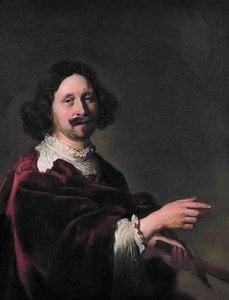
Bartholomeus Breenbergh
1598 - 1657 , Paesi Bassi
Informazioni rapide
- Artisti Che Hanno Influenzato:
- Paul Bril
- Cornelis van Poelenburgh
- Artisti Influenzati:
- Jan Linsen
- Claude Lorrain
- Data Di Morte: 5 ottobre 1657
- Data Di Nascita: 13 novembre 1598
- Luogo Di Nascita: Deventer, Paesi Bassi
- Movimento Artistico: Paesaggi Italianati
- Nazionalità: Olandese
- Nome Completo: Bartholomeus Breenbergh
Articoli correlati

Charles Leickert: Capturing the Dutch Golden Age Light – A Comprehensive Study of Technique, Context, and Legacy
Explore the captivating winter landscapes of Charles Leickert, a master of Dutch Golden Age light & atmosphere. Discover his techniques, symbolism, and lasting legacy – a comprehensive study for art enthusiasts and collectors.

I 10 Capolavori dell'Età d'Oro Olandese: Arte, Storia e Stile per la Tua Casa
Esplora i 10 capolavori dell'Età d'Oro Olandese con ! Rembrandt, Vermeer e altri maestri rivivono in dipinti iconici. Scopri storia, tecnica e colori di opere senza tempo per arredare la tua casa con arte di qualità museale. Esplora la collezione online!

Golden Age Reflections: Dutch Baroque Painting & Cultural Innovation
Explore the Dutch Golden Age of painting! Discover key artists like Vermeer & ter Borch, their innovative techniques, and the rich cultural context behind these Baroque masterpieces. Learn about collecting & appreciating this iconic art period.
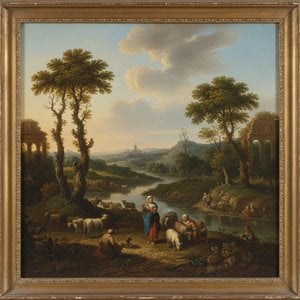
Nicolaes Berchem e l'Età dell'Oro Olandese: Un Rifugio Idilliaco tra Realismo e Mito
Esplora l'incantevole mondo di Nicolaes Berchem e la pittura del Secolo d'Oro Olandese. Analisi approfondita, simbolismo nascosto e l'eredità artistica di un maestro del paesaggio arcadiaco.

Golden Light & Dutch Skies: Bringing the Magic of Dutch Golden Age Landscapes into Your Home
Transform your home with the breathtaking light of Dutch Golden Age landscapes. Discover how hand-painted oil reproductions of masterworks like Ruisdael and Vermeer bring timeless elegance, atmosphere, and soulful texture to modern interiors. Elevate your space with museum-quality art.

