Invia
Invia Condividi
 Dettagli opera
 Guida
Guida

 Scarica
 Simili
 Slideshow
 Domande e risposte
 Statistiche
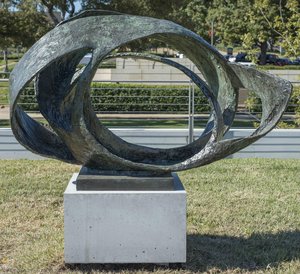
Madre e Figlia


 Espandi i dettagli
L'opera d'arte visualizzata in questa pagina è protetta dalle leggi sul diritto d'autore, il che significa che non possiamo legalmente creare o vendere una riproduzione identica. Tale protezione è garantita da accordi internazionali quali la Convenzione di Berna e dalle leggi nazionali, incluse quelle stabilite da Legge sul copyright degli Stati Uniti - Titolo 17. Tutti i diritti riservati. Le immagini presenti su questo sito sono protette da copyright e non possono essere riprodotte o utilizzate senza l'autorizzazione scritta di WahooArt.com o dei rispettivi proprietari del copyright.
Questo metodo è pienamente conforme alle normative sul diritto d'autore poiché non prevede la copia o la duplicazione dell'opera protetta. Si tratta invece di una rielaborazione creativa: un nuovo dipinto che trae ispirazione dall'originale, senza tuttavia esserne identico.
Giclée / Stampe d'arte
Stampa giclée o su tela di qualità museale, con produzione rapida e diverse opzioni di finitura. ( Acquista il dipinto realizzato a mano Passa all'immagine digitale)




































Scegli tra le nostre dimensioni predefinite, che rispettano le proporzioni originali dell'opera d'arte.

Inserisci la larghezza e l'altezza desiderate, per adattarle alla tua cornice o alla tua parete. Una stampa può essere solo ritagliata, mai resa più grande dell'immagine originale; pertanto, un formato con una forma differente comporterà la perdita di una parte dell'opera. Ti invieremo un mockup digitale da approvare prima di procedere con la stampa. L'immagine mostrata in questa pagina non rappresenta il ritaglio reale — solo il mockup lo mostra.
Consegna in tutto il mondo () in 2 settimane invece delle normali 4/5 settimane. (11 Novembre)

Spedizione espressa gratuita in tutto il mondo

Tela in lino di alta qualità

Assicurazione completa sulla spedizione

Garanzia di rimborso dei dazi doganali

Garanzia di fedeltà cromatica assoluta

Politica di reso entro 100 giorni (solo per difetti di fabbricazione)

Garanzia di rimborso al 100%

Offerta per acquisti multipli
 L'opzione vetro è disponibile solo per dimensioni inferiori a 110 cm

Madre e Figlia
Giclée / Stampe d'arte
Dimensioni riproduzione
-


Prezzo finale calcolato
€ 56
Barbara Hepworth: Un Riflesso di Serenità e Forza Familiare nella Scultura
La scultura "Madre e Figlia" di Barbara Hepworth, realizzata nel 1934, rappresenta un vero gioiello dell'arte moderna britannica e un esempio emblematico dello stile Hepworth, caratterizzato da una straordinaria capacità di esprimere emozioni attraverso forme semplici ma profondamente significative. L’opera è stata eseguita in pietra o marmo bianco, materiale scelto dall’artista per la sua purezza estetica e la sua resistenza nel tempo – qualità che si traducono perfettamente nella bellezza senza tempo della scultura stessa.- Descrizione Visiva: Il soggetto centrale è una coppia di figure femminili poste l'una sopra l'altra, unite dalle braccia in un gesto di abbraccio confortante e protettivo. Le forme sono fluide e dinamiche, creando una tensione armoniosa che cattura l’essenza della relazione madre-figlia.
- Stile: Hepworth aderisce alla corrente dell'astrattismo creativo, sviluppata nel suo periodo iniziale insieme a Ben Nicholson e altri artisti pionieri. Questo stile rifiuta la rappresentazione figurativa tradizionale per concentrarsi sull’esplorazione delle forme essenziali e sulla loro relazione spaziale.
- Tecnica: L'artista impiega una tecnica di scalpellatura precisa e raffinata, sfruttando le proprietà del materiale scelto per ottenere superfici lisce e superfici materiche che invitano lo spettatore a percepire la scultura attraverso il tatto oltre che la vista. Questo approccio innovativo riflette l’importanza dell’esperienza sensoriale nell'arte moderna.
Domande e risposte
Barbara Hepworth, autore di "Madre e Figlia", è conosciuto con altri nomi?
Barbara Hepworth è noto anche con i nomi Dame Jocelyn Barbara Hepworth, Dame Barbara Hepworth.
Quale emozione trasmette "Madre e Figlia" di Barbara Hepworth?
Il tono emotivo registrato per "Madre e Figlia" di Barbara Hepworth è Calma e serenità. Esso riassume la sensazione espressa dall'opera.
Qual è l'atmosfera generale di "Madre e Figlia" di Barbara Hepworth?
"Madre e Figlia" emana un'atmosfera Sereno.
Opere simili


Biografia dell'artista
Infanzia, Famiglia e Formazione
Barbara Hepworth nacque il 10 gennaio 1903 a Wakefield, nel West Riding dello Yorkshire, in Inghilterra. Figlia primogenita di Gertrude e Herbert Hepworth, crebbe in un ambiente che avrebbe profondamente influenzato la sua sensibilità artistica: suo padre, infatti, lavorava come ingegnere civile per il West Riding County Council, un background che le fornì una solida base pratica e strutturale fin dalla tenera età. Questo primo contatto con l'ordine e la costruzione, immerso nei paesaggi dello Yorkshire, plasmò quella consapevolezza spaziale che avrebbe successivamente definito il suo approccio magistrale alla forma tridimensionale.
Il suo percorso educativo formale ebbe inizio presso la Wakefield Girls' High School, un inizio accademico che la condusse, nel 1920, alla Leeds School of Art, dove iniziò a sviluppare la disciplina tecnica necessaria per una ricerca scultorea di alto profilo. Giunti gli anni '20, si trasferì a Londra per studiare al Royal College of Art. Questo periodo di formazione fu fondamentale per consolidare quel rigore intellettuale capace di elevare la sua opera ben oltre la semplice decorazione; Barbara Hepworth non stava semplicemente imparando un mestiere, ma stava padroneggiando l'essenziale e profondo rapporto tra la materia e il vuoto.
Gli anni della formazione e l'inizio della carriera
La traiettoria professionale iniziale di Barbara Hepworth fu definita da una serie di significativi mutamenti personali e artistici, che rispecchiavano i radicali cambiamenti in atto nel modernismo britannico. Nel maggio del 1925, sposò lo scultore John Skeaping a Firenze; questo periodo fu segnato da un approccio orientato alla scultura a diretto taglio, un metodo che esigeva un coinvolgimento fisico e immediato con la pietra e il legno. Entro il 1931, la sua vita personale e creativa subì un'ulteriore trasformazione quando si innamorò del pittore Ben Nicholson. Questo legame faceva parte di un cerchio intellettuale più ampio e intenso di artisti moderni concentrato a Hampstead, Londra. Queste intersezioni sociali e romantiche non furono semplici distrazioni, ma veri e propri crogioli in cui il suo approccio allo spazio e alla forma venne messo alla prova rispetto alle tendenze dominanti dell'epoca.
Lo scioglimento del suo primo matrimonio, nel marzo del 1933, segnò un distacco dalle sue precedenti esplorazioni, più legate alla figura. Nel 1938 sposò infine Ben Nicholson, un'unione che consolidò la sua posizione all'interno dell'avanguardia dell'astrazione britannica. Durante questi anni, la sua opera si allontanò dalle tradizioni rappresentative, cercando invece di distillare l'essenza della forma attraverso un linguaggio più riduttivo e geometrico. Questo periodo di transizione la vide evolvere dallo studio dei monumenti antichi verso una comprensione sofisticata di come lo spazio negativo funzioni come elemento strutturale. Il suo sviluppo non fu una progressione lineare, bensì una serie di rotture deliberate e spesso difficili con il passato.
Il movimento artistico Unit One
Nel 1933, Barbara Hepworth contribuì alla fondazione del movimento artistico Unit One, un collettivo che alterò fondamentalmente la traiettoria del modernismo britannico. Insieme a Ben Nicholson, Paul Nash e diversi altri artisti, lavorò per colmare il divario tra il Surrealismo e l'Astrazione. Non si trattava di una mera preferenza stilistica, bensì di un tentativo deliberato di unificare queste due forze dominanti all'interno della scena artistica britannica. Il movimento si spinse oltre i confini tradizionali della rappresentazione, ricercando un nuovo linguaggio visivo capace di accogliere le complessità dell'era moderna.
L'impatto di questo periodo si avverte nel modo in cui Barbara Hepworth transitò dai suoi primi esperimenti figurativi verso un vocabolario astratto più rigoroso. Questo cambiamento non fu uno sviluppo isolato, ma parte di un impegno più ampio e coordinato del gruppo Unit One per allontanare l'arte britannica dal provincialismo e condurla verso l'avanguardia internazionale. Il suo coinvolgimento in questo circolo consolidò la sua posizione come figura centrale in un movimento che privilegiava le qualità essenziali della forma e dello spazio rispetto alla mera descrizione letterale.
Con l'avvicinarsi della Seconda Guerra Mondiale, il fulcro di questa comunità artistica subì uno spostamento geografico. Barbara Hepworth divenne una figura di spicco nella colonia di artisti che risiedeva a St Ives, in Cornovaglia. Questo trasferimento trasformò la cittadina costiera in un centro nevralgico per il pensiero modernista. La concentrazione di talenti a St Ives permise una continua esplorazione del rapporto tra la forma astratta e il paesaggio naturale, garantendo che le idee radicali sostenute da Unit One rimanessero centrali per lo sviluppo della scultura britannica.
Tecnica e Stile Artistico
L'approccio di Barbara Hepworth alla scultura moderna è definito da un rigoroso impegno verso la tecnica della scultura diretta. Invece di modellare l'argilla per una successiva fusione, l'artista lavorava direttamente nel mezzo, permettendo alla materia di dettare la forma finale. Questo metodo richiede un coinvolgimento fisico e immediato con la sostanza stessa dell'opera. Attraverso lo scalpello e l'incisione, ha plasmato il marmo e il legno, arrivando spesso a dipingere le cavità delle sue forme per manipolare l'interazione tra luce e ombra sulle superfici interne. In molte sue opere, Barbara Hepworth è andata oltre, legando i lati delle sue sculture con fili o corde, creando una tensione letterale tra le diverse parti di un unico oggetto.
Il suo contributo più significativo al linguaggio dell'astrazione risiede nell'uso dello spazio negativo. Introducendo vuoti profondi nelle sue sculture, ha trasformato il foro da semplice assenza a vero e proprio elemento strutturale. Queste aperture non si limitano a creare dei passaggi; esse stabiliscono una connessione profonda tra l'oggetto e lo spazio che lo circonda. Questa tecnica costringe l'osservatore a riconoscere l'aria all'interno della forma come una parte tangibile della composizione. Il risultato è una tensione vibrante tra presenza e assenza, che definisce l'intera estetica modernista dell'artista.
- Pierced Form (1932)
- Single Form (Chûn Quoit) (1961)
- Two Forms (1937)
- Oval Form (Trezion) (1962)
Opere Significative e Innovazioni Scultoree
Il contributo più profondo di Barbara Hepworth alla scultura moderna risiede nel suo uso radicale dello spazio negativo. Nel 1931, l'artista introdusse la forma traforata, una tecnica rivoluzionaria che trasformò il vuoto da semplice assenza a vero e proprio elemento strutturale. Questo cambiamento di paradigma allontanò la scultura dalla concezione di massa solida, aprendo la strada a un'esplorazione di come la luce e lo spazio interagiscano con la materia. Il suo momento di svolta arrivò nel 1937 con Oval Form (Trezion), un'opera che consolidò il suo dominio su volumi geometrici e cavi; scavando nella sostanza stessa dell'opera, Barbara Hepworth costrinse lo spettatore a riconoscere lo spazio interno come una componente vitale quanto il materiale stesso.
La sua straordinaria capacità di bilanciare temi organici con un'astrazione rigorosa emerge con chiarezza nelle opere degli anni '30, come Mother and Child. In questo pezzo, l'artista riesce a distillare la complessità delle relazioni umane in forme semplificate e sinuose. Con il passare degli anni, il suo repertorio tecnico si espanse fino a includere l'integrazione di materiali non propriamente scultorei. Nel 1956, realizzò Stringed Figure (Curlew), un'opera in cui l'uso di fili di cotone per legare le forme lignee creava una tensione fisica che rispecchiava la geometria interna della scultura. Questo metodo enfatizzava il legame tra le diverse parti di un unico oggetto attraverso un vincolo tattile e letterale.
La portata della sua visione raggiunse vette monumentali con Single Form. Questo bronzo, alto sei metri e pesante cinque tonnellate, fu commissionato come monumento commemorativo per Dag Hammarskjöld. L'opera rimane un esempio definitivo di come il suo linguaggio astratto possa tradursi in strutture imponenti destinate al pubblico, senza mai perdere il focus sulla purezza della forma essenziale.
Gli ultimi anni e la morte
L'ultimo capitolo della carriera di Barbara Hepworth ebbe il suo fulcro a St Ives, in Cornovaglia. Dopo l'acquisto del sito dello studio Trewyn nel settembre del 1949, l'artista rimase immersa in questo scenario costiero per ventisei anni. Questo periodo fu caratterizzato da una significativa espansione nella scala e nella complessità delle sue creazioni. Per far fronte alle immense richieste della sua pratica artistica, Barbara Hepworth collaborò con sedici assistenti a partire dal 1949, una necessità dettata dal faticoso lavoro fisico richiesto dalle sue sculture di grandi dimensioni e dalle sue fusioni in bronzo.
La sua vita si concluse in modo improvviso nel 1975. Un incendio nel suo studio le tolse la vita all'età di 72 anni. L'incidente avvenne proprio tra le mura dove aveva vissuto e lavorato per oltre due decenni. Questa conclusione repentina ha lasciato in eredità un corpus di opere che si era evoluto decisamente, abbandonando la figurazione per approdare a un'astrazione rigorosa e spogliata di ogni superfluo.
Eredità e Collezioni Museali
L'influenza di Barbara Hepworth persiste attraverso le strutture istituzionali che ne preservano l'opera fisica. The Hepworth Wakefield a Wakefield, nel Regno Unito, porta il suo nome e mantiene una presenza significativa nella regione in cui è nata. Questo museo custodisce oltre 400 delle sue sculture e dei suoi disegni, garantendo che il suo approccio specifico alla forma e allo spazio rimanga accessibile al pubblico. La collezione offre un legame diretto con il suo sviluppo come scultrice, tracciando il percorso che dai primi esperimenti figurativi conduce alle sue opere più tarde e astratte.
A St Ives, in Cornovaglia, il Barbara Hepworth Museum and Sculpture Garden offre una forma di conservazione differente. Questo sito mantiene il suo studio e il suo giardino nello stato in cui si trovavano durante la sua vita e la sua attività creativa. Esso funge da punto di riferimento immutabile per la sua pratica artistica, mostrando come l'ambiente circostante abbia informato la sua estetica. Nel 1980, la sua famiglia ha trasferito il museo alla Tate gallery, assicurandone la sopravvivenza a lungo termine all'interno di una delle principali collezioni nazionali.
Dove ammirare le sue opere oggi
La sua presenza fisica nel panorama artistico rimane profondamente ancorata al The Hepworth Wakefield a Wakefield, nel Regno Unito. Questa istituzione custodisce una parte significativa della sua produzione, offrendo uno sguardo concentrato sulla sua evoluzione scultorea. La collezione ospitata qui permette un confronto diretto con il suo modo di trattare la materia e con la maestria con cui manipolava lo spazio attraverso le sue caratteristiche forme traforate.
Oltre i confini del Regno Unito, la sua influenza si diffonde attraverso diverse importanti collezioni internazionali. Negli Stati Uniti, il Kimbell Art Museum a Fort Worth conserva 'Oval Form (Trezion)'. Quest'opera dimostra la sua straordinaria capacità di dominare il volume attraverso il bronzo. Allo stesso modo, il New Orleans Museum of Art ospita 'River Form', un lavoro che mette in risalto il suo coinvolgimento con forme organiche e fluide. Queste diverse collocazioni assicurano che il suo lavoro rimanga parte di un dialogo globale, piuttosto che un fenomeno puramente locale.
L'estensione della sua pratica artistica arriva fino alla Auckland Art Gallery Toi o Tāmaki, che custodisce 'Torso II (Torcello)'. Osservare queste opere nei rispettivi contesti istituzionali rivela la scala e la realtà materica della sua astrazione. Le sue sculture richiedono un tipo di visione specifico, che invita lo spettatore a muoversi attorno all'oggetto per comprendere appieno il legame profondo tra la massa solida e il vuoto.

Barbara Hepworth
1903 - 1975 , Regno Unito
Dettagli rapidi
- Artistic Movement Or Style: Modernismo, Surrealismo, Astrazione
- Artists Or Movements Influenced By This Artist: ['Unit One']
- Artists Who Influenced This Artist:
- Constantin Brâncuși
- Jean Arp
- Date Of Birth: 1903
- Date Of Death: 1975
- Full Name: Dame Jocelyn Barbara Hepworth
- Nationality: Inglese
- Notable Artworks:
- Oval Form (Trezion)
- Two Forms
- Totem
- Single Form (Chûn Quoit)
- Mother and Child
- Place Of Birth: Wakefield, Regno Unito
Articoli correlati
The Enduring Allure of Marble in Art History: From Classical Sculpture to Modern Abstraction
Explore the captivating history of marble sculpture from ancient Greece to modern art. Discover renowned artists like Canova & Michelangelo, carving techniques, and investment insights at ArtsDot.

L'Architettura del Volume: Evoluzione Tecnica e Valore Storico della Scultura
Scopri l'evoluzione tecnica della scultura tra marmo e bronzo. Esplora la storia delle forme con i nostri esperti.

I 10 Capolavori Bronzei che Hanno Rivoluzionato la Storia dell'Arte | ArtsDot
Esplora i 10 capolavori bronzei che hanno segnato la storia dell'arte! Da Rodin a Michelangelo, scopri le storie e le tecniche dietro queste sculture iconiche. Trova riproduzioni d'arte di alta qualità per decorare la tua casa con ArtsDot.com.

Barbara Hepworth: Un Dialogo Scultoreo con Forma, Spazio e la Condizione Umana
Esplora l'universo scultoreo di Barbara Hepworth: un viaggio attraverso forma, spazio e la condizione umana. Analisi approfondite, contesto storico e l'eredità di una maestra dell'arte moderna.

Astrazione Geometrica: 10 Capolavori che Hanno Definito un Movimento Artistico
Esplora i 10 capolavori dell'Astrazione Geometrica: Mondrian, Malevich e Kandinsky rivoluzionano l'arte moderna. Scopri la storia, i colori e le tecniche di questi movimenti iconici. Stampe d'arte di alta qualità su ArtsDot.com!