


 Anteprima in scala reale
 Condividi
 Condividi
 Dettagli

 Scarica immagine
 Articoli simili
 Radiografia
 Slideshow
Elisabeth at the Table
 Oil On Canvas
- WallArt
- Fauvist Style
 1909
1909- Modern
 22.0 x 16.0 cm
 Leggi tutto
Riproduzione a olio fatta a mano
Olio su tela dipinto a mano nelle tue dimensioni e con la tua cornice, realizzato su ordinazione dai nostri artisti. ( Ordina stampa Acquista download)




P118B $10

P118H $10

P118W $10

P438Z $10

P508JH $12

P508YH $12

P805H $10

P805Z $10

P919BZ $10

P919G $10

P919XJ $10

P959ZH $10

P968JZ $12

W106C $8

W218G $10

W218JH $8

W218Y $10

W307PJ $10

W316G $10

W316PJ $8

W316Y $10

W398PJ $8

W4111J $10

W500HY $15

W500JH $15

W692G $12

W849H $8

W940BG $15

W953PJ $8




Scegli tra le nostre dimensioni predefinite, che rispettano le proporzioni originali dell'opera d'arte.

È possibile inserire dimensioni personalizzate per adattare l'opera a una cornice o a uno spazio specifico. Se la dimensione selezionata non corrisponde alle proporzioni dell'immagine originale, provvederemo a ritagliare l'opera o a estendere il dipinto con elementi aggiuntivi dipinti a mano. Un mockup digitale ti sarà inviato per approvazione prima dell'inizio della produzione.
Si prega di notare che l'anteprima a schermo non riflette il ritaglio o l'estensione effettivi. Solo il mockup mostrerà accuratamente la composizione finale.
Sebbene siano disponibili dimensioni personalizzate, consigliamo di selezionare una dimensione dall'elenco predefinito per preservare le proporzioni originali.
Dopo l'ordine, il team di ArtsDot.com contatterà il cliente via e-mail per le istruzioni e fornirà un'anteprima del mockup
Consegna in tutto il mondo () in 3/4 settimane anziché nelle normali 5 settimane. (14 Agosto). Nessun compromesso sulla qualità.

Spedizione espressa gratuita in tutto il mondo

Tela in lino di alta qualità

Assicurazione completa sulla spedizione

Garanzia di rimborso dei dazi doganali

Garanzia di fedeltà cromatica dell'originale

Politica di reso entro 60 giorni (solo per difetti di fabbricazione)

Garanzia di rimborso al 100%

Sconto per acquisti multipli
 L'opzione vetro è disponibile solo per dimensioni inferiori a 110 cm

Elisabeth at the Table
Tecnica di riproduzione
Dimensioni della riproduzione
-


Prezzo totale
$ 263
Descrizione dell'opera
A Moment of Quietude: August Macke's "Elisabeth at the Table"
August Macke’s “Elisabeth at the Table,” painted in 1909, is more than just a depiction of two women sharing a moment; it’s a vibrant distillation of Fauvist principles and a poignant glimpse into the burgeoning artistic spirit of early 20th-century Germany. Measuring a modest 22 x 16 cm, this oil on canvas radiates an immediate warmth, drawing the viewer into a scene of intimate companionship rendered with a boldness rarely seen before its time. Macke, a key figure within the influential Der Blaue Reiter group, masterfully employs color and brushstroke to evoke not just what he saw, but how he *felt* about it – a characteristic hallmark of Expressionism.
Fauvist Color and Energetic Form
The painting’s power lies fundamentally in its embrace of Fauvism. Macke abandons traditional representational accuracy for an unrestrained use of color, employing hues that are often jarringly bright and deliberately non-naturalistic. The reds, blues, and yellows aren't meant to mimic reality; instead, they pulsate with emotional intensity, contributing to the painting’s dynamic energy. Notice how the brushstrokes themselves – loose, gestural, and applied with a palpable urgency – further amplify this effect. This technique wasn't simply about aesthetics; it was a deliberate attempt to convey subjective experience, a core tenet of the movement.
A Portrait of Modern Life
The subject matter itself—two women seated at a table laden with books, handbags, and chairs – speaks volumes about the changing social landscape of the period. This isn’t a formal portrait intended to elevate status; it's an observation of everyday life, imbued with a sense of quiet contemplation. The objects themselves are rendered with a remarkable degree of detail, suggesting a comfortable domesticity, yet they are presented within Macke’s intensely colored framework, elevating them to something almost symbolic. The woman on the left, seemingly engrossed in a book, and the other, perhaps engaged in conversation or simply enjoying the moment, create an atmosphere of relaxed intimacy.
Historical Context and Artistic Influence
"Elisabeth at the Table" was created during a period of immense artistic upheaval. Macke’s work reflects the broader trends of his time – the rejection of academic conventions in favor of subjective expression, and the exploration of new visual languages. His association with Der Blaue Reiter (The Blue Rider) further contextualizes the painting, placing it within a circle of artists who were pushing the boundaries of artistic convention. Macke’s influence extends beyond Fauvism; his emphasis on emotional intensity and dynamic brushwork foreshadowed many later developments in modern art.
Collecting this Masterpiece – A Reproduction Opportunity
ArtsDot offers a meticulously crafted hand-painted reproduction of August Macke’s “Elisabeth at the Table,” allowing you to bring this captivating artwork into your home or office. Each reproduction is created using archival materials and techniques, ensuring its longevity and fidelity to the original. This isn't merely a print; it's an investment in art history, a tangible connection to one of the most significant figures of the early 20th-century art scene. Consider this piece as more than just decoration – it’s a window into a world of vibrant color, emotional intensity, and profound artistic vision.
Opere correlate


Biografia dell'artista
Le prime esperienze e la formazione artistica
August Robert Ludwig Macke, pittore espressionista tedesco di spicco, nacque il 3 gennaio 1887 a Meschede, nella Vestfalia. Il suo percorso artistico iniziò alla Kunstakademie di Düsseldorf (1904-1906), sotto la guida di Adolf Maennchen. Lo stile di Macke fu plasmato dall'impressionismo francese e dal post-impressionismo, per poi essere influenzato dal fauvismo.Influenze artistiche e stile
L’incontro con Robert Delaunay a Parigi (1912) introdusse Macke al cubismo cromatico, noto anche come orfismo. Questa influenza è visibile nel suo dipinto Shops Windows, una personale interpretazione dello stile di Delaunay combinata con la simultaneità delle immagini riscontrabile nel futurismo italiano. Macke fece parte del gruppo espressionista tedesco Der Blaue Reiter (Il Cavaliere Azzurro), insieme a Wassily Kandinsky, Franz Marc e Paul Klee. I suoi dipinti, come Bathing Girls with Town in the Background (100 x 80 cm, Staatsgalerie Moderner Kunst, Monaco di Baviera, Germania), mostrano il suo stile unico caratterizzato da colori vivaci e disegno audace.Opere significative e eredità
- Woman in a Green Jacket (1913, Museum Ludwig Colonia, Germania), un esempio emblematico dell'espressionismo.
- Landscape with Cows and Camel (1914, Kunsthaus Zurigo, Svizzera), un esempio paradigmatico del suo stile.
- Türkisches Café (1914), un capolavoro che mostra il suo approccio luminista durante il suo ultimo periodo.
Un tragico destino e un impatto duraturo
La vita di Macke fu interrotta prematuramente quando morì il 26 settembre 1914 al fronte, in Champagne, in Francia. Il suo ultimo dipinto, Farewell, cattura l’atmosfera cupa che si abbatté sull'Europa durante la prima guerra mondiale. Esplora altre opere di August Macke e il movimento dell'espressionismo tedesco su ArtsDot:- Woman in a Green Jacket
- Franz Marc's Fighting Forms, che mostra la collaborazione all’interno di Der Blaue Reiter
- August Macke's artist page on ArtsDot

Augusto Macke
1887 - 1914 , Germania
Informazioni rapide
- Artisti Influenti:
- Robert Delaunay
- Franz Marc
- Wassily Kandinsky
- Paul Klee
- Data Di Nascita: 3 gennaio 1887
- Luogo Di Nascita: Meschede, Germania
- Movimento Artistico: Espressionismo tedesco
- Nazionalità: Germana
- Nome Completo: August Macke
- Opere Notevoli:
- Donna con una giacca verde
- Bagnanti con città sullo sfondo
- Finestre di negozi
- Caffè turco
Articoli correlati

Giclée Prints: Archival Quality & Aesthetic Nuances for the Discerning Collector
Explore the world of giclée prints with ArtsDot. Learn about archival quality, aesthetic nuances & investment potential. Expert guidance for discerning art collectors seeking museum-quality reproductions and lasting value.
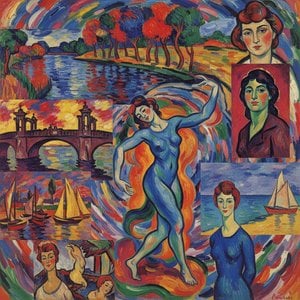
I 10 Capolavori Fauvisti che Hanno Rivoluzionato l'Arte Moderna | ArtsDot
Esplora i 10 capolavori del Fauvismo con ArtsDot. Scopri Matisse, Derain e altri maestri dell'arte moderna e le loro tele dai colori audaci. Trova riproduzioni artistiche di alta qualità per la tua casa! Esplora la collezione online.
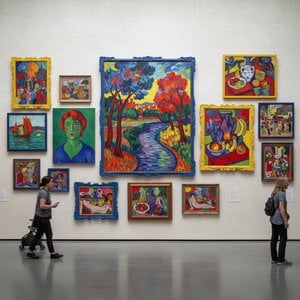
I 10 Capolavori Fauvisti che Hanno Rivoluzionato l'Arte Moderna |
Esplora i 10 capolavori Fauvismo di Matisse, Derain e Vlaminck. Scopri la storia, i colori audaci e l'impatto di questo rivoluzionario movimento artistico. Riproduzioni d'arte di alta qualità su .

The Enduring Legacy of Fine Art Prints: Technique, History & Aesthetic Impact
Explore the rich history & techniques of fine art prints. Discover investment potential, assess authenticity, and learn how to preserve your collection with expert guidance. Trusted insights for discerning collectors.

Echoes of Time: Exploring the Enduring Appeal & Historical Context of Vintage Art Prints
Explore the captivating world of vintage art prints! Discover their history, collecting tips & enduring appeal. Expert insights on chromolithography and building a legacy collection with ArtsDot.



