

 Anteprima in scala reale
 Condividi
 Condividi
 Dettagli

 Scarica immagine
 Articoli simili
 Radiografia
 Slideshow
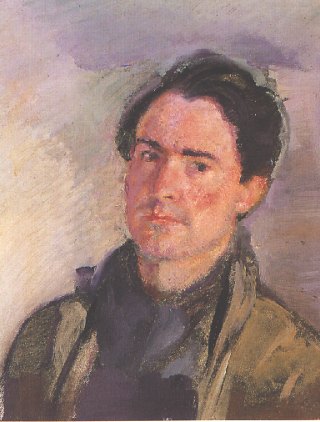
Self Portrait

 Leggi tutto
Acquista un'immagine digitale ad alta risoluzione e ottimizzata, di qualità nettamente superiore all'anteprima online.
Ogni file è meticolosamente preparato dai nostri specialisti interni attraverso l'uso di strumenti avanzati e un sapiente ritocco manuale. Garantiamo che ogni immagine presenti una chiarezza eccezionale, una precisione cromatica impeccabile e dettagli raffinati.
Il file finale viene consegnato via e-mail entro 72 ore, ottimizzato per un uso immediato in contesti professionali, editoriali e di stampa. Si tratta della stessa qualità affidata ai più prestigiosi studi di design, editori e gallerie d'arte.
Immagine Digitale
Scarica un file ad alta risoluzione per uso personale, per la stampa e per progetti creativi. ( Passa alla stampa Passa alla versione dipinta a mano)
Incluso in ogni acquisto di immagini digitali
Consegna digitale professionale e garantita
Quando scegli ArtsDot.com, non riceverai solo un'immagine: riceverai un'opera d'arte digitale professionalmente ottimizzata, realizzata con la massima precisione e accompagnata da una garanzia di soddisfazione. Ecco tutto ciò che include il tuo ordine, automaticamente:

Consegna rapida via email
Riceverai il file dell'immagine digitale ad alta risoluzione via email entro 72 ore dall'ordine, pronto per un uso immediato.

File digitale potenziato dall'IA
La tua opera d'arte viene ottimizzata professionalmente attraverso l'uso di strumenti avanzati di intelligenza artificiale e una revisione manuale, garantendo il massimo livello di dettaglio, nitidezza e accuratezza cromatica.

Riconsegna gratuita a vita
Hai eliminato o perso accidentalmente il tuo file? Non preoccuparti: te lo invieremo di nuovo in qualsiasi momento, gratuitamente.

Nessun costo di importazione, mai
Goditi la tua opera d'arte istantaneamente senza costi doganali, dazi o spese di spedizione: i download digitali sono sempre esenti da tasse.

Garanzia di fedeltà cromatica
Garantiamo che la tua immagine digitale rifletta i colori originali con la massima fedeltà, grazie all'uso di strumenti professionali e a una gestione accurata del colore.

Garanzia soddisfazione 60 giorni
Se non sei soddisfatto della tua immagine digitale, la revisioneremo o ti rimborseremo il 100% entro 60 giorni, senza domande.

Garanzia di rimborso al 100%
Non sei soddisfatto? Ricevi un rimborso completo entro 60 giorni dal ricevimento del tuo file digitale, senza dover fornire spiegazioni.

Sconti per ordini multipli
Acquista 3 immagini, risparmia il 10% - Acquista 5, risparmia il 15% - Acquista 10+, risparmia il 20%. Ideale per progetti creativi, gallerie e agenzie.
Opere correlate


![Portrait Of Mrs. Renée Kisling [portrait De Madame Renée Kisling] — Moïse Kisling, École De Paris](/media/artworks/images/thumbnails/41/78/4178eb5f6eaf46bc95859ec8f39e1e80.jpg)


Biografia dell'artista
Armando Spadini (1883–1925): A Roman Impressionist’s Vision
Armando Spadini emerged from the vibrant artistic milieu of Florence at the turn of the century, a young man deeply attuned to both tradition and innovation. Born in July 1883, he descended from a craftsman's lineage—his father a skilled artisan—and his mother a seamstress, shaping his early life amidst practical realities that would later inform his artistic sensibilities. His formative years were spent studying at Santa Croce, absorbing the aesthetic principles of Florentine Neoclassicism before enrolling in the prestigious Free School of Nude at the Academy of Fine Arts, where he forged an enduring connection with Ardengo Soffici and Adolfo De Carolis—artists who would become pivotal figures in shaping his artistic trajectory. This encounter proved transformative, propelling him into the orbit of Leonardo, the Symbolist magazine that championed avant-garde experimentation and fostered a dialogue between established masters and emerging voices. Spadini’s participation in the 59th Esposizione Annuale Della Società Delle Belle Arti Di Firenze in 1906 marked his debut on the Florentine art scene—a moment of considerable significance as he presented works that signaled a nascent inclination toward Impressionistic techniques, mirroring the stylistic trends gaining momentum across Europe. He swiftly established himself within a cohort of artists who sought to redefine artistic expression, embracing the challenge posed by the burgeoning Symbolist movement while simultaneously grounding his vision in the rich heritage of Italian painting history. Moving to Rome in 1910 solidified Spadini’s commitment to pursuing artistic excellence and exploring new creative horizons. The city's atmosphere—characterized by intellectual ferment and a palpable yearning for aesthetic renewal—provided fertile ground for his artistic endeavors. He dedicated himself primarily to portraiture and depictions of Roman landscapes, capturing the essence of urban life with remarkable sensitivity and precision. His involvement in the Esposizione Internazionale Della Secessione began with the first in 1913 and continued through subsequent editions, demonstrating a steadfast dedication to engaging with contemporary artistic discourse and showcasing his work before discerning audiences. Notably, one of his paintings—"Villa Borghese"—was purchased by the Rome City Council at the fourth Esposizione in 1916, representing a crucial validation of his artistic vision and securing his place within the annals of Roman art history. The tumultuous years following World War I presented Spadini with considerable hardship—he faced criticism from conservative circles and endured personal difficulties that tested his resilience. Despite these challenges, he persevered in his artistic pursuits, maintaining an unwavering belief in the transformative power of art as a means of conveying emotion and capturing the complexities of human experience. His engagement with Valori Plastici—a publication known for its staunch defense of traditional values—reflected his conviction that artistic integrity demanded adherence to established aesthetic standards. However, fortune shifted dramatically in 1924 when the Venice Biennale recognized Spadini’s contribution to Italian painting and devoted a dedicated room to his oeuvre—a decisive moment that dispelled lingering skepticism and cemented his reputation as a celebrated artist. He died peacefully in Rome in March 1925, leaving behind a legacy of evocative paintings that continue to inspire admiration and scholarly inquiry. Spadini's artistic style was characterized by a masterful blend of Impressionistic luminosity and Symbolist introspection—a stylistic duality that distinguished him from many of his contemporaries. Influenced profoundly by Giovanni Fattori and Alberto Zardo, he honed his skills at the Academy of Fine Arts in Florence, absorbing the lessons of masters who championed realism alongside expressive nuance. His meticulous attention to detail—evident in his portraits and landscapes alike—underscored his commitment to capturing the subtleties of visual perception and conveying profound emotional resonance. Furthermore, Spadini’s exploration of Roman urban life—particularly his depictions of Villa Borghese—revealed a deep fascination with the interplay between light and shadow, color and texture—elements that he skillfully manipulated to evoke atmosphere and imbue his canvases with palpable emotion. His work stands as testament to the enduring power of artistic vision—a legacy that continues to resonate within the broader context of Italian Impressionism and Symbolist painting.
Armando Spadini
1883 - 1925 , Italia
In breve
- Artistic Movement Or Style: Impressionismo
- Artists Who Influenced This Artist:
- Giovanni Fattori
- Alberto Zardo
- Date Of Birth: Luglio 29, 1883
- Full Name: Armando Spadini
- Nationality: Italiano
- Notable Artworks:
- Villa Borghese
- Donna in rosso
- Place Of Birth: Firenze, Italia

