


 Anteprima in scala reale
 Condividi
 Condividi
 Dettagli
 Guida stampabile

 Scarica
 Articoli simili
 Radiografia
 Slideshow
 Statistiche
Bénédictine
 Lithography
- WallArt
- Art Nouveau
 1898
1898- 19th Century
 206.0 x 77.0 cm
 Leggi tutto
Riproduzione a olio fatta a mano
Olio su tela dipinto a mano nelle tue dimensioni e con la tua cornice, realizzato su ordinazione dai nostri artisti. ( Passa alle stampe Passa all'immagine digitale)




P118B €10

P118H €10

P118W €10

P438Z €10

P508JH €12

P508YH €12

P805H €10

P805Z €10

P919BZ €10

P919G €10

P919XJ €10

P959ZH €10

P968JZ €12

W106C €8

W218G €10

W218JH €8

W218Y €10

W307PJ €10

W316G €10

W316PJ €8

W316Y €10

W398PJ €8

W4111J €10

W500HY €15

W500JH €15

W692G €12

W849H €8

W940BG €15

W953PJ €8




Scegli tra le nostre dimensioni predefinite, che rispettano le proporzioni originali dell'opera d'arte.

Inserisci la larghezza e l'altezza di cui hai bisogno, per adattarle alla tua cornice o alla tua parete. Trattandosi di un'opera dipinta a mano, in caso di dimensioni con una forma differente, l'artista può dipingere un po' più oltre i bordi dell'immagine o ritagliare leggermente — la scelta spetta a te. Ti invieremo un mockup digitale da approvare prima che la pittura abbia inizio. L'immagine mostrata in questa pagina non rappresenta il risultato reale — solo il mockup lo fa.
Dopo l'ordine, il team di ArtsDot.com contatterà il cliente via e-mail per ricevere le istruzioni e fornirà un'anteprima del mockup
Consegna in tutto il mondo () in 3/4 settimane anziché nelle normali 5 settimane. (25 Ottobre). Nessun compromesso sulla qualità.

Spedizione espressa gratuita in tutto il mondo

Tela in lino di alta qualità

Assicurazione completa sulla spedizione

Garanzia di rimborso dei dazi doganali

Garanzia di perfetta fedeltà cromatica

Politica di reso entro 100 giorni (solo per difetti di fabbricazione)

Garanzia di rimborso al 100%

Sconto per acquisti multipli
 L'opzione vetro è disponibile solo per dimensioni inferiori a 110 cm

Bénédictine
Tecnica di riproduzione
Dimensioni della riproduzione
-


Prezzo totale
€ 253
A Symphony of Floral Grace: The Enchanting Vision of Bénédictine
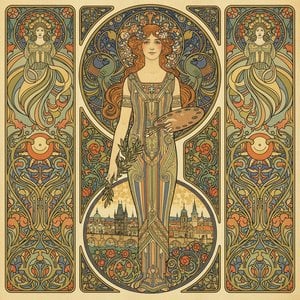
At the turn of the twentieth century, as the industrial world began to grapple with the rigid geometries of mechanical progress, a new aesthetic emerged to whisper of nature’s untamed rhythms. This was the era of Art Nouveau, and no artist captured its soul quite like Alphonse Mucha. His iconic lithograph for Bénédictine is far more than a mere commercial advertisement for a famed liqueur; it is a breathtaking portal into the Belle Époque, where elegance, sensility, and spiritual harmony converge. When one gazes upon this masterpiece, they are not simply looking at a poster, but are instead invited into a dreamscape of flowing lines and ethereal beauty that continues to captivate the modern eye.
The composition is a masterclass in Mucha’s signature style, characterized by an irresistible sense of movement. Dominating the visual field are swirling floral motifs—delicate roses, lilies, and winding vines—rendered in a palette of vibrant golds and deep, soulful blues. These organic elements do not merely sit upon the surface; they dance across it, mirroring the sinuous curls of the women’s hair and the fluid drapery of their garments. This deliberate rejection of straight lines reflects the movement's core philosophy: to find divinity in the undulating, natural world. For the collector or interior designer, this piece offers a rhythmic vitality that can breathe life and sophisticated motion into any curated space.
Idealized Femininity and Symbolic Depth
At the heart of this luminous work reside two female figures, positioned with a captivating, off-center balance that draws the viewer into their serene orbit. Clad in flowing robes of pale lavender and cream, these women embody the idealized feminine archetype of the era—a symbol of purity, grace, and quiet sophistication. Mucha employs the technique of drapery with extraordinary skill, using the soft folds and creases of fabric to sculpt form and imbue the figures with an almost celestial quality. Their expressions, tranquil and contemplative, suggest a higher state of being, elevating the subject matter from the mundane to the monumental.
Every element within the frame serves a symbolic purpose. The lush botanical decorations are not merely ornamental; they represent fertility, growth, and the abundance of life itself. Even the placement of the Bénédictine bottle at the top center acts as a focal point that anchors the swirling energy of the composition, linking the luxury of the product to the divine beauty of the natural world. The soft, diffused lighting creates a gentle glow across the figures' faces, eliminating harsh shadows and contributing to an overall atmosphere of peace and indulgence.
A Timeless Addition to the Refined Interior
For those seeking to adorn a home or gallery with works that evoke emotion and prestige, a high-quality reproduction of Bénédictine offers unparalleled inspiration. The artwork’s rich color palette—a harmonious blend of cool blues, warm golds, and earthy tones—allows it to integrate seamlessly into diverse decor styles, from classical European elegance to contemporary chic. It serves as a conversation piece that speaks of history, craftsmanship, and the enduring allure of the Art Nouveau movement.
Owning such a piece is an invitation to surround oneself with the beauty of the past. The lithographic precision of Mucha’s original vision, captured through meticulous reproduction, ensures that the tactile richness of the flowing fabrics and the delicate textures of the blossoms are preserved. Whether placed in a sunlit study or a grand salon, this artwork remains a testament to a time when art sought to transcend the everyday, offering a permanent sense of luxury and a timeless connection to the grace of the natural world.
Domande e risposte
Dove posso vedere un'anteprima di "Bénédictine"?
È disponibile un'anteprima di "Bénédictine" di Alphonse Maria Mucha nella pagina Anteprima dell'opera.
In che anno è stata realizzata l'opera "Bénédictine" di Alphonse Maria Mucha?
La creazione di "Bénédictine" di Alphonse Maria Mucha risale al 1898.
Cosa rappresenta "Bénédictine" e quale atmosfera trasmette?
"Bénédictine" di Alphonse Maria Mucha unisce floral motifs, female figures, benedictine liqueur, decorative border, elegant composition, art nouveau style, pastel colors con un'atmosfera Elegant.
Opere correlate


Biografia dell'artista
Primi Anni e Formazione
- Nato: 15 luglio 1860, a Ivanačice, Moravia (oggi parte della Repubblica Ceca)
- Dimostrò talento artistico fin da giovane età.
- Studiò all'Accademia di Belle Arti di Praga ma si disilluse degli approcci tradizionali.
- Si trasferì a Parigi nel 1887 per perseguire il suo stile.
Stile Artistico e Opere Notabili
- Conosciuto per lo distintivo stile Art Nouveau caratterizzato da linee fluide, forme organiche e un senso di movimento.
- Influenzato da artisti come Pierre-Auguste Renoir e Gustave Moreau.
- Opere Notabili:
- La Rivolta Slava - Mostra la fusione dei motivi tradizionali cechi con elementi moderni Art Nouveau.
- Salon des Cent
- Dipinti ispirati a opere come Le Figlie di Tespio di Gustave Moreau, e La Ribambelle des Gobelins di Piero Dorazio.
- Illustrazioni basate su Giovani Agricoltori che Filano il Lino di Sir Hubert von Herkomer.
- Frequentemente raffigurava donne idealizzate in abiti fluenti circondate da lussureggianti fiori.
Momenti Chiave della Carriera e Commissioni Importanti
- Collaborazione con Sarah Bernhardt: Creò poster e disegni per l'attrice Sarah Bernhardt, a partire dal poster per Gismonda (1894), che lanciò la sua carriera.
- Esposizione Universale di Parigi (1900): Il suo stile Art Nouveau ottenne riconoscimento internazionale in questa esposizione. Decorò il Padiglione della Bosnia ed Erzegovina e collaborò al Padiglione Austriaco.
- Patronato di Charles Richard Crane: Ricevette supporto da Charles Richard Crane, che gli permise di creare la monumentale serie La Gerarchia Slava (1912-30).
- Cecoslovacchia Indipendente: Progettò francobolli, banconote e documenti governativi per la Cecoslovacchia appena indipendente.
Influenze ed Eredità
- Influenzato dalle tradizioni artistiche ceche e dai movimenti artistici europei moderni.
- Il suo stile unico aprì la strada alle future generazioni di artisti nell'Art Nouveau e Secessionismo.
- Ha ispirato altri artisti come Eva Prokopcová.
- L'eredità si estende oltre le sue opere d'arte per influenzare il design e l'estetica.
Vita Successiva e Morte
- Sposò Maruska (Marie/Maria) Chytilová nel 1906.
- Visitò gli Stati Uniti dal 1906 al 1910, dove nacque la loro figlia Jaroslava.
- Morì il 14 luglio 1939 a Praga, Cecoslovacchia.

Alphonse Maria Mucha
1860 - 1939 , Repubblica Ceca
Informazioni rapide
- Artisti Influenti:
- Pierre-Auguste Renoir
- Gustave Moreau
- Artisti Influenzati: ['Eva Prokopcová']
- Data Di Morte: 14 luglio 1939
- Data Di Nascita: 15 luglio 1860
- Luogo Di Nascita: Brno, Repubblica Ceca
- Movimento Artistico: Art Nouveau
- Nazionalità: Ceco
- Nome Completo: Alphonse Maria Mucha
- Opere Notevoli:
- La Rivolta Slava
- Salon des Cent
- Le figlie di Tespio
- Slav Epic
Articoli correlati

Blossoms of Time: A Historical & Aesthetic Exploration of Floral Painting Across Cultures
Explore the rich history of floral painting! Discover symbolism, techniques & masterpieces from Van Huysum to O'Keeffe. Expert insights for art lovers & collectors at ArtsDot.

Art Nouveau: I 10 Capolavori che Hanno Definito un'Epoca | .it
Esplora i 10 capolavori che hanno definito l'Art Nouveau! Scopri le storie di Mucha, Klimt e altri maestri. Quadri iconici, colori vibranti e decorazioni uniche per la tua casa. Trova riproduzioni d'arte di alta qualità su .

Raphael Kirchner: Uno sguardo poetico sulla Belle Époque attraverso la litografia Art Nouveau
Scopri l'eleganza e la sensualità delle litografie Art Nouveau di Raphael Kirchner, artista simbolo della Belle Époque. Esplora la sua vita, le opere più iconiche e il suo lascito artistico. Guida al collezionismo.
Alphonse Mucha: Un'Esplorazione Completa del Maestro dell'Art Nouveau e del Simbolismo Decorativo
Esplora la vita e l'opera di Alphonse Mucha, il maestro dell'Art Nouveau. Analisi approfondita del suo stile unico, dai manifesti iconici a 'Salomè'. Scopri l'eredità duratura di questo artista rivoluzionario.

The Flowing Line & Flourishing Form: Exploring Art Nouveau's Aesthetic Legacy
Explore the captivating world of Art Nouveau! Discover its origins, key artists like Horta & Mucha, regional styles, innovative techniques, and lasting influence on architecture & design. A comprehensive guide for art enthusiasts.


