


 Anteprima in scala reale
 Condividi
 Condividi
 Dettagli
 Guida stampabile

 Scarica
 Articoli simili
 Radiografia
 Slideshow
 Statistiche
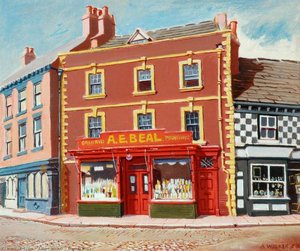
Self Portrait
 41.0 x 30.0 cm
 Galleria d'Arte Mercer
 Leggi tutto
L'opera d'arte visualizzata in questa pagina è protetta dalle leggi sul diritto d'autore, il che significa che non possiamo legalmente creare o vendere una riproduzione identica. Tale protezione è garantita da accordi internazionali quali la Convenzione di Berna e dalle leggi nazionali, incluse quelle stabilite da Legge sul copyright degli Stati Uniti - Titolo 17. Tutti i diritti riservati. Le immagini presenti su questo sito sono protette da copyright e non possono essere riprodotte o utilizzate senza l'autorizzazione scritta di WahooArt.com o dei rispettivi proprietari del copyright.
Come alternativa rispettosa e legale, offriamo opere d'arte personalizzate e dipinte a mano, ispirate all'originale. I nostri artisti esperti e professionisti studiano con cura lo stile, l'atmosfera e l'essenza artistica dell'opera originale per creare un pezzo nuovo e unico che evochi la stessa emozione, pur rimanendo una creazione originale a pieno titolo.
Questo metodo è pienamente conforme alle normative sul diritto d'autore poiché non prevede la copia o la duplicazione dell'opera protetta. Si tratta invece di una rielaborazione creativa: un nuovo dipinto che trae ispirazione dall'originale, senza tuttavia esserne identico.
Riproduzione a olio fatta a mano
Olio su tela dipinto a mano nelle tue dimensioni e con la tua cornice, realizzato su ordinazione dai nostri artisti. ( Passa alle stampe Passa all'immagine digitale)




































Scegli tra le nostre dimensioni predefinite, che rispettano le proporzioni originali dell'opera d'arte.

Inserisci la larghezza e l'altezza di cui hai bisogno, per adattarle alla tua cornice o alla tua parete. Trattandosi di un'opera dipinta a mano, in caso di dimensioni con una forma differente, l'artista può dipingere un po' più oltre i bordi dell'immagine o ritagliare leggermente — la scelta spetta a te. Ti invieremo un mockup digitale da approvare prima che la pittura abbia inizio. L'immagine mostrata in questa pagina non rappresenta il risultato reale — solo il mockup lo fa.
Dopo l'ordine, il team di ArtsDot.com contatterà il cliente via e-mail per ricevere le istruzioni e fornirà un'anteprima del mockup
Consegna in tutto il mondo () in 3/4 settimane anziché nelle normali 5 settimane. (24 Ottobre). Nessun compromesso sulla qualità.

Spedizione espressa gratuita in tutto il mondo

Tela in lino di alta qualità

Assicurazione completa sulla spedizione

Garanzia di rimborso dei dazi doganali

Garanzia di perfetta fedeltà cromatica

Politica di reso entro 100 giorni (solo per difetti di fabbricazione)

Garanzia di rimborso al 100%

Sconto per acquisti multipli
 L'opzione vetro è disponibile solo per dimensioni inferiori a 110 cm

Self Portrait
Tecnica di riproduzione
Dimensioni della riproduzione
-


Prezzo totale
€ 231
Opere correlate


Biografia dell'artista
Albert Walker: A Vision of Rural America and Victorian Echoes
Albert Walker (1846–1915), a largely unsung figure of American landscape painting, offers a poignant glimpse into the fading grandeur of rural life in the late 19th century. Born in Springfield, Oregon, during a period of rapid westward expansion and profound social change, Walker’s work transcends mere topographical representation; it's imbued with a melancholic beauty, reflecting both the romantic ideals of the Victorian era and the encroaching realities of industrialization. His canvases capture not just scenes but also a sense of loss—the slow disappearance of traditional ways of life as the frontier gave way to settled communities.
Walker’s artistic journey began with formal training in Boston, where he studied under the esteemed landscape painter Asher B. Durand, a leading figure in the Hudson River School movement. Durand's emphasis on capturing the sublime beauty of nature and depicting it with scientific accuracy profoundly influenced Walker’s early style. However, unlike many of his contemporaries who embraced a purely objective approach, Walker infused his landscapes with a distinctly emotional quality. He wasn’t simply rendering a view; he was conveying a feeling—a sense of quiet contemplation, nostalgia, and perhaps even a subtle sadness for the past.
The Influence of Joseph Mallord William Turner
A crucial element in understanding Walker's artistic vision lies in his deep admiration for the work of Joseph Mallord William Turner. Like Turner, Walker was fascinated by light and atmosphere, employing loose brushstrokes and vibrant color palettes to create a sense of immediacy and movement within his landscapes. Turner’s ability to capture fleeting moments of beauty—the shimmering effects of sunlight on water, the dramatic interplay of clouds and shadows—served as a powerful model for Walker. He particularly admired Turner's use of atmospheric perspective, creating a sense of depth and distance through subtle variations in color and tone.
Furthermore, both artists shared a fascination with the power of nature to evoke profound emotions. Walker’s landscapes are not static representations; they are dynamic scenes teeming with life—rolling hills dotted with grazing cattle, winding rivers reflecting the sky, and towering trees casting long shadows across the fields. This emphasis on movement and vitality reflects Turner's belief that art should capture the essence of experience rather than simply depicting external reality.
Key Themes and Subjects
Walker’s oeuvre is dominated by scenes of rural America—vast prairies, rolling hills, and picturesque waterways. He frequently depicted farms, barns, and livestock, capturing the rhythms of agricultural life with remarkable detail and sensitivity. However, his paintings are not simply celebrations of rural prosperity; they often carry a subtle undercurrent of melancholy, suggesting the vulnerability of these communities to economic hardship and social change. Many of his works depict scenes of solitude—a lone figure standing on a hilltop, a farmhouse silhouetted against the setting sun—evoking a sense of isolation and longing.
A recurring motif in Walker’s paintings is the depiction of water—rivers, lakes, and streams—which he often rendered with shimmering reflections and atmospheric effects. Water served as a powerful symbol for Walker, representing both the life-giving force of nature and the inevitability of change. His paintings of rivers, particularly, are imbued with a sense of fluidity and movement, mirroring the constant flux of time and the transience of human existence.
Major Works and Legacy
Among Walker’s most celebrated works are “Prairie Sunset” (1888), a breathtaking depiction of a vast prairie bathed in the golden light of twilight; “River Crossing” (1892), which captures a group of travelers making their way across a wide river; and “Barn at Dusk” (1895), a poignant portrayal of a solitary farmhouse silhouetted against the fading light. These paintings, along with many others in his collection, demonstrate Walker’s exceptional skill as a landscape painter and his ability to evoke powerful emotions through his art.
Despite not achieving widespread recognition during his lifetime, Albert Walker's work has been increasingly appreciated in recent years for its quiet beauty, emotional depth, and historical significance. He stands as a testament to the enduring power of landscape painting to capture the essence of American life—both its triumphs and its sorrows—and offers a valuable window into a bygone era.
Albert Walker
1900 - 1984
Informazioni rapide
- Full Name: Albert Walker
- Nationality: American
- Date Of Birth: 1900
- Date Of Death: 1984
- Place Of Birth: WahooArt
- Notable Artworks:
- Knaresborough
- Abbey Road
- Artistic Movement Or Style: American scenes
- Artists Who Influenced This Artist: ['Toft']
- Artists Or Movements Influenced By This Artist: ['Walker']