Menu

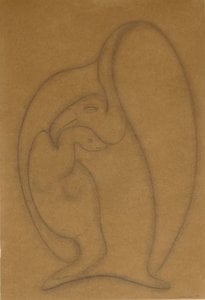
Schädel auf einem Pfosten

The picture follows your choices: , .

Biografia dell'artista

Discover Adolf Wölfli (1864-1930), a pioneering Swiss Outsider Art & Art Brut artist. Explore his intricate, autobiographical drawings, musical notations, and visionary worlds born from isolation & psychosis. A key figure in self-taught art.

Riproduzione a olio fatta a mano

Olio su tela dipinto a mano nelle tue dimensioni e con la tua cornice, realizzato su ordinazione dai nostri artisti. ( Passa alle stampe Passa all'immagine digitale)

More about this painting

Anteprima in scala reale Anteprima in AR Passa alle stampe Passa all'immagine digitale Invia
Dettagli opera Guida Aggiungi ai preferiti Scarica Simili Radiografia Slideshow Q&A Statistiche

Order your painting in four simple steps

Take your time. You can change any answer; the price in your order card follows each choice.

1 Step one of four

Which size would you like?

These sizes keep the proportions of the original painting. The drawing shows your choice on a wall, above a two-metre sofa.

Your painting: () — with its frame.

Or give your own measurements

Formato standard
su misura
CM
INCH

Scegli tra le nostre dimensioni predefinite, che rispettano le proporzioni originali dell'opera d'arte.

larghezza
altezza

Inserisci la larghezza e l'altezza desiderate, per adattarle alla tua cornice o alla tua parete. Trattandosi di un'opera dipinta a mano, in caso di dimensioni con un formato differente, l'artista può estendere leggermente il dipinto oltre i bordi dell'immagine o ritagliare una piccola parte — la scelta spetta a te. Ti invieremo un mockup digitale da approvare prima che la realizzazione abbia inizio. L'immagine mostrata in questa pagina non rappresenta il risultato finale — solo il mockup lo fa.

2 Step two of four

How should it be prepared: rolled, stretched or framed?

The prices below are for the size you chose in step one.

Choose the edges of the stretched canvas

Choose your frame

Corner sample of the WhiteWrap canvas edge finish, stretched on legno massello bars
White €1
Corner sample of the BlurSideWrap canvas edge finish, stretched on legno massello bars
Blurside €1
Corner sample of the ExtendedWrap canvas edge finish, stretched on legno massello bars
Extended €1
Corner sample of the P118B picture frame: polistirene stampato, 5 cm wide and 3 cm thick
P118B €10
Corner sample of the P118H picture frame: polistirene stampato, 5 cm wide and 3 cm thick
P118H €10
Corner sample of the P118W picture frame: polistirene stampato, 5 cm wide and 3 cm thick
P118W €10
Corner sample of the P438Z picture frame: polistirene stampato, 5.5 cm wide and 3.5 cm thick
P438Z €10
Corner sample of the P508JH picture frame: polistirene stampato, 7 cm wide and 3.5 cm thick
P508JH €12
Corner sample of the P508YH picture frame: polistirene stampato, 7 cm wide and 3.5 cm thick
P508YH €12
Corner sample of the P805H picture frame: polistirene stampato, 5 cm wide and 3.5 cm thick
P805H €10
Corner sample of the P805Z picture frame: polistirene stampato, 5 cm wide and 3.5 cm thick
P805Z €10
Corner sample of the P919BZ picture frame: polistirene stampato, 7 cm wide and 3.5 cm thick
P919BZ €10
Corner sample of the P919G picture frame: polistirene stampato, 7 cm wide and 3.5 cm thick
P919G €10
Corner sample of the P919XJ picture frame: polistirene stampato, 7 cm wide and 3.5 cm thick
P919XJ €10
Corner sample of the P959ZH picture frame: polistirene stampato, 5 cm wide and 3 cm thick
P959ZH €10
Corner sample of the P968JZ picture frame: polistirene stampato, 6 cm wide and 4 cm thick
P968JZ €12
Corner sample of the W106C picture frame: legno massello, 5 cm wide and 3 cm thick
W106C €8
Corner sample of the W218G picture frame: legno massello, 5 cm wide and 3 cm thick
W218G €10
Corner sample of the W218JH picture frame: legno massello, 5 cm wide and 3 cm thick
W218JH €8
Corner sample of the W218Y picture frame: legno massello, 5 cm wide and 3 cm thick
W218Y €10
Corner sample of the W307PJ picture frame: legno massello, 6 cm wide and 3 cm thick
W307PJ €10
Corner sample of the W316G picture frame: legno massello, 6 cm wide and 3 cm thick
W316G €10
Corner sample of the W316PJ picture frame: legno massello, 6 cm wide and 3 cm thick
W316PJ €8
Corner sample of the W316Y picture frame: legno massello, 6 cm wide and 3 cm thick
W316Y €10
Corner sample of the W398PJ picture frame: legno massello, 5 cm wide and 3 cm thick
W398PJ €8
Corner sample of the W4111J picture frame: legno massello, 6.5 cm wide and 3.5 cm thick
W4111J €10
Corner sample of the W500HY picture frame: legno massello, 7 cm wide and 5 cm thick
W500HY €15
Corner sample of the W500JH picture frame: legno massello, 7 cm wide and 5 cm thick
W500JH €15
Corner sample of the W692G picture frame: legno massello, 8 cm wide and 4 cm thick
W692G €12
Corner sample of the W849H picture frame: legno massello, 5 cm wide and 3 cm thick
W849H €8
Corner sample of the W940BG picture frame: legno massello, 7.5 cm wide and 4.5 cm thick
W940BG €15
Corner sample of the W953PJ picture frame: legno massello, 6 cm wide and 3.5 cm thick
W953PJ €8
Corner sample of the H24-GOLD picture frame: legno intagliato e gessato, 10 cm wide and 6 cm thick
H24-GOLD €30
Corner sample of the H24-SILVER picture frame: legno intagliato e gessato, 10 cm wide and 6 cm thick
H24-SILVER €30
Corner sample of the H36-GOLD picture frame: legno intagliato e gessato, 15 cm wide and 6.5 cm thick
H36-GOLD €45
Corner sample of the H36-SILVER picture frame: legno intagliato e gessato, 15 cm wide and 6.5 cm thick
H36-SILVER €45
Anteprima cornice
Con cornice

Moulding: . Overall size with the frame: .

3 Step three of four

Would you like anything changed in the painting?

Most people answer no. Because each painting is made by hand, our artist can also adapt it for you.

Examples of what can be changed: Replace face with customer photo; Add pet (e.g., replace cat with dog); Include hidden message in background; Change background landscape or elements.
After order, ArtsDot.com team will email client for instructions and provide a mockup preview

4 Step four of four

A few finishing options

All of them are optional. The answers already selected cost nothing extra.

Who paints it?

Consegna in tutto il mondo () in 3/4 settimane anziché nelle normali 5 settimane. (31 Ottobre). Nessun compromesso sulla qualità.

A nameplate, as in a museum?

Dettagli della targhetta in bronzo inciso

This elegant plaque features the artist's name and the title of the artwork, finely engraved for a timeless presentation.

It is made from bronze with a refined, elegant finish. The text is precisely laser-engraved for a sharp and permanent result. Measuring 9x2 cm, the plaque is compact yet easy to read. It's built to be durable and scratch-resistant, offering a professional, museum-quality look. Mounting is simple thanks to the included adhesive backing.

Dettagli della targhetta in acrilico trasparente

The plaque includes essential engraved details such as the artist's name, the title of the artwork, the date it was created, the type of media used-like oil on canvas or watercolor-a brief description of the piece, and a QR code that links to the complete artwork information.

It is crafted from clear acrylic, offering a sleek, modern appearance. The text is UV-engraved in black to ensure strong visual contrast. With a size of 10x15 cm, it ensures optimal readability. It comes equipped with two metal hooks for secure wall mounting. The plaque is designed to be weather-resistant, making it suitable for various environments, and it includes interactive features that work seamlessly with smartphone scanning.

Dettagli della targhetta in acrilico nero

This elegant plaque includes engraved information such as the artist's name, the title of the artwork, the date it was created, the type of media used (like oil on canvas or watercolor), a short description of the artwork, and a QR code for quick access to more information.

The plaque itself is made from refined black acrylic with a premium finish. The text is laser-engraved in white for high contrast and readability. Its size is 10x15 cm, designed to be easy to read. It comes with two metal hooks for professional mounting. The design is sleek and fits any interior style. It is also weather-resistant and durable, with built-in digital integration for mobile compatibility.

A protective varnish?

When do you need it?

✓ Check and order

Your painting, as you ordered it

Schädel auf einem Pfosten

Tecnica di riproduzione

Dimensioni riproduzione

-

Artisti di alto livello

Maggiore dettaglio, finezza e tempi di produzione dedicati

-

Cornice per riproduzione

-

-

Per opere d'arte o riproduzioni con un lato superiore a 105 cm (circa 41 pollici), la cornice verrà spedita in forma di kit smontato. Questo metodo garantisce una consegna sicura e previene danni durante il trasporto.

Montaggio professionale richiesto - non è un prodotto fai-da-te.
Il kit deve essere assemblato e la tela tesa da un esperto cornice professionista, utilizzando colla per legno (non inclusa), una pinza per tendere la tela e morsetti per mantenere i listelli in squadra durante l'asciugatura della colla. Un montaggio errato o una tensione non uniforme della tela possono danneggiare permanentemente l'opera d'arte e non sono coperti dalla nostra garanzia.

  • Tutte le barre in legno massello sono incluse, tagliate con precisione alle dimensioni corrette.

  • Da assemblare con le viti fornite e con la colla per legno per gli incastri degli angoli, che non è inclusa e dovrà essere reperita dal vostro corniceio.

  • Sono necessari strumenti professionali non inclusi: una pinza tendicanvas (tenditore) e dei morsetti per mantenere i listelli in squadra durante l'asciugatura della colla.

Importante:
Gli incastri d'angolo richiedono colla per legno, i listelli devono essere mantenuti in posizione con dei morsetti finché la colla non è completamente asciutta, e il tensionamento della tela sulla cornice assemblata richiede una pinza per tendere la tela. Nessuno di questi strumenti è incluso nel kit. Si prega di consultare un incorniciatore professionista esperto prima di ordinare questa misura.

Didascalia

-

-

Vernice protettiva

Vernice lucida (esalta i colori, protegge da luce e umidità)

-

Personalizza la mia opera

Esempi di personalizzazione: sostituire il volto con una foto del cliente; aggiungere un animale domestico (ad esempio, sostituire un gatto con un cane); inserire un messaggio nascosto nello sfondo; cambiare il paesaggio o gli elementi dello sfondo.

-

Consegna rapida

Consegna in tutto il mondo () in 3/4 settimane anziché nelle normali 5 settimane. (31 Ottobre). Nessun compromesso sulla qualità.

-

Spedizione espressa

Spedizione in tutto il mondo () in 5 settimane. (7 Novembre).

Spedizione inclusa

Prezzo finale calcolato

€ 233

Prezzo totale € 233

L'opzione vetro è disponibile solo per dimensioni inferiori a 110 cm

Included with every order

  • Spedizione espressa gratuita in tutto il mondo
  • Tela in lino di alta qualità
  • Assicurazione completa sulla spedizione
  • Garanzia di rimborso dei dazi doganali
  • Garanzia di fedeltà cromatica assoluta
  • Politica di reso entro 100 giorni (solo per difetti di fabbricazione)
  • Garanzia di rimborso al 100%
  • Offerta per acquisti multipli
Adolf Wölfli

Adolf Wölfli

1864 - 1930, Svizzera

Biografia dell'artista

Adolf Wölfli: The Visionary Artist Born From Trauma

Adolf Wölfli (1864 – 1930) stands as a singular figure in the history of art, recognized primarily for his pioneering role in establishing the concept of Art Brut—a term coined by Jean Dubuffet to describe artwork created outside the mainstream artistic establishment, often by individuals with mental illness or social exclusion. His oeuvre transcends conventional categorization, presenting a mesmerizing blend of autobiographical drawings, musical notations, and fantastical imagery that reflects both profound personal suffering and an astonishing creative impulse. Born in Bern, Switzerland, Wölfli’s early life was marked by considerable adversity. Subject to physical abuse as a child and orphaned at the age of ten, he experienced a series of institutional placements characterized by neglect and hardship. He labored as a verdingbub—an indentured child laborer—and briefly served in the Swiss army before encountering legal difficulties stemming from an attempted act of sexual assault for which he received prison time. Following his release, he was subsequently arrested again on similar charges, resulting in further incarceration. It was during this period that he found solace and inspiration within the Waldau Clinic, a psychiatric hospital where he resided until his death. Initially exhibiting severe psychosis and violent tendencies upon admission, Wölfli’s isolation fostered an intense preoccupation with his inner world—a preoccupation that ultimately fueled his artistic output.

The Genesis of Artistic Expression: From Isolation to Invention

The pivotal moment in Wölfli's artistic journey arrived unexpectedly after his hospitalization. Recognizing a latent talent he had previously unrecognized, he began to draw compulsively, transforming the sterile environment of the clinic into a crucible for creativity. His first surviving drawings—a series of fifty pencil sketches executed between 1904 and 1906—demonstrate an astonishing ability to synthesize disparate elements into cohesive visual narratives. These early works are notable not only for their technical skill but also for their unflinching honesty, reflecting Wölfli’s psychological state with remarkable acuity. He meticulously documented his experiences at Waldau in a series of drawings that capture the textures and contours of the hospital walls—a poignant reminder of his confinement and a testament to his unwavering dedication to observation. Walter Morgenthaler, a psychiatrist at Waldau who became Wölfli's devoted observer and collaborator, played an instrumental role in bringing Wölfli to the attention of the art world. Morgenthaler meticulously documented Wölfli’s artistic process and methods in his influential book, *Ein Geisteskranker als Künstler* (A Psychiatric Patient as Artist) published in 1921. This publication captivated critics and scholars alike, presenting a portrait of an artist who had developed his skills independently despite debilitating mental illness—a groundbreaking concept that challenged prevailing notions about artistic creativity and paved the way for the acceptance of outsider art. Morgenthaler championed Wölfli’s work as a symbol of liberation from academic constraints, arguing that true artistry could flourish outside the confines of formal training.

Style and Technique: Raw Emotion Embodied

Wölfli's artistic style is instantly recognizable for its distinctive characteristics. He eschewed conventional techniques, favoring simple materials like pencil and paper—often trading smaller pieces with visitors to the clinic to procure essential supplies. His drawings are characterized by a remarkable level of detail combined with an unsettling spontaneity, conveying raw emotion and psychological turmoil through intricate imagery and symbolic representations. Recurring motifs include figures distorted in grotesque postures, maps depicting fantastical landscapes populated by bizarre creatures, and musical notations that seem to capture the rhythm of his inner experience. These elements coalesce into visions that are both disturbing and profoundly evocative—a testament to Wölfli’s ability to transform personal trauma into artistic brilliance. The artist's meticulous attention to texture and perspective—particularly in his depictions of architectural spaces—reflects a desire to impose order onto chaos, mirroring the struggle for self-control inherent in his mental illness.

Legacy and Influence: Shaping the Landscape of Art Brut

Adolf Wölfli’s contribution to art history extends far beyond his individual artworks. He served as a crucial catalyst in establishing Art Brut—the concept of self-taught art created outside the formal art world—and profoundly influenced Jean Dubuffet, who championed Wölfli’s work and solidified its place within the broader artistic canon. Wölfli's insistence on prioritizing instinctual expression over academic conventions challenged established artistic hierarchies and broadened the definition of creativity itself. Today, his drawings continue to inspire artists and scholars alike, reminding us that art can emerge from unexpected sources—even from the depths of psychological distress—and that true beauty resides in confronting uncomfortable truths with unwavering conviction. His work remains a cornerstone of Art Brut, demonstrating that profound artistic insight can arise from conditions considered aberrant by mainstream society.