


 Anteprima in scala reale
 Invia
Invia Condividi
 Dettagli opera

 Scarica immagine
 Simili
 Radiografia
 Slideshow
W. E. B. Du Bois
 Acrylic On Canvas
- WallArt
- Black Washington Photography
 1911
1911 34.0 x 41.0 cm
 Galleria Nazionale di Ritratto
 Espandi i dettagli
Acquista un'immagine digitale ad alta risoluzione e ottimizzata, di qualità nettamente superiore all'anteprima online.
Ogni file è meticolosamente preparato dai nostri specialisti interni attraverso l'uso di strumenti avanzati e un sapiente ritocco manuale. Garantiamo che ogni immagine presenti una chiarezza eccezionale, una precisione cromatica impeccabile e dettagli raffinati.
Il file finale viene consegnato via e-mail entro 72 ore, ottimizzato per un uso immediato in contesti professionali, editoriali e di stampa. Si tratta della stessa qualità affidata ai più prestigiosi studi di design, editori e gallerie d'arte.
Immagine Digitale
Scarica un file ad alta risoluzione per uso personale, per la stampa e per progetti creativi. ( Acquista stampa Acquista il dipinto realizzato a mano)
Incluso in ogni ordine di immagini digitali
Consegna digitale professionale e garantita
Quando scegli ArtsDot.com, non riceverai solo un'immagine: riceverai un'opera d'arte digitale professionalmente ottimizzata, realizzata con la massima precisione e accompagnata da una garanzia di soddisfazione. Ecco tutto ciò che include il tuo ordine, automaticamente:

Consegna rapida via email
Riceverai il file dell'immagine digitale ad alta risoluzione via email entro 72 ore dall'ordine, pronto per un uso immediato.

File digitale ottimizzato dall'IA
La tua opera d'arte viene ottimizzata professionalmente attraverso l'uso di strumenti avanzati di intelligenza artificiale e una revisione manuale, garantendo il massimo livello di dettaglio, nitidezza e accuratezza cromatica.

Riconsegna gratuita a vita
Hai eliminato o perso accidentalmente il tuo file? Non preoccuparti: te lo invieremo di nuovo in qualsiasi momento, gratuitamente.

Nessun costo di importazione, mai
Goditi la tua opera d'arte istantaneamente senza costi doganali, dazi o spese di spedizione: i download digitali sono sempre esenti da tasse.

Garanzia di fedeltà cromatica
Garantiamo che la tua immagine digitale rifletta i colori originali con la massima fedeltà, grazie all'uso di strumenti professionali e a una gestione accurata del colore.

Garanzia soddisfazione 60 giorni
Se non sei soddisfatto della tua immagine digitale, la revisioneremo o ti rimborseremo il 100% entro 60 giorni, senza domande.

Garanzia di rimborso al 100%
Non sei soddisfatto? Ricevi un rimborso completo entro 60 giorni dal ricevimento del tuo file digitale, senza dover fornire spiegazioni.

Sconti per ordini multipli
Acquista 3 immagini, risparmia il 10% - Acquista 5, risparmia il 15% - Acquista 10+, risparmia il 20%. Ideale per progetti creativi, gallerie e agenzie.
Descrizione del collezionabile
The Weight of the Color Line: Addison N. Scurlock’s Masterpiece
Addison Norton Scurlock's 1911 photograph of W. E. B. Du Bois stands as more than just a portrait; it is a meticulously crafted document of an era, a visual embodiment of the complex social and intellectual currents shaping early 20th-century America. The image captures Du Bois not merely as a prominent scholar and activist, but as a man wrestling with the profound “double consciousness” – a term he himself coined – that defined the Black experience in a nation grappling with its own identity. Scurlock’s skill lies not just in his technical proficiency, but in his ability to subtly convey the weight of this historical burden through composition, light, and the very gaze of the subject.
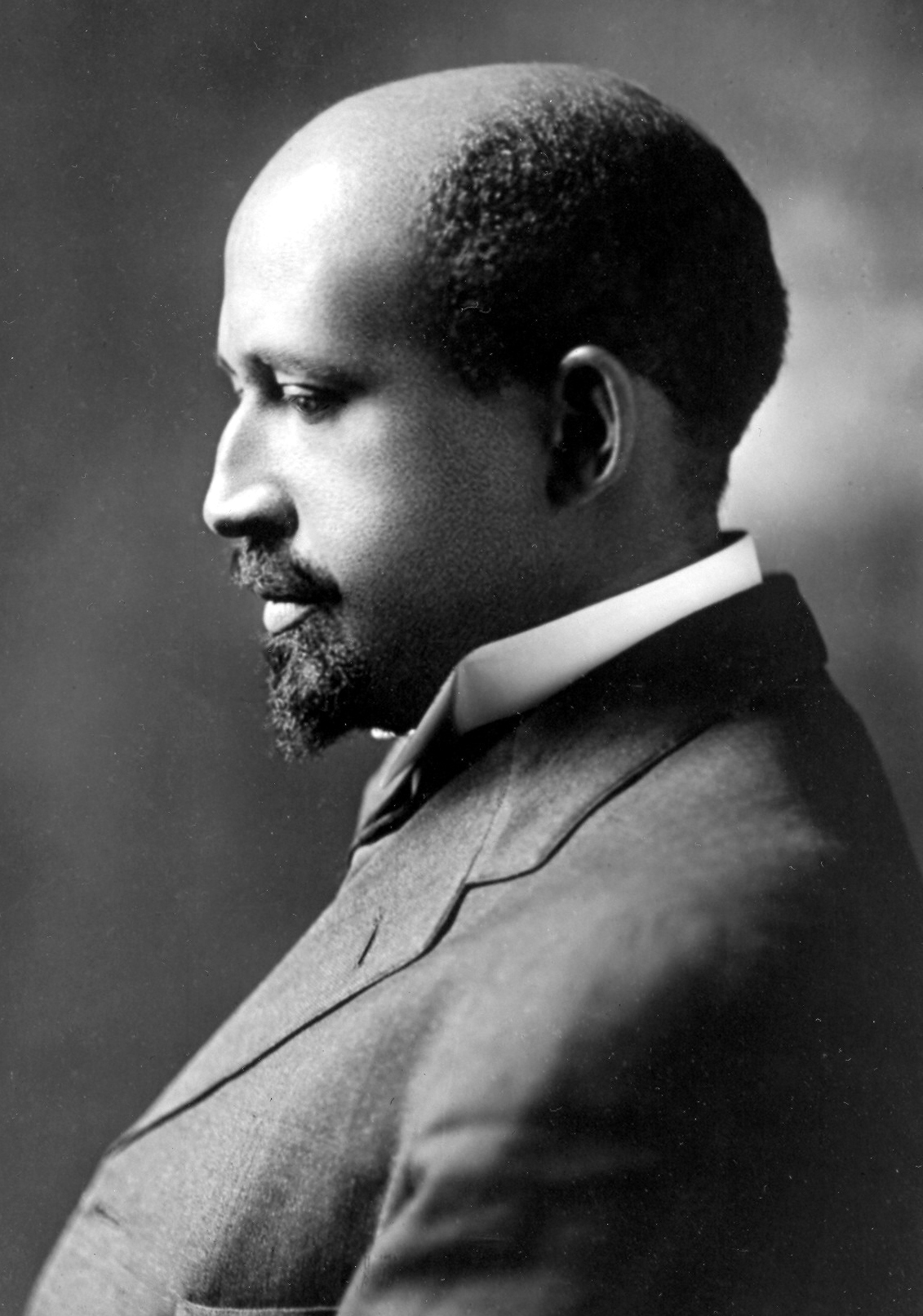
(Image courtesy of Smithsonian Archives)
A Window into Washington’s Black Community
Scurlock's work was deeply rooted in the vibrant, yet often overlooked, community of African Americans in Washington D.C. during this period. He wasn’t simply a portraitist; he was an active participant in documenting the daily lives, cultural expressions, and political aspirations of Black Washingtonians. His studio became a central hub, a place where families sought dignified portraits – a tangible assertion of their presence and identity within a society that frequently denied them recognition. The photograph itself reflects this community engagement, hinting at a setting beyond the formal studio, suggesting a moment captured in a more relaxed, intimate environment.
The backdrop, though subtly rendered, speaks volumes about the era. It’s not a grand cityscape or an opulent interior; instead, it suggests a quiet street scene – a deliberate choice that anchors Du Bois within his immediate context and highlights his connection to the everyday realities of Black life in Washington.
Technical Mastery and Photographic Language
Scurlock's mastery is evident in the photograph’s nuanced details. The use of black and white gelatin silver print lends a timeless quality, with subtle tonal variations creating depth and texture. Note the careful control of light – it illuminates Du Bois’s face, drawing attention to his thoughtful expression while leaving the background softly shadowed. This technique emphasizes the subject's presence without overwhelming him. The composition is carefully balanced; Du Bois’s posture conveys a sense of quiet contemplation, while his slightly turned head invites the viewer into his thoughts.
Furthermore, Scurlock’s use of photographic techniques—particularly in capturing the subtle nuances of expression—demonstrates an understanding that went beyond mere documentation. He was striving to create a portrait that resonated with both intellectual and emotional depth.
Symbolism and the “Double Consciousness”
Du Bois's gaze, directed slightly off-camera, is particularly significant. It’s not a direct, confrontational stare; rather, it suggests introspection and a considered awareness of his position within American society. This subtle shift in focus powerfully embodies the concept of "double consciousness" – the feeling of always looking at oneself through the eyes of others, as articulated by Du Bois himself. The photograph becomes a visual representation of this internal struggle: the simultaneous experience of being both an African American and an American citizen.
The image serves as a poignant reminder of the challenges faced by Black intellectuals during this period – the constant need to navigate racial prejudice while striving for social justice and intellectual advancement. Scurlock’s photograph is not simply a portrait; it's a powerful testament to Du Bois’s legacy and the enduring significance of his ideas.
Opere simili


Biografia dell'artista
Addison N. Scurlock (1883-1964): A Pioneer of Black Washington Photography
Addison Norton Scurlock, born in Fayetteville, North Carolina, in 1883, stands as a pivotal figure in the history of American photography and, crucially, in documenting the vibrant cultural landscape of early 20th century Black Washington. His unwavering dedication to capturing the essence of African American life during this transformative era cemented his place among the most influential visual historians of his time.Early Life and Artistic Beginnings
Scurlock’s formative years instilled within him a profound appreciation for observation and meticulous craftsmanship—skills that would prove invaluable throughout his illustrious career. He pursued his education diligently, graduating from high school in Fayetteville before embarking on a journey toward artistic mastery. Recognizing the burgeoning potential of photography as a medium for social commentary and personal expression, he apprenticed under Moses P. Rice, a respected white photographer operating in Washington D.C., gaining foundational knowledge of photographic techniques and laboratory practices. This apprenticeship laid the groundwork for his future endeavors and established him within the influential circle of visual artists active during that period.Establishing Scurlock Studio: A Hub of Photographic Excellence
Driven by ambition and fueled by a desire to contribute meaningfully to his community, Scurlock founded Scurlock Photographic Studio in 1904—a venture rooted in his parents’ home at 500 Block Florida Avenue NW. This studio quickly became synonymous with quality and artistic integrity, attracting clients from across the Black Washington area. Recognizing the importance of fostering talent and disseminating knowledge, he mentored his sons, Robert and George Scurlock, who subsequently joined the business and continued to uphold his legacy as a photographer for decades. The Studio’s location in the heart of Black Broadway—a thriving cultural district—provided an unparalleled vantage point for documenting daily life and capturing pivotal moments within the African American community.Documenting Black Washington: Portraits of Dignity and Significance
Scurlock's artistic vision extended beyond mere technical proficiency; he possessed a deep empathy for his subjects and a keen understanding of their narratives. He skillfully employed lighting, posing, and retouching techniques—elements that elevated his portraits to expressions of dignity and sophistication. His photographs weren’t simply images; they were windows into the lives of prominent figures – Booker T. Washington, W.E.B. Du Bois, Mary McLeod Bethune, Archie Alexander, Billy Eckstine, Paul Laurence Dunbar, Lillian Evans Tibbs, George Washington Carver—each portrait imbued with a palpable sense of history and cultural importance. Notably, he documented events such as the 1939 Lincoln Memorial Concert featuring Marian Anderson, capturing the spirit of resilience and aspiration that defined the era.Legacy and Enduring Influence
Addison Scurlock’s contribution to visual culture transcends his individual achievements; he established a tradition of documenting Black Washington—a legacy that continues to inspire photographers today. His sons' involvement in the studio ensured that this artistic endeavor persisted for over 80 years, preserving invaluable records of African American life and fostering a commitment to artistic excellence within subsequent generations. Furthermore, Scurlock’s photographs serve as powerful reminders of the importance of representing diverse experiences—a principle that remains central to contemporary photographic practice. His work stands as testament to the transformative power of visual storytelling and its ability to illuminate history while honoring human dignity.
Addison N. Scurlock
1883 - 1964 , Stati Uniti d'America
In sintesi
- Artistic Movement Or Style: Documentary photography
- Date Of Birth: 1883
- Full Name: Addison Norton Scurlock
- Nationality: American
- Notable Artworks: ['W. E. B. Du Bois']
- Place Of Birth: Fayetteville, United States

